
Selecting a school portfolio for your child is more than just picking a favorite color or character design. A well-designed portfolio acts as a mobile filing system, protecting homework, art projects, and permission slips from the daily wear and tear of school life. To find the right option, parents must evaluate key features such as material durability, pocket configuration, closure security, and overall dimensions.
The ideal portfolio should match your child’s physical size and academic workload. A folder that is too small will result in crumpled papers, while an oversized or overly heavy option can cause physical strain during the daily commute. By focusing on observable construction details and practical layout features, you can select a durable organizer that keeps your child prepared and organized throughout the school year.
Assessing Daily School Carry Requirements
Before browsing online marketplaces or visiting local department stores, you must establish exactly what your child needs to carry on a daily basis. School requirements vary significantly by grade level and school curriculum. Start by gathering the actual items your child brings to class every day, such as standard A4 worksheets, drawing books, writing pads, and perhaps a tablet or library book. Laying these items out flat allows you to visualize the total volume and thickness the portfolio must accommodate.
Products mentioned in this guide
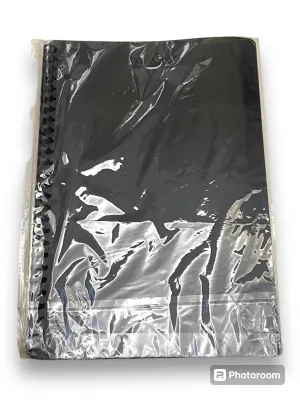
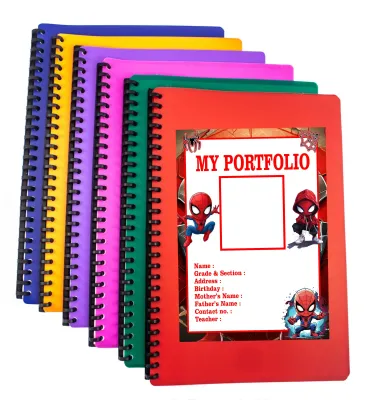
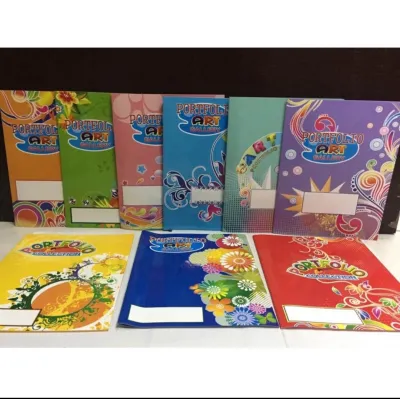
Prices are valid at publication and may change. Please refer to the product page for the latest price.
Consider whether your child primarily carries loose, single-sheet documents or bulkier items like multi-subject notebooks and thick textbooks. If the school utilizes a modular learning system with loose printed sheets, a multi-pocket expanding file style is highly effective. However, if they must transport thick ring binders or heavy reference books, a wide-gusseted portfolio with structured sides is necessary to prevent the edges of the papers from bending or tearing under pressure.
The daily commute also plays a critical role in determining the right portfolio design. Children who walk to school, ride in tricycles, or take crowded jeepneys require a compact, lightweight portfolio that fits easily inside a backpack or can be carried comfortably by hand. A heavy, overstuffed portfolio can quickly become a physical burden, leading to fatigue or poor posture. Weighing the loaded portfolio on a simple home scale can help you ensure the total carry weight remains safe and manageable for your child’s age and physical strength.
Essential Features to Check Before Buying
Evaluating a portfolio requires looking past attractive cover designs to inspect the physical construction and functional details. High-quality materials and smart layouts ensure the organizer survives the school year.

Material Durability and Weather Protection
The durability of a school portfolio depends heavily on its base material and construction quality. When shopping online or in stores, check the product specifications for heavy-duty fabrics such as high-denier nylon, polyester, or rugged canvas. Materials with a higher denier rating generally offer better resistance to abrasions, punctures, and tears when scraped against school desks or playground pavement.
In tropical climates like the Philippines, weather protection is a vital consideration for protecting paper schoolwork. Look for portfolios made from water-resistant materials or those featuring an internal polyurethane coating that repels moisture. During the heavy downpours of the rainy season, a portfolio with a secure water-resistant exterior or an integrated rain cover prevents rainwater from seeping through and ruining important homework or expensive textbooks.
In addition to the fabric, closely inspect the stitching quality along the seams and corners. Double-stitched seams and reinforced fabric piping along the edges prevent the portfolio from fraying or splitting open under the weight of heavy books. If you are shopping in a physical store, gently pull on the seams to check for gaps; if shopping online, zoom in on high-resolution product images to verify that the stitching is straight, dense, and free of loose threads.
Pocket Layout and Document Capacity
An organized interior is essential for helping children manage their schoolwork without frustration. When comparing designs, consider the difference between single-gusset and multi-gusset portfolios. A single-gusset design features one main compartment that is ideal for carrying a few thin notebooks or a single textbook, whereas a multi-gusset or expanding design features multiple divided sections that allow students to categorize papers by subject or priority.
Always verify the internal dimensions of the portfolio against standard paper sizes used in local schools, such as Letter, Legal, and A4. A portfolio that is even slightly too narrow will force your child to fold or cram their worksheets, leading to messy, dog-eared pages. Look for options that offer at least an extra half-inch of clearance on all sides of a standard A4 sheet to ensure papers slide in and out smoothly without catching on the zipper or closure mechanism.
Beyond the main document compartments, look for dedicated utility pockets that add functional value. Small slip pockets are excellent for holding school ID cards, lunch money, pens, and rulers, keeping these small items from getting lost at the bottom of the bag. If your child carries a tablet or e-reader, look for a portfolio that includes a dedicated, padded sleeve with a secure strap to protect the screen from being scratched by metal spiral notebooks or pens.
Closures, Zippers, and Handle Comfort
The mechanisms used to open and close a portfolio directly affect both the security of its contents and its ease of use. Zipper closures offer the most secure seal, preventing loose papers, pencils, and small items from sliding out during a bumpy commute. Look for thick, self-repairing nylon coil zippers with large, easy-to-grip pull tabs that small hands can operate without snagging or splitting the zipper teeth.
For younger children who may struggle with zippers, flap closures with hook-and-loop fasteners or sturdy plastic snap buckles are excellent alternatives. These closures allow quick access to papers while still keeping the main compartment covered. However, ensure the hook-and-loop strips are wide enough to remain secure even when the portfolio is fully packed, as weak fasteners can easily pop open under pressure.
Carrying comfort is another critical factor, especially when the portfolio is loaded to capacity. Check the handle design to ensure it is wide, padded, and securely stitched to the main body of the portfolio. A thin, unpadded plastic or nylon strap can dig painfully into a child’s hand or shoulder. For older students who must carry heavier workloads over longer distances, look for portfolios that feature a detachable, adjustable shoulder strap with a sliding shoulder pad to help distribute the weight more evenly across the body.
Matching Portfolio Styles to Grade Levels
As children grow, their academic workloads and organizational needs change, meaning the ideal portfolio style will vary depending on their grade level. For early elementary students in kindergarten through grade three, simplicity and ease of use are the top priorities. Portfolios for this age group should be lightweight, featuring single-compartment designs with simple hook-and-loop or single-snap closures. Bright, distinct colors or clear plastic windows are highly beneficial, allowing young children to quickly identify their own folders in a busy classroom without needing to read detailed labels.
As students transition into upper elementary grades, from grade four to six, their homework volume and the number of school subjects increase. This stage requires transitioning to multi-pocket expanding portfolios made from sturdier materials like reinforced polyester. These portfolios should feature color-coded tabs or index labels, helping students learn basic organizational skills by dedicating specific pockets to math, science, language arts, and homework to be signed by parents. The construction must be robust enough to handle daily transport inside a larger backpack alongside lunchboxes and water bottles.
For middle and high school students, the focus shifts toward high-capacity, professional-looking portfolios that can accommodate both physical documents and digital devices. Students in these higher grades often carry a mix of thick binders, reference books, and personal tech. Look for sophisticated, multi-functional portfolios with dedicated padded laptop or tablet compartments, zippered organizer panels for pens and calculators, and durable metal hardware. Neutral colors and sleek, streamlined profiles are often preferred by older students who want a mature look that fits both classroom and extracurricular environments.
Building a Verified Shortlist for Purchase
To make a smart purchase, parents should compile a shortlist of potential portfolios and verify their features systematically rather than relying on marketing claims. Start by measuring your child’s largest daily school item, such as a specific ring binder, drawing pad, or tablet in its protective case. Use a ruler to record the exact height, width, and thickness of this item, and cross-reference these measurements directly with the internal dimensions listed on the product packaging or online specification sheets. Never assume a portfolio labeled “A4 size” will comfortably fit a thick A4 binder, as the external dimensions do not account for internal pocket dividers or seam allowances.
Next, leverage user reviews on online marketplaces and retail sites to assess real-world durability. Filter reviews to look for feedback from parents whose children have used the portfolio for several months. Pay close attention to recurring complaints regarding zipper failures, torn seams, or cracking plastic corners, as these are common failure points that rarely show up during initial use. A product with highly rated aesthetics but frequent reports of broken hardware should be avoided in favor of options with proven structural reliability.
It is also wise to verify the return policies and warranty terms offered by the seller or manufacturer before finalizing your purchase. A reliable manufacturer often stands behind their product with a warranty against material defects or hardware failures within the first few weeks of the school year. Knowing you can easily exchange a defective item or receive a refund provides peace of mind, especially when purchasing stationery supplies online where you cannot physically inspect the stitching or zipper action beforehand.
Finally, establish a realistic budget in Philippine Pesos (₱) that balances cost with long-term value. While a very cheap plastic folder might cost under ₱100, it may need to be replaced multiple times throughout the school year due to cracking or tearing. Investing a bit more, perhaps between ₱300 and ₱800, can secure a high-quality, water-resistant nylon or canvas portfolio with reinforced stitching and durable zippers. This upfront investment often saves money over time by lasting the entire school year and beyond, ensuring your child’s schoolwork remains safe, organized, and protected from the elements.
Frequently Asked Questions (FAQ)
How do I clean a canvas or nylon school portfolio?
Before cleaning your child’s school portfolio, always locate and read the manufacturer’s care label for specific washing instructions. For general maintenance of canvas or nylon portfolios, spot cleaning is the safest and most effective method. Dampen a clean microfiber cloth with warm water and a small amount of mild liquid soap, then gently scrub away dirt, ink stains, or food spills. Avoid using harsh chemical detergents, bleach, or abrasive brushes, as these can strip away water-resistant coatings and weaken the fabric fibers. Once clean, open all compartments and allow the portfolio to air-dry completely in a well-ventilated indoor area away from direct sunlight. Never put the portfolio in a clothes dryer or store it while damp, as trapped moisture can lead to mold, mildew, and unpleasant odors.
Can a standard portfolio fit a 13-inch laptop?
Whether a standard portfolio can accommodate a 13-inch laptop depends entirely on the laptop’s physical dimensions and the portfolio’s internal design. Do not rely solely on the laptop’s screen size label, as bezel widths and overall chassis thickness vary significantly between different computer brands. Use a tape measure to find the exact length, width, and depth of the laptop, and compare these figures against the portfolio’s internal compartment specifications. If the portfolio does not feature a dedicated, padded tech sleeve with a secure closure strap, do not store the laptop inside it loose. Placing a laptop in an unpadded compartment alongside metal spiral notebooks, pens, and keys can easily scratch the casing or crack the screen under pressure. If a secure, padded section is missing, use a separate protective laptop sleeve before placing the device inside the portfolio.

Community discussion
Share your experience or ask a question. Comments are reviewed before publication.