
Choosing the right shape stickers for your bullet journal depends on balancing your planning style with the physical grid of your notebook. For most layouts, a versatile starter set of basic geometric shapes—such as small circles, squares, and thin rectangular strips—offers the highest utility. Opting for matte paper or washi-style stickers ensures you can write over them with your favorite fineliners or gel pens without experiencing excessive smudging. By matching the scale of these stickers to your notebook’s dot grid, you can quickly build clean, consistent layouts without spending hours drawing repetitive elements by hand.
Diagnose Your Bullet Journal Layout Needs
Before purchasing any sticker sheets, take a close look at how you actually use your journal on a daily basis. If your planning style leans toward rapid logging and minimalist tracking, your primary need is likely functional efficiency rather than elaborate decoration. On the other hand, if you enjoy creating artistic weekly spreads, you might want shapes that serve as visual anchors, framing your text and adding pops of color. Understanding this distinction prevents you from buying sheets of decorative stickers that ultimately sit unused in a drawer.
Next, identify the specific layout elements that feel the most tedious or inconsistent when drawn by hand. Many journalers find that drawing thirty-one tiny circles for a monthly habit tracker or sketching identical banner outlines for weekly headers becomes a chore. If you frequently abandon your trackers halfway through the month because of the setup time, shape stickers can step in to remove that friction.
Products mentioned in this guide
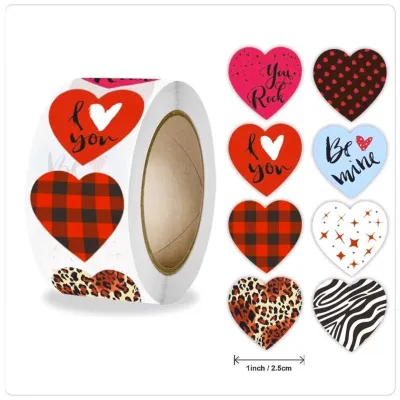
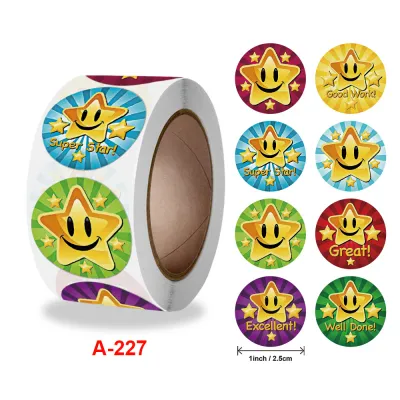
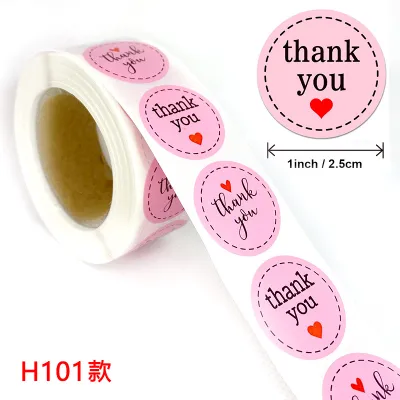
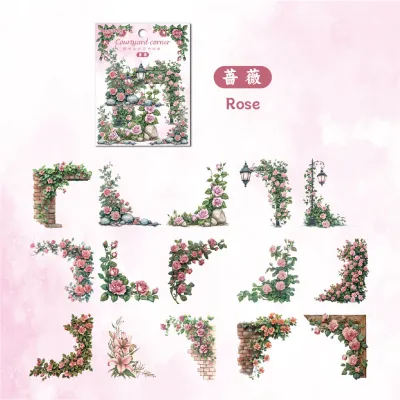
Prices are valid at publication and may change. Please refer to the product page for the latest price.
Finally, decide whether your primary goal is functional organization, visual decoration, or a balanced combination of both. Functional users should focus on solid, color-coded geometric shapes that categorize tasks, while decorative users might prefer patterned shapes, organic curves, or metallic accents. Defining this goal helps you establish clear criteria for your sticker selection, ensuring every sheet you buy serves a practical purpose on your pages.
Match Sticker Shapes to Core BuJo Functions
Integrating stickers into your bullet journal is most successful when you map specific geometric shapes to dedicated layout zones. Instead of placing stickers randomly, treating them as structural components allows you to maintain a clean visual hierarchy. Different shapes naturally lend themselves to distinct planning tasks, helping your eyes navigate the page effortlessly.

Trackers, Calendars, and Habit Grids
For habit trackers, monthly calendars, and mood grids, small and uniform shapes are highly effective. Mini circles, tiny squares, and small dots are well-suited for filling in tracker boxes to represent completed tasks. Using these uniform shapes ensures that your grids look neat and organized, even when filled out quickly on busy days.
Before applying these stickers, it is crucial to check their alignment and scale against your notebook’s grid lines. If the stickers are slightly too large, they will overlap adjacent boxes, creating a cluttered look that defeats the purpose of a structured tracker. Look for sticker sheets specifically designated as mini or micro shapes, which typically measure between 3mm and 6mm in diameter.
Color-coding is another powerful technique you can implement with basic geometric shapes. By assigning a specific solid color to different habits or categories—such as blue for hydration, green for exercise, and yellow for reading—you can see your progress at a glance. Alternatively, you can use patterned shapes to mark milestones or exceptional days, adding visual interest without disrupting the overall layout structure.
Headers, Banners, and Title Blocks
Creating legible headers and title blocks is essential for establishing a clear hierarchy in your weekly and monthly spreads. Rectangular labels, tag shapes, and ribbon banners are excellent options for framing your titles. These shapes provide a dedicated background that separates your headers from the surrounding daily logs, making them stand out immediately when you flip open your journal.
When selecting these framing shapes, ensure there is sufficient blank space inside the sticker for your handwriting or stamps. Some decorative banners feature heavy patterns or dark colors that make standard black gel pens difficult to read. Opt for pastel, neutral, or white-centered shapes that accommodate your writing style, and verify that the sticker material accepts your preferred ink without pooling.
Additionally, arrow, triangle, or pointer shapes are incredibly useful for drawing attention to key notes, deadlines, or high-priority tasks. Placing a small arrow sticker next to an urgent reminder creates an instant visual cue. This technique helps prevent critical information from getting lost in a sea of rapid-logged text, keeping your daily schedule highly actionable.
Dividers, Margins, and Structural Lines
Dividing your pages into clean sections does not require a ruler and a steady hand when you use structural shape stickers. Long, thin rectangular strips—often referred to as tape strips or line stickers—are highly effective for separating morning and evening logs or dividing a single page into multiple columns. Geometric corner pieces can also be used to frame the edges of your pages, giving your layouts a finished, professional look.
For a more subtle boundary between daily entries, consider using dashed-line, dot-trail, or chain-link shapes. These designs provide a visual break without the heavy, stark appearance of solid black lines. They are particularly useful in smaller notebooks where thick dividers can make the layout feel cramped and restricted.
Always verify that the length of your divider stickers matches the standard width of your chosen notebook. For instance, if you use a standard A5 journal, your horizontal dividers should ideally align with the page width, which is typically 148 millimeters. If the stickers are too long, you will need to trim them carefully with scissors; if they are too short, you may need to piece multiple stickers together, which can disrupt the clean line.
Evaluate Size and Scale Against Your Notebook Grid
The key to seamless sticker integration is matching the physical dimensions of the stickers to your notebook’s ruling. Most bullet journals utilize a 5mm dot grid, though some feature 7mm ruled lines or completely blank pages. Before purchasing any shape stickers, use a ruler to measure your grid spacing, and compare those measurements to the dimensions listed on the sticker packaging.
Oversized shapes can quickly overwhelm minimalist layouts, leaving you with very little room for actual writing. Conversely, undersized shapes can be incredibly frustrating to handle, often requiring tweezers to place accurately on the page. Aim for a balanced scale where your functional stickers fit comfortably within one or two grid squares, leaving ample white space around them.
You should also pay close attention to the cutting precision of the stickers. High-quality sheets feature clean, precise kiss-cuts that allow you to peel the shapes away easily without tearing the backing paper. If the cuts are misaligned, the shapes may have uneven borders that look messy when aligned with your notebook’s straight grid lines.
Build a Practical Starter Shape Sticker Kit
When building your first collection, it is easy to get carried away by the sheer variety of designs available on online marketplaces. To avoid clutter and decision fatigue, prioritize neutral-colored basic geometry, such as circles, squares, and rectangles in shades of gray, beige, or soft pastels. These versatile shapes adapt easily to any theme or color palette you choose for your monthly spreads.
Limit your purchase of highly specific or novelty shapes—such as stars, hearts, or intricate floral silhouettes—until you have established a consistent layout style. While these shapes are visually appealing, they are often harder to write on and less versatile for daily functional tracking. Starting with a solid foundation of basic shapes allows you to experiment with different layouts without wasting your budget.
Finally, always review the material finish of the stickers before buying. Matte paper and washi-style stickers are highly recommended because they accept a wide variety of writing instruments, including gel pens, fineliners, and pencil. Glossy or plastic-coated stickers, while durable, often cause water-based inks to smudge or bead up, which can be particularly frustrating in humid tropical climates where ink drying times are already extended. If you plan to use a budget-friendly starter kit costing around ₱100 to ₱250, verifying the paper compatibility beforehand ensures you get the best value for your money.
Frequently Asked Questions (FAQ)
Can I use shape stickers on thin bullet journal paper?
Yes, you can use shape stickers on thinner paper, but you must take a few precautions to prevent page warping or tearing. Check your notebook’s paper weight; papers under 80 GSM are more susceptible to ghosting and structural stress from heavy adhesives. To ensure compatibility, perform a quick test by applying a single sticker to an inconspicuous back page of your journal. Opting for low-tack adhesives or washi-material stickers is highly recommended for thin paper, as they can be easily repositioned or removed without damaging the delicate fibers of the page.
How do I store and organize loose shape stickers?
Keeping your shape stickers organized is essential for maintaining an efficient planning routine. Using clear binder sleeves, small accordion folders, or dedicated sticker storage books allows you to flip through your collection quickly during your weekly setup. For the fastest retrieval, categorize your sheets by shape type (such as all circles together) or by color family. This systematic storage prevents sheets from getting bent or lost, ensuring your favorite functional shapes are always within arm’s reach when you sit down to plan.

Community discussion
Share your experience or ask a question. Comments are reviewed before publication.