
Selecting the right sketchbook is not about finding a single “best” paper, but rather matching the paper’s physical properties to your specific drawing tools. The ideal sketchbook for drawing depends entirely on how your chosen medium—whether graphite, charcoal, ink, or markers—interacts with paper weight, texture, and tooth. By understanding how these physical characteristics affect your tools, you can avoid common frustrations like ink bleeding, paper buckling, or dry pigments failing to adhere to the page.
In tropical climates like the Philippines, high humidity can also affect how paper behaves, making the choice of paper weight and texture even more critical. Excess moisture in the air can soften paper fibers, making lightweight sheets more prone to warping when wet mediums are applied, or causing dry pigments to smudge more easily. Choosing a sketchbook with the right specifications ensures your artwork remains preserved and vibrant over time, regardless of environmental factors.
Identify Your Core Drawing Medium and Technique
Before browsing the stationery aisles or online marketplaces, you must pinpoint the primary tools you plan to use. Drawing mediums generally fall into two categories: dry and wet. Dry mediums include graphite pencils, colored pencils, charcoal, and pastels. Wet or solvent-based mediums encompass fine-liner pens, fountain pen inks, calligraphy inks, and alcohol-based markers. Each category places distinct demands on a sheet of paper.
Products mentioned in this guide
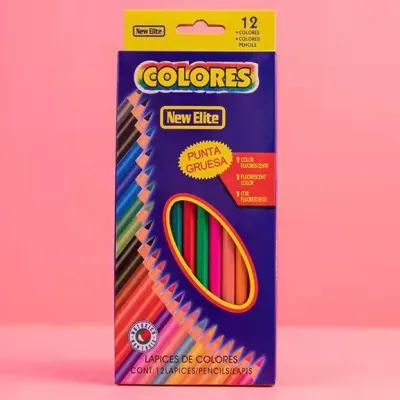
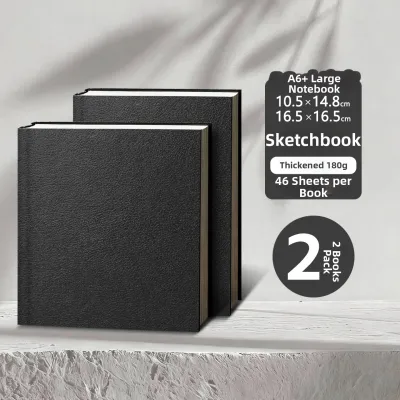
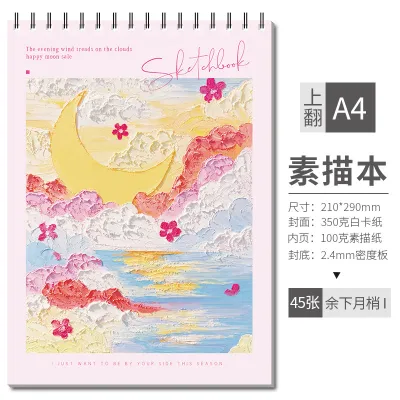
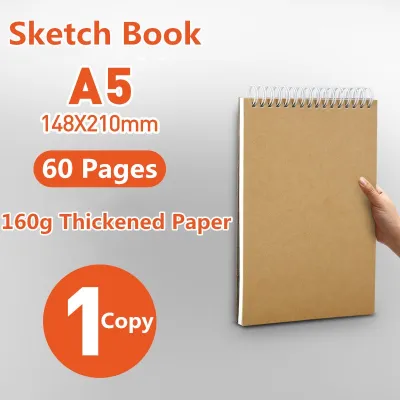
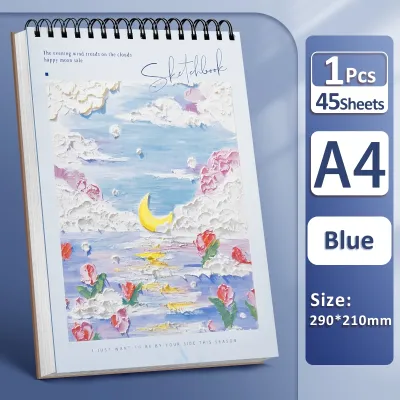
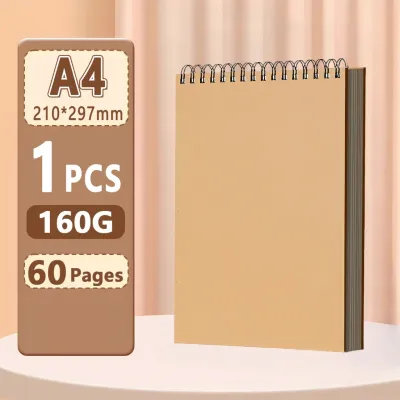
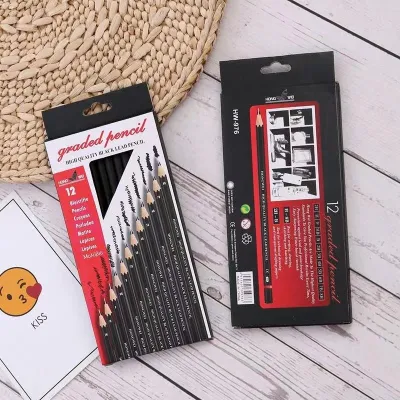
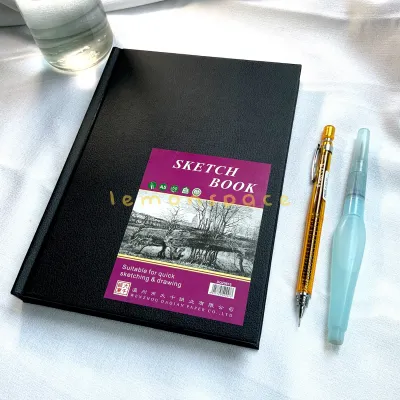
Prices are valid at publication and may change. Please refer to the product page for the latest price.
Your physical drawing technique also dictates the type of paper you need. If you tend to apply heavy pressure, build up multiple layers of color, or rely on frequent erasing to refine your highlights, you require a highly durable surface. A delicate paper will quickly pill or tear under the friction of a firm eraser. Conversely, if your style involves light, rapid sketching with minimal correction, a lighter and smoother sheet may serve you perfectly.
In humid environments, paper fibers naturally absorb ambient moisture from the air. This can make dry papers slightly more receptive to smudging, and can cause wet inks to dry more slowly, increasing the risk of accidental smearing. Sizing prevents the paper from acting like a sponge, ensuring that your ink lines remain sharp and your graphite does not sink too deeply into the softened fibers.
Match Paper Weight to Prevent Bleed-Through and Tearing
Paper weight is one of the most critical specifications to check when selecting a sketchbook for drawing. In the stationery world, paper weight is typically measured in grams per square meter (GSM) or pounds (lbs). This measurement indicates the density and thickness of the paper. Understanding these numbers helps you predict how a sketchbook will handle your preferred tools before you make a purchase.

Lightweight papers, ranging from 50 GSM to 100 GSM, are standard for quick sketching, tracing, and dry graphite work. These sheets are relatively thin and are highly susceptible to buckling if exposed to moisture. If you attempt to use wet inks, watercolor washes, or solvent-based markers on lightweight paper, the liquid will quickly saturate the fibers, causing the paper to warp, wrinkle, or tear. Additionally, heavy erasing on thin paper can easily stretch or puncture the sheet.
Medium-weight papers, typically between 100 GSM and 150 GSM, offer a versatile middle ground. They can easily handle heavy graphite shading, colored pencils, and light ink work without tearing. However, they may still show some “ghosting”—where the drawing on one side of the page is visible on the reverse side—especially when using dark inks or markers.
Heavyweight papers, measuring 160 GSM to 300 GSM or more, are designed for demanding applications. These thick sheets can absorb significant amounts of water or solvent without warping or bleeding through to the next page. They are highly recommended for alcohol markers, heavy ink washes, and multi-layered mixed-media projects where the paper must withstand intense physical manipulation.
Select the Right Texture and Tooth for Pigment Pickup
The texture of a paper, often referred to as its “tooth,” describes the physical roughness of the surface. Tooth is the microscopic valley-and-peak structure of the paper fibers. This texture plays a vital role in how pigments are transferred from your drawing tool to the page. Without the correct amount of tooth, certain mediums cannot adhere properly, while others may become difficult to control.
Dry pigments, such as charcoal, graphite, and soft pastels, require a paper with a noticeable tooth to scrape the pigment off the pencil or stick and hold it in place. When you draw with charcoal on a smooth surface, the pigment has nothing to cling to, resulting in weak values, poor layering, and excessive smudging. A medium to rough texture allows you to build up deep, rich darks and blend smoothly, as the paper valleys trap the loose particles.
Conversely, wet mediums like fine-liners, dip pens, and alcohol markers perform best on smooth surfaces. Smooth papers, often labeled as “hot press” or “smooth finish,” allow pen nibs to glide effortlessly across the page without catching or skipping. This lack of texture ensures clean, crisp lines and prevents fine-liner tips from wearing down prematurely. Smooth paper also allows marker ink to distribute evenly, facilitating seamless color transitions and minimizing streakiness.
If you are a beginner, starting with a medium-texture (cold-press) sketchbook is often the safest choice, as it allows you to experiment with both dry and wet mediums without committing to an extreme surface finish.
Choose a Binding and Format That Fits Your Workflow
The physical construction of a sketchbook significantly impacts your daily drawing experience. Sketchbooks generally come in three main binding styles: spiral-bound, glue-bound, and hardbound. Each style offers distinct advantages depending on whether you prefer to draw at a dedicated desk or on the go.
Spiral-bound sketchbooks are highly practical for artists who value flexibility. They can be folded completely in half, allowing you to work on a single page while saving desk space or holding the book easily in your lap. This binding style is excellent for quick studies and outdoor sketching. However, the metal or plastic coils can sometimes get in the way of your hand, especially if you are drawing near the inner edge of the page.
Hardbound sketchbooks offer a classic, book-like feel and provide excellent protection for your artwork. They are highly durable and stack neatly on shelves. Many high-quality hardbound sketchbooks are designed to lay completely flat when opened, allowing you to draw seamless double-page spreads. Glue-bound sketchbooks, on the other hand, allow for easy page removal, making them ideal if you prefer to work on a flat, detached sheet or wish to frame your finished pieces.
Beyond binding, consider the paper orientation and page features. Landscape orientation is well-suited for wide panoramic scenes, while portrait orientation is standard for figure drawing. If you frequently scan your artwork, look for sketchbooks with micro-perforated pages. These perforations allow you to tear out sheets cleanly without leaving ragged edges, preserving the standard dimensions of the paper for easy framing or portfolio storage.
Test the Paper Before Committing to a Full Sketchbook
Because paper performance depends heavily on the specific formulation of your inks, markers, and pencils, it is wise to conduct a few simple tests before starting a major project. Most sketchbooks have a blank test page at the very back, or you can use the extreme margins of the first page. These quick trials will save you from ruining a drawing due to unexpected paper behavior.
Begin by testing for bleed-through and feathering. Apply your wettest ink or heaviest alcohol marker in a small patch. Observe the back of the page to see if the pigment penetrates the paper fibers. At the same time, look closely at the edges of your ink lines; if the ink spreads outward like a spiderweb, the paper is too absorbent or lacks the proper sizing to handle wet mediums cleanly.
Next, evaluate the paper’s durability under friction. Draw a small patch of dark graphite or colored pencil, then use your standard eraser to clear a section. Check if the paper surface begins to pill, lift, or tear. If the paper fibers rough up easily, you will need to adjust your technique by using a lighter touch or switching to a kneaded eraser that lifts pigment without abrasive scrubbing.
Finally, assess the paper color under your typical working light. Sketchbook papers range from bright, optical white to warm cream and cool gray tones. Bright white paper provides the highest contrast for deep black inks, but it can sometimes feel harsh under bright sunlight. Cream-toned paper offers a softer, more classic look and reduces eye strain during long drawing sessions, though it may slightly alter the appearance of transparent marker colors.
Frequently Asked Questions (FAQ)
Can I use one sketchbook for all drawing mediums?
While mixed-media sketchbooks are designed to handle a variety of tools, they represent a compromise. These papers typically feature a medium weight and a moderate tooth, allowing them to accept light washes of paint, ink, and dry graphite. However, they may not deliver the absolute best results for highly specialized techniques. For instance, alcohol markers will still consume more ink on a textured mixed-media sheet than on a dedicated smooth marker paper, and heavy charcoal work may still require a rougher tooth for optimal layering. If you specialize deeply in one medium, a dedicated sketchbook is usually more practical.
Does paper color affect my drawing?
Yes, the color of your paper sets the baseline contrast for your entire artwork. Bright white paper reflects the maximum amount of light, making it ideal for high-contrast ink drawings and vibrant colored pencils. Cream or off-white papers soften the overall look, reducing harsh contrasts and giving drawings a warmer, more organic feel. Toned papers, such as gray or tan, allow you to work from a mid-tone baseline. On toned paper, you can use white charcoal, gel pens, or light pastels to draw highlights directly onto the page, creating a dramatic three-dimensional effect that is impossible to achieve on standard white paper.

Community discussion
Share your experience or ask a question. Comments are reviewed before publication.