
A small pencil offers portability, ergonomic comfort for young hands, and precise control for intricate tasks. Choosing the right one depends on matching the pencil’s length, barrel shape, and lead type to your specific environment. Whether you need a pocket-sized tool for a travel journal, a thick triangular pencil for a child learning to write, or a fine-lead mechanical pencil for detailed sketching, understanding key specifications ensures a reliable writing experience.
In tropical climates like the Philippines, factors such as high humidity can affect wood-cased pencils and paper texture, making the choice of lead and casing material even more critical. By evaluating your daily writing habits and storage setups, you can find a compact writing instrument that performs consistently without taking up unnecessary space.
Defining "Small" and Key Pencil Specifications
Standard pencils typically measure around 17.5 centimeters in length. Small pencils generally fall into two categories: pocket-sized options that measure between 10 and 12 centimeters, and golf or mini pencils that are often under 9 centimeters. Before purchasing, measure the pocket, planner loop, or small pouch where you intend to store the pencil to ensure a secure fit.
Products mentioned in this guide
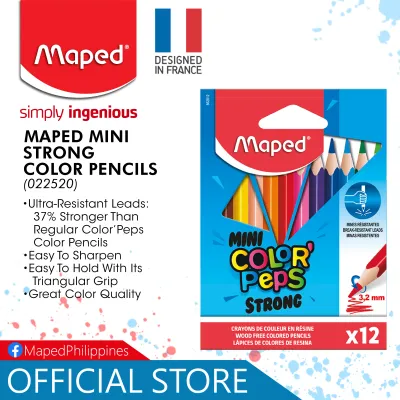
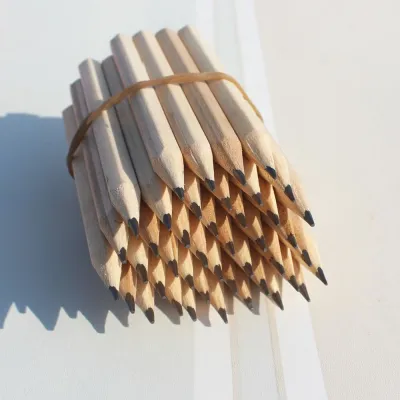
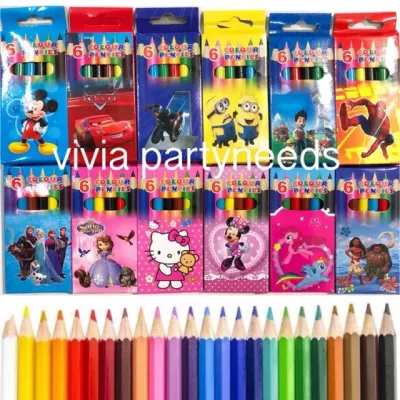
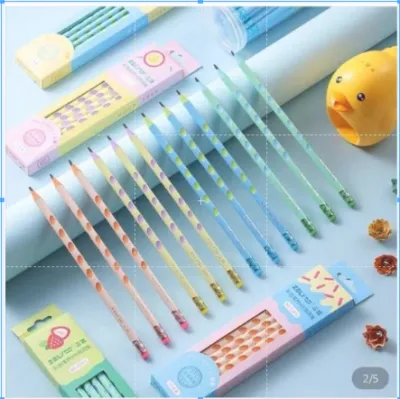
Prices are valid at publication and may change. Please refer to the product page for the latest price.
Lead hardness and thickness indicators are printed directly on the pencil casing and greatly influence the writing feel. The standard HB scale indicates a balance of hardness and blackness. Harder leads, such as H or 2H, produce lighter, thinner lines and hold their point longer, which is ideal for technical layouts. Softer leads, such as B, 2B, or 4B, offer a darker, smoother laydown that requires less hand pressure but needs more frequent sharpening.
Structural differences between wood-cased and mechanical mechanisms in compact formats also dictate usability. Wood-cased small pencils are lightweight, highly durable, and free from mechanical parts that can fail, though they require a separate sharpener. Compact mechanical pencils maintain a consistent length and do not require sharpening, but they rely on internal clutch mechanisms that can jam if exposed to dust, pocket lint, or moisture.
Evaluating Small Pencils for Travel and Portability
For travel, a pencil must fit securely inside a passport holder, a small pouch, or a pocket planner without protruding. A weight of under 10 grams prevents the pencil from dragging down lightweight fabrics or notebook covers. Look for slim profiles that slide easily into narrow pen loops without stretching the elastic.

Travel exposes stationery to drops, pressure, and vibrations during transit. For wooden options, look for pencils with SV-bonded leads, where the graphite core is glued along the entire length of the wood casing to prevent internal shattering when dropped. For mechanical options, a metal or high-density plastic barrel provides better protection for the internal components during bumpy commutes.
Exposed pencil tips can easily snap during transit, and loose graphite can smudge the interior of your bag or planner. A dedicated metal or plastic cap protects the point and keeps your belongings clean. Alternatively, retractable mechanical pencils with a fully sleeve-retracting tip prevent the metal pipe from bending or puncturing your pockets when not in use.
Selecting Ergonomic and Safe Small Pencils for Kids
Children developing their fine motor skills often struggle with standard, thin hexagonal pencils. A small pencil with a thicker, triangular barrel naturally guides fingers into a comfortable tripod grip. The shorter length also prevents the back of the pencil from weighing down the hand, allowing for better control and less hand fatigue.
Always check the packaging for safety certifications, such as EN71 or AP non-toxic seals, to ensure the paint, wood, and lead are safe for children. Since young children may occasionally chew on their writing instruments, verifying these non-toxic labels is a crucial step before introducing any new stationery into the classroom or home.
Children tend to apply heavy pressure when learning to write, which leads to frequent tip breakage and frustration. Selecting a pencil with a thicker lead core, such as 3 millimeters or wider, and a softer grade like 2B allows them to make clear, dark marks with minimal effort. This break-resistant design helps build writing confidence without constant interruptions for sharpening.
Choosing Small Pencils for Detailed Work and Sketching
For detailed drawing, drafting, or fine writing, the balance of the pencil is crucial. A small pencil that is too light can feel unstable, while one with an overly heavy grip can cause hand fatigue during long sessions. Look for a low center of gravity, which helps stabilize your hand for precise, controlled strokes.
Fine details require a lead that holds a sharp point without crumbling under slight pressure. Harder grades like H or F are excellent for light guidelines and technical layouts. If you need to transition to shading in small areas, a compact mechanical pencil with 0.3 mm or 0.5 mm lead in an HB or B grade provides consistent line widths without the need for constant sharpening.
If you prefer using a wooden pencil for sketching, the wood quality matters. High-quality cedar shaves smoothly, allowing you to achieve a needle-sharp point without splintering. Ensure your sharpener blade is sharp to avoid fracturing the delicate lead of a small-diameter pencil during preparation.
Cross-Scenario Compatibility and Care
While it is tempting to buy one small pencil for all tasks, a single tool rarely excels everywhere. A thick, soft-lead triangular pencil designed for a child will be too bulky for a travel planner and too blunt for detailed sketching. Conversely, an ultra-thin 0.3 mm mechanical pencil is too fragile for travel and unsafe for young children.
In humid environments, moisture can warp wood-cased pencils, causing the lead to become misaligned or the wood to split during sharpening. Store your pencils in a dry, cool place, preferably inside a zippered pouch with a small silica gel packet to absorb excess moisture. This simple precaution extends the lifespan of both wooden and mechanical models.
When sharpening small wooden pencils, hold the sharpener firmly and rotate the pencil smoothly without applying downward pressure. For mechanical pencils, regularly clear out any broken lead fragments from the tip sleeve using a cleaning pin to prevent jams. Proper maintenance ensures your compact writing tools remain reliable whenever you need them.
Frequently Asked Questions (FAQ)
Can I use a standard sharpener for all small wooden pencils?
Not all small pencils fit standard sharpeners. While pocket-sized pencils often have a standard 7 mm to 8 mm diameter, some ergonomic children’s pencils are much thicker, measuring around 9 mm to 10 mm. Always check the pencil’s barrel diameter and ensure your sharpener has a matching dual-hole design before attempting to sharpen.
Are mechanical small pencils better than wooden ones for travel?
Mechanical small pencils offer the convenience of not needing a sharpener, making them highly practical for quick notes on the go. However, they are more susceptible to internal jams from dust or sand. Wooden pencils are simpler and more durable, but you must carry a compact sharpener and manage wood shavings, making each option suitable for different travel styles.

Community discussion
Share your experience or ask a question. Comments are reviewed before publication.