
Choosing the right sunflower design fabric—often searched locally as tela sunflower design—requires a thoughtful balance between the visual scale of the print and the physical properties of the textile. Whether you are crafting a breezy summer dress to combat afternoon humidity or sewing durable cushion covers for a sunlit veranda, the base fiber, weight, and drape of the material dictate the success of your project. Matching these elements ensures your finished piece not only showcases the cheerful, vibrant yellow blooms beautifully but also stands up to daily wear and washing.
Define Your Project Structure and Functional Needs
Before purchasing your fabric, clearly define the structural demands and environmental conditions your finished item will face. A garment designed for daily outdoor wear in a tropical climate requires vastly different characteristics than a decorative indoor accent. For instance, a structured A-line skirt needs a fabric with inherent body and stiffness to hold its shape, whereas a tiered maxi dress demands a fluid, lightweight material that moves effortlessly with the breeze.
Opacity is another critical factor to evaluate early in your planning. Lightweight fabrics with bright sunflower prints can sometimes be semi-sheer when held up to the light, requiring a lining or a change in garment design. If you are sewing apparel for warm, humid weather, prioritizing breathability and moisture absorption is essential to ensure comfort throughout the day. Choosing a weave that allows air circulation prevents the fabric from clinging uncomfortably to the skin when temperatures rise.
Products mentioned in this guide
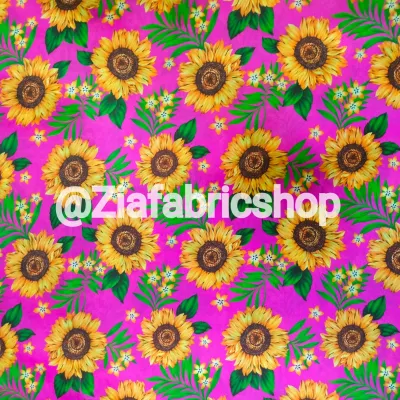
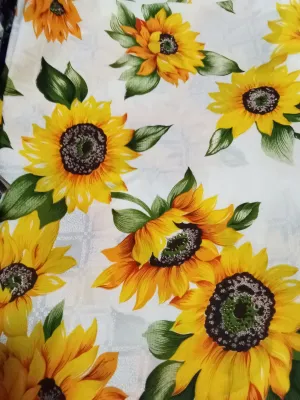
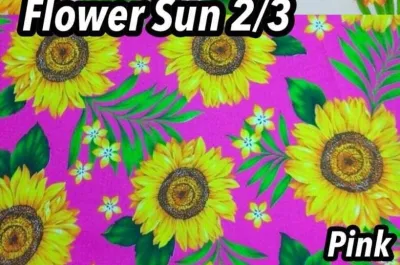
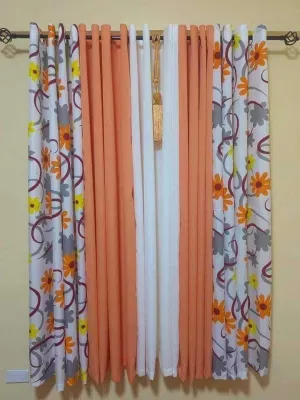
Prices are valid at publication and may change. Please refer to the product page for the latest price.
For home decor projects, such as throw pillows, table runners, or curtains, durability and lightfastness take precedence over soft drape. Sunlight streaming through windows can gradually fade printed designs, so selecting a robust weave that resists UV degradation is key. By analyzing these functional requirements first, you narrow down the vast array of textile options to those that will truly perform well in their intended environment, ensuring your hard work lasts for years.
Compare Base Materials and Their Sewing Properties
The fiber content of your fabric serves as the foundation for how it behaves under the sewing machine needle and how it feels against the skin. Cotton and cotton blends are highly popular choices for both beginners and experienced sewists working with sunflower prints. This natural fiber offers excellent breathability, absorbs moisture efficiently, and is incredibly easy to cut, press, and sew because it does not slip or stretch excessively during construction. It holds crisp creases, making it perfect for structured garments, patchwork quilts, and home accessories.

Rayon and viscose fabrics elevate sunflower designs with an exceptionally soft, fluid drape that feels cool to the touch, making them ideal for tropical apparel. However, these fibers can be slippery and prone to shifting on the cutting table, requiring extra pins, pattern weights, or even stabilizing sprays during the preparation phase. While they offer unmatched comfort in hot weather, they do require gentle handling and precise stitching to prevent seam distortion.
Linen and linen-blend fabrics bring a rustic, textured charm to sunflower patterns, perfectly complementing the organic, earthy aesthetic of the floral design. Linen is highly breathable and possesses a characteristic crispness that softens beautifully with subsequent washes. While it is prone to natural wrinkling, many appreciate this relaxed look, though blending linen with cotton or viscose can help mitigate excessive creasing while retaining its structural benefits.
Polyester and synthetic blends excel at holding vibrant, saturated colors, ensuring that the bright yellows and deep browns of the sunflower print remain vivid even after multiple wash cycles. These fabrics are highly durable, resist wrinkling, and dry quickly, making them practical for low-maintenance garments and home accessories. The trade-off is that pure synthetics lack the breathability of natural fibers, which can feel warm and humid against the skin during peak daylight hours.
Match Fabric Weight and Drape to Specific Projects
Understanding the relationship between fabric weight and drape is essential for achieving the desired silhouette and functionality in your sewing projects. Lightweight fabrics with a fluid drape, such as voile, chiffon, and light rayon, are perfect for delicate blouses, gathered sundresses, and airy window sheers. These materials allow the sunflower print to flutter and cascade, creating soft, romantic lines that do not add bulk to the wearer’s frame.
Medium-weight fabrics with moderate drape, including cotton poplin, linen, and light canvas, offer a versatile middle ground. These materials are sturdy enough to support structured details like collars, button plackets, and pockets, making them excellent for tailored shirts, casual shorts, and decorative pillow covers. They provide enough body to showcase the sunflower pattern clearly without sagging, while remaining comfortable and easy to manipulate on standard home sewing machines.
Heavyweight fabrics with a stiff drape, such as heavy cotton duck, canvas, and upholstery-weight synthetics, are reserved for projects requiring maximum durability and structure. If you are sewing tote bags, seat cushions, or heavy drapery, these thick textiles ensure the sunflower design remains flat, prominent, and resistant to wear and tear. Their stiffness prevents the fabric from collapsing under weight, preserving the clean lines of utility items.
To accurately assess these qualities before committing to a large purchase, always utilize fabric swatches or carefully read the manufacturer’s specifications. If shopping online, look for the fabric’s weight listed in grams per square meter (GSM) or ounces per square yard. A simple pinch test—where you drape a corner of the fabric over your hand—can quickly reveal how the material folds, falls, and responds to gravity, helping you visualize the final drape of your project.
Inspect Print Quality and Prepare the Fabric
Once you have selected your fabric, a thorough inspection of the print quality is necessary before you begin cutting your pattern pieces. Examine the entire length of the yardage for any printing defects, such as color bleeding, ink splatters, or misaligned screens where the yellow petals do not align with the dark centers of the sunflowers. Check the pattern repeat to see how often the design duplicates, as this will influence how you position your pattern pieces to achieve a cohesive look.
Colorfastness is another critical parameter to verify, especially with high-contrast prints like bright yellow sunflowers on dark navy or black backgrounds. To test this, dampen a small scrap of the fabric and rub it against a piece of white scrap cloth; if the dye transfers, the fabric may bleed during washing. Always check the care instructions provided on the fabric bolt or product listing to determine the recommended washing temperature and drying method.
When purchasing fabric locally, budgeting around ₱150 to ₱350 per meter for high-quality cotton or rayon blends ensures you get a durable print that won’t fade instantly. Pre-washing your fabric is an indispensable step that prevents post-sewing shrinkage from ruining your hard work. Natural fibers like cotton, linen, and rayon can shrink significantly during their first exposure to water and heat. Wash and dry the entire cut of fabric using the exact settings you plan to use for the finished item, then press it thoroughly to remove any wrinkles or distortions before laying out your pattern.
If you discover significant print misalignment, structural flaws, or severe color bleeding during your initial inspection, stop immediately and consult the seller or manufacturer. Cutting into the fabric usually voids any return policies, so addressing these issues beforehand ensures you do not waste your investment on defective material.
Frequently Asked Questions (FAQ)
How do I calculate the yardage needed for a large sunflower pattern repeat?
Working with large, bold sunflower prints requires careful planning to ensure the floral motifs align beautifully across seams and focal points. Start by measuring the vertical and horizontal pattern repeat length, which is often listed in the product specifications or can be measured directly from the fabric edge. As a general rule, add one full pattern repeat length of extra fabric for every major garment section—such as the front, back, and sleeves—to allow for precise matching. Laying out your pattern pieces in a single direction rather than nesting them will prevent the sunflowers from appearing upside down on different parts of your finished project.
What needle and thread should I use for lightweight sunflower rayon?
Sewing lightweight sunflower rayon requires delicate tools to prevent snagging, pulling, or punching holes in the fluid fibers. Refer to the manufacturer’s guidelines or use a fine, sharp needle, such as a size 70/10 or 80/12 Universal or Microtex needle, which easily pierces the woven threads without causing damage. Pair this with a high-quality, lightweight polyester thread that offers excellent strength and flexibility for fluid garments. Always test your stitch length, tension, and needle choice on a small scrap of the same fabric first, adjusting your machine settings until the seams lie perfectly flat without puckering.

Community discussion
Share your experience or ask a question. Comments are reviewed before publication.