
The best transparent file bag for exam season is one that strictly complies with your school’s transparency guidelines, fits standard local paper sizes like A4 or Long/F4 without folding, and features a durable, water-resistant material to protect your reviewers from sudden tropical downpours during your daily commute.
Understanding School Exam Rules for Transparent Bags
Many universities and high schools in the Philippines enforce strict “clear bag” policies during midterms and finals to prevent academic dishonesty. Before purchasing any stationery organizer, check your student handbook or course syllabus for specific wording regarding exam-compliant storage. Some schools specify “completely colorless and transparent,” while others allow tinted plastics as long as the contents remain fully visible to the proctor from a distance.
Look out for prohibited features that might cause a proctor to reject your bag at the classroom door. These often include opaque borders, thick colored fabric piping, hidden inner pockets, or large printed logos that obscure the view of the papers inside. If your bag has a small opaque section, it is best to use it only for non-exam items like keys or coins, keeping all review sheets in the fully clear compartment.
Products mentioned in this guide
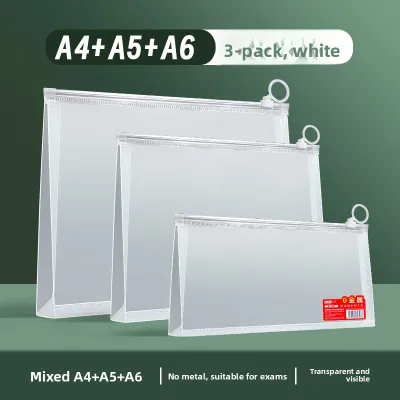
![[🇵🇭 Stock&COD] Large Capacity Office Supplies Transparent File Bag Transparent PVC Test Handbag](https://img.lazcdn.com/g/p/7e03af9ab1475023231f245f7ef7f767.jpg_400x400q80.jpg_.webp)
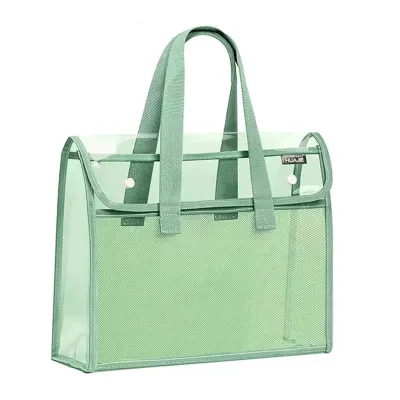
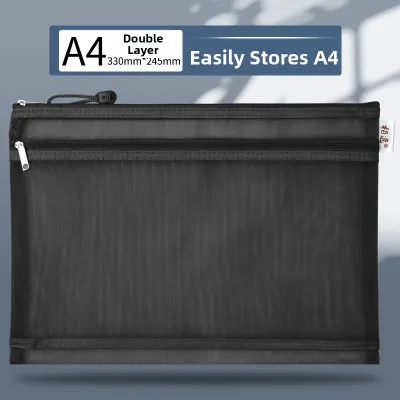
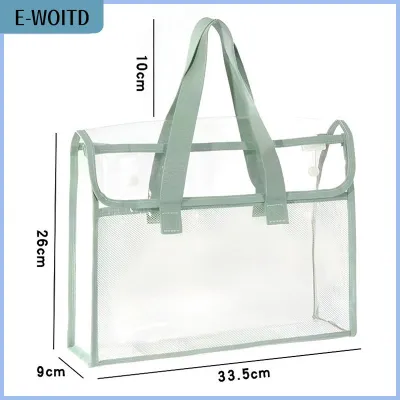
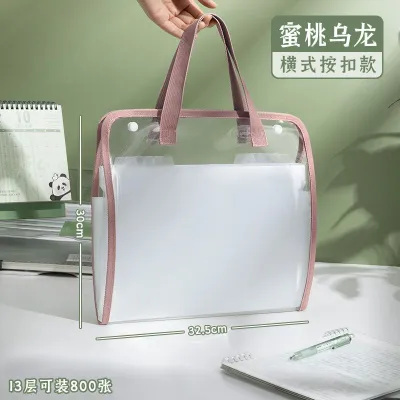
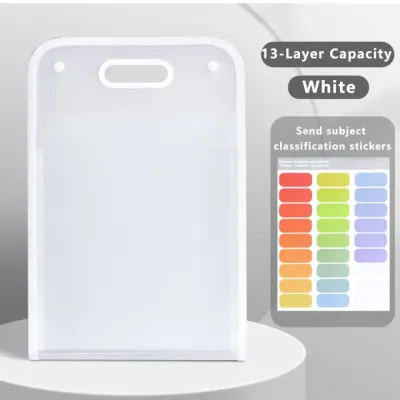
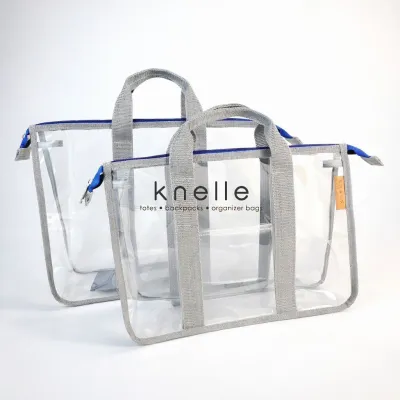
Prices are valid at publication and may change. Please refer to the product page for the latest price.
Verify the allowed dimensions to ensure the bag fits properly under or beside standard exam desks. Philippine classrooms often feature compact wooden armchairs or narrow desk slots where space is highly limited. A bag that is too bulky or rigid might not fit in these tight spaces, forcing you to leave your bag at the front of the classroom, which defeats the purpose of keeping your permitted stationery close at hand.
Key Features to Check for Exam and Daily Commute Use
When selecting a transparent file bag, matching the bag’s dimensions to standard paper sizes is crucial. In the Philippines, school handouts, exam permits, and test papers are typically printed on Letter, A4, or Long bond paper (often referred to as F4 or Folio, measuring 8.5 x 13 inches). A standard A4 file bag will easily hold reviewers, but if your school frequently uses long bond paper, you must verify that the bag’s internal dimensions accommodate the extra length without bending the corners of your documents.

Assessing material thickness and seam reinforcement is essential to prevent tearing under the weight of heavy booklets and stationery. Look for heavy-duty polyvinyl chloride (PVC) or polypropylene (PP) that resists creasing and holds its shape when packed inside a larger backpack. Check the seams carefully; heat-sealed edges are generally more water-resistant, while stitched fabric edges offer better flexibility but may absorb moisture during a heavy downpour.
Comparing closure types helps you balance security during transit with quiet operation in the exam hall. Zipper closures are highly secure for transit but must operate smoothly and quietly to avoid disrupting a silent exam room. Snap buttons are quick to open but can fail if the bag is overstuffed, while Velcro is durable but makes a loud ripping sound that might draw unwanted attention during a quiet test.
Observing water resistance and surface wipeability is a must for commuting in varied weather conditions. Commuting via jeepneys, tricycles, or walking under the unpredictable Philippine weather means your bag must act as a shield. A fully sealed plastic surface allows water droplets to slide off easily, keeping your precious review notes dry even when the humidity is high or sudden rain showers occur.
Organizing Review Materials and Test Papers
Since most exam policies require a single, undivided transparent compartment, you cannot rely on opaque multi-pocket accordion folders. Instead, use thin, transparent color-coded plastic sleeves or colored sticky index tabs to separate subjects. This keeps your notes organized while keeping everything visible to exam proctors, ensuring you do not violate any transparency rules.
Avoid overstuffing your transparent file bag to prevent stress on the seams and zipper tracks during daily use. Packing heavy textbooks alongside your loose sheets can stretch the plastic and cause the zipper teeth to misalign. Keep only your essential review sheets, exam permits, and required writing instruments inside the bag to maintain its structural integrity.
Protecting delicate review sheets with rigid backing boards is highly recommended if the selected bag material is too flexible. If your transparent bag is made of thin plastic, your papers can easily crumple inside your school backpack. Sliding a single, clean, transparent plastic clipboard or a rigid piece of clear plastic backing inside the bag provides a firm writing surface and keeps your exam permits pristine.
Where to Buy and What to Verify Before Checkout
You can find these bags in local high street stationery stores or major department stores, which are widely available and budget-friendly options for students. Alternatively, online marketplaces offer a wider variety of colors and bulk options. Comparing the ability to physically inspect transparency and zipper smoothness in local stores versus checking return policies on e-commerce platforms is key to getting a quality product.
Inspecting the clarity of the plastic is essential to ensure text is easily readable through the surface without distortion. If buying in-store, hold the bag up to the light to check for cloudiness, scratches, or manufacturing bubbles that might reduce transparency. When shopping online, read customer reviews specifically looking for mentions of plastic clarity and overall material quality.
Testing the closure mechanism and seam strength immediately upon receipt helps identify manufacturing defects before exam day. Run the zipper back and forth several times to ensure it does not catch on the plastic lining, and gently tug at the corners to verify the seams are secure. Doing these quick checks ensures your bag will not fail you when you need it most.
Frequently Asked Questions (FAQ)
Can I use a standard transparent zipper pouch instead of a dedicated file bag?
Standard pencil pouches are often too small to hold full-sized A4 or long bond papers without folding them multiple times. While a small pouch is excellent for pens, erasers, and calculators, a dedicated transparent file bag is necessary to keep your exam sheets, reviewers, and permits flat and readable. Always check if your school allows both or requires separate transparent containers for stationery and papers.
How do I clean cloudy or smudged transparent plastic without damaging it?
Over time, transparent plastic can collect oil from your hands, dust, or ink transfers from printed reviewers. To clean it, mix a few drops of mild dishwashing soap with lukewarm water. Dip a soft microfiber cloth into the mixture, wring it out thoroughly, and gently wipe the plastic surface. Avoid using rubbing alcohol, acetone, or abrasive scrubbing pads, as these can permanently cloud, scratch, or melt the plastic. Let the bag air-dry completely in a shaded, well-ventilated area before placing any paper inside to prevent moisture from warping your notes.

Community discussion
Share your experience or ask a question. Comments are reviewed before publication.