
Selecting the perfect wrapper for a flower bouquet is a balancing act between physical protection and visual storytelling. The ideal wrapping material does not merely cover the stems; it manages moisture, provides structural support, and creates an aesthetic frame that elevates the natural beauty of the blooms. In tropical climates like the Philippines, where high humidity and warm temperatures can accelerate petal wilting and stem softening, choosing the right wrapper is even more critical. By understanding how different materials interact with water, weight, and light, you can ensure your floral arrangements remain fresh, secure, and visually striking from the moment they are assembled to their final display.
How to Match Wrapping Paper to Your Flower Type
Before selecting a wrapper, you must evaluate the physical characteristics of the flowers you are arranging. Heavy, thick-stemmed blooms such as sunflowers, hydrangeas, or large local orchids require a wrapping material that offers substantial structural support. If the paper is too thin or flexible, the weight of the flower heads will cause the bouquet to bend, buckle, or lose its shape during transport. Conversely, delicate or slender-stemmed flowers like baby’s breath, tulips, or local jasmines require a gentler touch; heavy papers can crush their fragile stems or crowd out their soft, airy presentation.
Moisture management is another vital factor to consider, especially when dealing with wet stems in warm environments. Some flowers require constant hydration and must be wrapped with a damp cloth or water gel at the base, while others are highly sensitive to trapped condensation, which can lead to petal rot or fungal growth. For instance, roses and carnations benefit from breathable outer layers that allow air circulation while keeping the stem ends securely hydrated.
Products mentioned in this guide
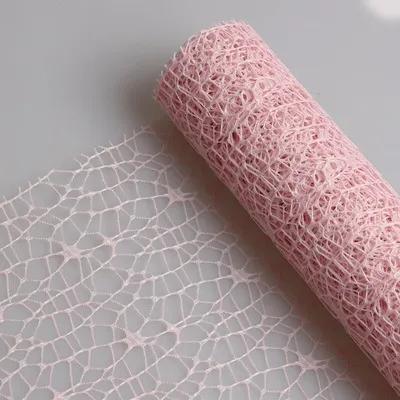
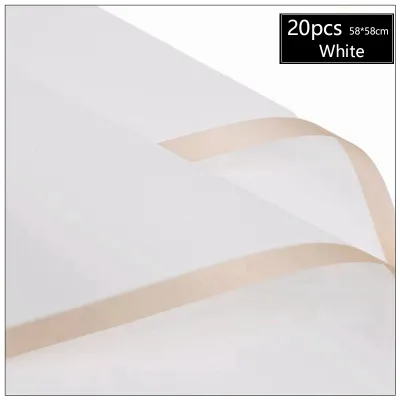
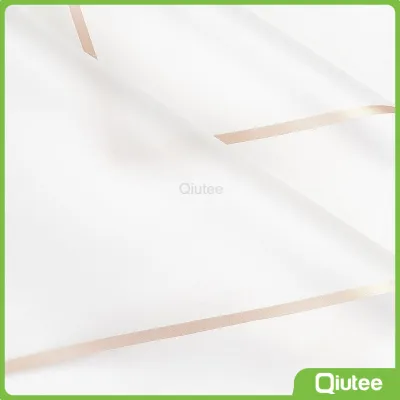
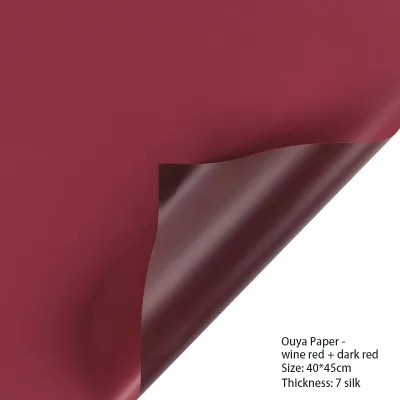

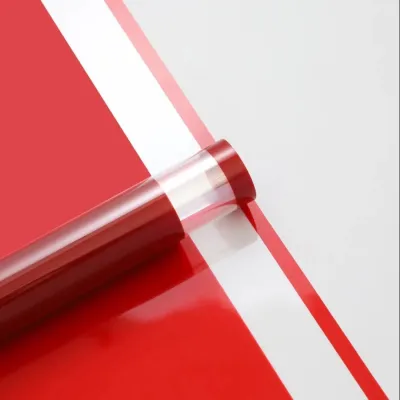
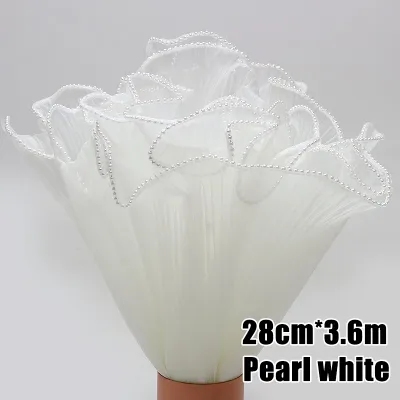
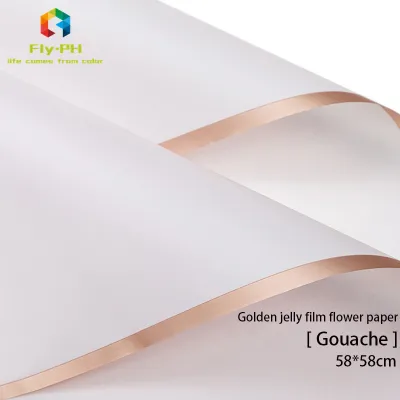
Prices are valid at publication and may change. Please refer to the product page for the latest price.
You must also assess the visual weight and color palette of your blooms. Vibrant, multi-colored arrangements are often best complemented by neutral, matte wrappers that ground the design, whereas monochromatic or pale bouquets can be enhanced by textured, frosted, or subtly tinted papers that add depth without overpowering the flowers.
Comparing Popular Bouquet Wrapper Materials
The floral industry relies on a diverse selection of wrapping materials, each offering distinct physical properties, textures, and functional benefits. The four most common categories are kraft paper, cellophane, tissue paper, and Korean-style frosted paper. Selecting among these options requires analyzing how their unique characteristics align with your bouquet’s structural needs and aesthetic goals.

Your choice of material directly impacts both the longevity of the flowers and the overall presentation of the gift. A poor match can result in soggy, torn paper, bruised petals, or a collapsed arrangement. By comparing the strength, water resistance, and finish of these popular wrappers, you can make an informed decision that keeps your flowers fresh and beautifully framed.
Kraft Paper for Rustic and Sturdy Arrangements
Kraft paper is the traditional choice for rustic, vintage, or minimalist floral designs. Made from wood pulp, this material is highly valued for its exceptional strength and rigidity, making it ideal for heavy, long-stemmed flowers that require a solid, self-supporting base. When shopping for kraft paper, check the product label for its weight or thickness, typically measured in grams per square meter (GSM). A higher GSM indicates a thicker, more tear-resistant paper that can easily support the weight of dense bouquets without buckling or tearing when tied tightly with twine.
The natural brown or muted color of kraft paper provides an excellent neutral background that makes the vibrant colors of green foliage and bright petals pop. Its completely opaque, matte finish absorbs light rather than reflecting it, creating a warm, organic aesthetic. However, because standard kraft paper is highly absorbent, it will quickly weaken and tear if it comes into direct contact with wet stems. To prevent this, always pair kraft paper with a waterproof inner liner or ensure the stem ends are thoroughly sealed before wrapping.
Cellophane for Moisture Retention and Protection
Cellophane is a classic, highly functional wrapping material known for its excellent water resistance and high transparency. It is the go-to choice for water-heavy arrangements or bouquets that must travel long distances in warm weather, as it effectively traps moisture around the stems while protecting the outer layers from water damage. When purchasing cellophane, verify that it is labeled as floral-grade or food-safe to ensure it does not contain harmful chemical residues that could leach into the stems and shorten the lifespan of your flowers.
Aesthetically, cellophane offers a high-gloss finish and a crisp, crinkly texture that reflects light, adding a sense of brightness and celebration to the arrangement. It is highly versatile and can be used as a protective outer shield against rain and wind, or as an invisible, waterproof inner barrier beneath more delicate papers. Keep in mind that its high shine and stiff drape may not suit soft, modern, or ultra-matte design preferences, so it is often layered with other materials to balance its glossy appearance.
Tissue Paper for Delicate Blooms and Soft Textures
Tissue paper is a lightweight, highly flexible material that excels at adding volume, softness, and gentle cushioning to floral arrangements. It is particularly recommended for delicate, thin-stemmed, or easily bruised flowers, as its soft texture provides a protective barrier that prevents petals from rubbing against stiffer outer wrappers. Because tissue paper is incredibly easy to fold, pleat, and scrunch, florists frequently use it to fill empty spaces within a bouquet, creating a lush, full appearance with minimal added weight.
When selecting colored tissue paper, it is crucial to check the packaging for bleed-resistance. Standard tissue paper dyes can easily run when exposed to moisture from wet stems or condensation, which can permanently stain light-colored petals, hands, or clothing. To verify bleed resistance before wrapping your final bouquet, perform a quick trial: place a damp paper towel on a small corner of the tissue paper and press down firmly to see if any color transfers. Because tissue paper has very low structural strength and zero water resistance, it should never be used as the sole wrapping layer; always pair it with a stiffer outer wrapper and a waterproof inner liner.
Korean-Style Frosted Paper for Modern and Elegant Looks
Korean-style frosted paper has become incredibly popular in modern floral design due to its elegant, semi-translucent appearance and soft, fabric-like drape. Made from waterproof synthetic materials like polypropylene, this wrapper offers the perfect combination of aesthetic appeal and practical durability. It allows you to create complex, multi-layered wrapping styles with beautiful, soft folds that hold their shape without the harsh, crinkly texture or high shine of traditional cellophane.
When shopping for Korean-style wrappers, look for product descriptions that explicitly state they are waterproof or water-resistant. This ensures the paper will not lose its structure, sag, or tear when exposed to stem moisture or misting. These papers are widely available in a vast array of pastel tones, rich jewel colors, and elegant two-tone or gradient designs. This variety allows for precise color-matching with your flower petals, but it also requires careful planning to ensure the wrapper colors harmonize with, rather than distract from, the natural beauty of the blooms.
Key Features to Check Before Buying Bouquet Wrappers
To ensure a smooth wrapping process and a professional-looking final product, you should evaluate several key specifications before purchasing your materials. First, consider the dimensions and sheet size of the wrapper. Standard pre-cut sheets often measure around 50 by 50 centimeters or 60 by 60 centimeters. You must measure the height and width of your assembled bouquet to ensure the sheets are large enough to wrap around the stems and extend slightly past the blooms without requiring excessive piecing or patching.
Next, verify the water resistance of the material. If you are wrapping fresh flowers with exposed, damp stems, at least one layer of your wrapping setup must be completely waterproof. Check product descriptions for terms like “waterproof coating” or “synthetic polymer base.” Additionally, consider the texture and finish of the paper; choosing between matte, glossy, or frosted finishes will determine the visual contrast and style of your bouquet.
Finally, select the packaging format that best fits your needs. Pre-cut sheets are highly convenient for quick, uniform wrapping, while continuous rolls offer the flexibility to cut custom lengths for exceptionally large or uniquely shaped arrangements. Sleeves are another excellent option for rapid, high-volume wrapping, though they offer less creative freedom in styling. Budget-friendly options that cost only a few ₱ per sheet are widely available on online marketplaces, allowing you to stock up on multiple styles.
Step-by-Step Guide to Wrapping a Bouquet Securely
Wrapping a bouquet securely requires a systematic approach to protect the flowers and maintain the structure of the arrangement during transport. Follow these steps to achieve a clean, professional wrap:
- Prepare the Stems: Begin by trimming the bottom of the stems evenly at a 45-degree angle using sharp, clean floral shears. Use caution when handling sharp blades to avoid injury. Remove any leaves or thorns that will sit below the tie point, as submerged foliage promotes bacterial growth. Secure the stems tightly at their natural binding point using floral tape or a sturdy rubber band to keep the arrangement from shifting.
- Manage the Moisture: To keep the flowers fresh, wrap the cut ends of the stems in a damp paper towel or a small piece of floral foam. Place this wet bundle inside a small plastic bag or wrap it tightly with plastic wrap, securing it with a rubber band to prevent water from leaking onto your decorative paper.
- Layer the Wrappers: Lay your chosen wrapping sheets flat on a clean, dry surface. If you are using multiple materials, place the waterproof or protective layer (such as cellophane or frosted paper) down first, followed by your decorative layers (such as tissue or kraft paper). Position the bouquet diagonally on the sheets, ensuring the top of the paper extends slightly past the flower heads to protect the petals.
- Fold and Secure: Fold the bottom of the paper upward to cover the base of the stems, then fold the sides inward, overlapping them to create a snug, cone-like shape. Gently pleat or gather the paper at the binding point where the stems are tied. Secure the wrapper tightly at this point using floral wire, twine, or a durable ribbon. Ensure the tie is tight enough to prevent the paper from slipping, but be careful not to crush the stems or tear the wrapper.
- Final Inspection: Stand the bouquet upright and inspect the wrap from all angles. Check for any loose edges, exposed wet stems, or gaps where water could leak. Adjust the folds gently to ensure the flowers are beautifully framed and the wrapper remains crisp and dry.
Frequently Asked Questions (FAQ)
Can I use regular gift wrapping paper for flower bouquets?
Standard gift wrapping paper is generally not recommended for fresh flower bouquets because it lacks water resistance. Most traditional gift wraps are made from thin, uncoated paper that quickly absorbs moisture from wet stems or condensation, causing the paper to sag, tear, and lose its structural integrity almost immediately. If you wish to use a specific pattern or design from a standard gift wrap, you must use it strictly as an outermost decorative layer. Ensure it is completely separated from any moisture by a reliable, waterproof inner liner, such as cellophane or a plastic sleeve, to prevent water from reaching the outer paper.
How do I prevent the wrapping paper from getting soggy?
To prevent your wrapping paper from getting soggy, you must isolate the water source at the base of the stems. The most effective method is to insert the stem ends into individual plastic water tubes (floral vials) or to wrap the wet stem bundle securely in a small plastic bag sealed with a rubber band. Always keep the bouquet upright during transport to prevent any trapped water from pooling at the bottom of the wrapper. Additionally, choosing synthetic, waterproof wrapping materials like Korean-style frosted paper for the inner layers will provide an extra barrier of protection against accidental spills or condensation.
How do I know what size wrapper sheet to buy?
To determine the correct wrapper sheet size, measure the total height and maximum width of your assembled bouquet before purchasing your supplies. As a general rule, your wrapping sheets should be at least 1.5 times the width of your bouquet to allow for folding, layering, and pleating. Standard pre-cut sheets measuring 58 by 58 centimeters are highly versatile and fit most medium-sized bouquets. If you are working with exceptionally long-stemmed flowers or large, round arrangements, consider purchasing wrapping paper in continuous rolls so you can cut custom lengths to fit your specific design.

Community discussion
Share your experience or ask a question. Comments are reviewed before publication.