
Selecting the right wrapper for a gift depends on matching the material’s weight and finish to the event’s formality, the recipient’s profile, and the physical shape of the item. For casual birthdays, vibrant patterns or playful textures work best; formal weddings demand premium, heavy-weight papers with subtle metallic or matte finishes; and holiday exchanges benefit from classic motifs or rustic, eco-friendly kraft paper. By selecting the right paper thickness and surface finish, you ensure clean folds that hold their shape without tearing, creating an immediate impression of care and thoughtfulness before the gift is even opened.
Understanding Gift Wrapper Materials and Finishes
Paper weight is measured in grams per square meter (gsm). Lightweight papers (around 50 to 60 gsm) are highly flexible but prone to tearing on sharp box corners. Medium-weight papers (70 to 90 gsm) offer a reliable balance, holding crisp, sharp creases without splitting. Heavyweight papers (100 gsm and above), including luxury textured sheets, provide a premium feel but require strong adhesives to prevent the folds from springing open.
Surface finishes dramatically alter how a gift looks under different lighting. Glossy finishes reflect light brightly, making them excellent for vibrant, high-energy celebrations like children’s birthdays, though they easily show fingerprint smudges and tape lines. Matte finishes absorb light, offering a modern, sophisticated look that hides minor wrapping imperfections. Textured papers, such as embossed or linen-finish sheets, add a tactile dimension that feels luxurious to the touch. Kraft paper provides a rustic, organic aesthetic that pairs beautifully with natural embellishments.
Products mentioned in this guide
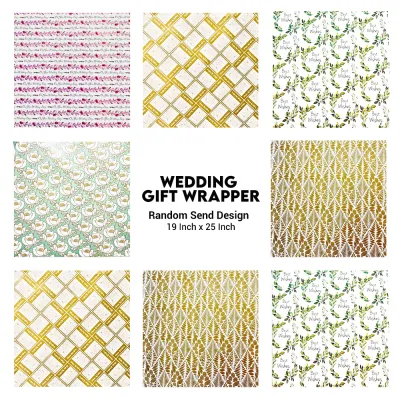
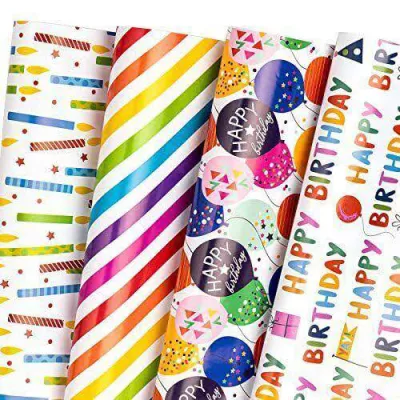
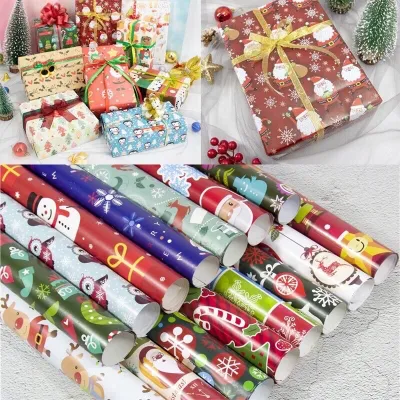

Prices are valid at publication and may change. Please refer to the product page for the latest price.
Adhesive compatibility is another critical factor. Standard clear tape works well on glossy and smooth matte papers but often struggles to adhere to heavily textured, glittered, or wax-coated surfaces. For heavy embellishments, thick ribbons, or textured papers, double-sided tape with a strong adhesive backing or specialized craft glue is necessary to prevent the seams from peeling open in humid tropical climates.
Matching Wrappers to Birthday Celebrations
Birthday celebrations span a wide range of ages and personalities, meaning a single wrapping paper style rarely suffices. For children’s parties, high-energy designs featuring bright primary colors, whimsical illustrations, or playful geometric patterns immediately build excitement. These papers are often glossy and lightweight, designed for easy tearing by eager hands.

Adult birthdays call for a more tailored approach that reflects the recipient’s personal style or hobbies. Minimalist designs, such as monochrome sheets with subtle geometric lines, work exceptionally well for a modern aesthetic. For milestone birthdays—such as an 18th debut or a 50th golden jubilee—incorporating elegant textured papers in deep jewel tones or sophisticated pastels elevates the presentation, signaling the importance of the landmark event.
Coordinating the wrapper with the party’s theme or the recipient’s specific interests adds a deeply personal touch. If the recipient loves gardening, a botanical print or a simple kraft paper wrapped with a sprig of fresh herbs creates a thoughtful connection. For tech enthusiasts or those who prefer clean lines, matte gray or navy paper paired with a metallic silver ribbon offers a sleek, contemporary look.
To complete the birthday presentation, choose ribbons and tags that complement rather than compete with the paper. A busy, multi-colored paper pairs best with a solid, simple satin ribbon, while a plain, solid-colored wrapper can be elevated with a vibrant, patterned bow. Personalized gift tags, written in clear calligraphy or featuring a small hand-drawn detail, serve as an excellent finishing touch.
Selecting Elegant Wrappers for Weddings and Formal Events
Formal events like weddings, anniversaries, and bridal showers demand a level of refinement that standard wrapping paper cannot provide. For these occasions, prioritize premium textures and subtle elegance over loud, high-contrast prints. Tone-on-tone patterns, where the design is printed in a slightly different gloss or shade of the same color, offer a sophisticated depth that looks elegant under reception lighting.
Metallic accents add a touch of luxury without appearing gaudy. Look for papers featuring delicate gold, silver, or rose gold foil detailing, such as fine pinstripes, delicate leaf motifs, or classic damask patterns. The key is restraint; a solid matte cream paper with a thin, elegant gold border often looks far more luxurious than a fully reflective metallic sheet.
Aligning the wrapper’s color palette with the wedding’s official theme or the couple’s registry aesthetic shows meticulous attention to detail. Classic wedding tones include soft ivory, champagne, blush pink, slate gray, and deep navy. If the wedding takes place during a specific season, you can adjust the tones accordingly—using warm, earthy neutrals for autumn celebrations or cool, crisp pastels for springtime events.
Embellishments for formal gifts should be high-quality and carefully applied. Replace standard plastic bows with luxurious satin, silk, or organza ribbons that drape elegantly around the package. For an extra touch of old-world charm, secure the ribbon or a folded paper flap with a personalized wax seal. Adding a small, delicate sprig of dried baby’s breath or a single pressed leaf under the ribbon introduces a beautiful, organic element that complements the formal presentation.
Choosing Festive Wrappers for Christmas and Holidays
The holiday season presents an opportunity to create a cohesive visual display under the Christmas tree. Traditional holiday motifs, such as classic red-and-green plaids, delicate snowflakes, and botanical holly prints, evoke a sense of nostalgic warmth. To keep the display looking organized rather than chaotic, select a unified color palette of three coordinating colors and mix patterns of varying scales.
For those who prefer a modern aesthetic, minimalist holiday wrapping offers a clean and stylish alternative. Solid jewel tones like emerald green, deep burgundy, and sapphire blue in matte finishes look incredibly rich and festive. Alternatively, plain brown kraft paper serves as a versatile canvas that can be dressed up or down, providing a rustic charm that fits beautifully with tropical holiday settings.
Tactile elements are essential for bringing holiday wrapping to life. Pair solid-colored or kraft papers with rich velvet ribbons, rustic jute twine, or cotton cords to add physical warmth. You can also tuck natural accents into the ties, such as small pinecones, cinnamon sticks, or dried orange slices, which add both visual interest and a pleasant seasonal fragrance to the gift.
With the high volume of gift-giving during the holidays, environmental impact is an important consideration. Many commercial wrapping papers feature plastic coatings, glitter, or metallic foils that make them non-recyclable. Opting for uncoated kraft paper, recycled paper printed with soy-based inks, or reusable fabric wraps (such as the Japanese Furoshiki method using linen or cotton cloths) reduces seasonal waste while offering a unique, refined presentation.
Practical Buying and Wrapping Checks
Before purchasing a wrapper for gift projects, taking a few practical measurements will save time and prevent wasted material. To calculate the required width of the paper, wrap a flexible measuring tape around the widest part of the gift box and add about five centimeters for an overlap seam. For the length, ensure the paper extends slightly more than half the height of the box on each open end, allowing for clean, flat triangular folds.
Verifying the paper’s physical quality before wrapping is crucial, especially when dealing with heavy or sharp-edged gifts. Check product specifications for paper weight, aiming for at least 70 to 80 gsm to ensure adequate tear resistance. If you are shopping in person, gently pinch a corner of the roll to test its crispness; high-quality paper should crease sharply without cracking or exposing white fibers along the fold line.
When budgeting for large events or holiday seasons, compare the price per meter rather than simply looking at the price per roll. Rolls sold in local stationery shops or online marketplaces can vary wildly in length, with some premium rolls containing only two meters while bulk rolls offer ten meters or more. Calculating the cost per meter in ₱ ensures you get the best value, especially when purchasing versatile neutral papers in bulk.
Proper storage is essential to protect your wrapping supplies from the humid tropical climate of the Philippines. Moisture can cause paper to warp, wrinkle, or develop mold, while direct sunlight will quickly fade vibrant prints. Store your paper rolls vertically in a tall, breathable container or a dedicated storage bag kept in a cool, dry closet, ensuring they remain pristine and ready for the next celebration.
Frequently Asked Questions (FAQ)
Can I use the same wrapper for both casual and formal occasions?
Yes, highly versatile neutral papers can easily transition between different events simply by changing the accessories. A plain brown kraft paper or a solid matte white sheet serves as a blank canvas. For a casual birthday, you can pair it with a bright neon ribbon and a playful, hand-drawn tag. For a formal wedding, wrap the exact same paper with a wide satin ribbon, a delicate wax seal, and a sprig of dried foliage to instantly elevate the presentation.
How do I wrap awkwardly shaped gifts without tearing the paper?
Wrapping items with irregular shapes, such as plush toys, round bottles, or soft clothing, requires structural support to prevent the paper from puncturing. Placing the item inside a sturdy cardboard box or using a flat piece of heavy cardstock as a backing board provides the clean, straight edges needed for traditional wrapping. Alternatively, you can bypass paper wrapping entirely by opting for high-quality gift bags stuffed with tissue paper, or using reusable fabric wraps that naturally drape over irregular contours without tearing.

Community discussion
Share your experience or ask a question. Comments are reviewed before publication.