
To keep Bluey, Bingo, and the rest of the Heeler family looking vibrant on school gear, choosing the right sticker material is essential. In tropical climates like the Philippines, where high humidity, daily sweat, and frequent washing are the norm, standard paper stickers will quickly turn soggy and peel away. The most reliable waterproof Bluey stickers are made from synthetic materials like vinyl or polyester and finished with a protective laminate coating. These materials ensure that your child’s favorite characters can withstand daily trips to school, accidental spills, and regular cleaning without fading or lifting.
Understanding Waterproof Sticker Materials and Finishes
Paper stickers, even those labeled as water-resistant, only have a thin surface coating that eventually succumbs to moisture. Once water penetrates the paper backing, the adhesive fails, and the printed design begins to bleed or tear. Truly waterproof stickers utilize synthetic bases like vinyl (polyvinyl chloride) or polyester (PET). These plastic-based materials do not absorb water, allowing them to maintain their structural integrity even when fully submerged.
A key element of a durable sticker is the protective laminate layer. This clear top coat shields the printed ink from UV rays, friction, and moisture. Without a laminate, the printed Bluey design can easily scratch off during normal handling or fade under the hot sun. When shopping, look for terms like UV-resistant laminate, matte finish laminate, or glossy protective seal in the product specifications.
Products mentioned in this guide
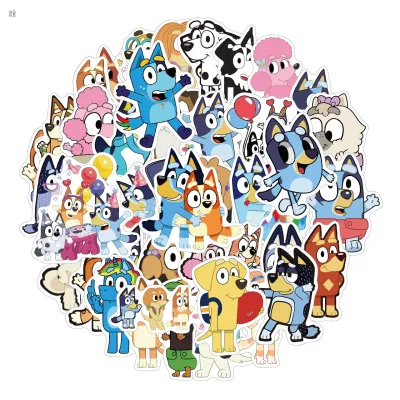
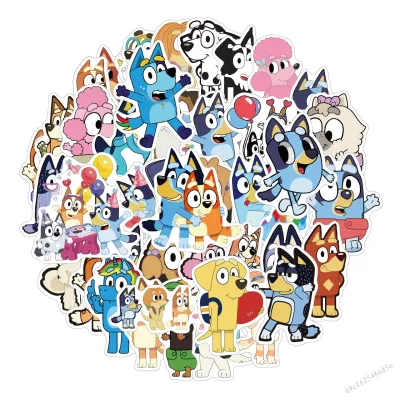
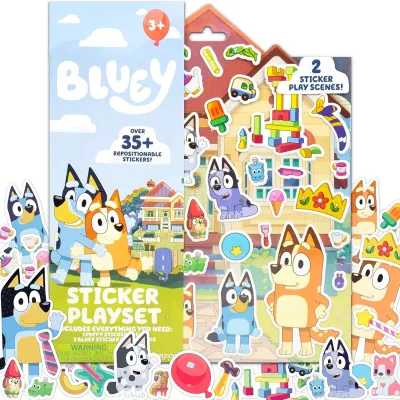
Prices are valid at publication and may change. Please refer to the product page for the latest price.
Carefully read the product descriptions on packaging or online listings before purchasing. Look for explicit mentions of vinyl, waterproof adhesive, or laminated finish. Avoid listings that only use vague terms like glossy paper or water-resistant if you plan to use the stickers on items that require regular washing. Checking these material specifications beforehand ensures you select stickers built for long-term durability.
Matching Stickers to Everyday School and Lunch Gear
Water bottles and tumblers present unique challenges due to their curved surfaces and constant handling. For stainless steel or plastic tumblers, choose highly flexible vinyl stickers. Rigid stickers will struggle to conform to tight curves, leading to immediate edge lifting. The adhesive must be strong enough to withstand the expansion and contraction of the bottle when filled with cold water, especially when condensation forms rapidly on the outer surface.

Lunch boxes and bento containers often feature textured plastic surfaces that make adhesion difficult. For these items, look for stickers with high-tack adhesives designed specifically for textured plastics. Additionally, lunch boxes are exposed to food oils and varying temperatures. A premium vinyl sticker with a chemical-resistant laminate will prevent oils from breaking down the adhesive or smudging the colorful Bluey illustrations.
For school supplies like folders, pencil cases, and notebooks, friction is the primary enemy. While these items might not face direct water immersion, they experience constant rubbing against books and the inside of backpacks. A laminated sticker prevents the edges from curling due to friction. If you plan to label school supplies that might be updated next school year, consider removable vinyl stickers that offer a balance of strong daily adhesion and residue-free removal.
How to Apply and Care for Stickers on Daily Items
Proper application is just as important as material quality for ensuring sticker longevity. Start by cleaning the surface of the water bottle or lunch box thoroughly. Use mild dish soap and warm water to remove any dirt, dust, or manufacturing oils. Ensure the surface is completely dry and free of oily residues before proceeding, as any trapped moisture or oil will prevent the adhesive from bonding correctly.
Carefully peel the sticker from its backing, holding it by the edges to avoid transferring oils from your fingers to the adhesive. Place one edge of the sticker down first, then slowly smooth it out using a flat tool like a clean plastic card or your thumb. Work from the center outward to push out any trapped air bubbles. Pay extra attention to the outer edges, pressing them down firmly to create a tight seal against moisture.
To maximize the lifespan of your Bluey stickers, hand-wash decorated items instead of placing them in a machine. Even if a sticker is labeled dishwasher-safe, the intense heat, high-pressure water jets, and harsh detergents used in dishwashers can prematurely degrade the adhesive and cause the edges to curl. A gentle hand-wash with a soft sponge and mild soap will keep the designs looking bright and intact for much longer.
Where to Find Authentic and Durable Bluey Stickers
To ensure you are getting genuine, high-quality stickers, purchase from official brand stores, authorized stationery retailers, or reputable online craft marketplaces. Licensed merchandise undergoes quality control standards that guarantee safe materials and reliable print quality, which is particularly important for items used by young children.
When shopping on online marketplaces, do not rely solely on product photos. Read customer reviews specifically looking for feedback on durability, water exposure, and adhesion. Look for photos uploaded by buyers showing the stickers on water bottles after several weeks of use. If reviews mention ink running, colors fading, or edges peeling after a single wash, it is best to look for alternative options.
Be cautious of extremely cheap bulk packs containing hundreds of stickers for a very low price. These packs often use cheap, non-laminated paper or low-grade adhesives that quickly fail when exposed to water or friction. Investing in a smaller set of high-quality, verified vinyl stickers will save you the hassle of constantly replacing peeling, faded decals.
Frequently Asked Questions (FAQ)
Can I put sticker-decorated water bottles in the dishwasher?
It is highly recommended to hand-wash sticker-decorated water bottles. While some high-quality vinyl stickers can survive occasional dishwasher cycles, the combination of high heat, steam, and aggressive detergents will eventually weaken the adhesive. This leads to edge lifting, peeling, and potential fading of the Bluey designs. Gentle hand-washing remains the safest method to preserve the artwork.
How do I safely remove old stickers without damaging the lunch box?
To remove old stickers from plastic or metal lunch boxes without scratching the surface, start by peeling off as much of the sticker as possible by hand. For stubborn adhesive residue, apply a small amount of mild cooking oil or an oil-based cleaning solution to the area and let it sit for a few minutes to loosen the bond. Gently wipe the residue away with a soft cloth. Avoid using abrasive scrubbing pads, metal scrapers, or harsh chemical solvents like acetone, which can permanently scratch, discolor, or melt plastic gear.

Community discussion
Share your experience or ask a question. Comments are reviewed before publication.