
Choosing the right white tiger vinyl sticker for your bullet journal requires balancing visual appeal with physical page compatibility. To find a sticker that enhances your layouts without damaging your notebook, you must evaluate key factors such as material thickness, adhesive type, and print clarity. In tropical climates like the Philippines, high humidity can affect both paper fibers and sticker backings, making careful selection even more critical for long-term journaling.
Understanding Vinyl Sticker Basics for Journaling
Vinyl stickers offer distinct advantages over standard paper stickers, particularly when it comes to durability and resilience. While paper stickers can easily tear, smudge, or degrade when exposed to moisture, vinyl is inherently water-resistant and highly durable. This makes vinyl an excellent choice for journals that travel with you in a bag or are handled frequently throughout the day.
The material properties of vinyl also mean it resists fading and physical wear over time. However, because vinyl is plastic-based, it behaves differently on paper than traditional stationery. It does not absorb ink or moisture, meaning any writing or decoration must be done around the sticker rather than on top of it unless you use specialized permanent markers.
Products mentioned in this guide
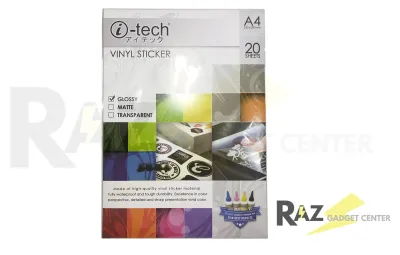
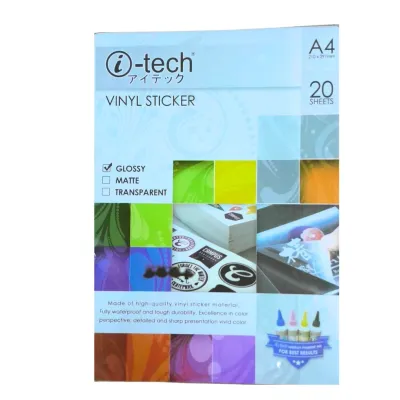
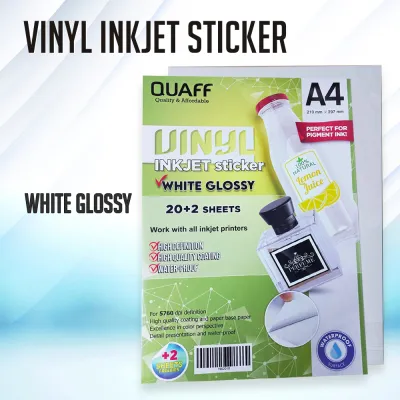
Prices are valid at publication and may change. Please refer to the product page for the latest price.
When selecting stickers, you will encounter two primary formats: die-cut and kiss-cut. Die-cut stickers are cut through both the vinyl and the backing paper into the exact shape of the design, making them great individual pieces to collect or gift. Kiss-cut stickers are cut only through the vinyl layer, leaving the backing paper intact, which often makes them easier to peel and keeps multiple designs organized on a single sheet.
For a specific design like a white tiger, printing techniques are crucial. White tigers feature intricate fur patterns, subtle gray shading, and bright white areas. To prevent the dark dots, grids, or colored paper of your journal from showing through the sticker, the design must be printed with high opacity, often requiring a specialized white ink layer underneath the colored design.
Key Quality Indicators to Check Before Buying
Selecting the ideal sticker involves looking past attractive online product photos and evaluating the physical specifications of the product. High-quality stickers are defined by three main pillars: material build, adhesive behavior, and print finish.

To ensure you get a product that enhances your journal rather than ruining your pages, you should look for specific manufacturer details or seller descriptions. Relying solely on heavily edited listing photos can lead to disappointment, as digital mockups often hide flaws in texture, thickness, and color accuracy.
Evaluating Material Thickness and Cut Type
The thickness of a vinyl sticker is usually measured in mils or microns, though stationery listings may simply describe them as thin-profile or heavy-duty. For bullet journaling, thinner vinyl is generally preferred. An overly thick vinyl sticker can cause your journal pages to bulge, creating an uneven writing surface on the subsequent pages and preventing the notebook from closing flat.
If you enjoy creating layered layouts with multiple stickers, washi tapes, and paper ephemera, thick vinyl will quickly turn your notebook into an awkward, wedge-shaped book. Look for stickers described as low-profile or specifically designed for planner use, which typically range from 2 to 3 mils in thickness.
Your choice between die-cut individual shapes and kiss-cut sheets should align with your journaling style and storage habits. Die-cut white tiger stickers are excellent as bold, standalone focal points on a cover page, while kiss-cut sheets often provide a variety of smaller, coordinating tiger poses and decorative elements that are easy to store flat inside a journal pocket.
Before purchasing, examine listing photos closely for the quality of the cut edges. High-quality stickers feature clean, smooth borders without any fraying, lifting, or misaligned edges. If you notice jagged lines or bits of unweeded vinyl still attached to the backing in the product photos, it indicates poor calibration of the cutting equipment, which can make peeling the sticker difficult and lead to torn edges.
Checking Adhesive Strength and Paper Safety
The adhesive backing of a vinyl sticker determines how well it bonds to your journal pages and whether it can be adjusted if you make a mistake. Permanent adhesives create a strong, immediate bond that is difficult to remove without tearing the paper, making them ideal for final layouts but unforgiving of placement errors.
Repositionable or removable adhesives allow you to peel the sticker up and adjust its position shortly after application. This is highly beneficial for complex bullet journal layouts where precise alignment is key. However, keep in mind that even repositionable adhesives can become permanent over time as the bond cures against the paper fibers.
When browsing online marketplaces, look for seller details regarding paper safety or ask the creator directly about the adhesive’s compatibility with standard notebook paper. You want to ensure the adhesive does not bleed through the page or leave a sticky residue that attracts dust and binds adjacent pages together when the journal is closed.
Avoid stickers labeled for outdoor use, car windows, or industrial applications. These products utilize aggressive, solvent-based permanent adhesives designed to withstand harsh weather conditions. Applying these to delicate, thin, or highly absorbent notebook paper will almost certainly cause warping, bleed-through, and permanent damage to your journal.
Assessing Print Clarity and Color Vibrancy
A white tiger design relies heavily on contrast and detail to look striking on a journal page. To achieve this, high-quality vinyl stickers utilize a white ink underbase. This is a layer of opaque white ink printed beneath the colored design, which prevents the background paper color or grid lines from showing through the lighter parts of the tiger’s fur.
Without a white underbase, a white tiger sticker applied to a kraft paper page or a dark colored layout will appear muddy, translucent, and lose its visual impact. Check the product description for terms like opaque backing, white underprint, or rich opacity to verify this feature.
Examine the listing photos, particularly close-up shots, for signs of poor print quality. Look out for pixelation, which appears as jagged, blocky edges on the design, and color banding, which shows up as visible horizontal or vertical lines across smooth color gradients. The tiger’s stripes and facial features should be sharp and clearly defined without any edge blurring.
Additionally, check if the seller mentions the use of UV-resistant or fade-resistant inks. While your journal is mostly kept closed, layouts are still exposed to light during use and display. Archival-quality inks ensure that the subtle grays and bright whites of your tiger design remain vibrant and do not yellow or fade over the years.
Sizing and Layout Planning for Bullet Journals
Before purchasing a white tiger vinyl sticker, it is essential to plan how the design will fit within your specific journal dimensions. Bullet journals come in various sizes, with A5 being the most common, followed by smaller B6 or pocket sizes, and larger A4 formats. A sticker that looks well-proportioned on a screen might overwhelm a small page or get lost on a large one.
To plan your layout, measure your journal page’s usable grid area and allocate space for your sticker alongside your functional writing. If you are using a large white tiger sticker as a monthly cover page focal point, you can afford to dedicate a significant portion of the page to it. However, if you want to use the tiger as a small accent next to a daily habit tracker or weekly spread, you will need a much smaller sticker, typically under two inches in size.
You can estimate the scale by cutting out a piece of scrap paper to the dimensions listed in the product description and placing it on your journal page. This simple physical template helps you visualize the final layout and ensures you do not accidentally purchase a sticker that blocks your writing space or overlaps with your pre-drawn grids.
For complex spreads, some journalers prefer to create digital mockups by taking a photo of their journal page and overlaying the sticker image using a tablet or phone. This allows you to experiment with different placements, angles, and accompanying elements like washi tape or calligraphy before making a purchase or sticking anything down permanently.
How to Build Your Shortlist When Shopping Online
Finding high-quality stationery stickers on online marketplaces requires a strategic approach to filter out generic, low-grade mass-produced items. Start by refining your search terms. Instead of searching for broad terms like tiger sticker, use specific phrases such as white tiger vinyl sticker for journaling, matte vinyl planner sticker, or hand-drawn tiger sticker sheet.
Focus your search on independent artists, specialized stationery boutiques, and dedicated sticker creators. These sellers are more likely to understand the specific needs of journalers, such as paper compatibility and low-profile materials, compared to generic print-on-demand shops that cater to laptop or water bottle decoration.
When evaluating product listings, watch out for red flags that indicate a low-quality product. A lack of detailed material specifications, such as thickness, finish, or adhesive type, is a major warning sign. Be cautious of listings that use identical, generic mockup templates across multiple designs, as this often indicates the seller has not physically verified the print quality of their products.
Another critical red flag is the use of stolen or AI-generated artwork without disclosure. Look for listings that showcase the artist’s design process, sketchbooks, or consistent illustration styles across their entire shop. Supporting original creators ensures you receive unique, high-quality artwork that has been carefully prepared for printing.
Always read user reviews thoroughly, filtering for feedback that specifically mentions journaling or planner use. Look for comments regarding how the sticker behaves on paper, whether it caused any tearing, if the adhesive lifted at the corners, or if the colors matched the online photos. Pay attention to reviews that mention shipping methods, as stickers should be packaged with rigid cardboard backing to prevent bending and creasing during transit.
Testing and Applying Your Stickers Safely
Once your white tiger vinyl stickers arrive, taking a cautious approach to testing and application will protect your journal pages from accidental damage. Because paper types and weights vary significantly between journal brands, a sticker that works on one notebook might tear the pages of another. Smoothness, bleed resistance, and water resistance depend on the exact material combination of the sticker adhesive and your notebook paper.
Before applying a sticker to your main layout, perform a patch test. Use a small, unused scrap piece of the sticker backing or a tiny corner of an extra sticker and apply it to a back page or a scrap piece of the exact same journal paper. Leave it in place for a few hours, then gently attempt to peel it off to observe how the paper fibers react to the adhesive.
When you are ready to apply the sticker to your layout, peel it slowly from its backing to avoid stretching or distorting the vinyl. Align one edge of the sticker with your planned position on the page, then gradually press it down from one side to the other. Using a clean finger, a soft cloth, or a plastic scraping tool, smooth out the sticker as you go to prevent air bubbles from becoming trapped underneath.
If your patch test reveals that the adhesive is exceptionally strong and risks tearing your paper, you can reduce its tackiness before application. Gently press the adhesive side of the sticker against a clean piece of clothing or your hand once or twice. The lint will slightly reduce the adhesive strength, making it safer for delicate journal pages while still allowing it to stick securely.
If you must remove a vinyl sticker that has already been applied, do so with extreme care. Slowly peel the sticker back at a sharp angle, keeping it flat against the page rather than pulling straight up. If the paper begins to lift or tear, stop immediately; you can try applying gentle heat from a distance using a hair dryer on a low setting to soften the adhesive, but exercise caution to avoid warping the paper or the vinyl.
Frequently Asked Questions (FAQ)
Can I use vinyl stickers on thin or fountain-pen-friendly paper?
Yes, you can use vinyl stickers on thin or fountain-pen-friendly paper, but it requires extra care. Thin papers, such as lightweight Tomoe River paper, are highly delicate and susceptible to warping or tearing under the weight and adhesive pull of standard vinyl. The moisture-resistant barrier of vinyl can also cause the thin paper to buckle slightly if the room’s humidity changes. To minimize these risks, opt for ultra-thin vinyl stickers with light, repositionable adhesives. Alternatively, you can stick the vinyl design onto a thicker piece of cardstock, cut it out, and insert it into your journal using paper-safe adhesive dots or a paperclip.
How do I store unused vinyl stickers to prevent them from curling?
To keep your vinyl stickers flat and ready for use, store them in a cool, dry place away from direct sunlight and extreme temperature changes. High humidity, common in tropical regions like the Philippines, can cause the backing paper to absorb moisture and expand at a different rate than the vinyl layer, leading to curling. Store your stickers flat inside a rigid folder, a dedicated sticker book, or a plastic organizing box. Avoid storing them in tightly rolled tubes, under heavy, uneven objects that could crease them, or in damp environments that might degrade the adhesive backing over time.

Community discussion
Share your experience or ask a question. Comments are reviewed before publication.