
Choosing your first fountain pen is an exciting step into a world of expressive, tactile writing. Unlike disposable ballpoint or gel pens, a fountain pen is a reusable, long-term companion that molds to your writing style over time. Finding the right pen requires looking past aesthetics to evaluate how the instrument interacts with your hand, your paper, and your daily routine. By understanding a few fundamental design elements, you can confidently select a pen that provides a smooth, reliable writing experience from the very first stroke.
In warm, tropical climates like the Philippines, environmental factors such as high humidity can actively influence how ink behaves on paper. This makes matching your pen, nib, and ink to your specific environment essential for avoiding common frustrations like smudging or excessive bleeding. Taking the time to assess your options ensures your first purchase is a practical tool you will look forward to using every day.
Assess Your Writing Habits and Paper Quality
Before browsing designs, consider where and how often you plan to write. A pen intended for quick, on-the-go note-taking during meetings or lectures requires different characteristics than one reserved for slow, deliberate journaling at home. For daily note-taking, you need a pen that starts reliably even after being uncapped for a minute or two. If you are signing official documents, you will want a pen that can handle permanent, pigment-based inks without clogging.
Products mentioned in this guide
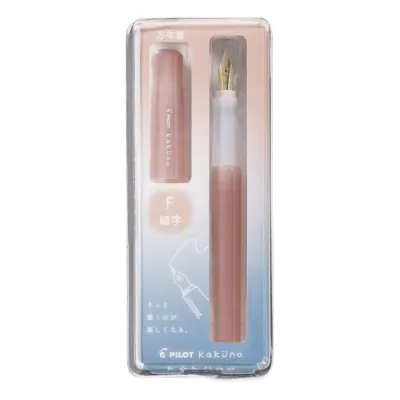
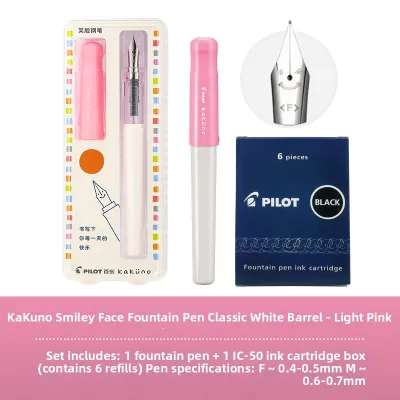
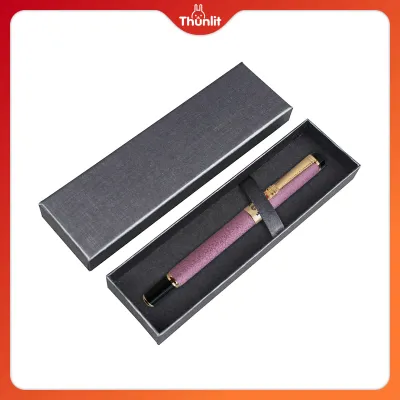
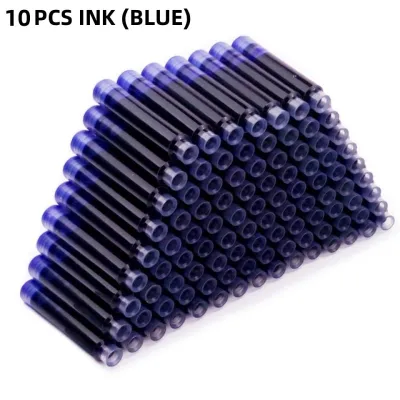
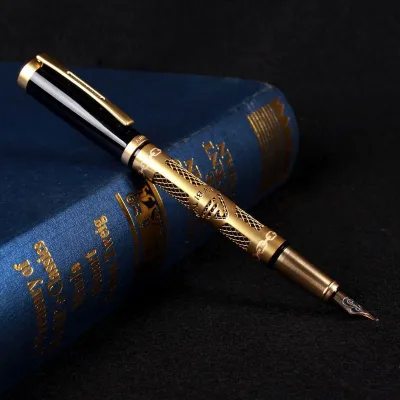
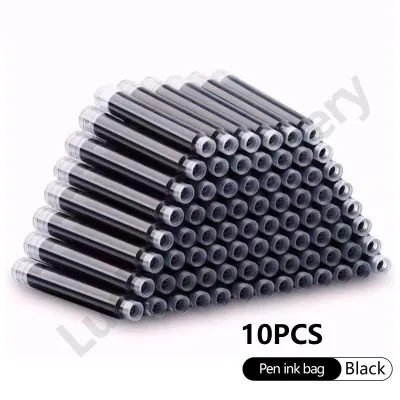
Prices are valid at publication and may change. Please refer to the product page for the latest price.
Your choice of paper is the single most important factor in how your fountain pen performs. Standard office copy paper and cheap school notebooks are highly absorbent and fibrous. When wet fountain pen ink hits these papers, it tends to feather—spreading out along the paper fibers like a tiny spiderweb—or bleed through to the other side of the page. This effect is often amplified in humid conditions, as paper naturally absorbs moisture from the air, making it even more absorbent. If you must use standard paper, a finer nib that lays down less ink is necessary. If you plan to use premium, fountain-pen-friendly notebooks with coated paper, you can safely choose broader nibs that showcase the ink’s color and shading.
Consider your portability needs as well. If you plan to carry your pen in a pocket, backpack, or purse, look for a model with a highly secure cap. Screw-on caps offer the most reliable seal against accidental leaks during a bumpy commute. Snap-on or slip caps are faster to deploy but must have a firm, reassuring click to ensure they will not slip off in transit.
Match the Nib Size and Material to Your Handwriting
The nib is the metal tip of the fountain pen that delivers ink to the page, and it dictates the character of your line. Standard nib widths generally range from Extra Fine (EF) and Fine (F) to Medium (M) and Broad (B). If you have small, tight handwriting, an Extra Fine or Fine nib is ideal because it keeps your letters legible and prevents loops (like in ‘e’ or ‘o’) from filling with ink. If you write with large, sweeping strokes, a Medium or Broad nib will feel smoother and allow the unique characteristics of your ink to stand out.

It is important to note that nib sizing standards differ by region. Japanese nibs (produced by brands like Pilot, Sailor, or Platinum) are ground thinner than European nibs (from brands like Lamy, Kaweco, or Pelikan). A Japanese Medium nib often writes similarly to a European Fine nib. Keep this distinction in mind when reading specifications online or purchasing from local stationery shops.
When comparing nib materials, you will primarily choose between stainless steel and gold. Steel nibs are rigid, highly durable, and excellent for beginners because they tolerate the slightly heavier writing pressure common among those transitioning from ballpoint pens. Gold nibs are softer and offer a springy, cushioned feel that responds to subtle changes in hand pressure, but they are significantly more expensive. A gold nib is not inherently better or smoother than a well-tuned steel nib; for a first purchase, a quality steel nib offers exceptional performance at a fraction of the cost.
Before finalizing your purchase, or immediately upon unboxing, perform a quick visual check of the nib’s alignment. Look closely at the tip of the nib to ensure the two metal halves, called tines, are perfectly level with each other. If one tine is slightly higher than the other, the inner edge of the metal will catch on the paper, causing a scratchy sensation. The gap between the tines should also narrow progressively toward the tip, ensuring a consistent capillary pull of ink to the paper.
Choose a Filling System That Fits Your Routine
Every fountain pen needs a way to store and deliver ink. The three primary filling systems for beginners are cartridges, converters, and built-in reservoir systems, each offering a different balance of convenience and capacity.
Ink cartridges are small, sealed plastic tubes filled with ink. They are incredibly convenient, mess-free, and easy to swap out while traveling. You simply push the cartridge into the pen’s grip section until the seal punctures. Cartridges come in two main formats: standard international cartridges, which fit a wide variety of brands, and proprietary cartridges, which are designed to fit only one specific brand. Before choosing a pen that uses proprietary cartridges, verify that replacements are easily accessible in your local stationery stores or preferred online marketplaces.
An ink converter is a removable, refillable chamber that fits into the pen in place of a cartridge. It allows you to draw ink directly from a bottle using a small twist or plunger mechanism. Using a converter is highly cost-effective over time and gives you access to hundreds of bottled ink colors from around the world. However, using a converter requires a bit of patience, as you must submerge the nib in ink to fill it and occasionally flush the entire system with clean water to keep it running smoothly.
Built-in filling systems, such as piston or vacuum fillers, utilize the entire body of the pen as an ink reservoir. These pens hold a massive volume of ink, making them excellent for long writing sessions without the need for refills. The trade-off is maintenance complexity. Built-in systems cannot be easily disassembled by a beginner, and flushing out old ink to change colors requires cycling water through the mechanism multiple times, which can be time-consuming.
Evaluate Weight, Balance, and Grip Comfort
A fountain pen should feel like an extension of your hand. Because you do not need to apply downward pressure to make a fountain pen write—the weight of the pen itself should be enough to draw ink—the physical ergonomics of the body are crucial for preventing hand fatigue.
When evaluating a pen, consider how it balances both “posted” and “unposted.” Posting refers to pushing the cap onto the back of the pen barrel while writing. Some pens are designed to be posted, while others become back-heavy and unbalanced when the cap is attached, pulling the nib away from the paper. If you have smaller hands, a lightweight resin or acrylic pen used unposted often provides the most comfortable control. If you prefer a substantial, reassuring heft, an anodized aluminum or brass pen may be more satisfying, though it can cause fatigue during long writing sessions if the balance point is too far back.
Pay close attention to the grip section, which is where your fingers rest. Grip sections come in various shapes, including simple cylinders, flared contours, and molded triangular shapes. Triangular grips are designed to guide your fingers into a traditional tripod writing posture, which can be helpful for beginners learning to hold a fountain pen at the correct angle. However, if you have an unconventional grip, a triangular section can feel restrictive and uncomfortable. Ensure the grip material is comfortable to hold; smooth metal grips can sometimes feel slippery, especially if your hands perspire in warm weather.
Finally, review the manufacturer’s care instructions regarding the body materials. Acrylic and resin pens are lightweight and come in beautiful colors, but they can scratch if carried loose in a bag with keys. Metal pens are highly resilient against drops and daily wear but can show fingerprints and scratches over time if they have a polished finish.
Set Your Budget and Run a Pre-Purchase Inspection
For your first fountain pen, setting a realistic budget helps you avoid overcomplicating your entry into the hobby. In the Philippines, a budget of ₱500 to ₱2,500 is the sweet spot for a reliable, high-quality starter setup. This range allows you to purchase a durable pen body, a compatible converter, and a bottle of reliable, low-maintenance ink without overspending before you know your personal preferences.
If you are purchasing your pen in a physical stationery shop, take advantage of the opportunity to run a physical inspection before paying. If you are buying online, perform these checks as soon as you unbox the pen:
- Inspect the Nib and Feed: Look at the underside of the nib to ensure the black plastic feed is centered directly beneath the metal nib. A misaligned feed can cause poor ink flow or leaking.
- Check the Cap Seal: Screw or snap the cap onto the pen. It should fit snugly with no wobbling or loose play. A loose cap allows air to reach the nib, drying out the ink and causing frustrating "hard starts" when you try to write.
- Examine the Barrel and Threads: Unscrew the barrel from the grip section. The threads should turn smoothly without catching or squeaking. Check the plastic or metal body for any hairline cracks, especially near the joints.
- Test the Posting Stability: If you plan to write with the cap posted, gently push it onto the back of the barrel. It should seat securely without requiring excessive force, which could crack the cap or scratch the barrel finish.
By taking a methodical approach to your first purchase, you can avoid common beginner pitfalls and choose a fountain pen that turns daily writing into a genuinely enjoyable ritual.
Frequently Asked Questions (FAQ)
Is it necessary to buy premium ink for a first fountain pen?
No, you do not need to buy expensive premium ink, but you must use ink specifically formulated for fountain pens. Fountain pen inks are water-based, dye-colored, and free of heavy binders. You must never use calligraphy ink, drawing ink, India ink, or printer ink in a fountain pen. These non-fountain inks contain acrylics, shellac, or thick pigments that will dry hard inside the pen’s feed, permanently clogging the narrow ink channels and ruining the pen.
How do I know when my new fountain pen needs cleaning?
Your fountain pen will give you clear, observable signs when it requires cleaning. If you experience hard starts, skipped lines, or a sudden reduction in ink flow, it usually means dried ink or paper fibers have partially blocked the feed. You should also clean your pen whenever you switch to a different ink color or brand, as mixing different ink formulas inside the pen can sometimes cause a chemical reaction, resulting in a thick sludge that blocks ink flow. Under normal use with the same ink, a simple flush with room-temperature water every four to six weeks is sufficient to keep the pen performing reliably.

Community discussion
Share your experience or ask a question. Comments are reviewed before publication.