
When evaluating buy 1 take 1 bond paper promotions, the lowest sticker price does not always guarantee the best value. The true value of these deals depends on calculating the effective cost per ream, which factors in hidden variables like shipping fees for heavy items, minimum spend thresholds, and paper specifications. There is no single best channel for every buyer; physical stores offer immediate availability and zero shipping costs for smaller hauls, while online marketplaces like Lazada provide better stacking discounts for bulk buyers who can meet free-shipping requirements. This guide breaks down how to compare these deals accurately and verify paper quality before checkout.
Calculating the True Cost Per Ream
To find the most economical option among competing buy 1 take 1 promotions, you must look past the promotional banners and calculate the actual cost of each usable sheet of paper. The most reliable way to do this is by using a simple cost-per-ream formula:
Effective Cost Per Ream = (Total Purchase Price + Shipping Fees – Estimated Value of Freebies) / Total Number of Reams Received
Products mentioned in this guide
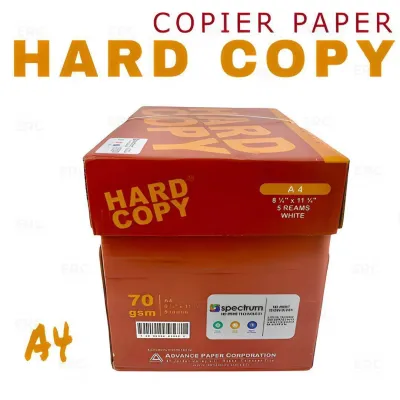
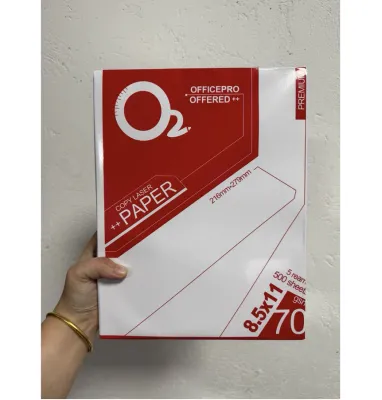
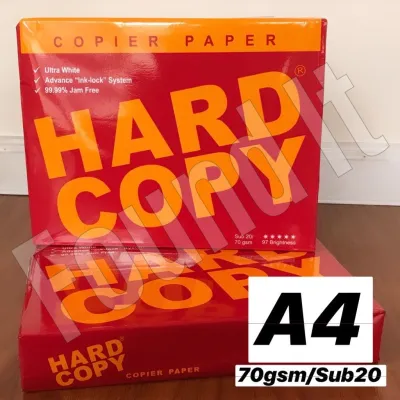
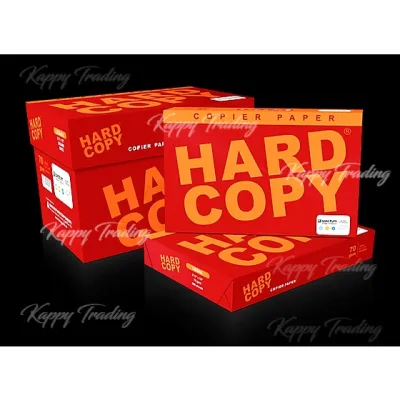
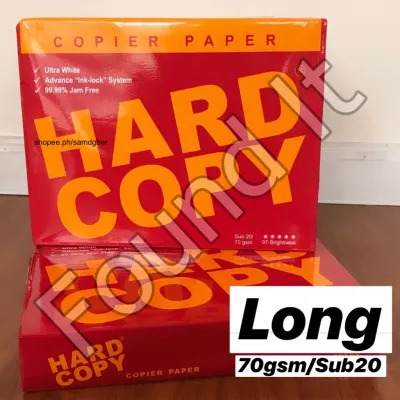
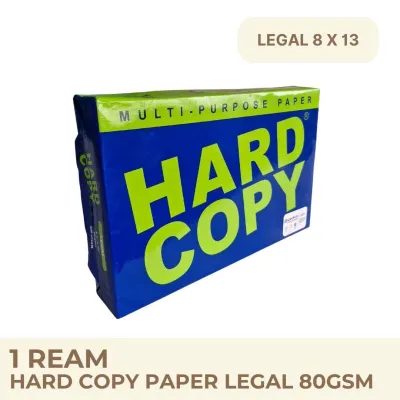
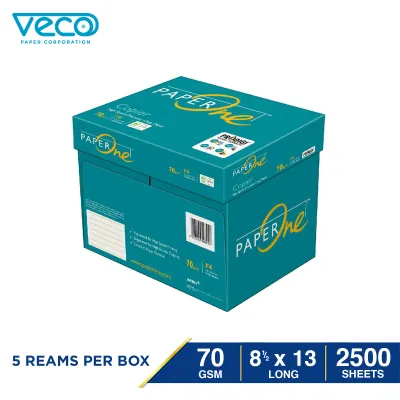
Prices are valid at publication and may change. Please refer to the product page for the latest price.
The total purchase price should represent the actual amount you pay at checkout after all discounts are applied, rather than the initial advertised price.
The impact of shipping fees on heavy items like paper is substantial. A single standard ream of 500 sheets of paper weighs approximately 2 to 2.5 kilograms depending on the size and thickness. If you purchase a bundle of multiple reams, the total weight can quickly exceed 10 kilograms. Online marketplaces calculate shipping fees based on both weight and volumetric dimensions, meaning shipping costs can easily surpass the value of the discount if you do not qualify for free shipping. Furthermore, to unlock free shipping, platforms often require you to meet a minimum spend threshold. If you are forced to add unnecessary items to your cart just to reach this threshold, you are inflating your overall expenses and reducing the actual savings of the paper promotion.
Another critical factor is assessing the real value of the “take 1” freebie. Some promotions use lower-grade paper or non-standard sizes as the free item. For example, a seller might offer a buy 1 take 1 deal where the primary item is a premium 80 GSM A4 ream, but the free item is a 70 GSM Letter-sized ream. If your printer or office tasks strictly require 80 GSM A4 paper, the free ream may be of little use to you, effectively reducing its actual value to zero. Always read the fine print to confirm that both the primary and promotional reams match your specific requirements.
Finally, be vigilant against “price hiking before discounting” tactics. Some sellers temporarily raise the standard price of a single ream right before launching a buy 1 take 1 promotion, making the deal appear far more attractive than it actually is. To protect yourself, compare the promotional bundle price against the standard historical price of a single ream from reputable office supply brands. If a single ream typically costs ₱180, but the buy 1 take 1 bundle is priced at ₱340, your actual savings are minimal compared to buying two individual reams at standard retail prices.
Comparing Online Marketplaces and Physical Stores
Choosing between online marketplaces and physical retail stores involves balancing convenience, promotional mechanics, and logistical constraints. Online platforms like Lazada and other major ecommerce marketplaces offer the advantage of stackable vouchers. During monthly campaigns, payday sales, or double-day events, you can combine store-specific coupons, platform-wide discount vouchers, and payment partner promotions to significantly lower the checkout price. However, these online deals come with inherent risks. High-demand sales events often lead to delayed deliveries, stockouts, or courier backlogs. Additionally, heavy paper boxes are susceptible to rough handling during transit, which can result in dented corners or torn packaging that exposes the paper to moisture.

Physical stores, such as National Book Store or local wholesale stationery suppliers, offer immediate pickup and zero shipping fees. This is essential if you have an urgent printing deadline and want to pay only the advertised retail price. Furthermore, physical shopping allows you to inspect the paper packaging directly. In a tropical climate like the Philippines, high humidity can easily compromise paper quality. By visiting a physical store, you can ensure the reams have been stored in a dry, elevated area and that the protective wrappers are completely intact before you make a purchase.
Quantity restrictions also differ significantly between these two channels. Physical retail stores frequently impose limits on the number of promotional bundles a single customer can purchase to prevent hoarding and ensure fair distribution. If you need to stock an entire office, you may have to make multiple trips or visit different branches. Online platforms, on the other hand, rarely limit purchase quantities to the same degree. Instead, they often encourage bulk buying, requiring you to purchase multiple bundles to unlock the highest tier of voucher discounts or to qualify for free shipping subsidies.
Return and refund policies are another crucial consideration. If you receive a damaged or defective box of paper from an online seller, resolving the issue can be a tedious process. You must document the damage with photos or videos, file a dispute through the platform, repackage the heavy shipment, and drop it off at a designated courier hub. In contrast, physical stores typically offer a straightforward exchange process. If you discover a defect, you can return to the store with your official receipt and exchange the damaged reams for fresh ones at the customer service counter, saving you time and logistical hassle.
Verifying Paper Specifications Before You Buy
To ensure you do not compromise on essential paper quality while chasing the lowest promotional price, you must carefully verify the technical specifications of the bond paper before completing your purchase. The first specification to check is the paper size. The most common standard sizes used in the Philippines are A4 (210 x 297 mm), Letter (8.5 x 11 inches, commonly referred to as “short”), and Legal/Folio (8.5 x 13 inches, commonly referred to as “long”). Note that standard US Legal paper is 8.5 x 14 inches, but most local offices and schools use the 13-inch Folio size. Purchasing the wrong size can lead to constant printer jams, misaligned margins, or cut-off text during printing.
Paper weight, measured in grams per square meter (GSM), dictates performance. Standard bond paper is typically available in 70 GSM or 80 GSM. While 70 GSM paper is lightweight and economical for everyday drafting and high-volume copying, 80 GSM paper is thicker and stiffer. This makes 80 GSM the preferred choice for formal documents and double-sided printing, as it prevents ink bleed-through and minimizes printer jams.
Brightness and opacity ratings also impact readability. High brightness (96% or above) produces sharp contrast, while high opacity ensures text printed on one side does not show through to the other. Check these ratings on the packaging; low-quality paper with poor brightness can make your documents look dull.
Finally, pay close attention to packaging integrity. In humid tropical environments, paper acts like a sponge, absorbing moisture from the surrounding air. Damp paper loses its stiffness, causing sheets to stick together and jam inside your printer. High-quality bond paper is sealed at the factory in moisture-resistant wrappers, which are typically lined with plastic or wax. When evaluating a promotion, especially in physical clearance sales or from discount online sellers, inspect the wrappers carefully. Avoid purchasing any reams with torn edges, punctured plastic, or loose wrapping, as the paper inside may already be compromised by humidity.
Decision Framework: Where Should You Buy Your Bond Paper?
To help you choose the most practical purchasing channel, consider this conditional decision framework based on your specific volume needs, urgency, and budget:
Choose online marketplaces if:
- You are purchasing bond paper in bulk (such as multiple boxes for a school, office, or business).
- You have access to free-shipping vouchers and stackable platform discounts that offset the high shipping cost of heavy items.
- You do not need the paper immediately and can afford to wait several days for delivery.
Choose physical stores if:
- You need the paper urgently to meet an immediate deadline.
- You are only buying one or two reams, where shipping fees would easily exceed any promotional savings.
- You want to personally inspect the packaging for moisture damage and verify the paper weight and brand authenticity before paying.
Verify first if:
- The promotional price of a buy 1 take 1 deal seems unusually low. Check the product description or packaging to confirm the exact GSM, sheet count (some cheap reams only contain 400 sheets instead of 500), and dimensions to ensure you are not receiving sub-standard or trimmed paper.
Neither option may fit if:
- The shipping cost for an online order exceeds the value of the promotional discount, and local physical stores are currently out of stock. In this situation, it is best to wait for the next major monthly online sale cycle when shipping subsidies are more generous, or contact a local wholesale office supply distributor directly.
Frequently Asked Questions (FAQ)
Is 70 GSM bond paper good for everyday printing?
Yes, 70 GSM bond paper is highly suitable for everyday text documents, internal drafts, and high-volume black-and-white copying. It is the most economical choice for standard home and office tasks. However, because it is thinner than 80 GSM paper, it is more prone to ink bleed-through when using wet inks like fountain pens or high-saturation inkjet printing. It is also more likely to jam during high-speed, double-sided (duplex) printing. For double-sided documents or heavy graphics, upgrading to 80 GSM is recommended.
How should I store bulk bond paper to prevent damage?
To protect your bulk bond paper from the high humidity characteristic of the Philippine climate, keep the reams sealed in their original factory wrappers until you are ready to load them into the printer. Store the paper flat on a shelf or inside a cabinet, rather than directly on concrete floors, which can transfer moisture upward. Keep the storage area cool, dry, and away from direct sunlight or air conditioning drafts that cause rapid temperature and humidity fluctuations.

Community discussion
Share your experience or ask a question. Comments are reviewed before publication.