
Finding a reliable color pencil set buy 1 take 1 deal in the Philippines can feel like a major win, especially during the busy back-to-school season or when stocking up on art supplies. These promotional offers promise double the creative capacity for the price of a single set, making them highly attractive for budget-conscious parents, students, and hobbyists. However, the true value of these bundles depends heavily on whether the pencils actually perform well on paper or simply end up broken and unused in a drawer.
To get genuine value from a buy 1 take 1 promo, you must look beyond the appealing price tag and evaluate the physical construction and pigment behavior of the pencils. While some promotional sets offer surprisingly smooth laydown and decent blending for casual sketching, others are packed with hard, waxy fillers that produce faint, scratchy lines. Knowing how to distinguish a high-value budget set from a cheap manufacturing surplus will save you from frustration and wasted money.
The Reality of Buy 1 Take 1 Color Pencil Promos
In the local stationery market, a “buy 1 take 1” deal typically manifests in two ways. You might receive two identical, complete sets of a standard color count, which is ideal for sharing between siblings or keeping a backup set at home. Alternatively, some online merchants bundle a larger set and split it into two separate packages, or pair a primary color set with a secondary pastel or metallic set.
Products mentioned in this guide
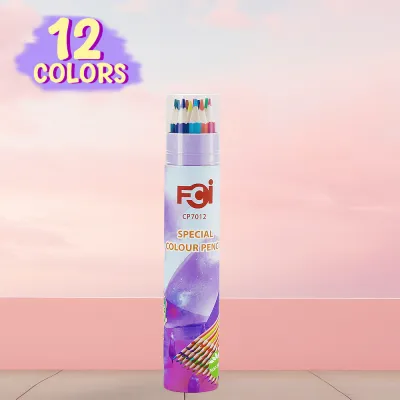
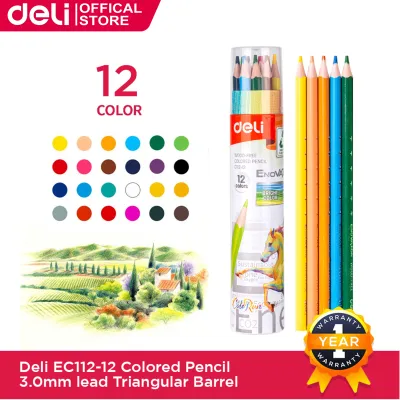
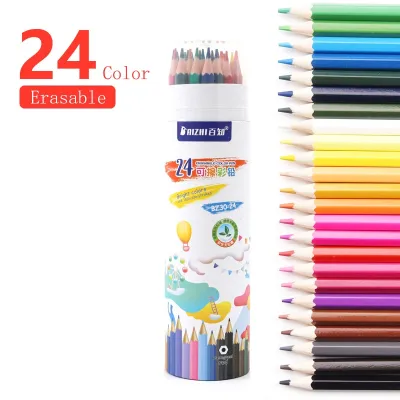
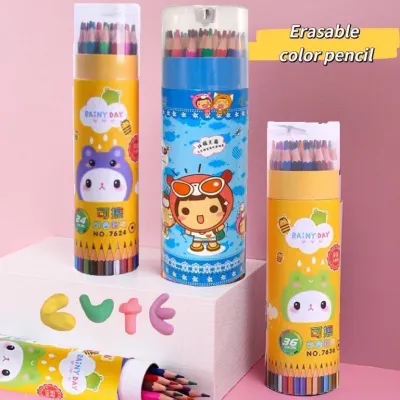
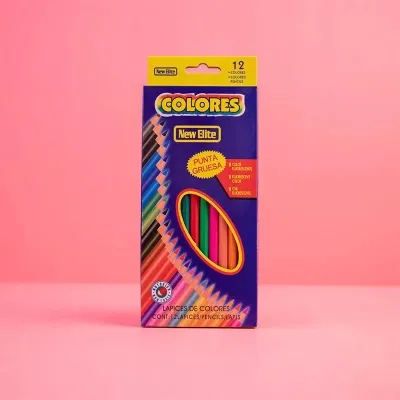
Prices are valid at publication and may change. Please refer to the product page for the latest price.
To offer these promotions, manufacturers often rely on high-volume production lines where cost-cutting is inevitable. This cost reduction usually impacts the ratio of raw materials inside the pencil core. High-quality pencils use concentrated, finely ground pigments mixed with just enough binder to hold the core together. In contrast, heavily discounted promotional sets often substitute expensive pigments with cheap wax or clay fillers, resulting in a stiffer core that yields less vibrant colors.
Because of these compromises, buyers must establish a clear decision framework before making a purchase. If your primary goal is to supply a classroom of young children with basic coloring tools for simple school projects, a high-quantity, low-cost promotional bundle is incredibly practical. However, if you are an art student or a hobbyist looking to practice smooth gradients, detailed shading, and complex layering, prioritizing pigment quality over sheer pencil count is essential.
Key Quality Indicators to Check Before Checkout
Pigment Load and Binder Composition
The core of any color pencil relies on a binder to hold the pigment together and transfer it smoothly onto your drawing paper. Standard commercial sets generally use either a wax-based or an oil-based binder. Wax-based pencils are typically softer, allowing for quick, creamy color laydown and easy blending, though they are prone to breaking if dropped. Oil-based pencils tend to have slightly harder cores that hold a sharp point longer, making them excellent for fine details, though they require more layers to build up deep saturation.

When browsing online marketplace listings, search for descriptive terms like “soft core,” “rich pigment,” or “artist-preferred” rather than generic labels like “standard school grade.” While budget promotional sets are rarely true professional-grade instruments, those marketed with “soft core” specifications generally contain a higher pigment-to-filler ratio. This composition ensures you do not have to press down hard to get visible color, which prevents hand fatigue during long drawing sessions.
A softer core is also a reliable indicator of superior blendability. If you can easily smudge the pigment with a blending stump or layer a second color over the first without scraping the paper, the pencil has a balanced binder-to-pigment ratio. Harder, low-quality cores rely too heavily on cheap clay binders, which feel scratchy and leave behind faint, uneven lines that resist any attempt at blending.
Wood Casing and Core Alignment
The durability of a color pencil depends heavily on the quality of its wood casing and how precisely the pigment core is centered inside it. When the core is off-center, one side of the wooden casing becomes too thin during sharpening, leaving the delicate pigment core unsupported. This structural flaw causes the tip to snap repeatedly under normal writing pressure, wasting a significant portion of the pencil.
Since you cannot examine the physical pencils before purchasing online, you must rely on user-submitted photos in the product review section. Zoom in on images of sharpened pencils to check if the wood splits, splinters, or develops deep cracks along the shaft. High-quality budget pencils typically use treated basswood or cedar, which sharpens into a smooth, continuous spiral without splintering.
Avoid sets that use brittle, unidentified composite woods or cheap recycled paper wraps that tear unevenly. If multiple reviews show pencils with wood casings that split open or pigment cores that slide completely out of the wooden sleeve, it indicates poor adhesive bonding during manufacturing. These defective sets will quickly disappear into your sharpener, leaving you with useless stubs.
Color Accuracy and Laydown
A common frustration with cheap color pencil sets is a severe mismatch between the color painted on the pencil’s exterior and the actual pigment it deposits on paper. Reliable manufacturers ensure that the lacquer coating or end-cap of the pencil closely matches the true hue of the core. This accuracy allows you to quickly select the correct shade during a drawing session without constantly referencing a separate swatch sheet.
Before checking out your promotional bundle, look at customer reviews for uploaded images of hand-drawn color swatches. Observe whether the colors appear rich and true to their labels, or if they look washed out, chalky, and pale. A high-quality set will provide consistent, opaque coverage across different shades, including lighter colors like yellow and light green, which are notoriously difficult to formulate cheaply.
Chalkiness is a major sign of excessive filler and poor color laydown. When a pencil is chalky, it leaves behind a dusty residue that easily smudges off the page, ruining clean borders and adjacent colors. True-to-pan colors with a smooth, wax-smooth laydown adhere cleanly to the paper fibers, ensuring your artwork remains vibrant and intact over time.
Red Flags: Spotting Poor Quality in Bulk Sets
When evaluating buy 1 take 1 color pencil sets, several distinct warning signs can help you identify low-grade products before you spend your money. One major issue is excessive wax bloom, which occurs when a heavy layer of wax binder rises to the surface of your drawing over time, creating a cloudy, white film. This film dulls the underlying colors and is incredibly difficult to remove without damaging the paper, making it a major frustration for anyone trying to build deep, dark values.
Another common red flag is the presence of brittle cores that suffer from internal breakage. This damage often occurs during rough shipping and handling, especially when bulk sets are packed without adequate protective cushioning. If the internal core is shattered into multiple pieces inside the wooden casing, the pencil tip will fall out every single time you attempt to sharpen it, rendering the entire pencil virtually useless.
Poor layering capability is also a clear sign of sub-par manufacturing. Low-quality pencils often contain cheap binders that seal the tooth of the paper almost instantly, preventing any additional layers of color from adhering. When you attempt to blend a second color over the first, the pencil will simply slide across the surface, lifting or smearing the existing pigment instead of blending smoothly to create a new shade.
Finally, be wary of misleading packaging that boasts an incredibly high color count, such as “120 colors,” but actually fills the box with dozens of nearly identical pastel, neon, or metallic shades. These filler colors often lack the pigmentation and practical utility needed for standard drawing and shading. A smaller, well-curated set of 24 distinct, highly pigmented colors offers far more artistic value than a massive bundle of 120 pencils where half the shades are duplicate pastels that barely show up on white paper.
How to Calculate True Value Beyond the Price Tag
To determine if a buy 1 take 1 promotion is genuinely worth your money, you must look beyond the initial low price and calculate the cost per usable pencil. If you purchase a promotional bundle of 72 pencils for ₱300, but find that 24 of them are too scratchy or faint to use, your effective count drops to 48. This adjustment raises your cost per usable pencil from ₱4.16 to ₱6.25, which might make a smaller, premium set a much more economical choice.
You must also factor in the hidden cost of sharpening waste. Brittle cores that snap constantly during sharpening do not just cause frustration; they rapidly shorten the lifespan of your pencils. A single poorly constructed pencil might lose half its length in a sharpener before you can get a usable point, meaning you are essentially paying for wood shavings and broken lead rather than usable art material.
In many cases, alternative buying strategies yield much better long-term value. Instead of hoarding a massive, mediocre buy 1 take 1 bundle, consider investing your budget in a smaller, high-quality set of 12 or 24 primary colors from a reputable stationery brand. You can then supplement this core set by purchasing individual premium pencils in the specific shades you use most frequently, resulting in a highly functional collection without any wasted filler.
Lastly, always perform a thorough checkout verification on your preferred online shopping platform before finalizing your order. Because bulk color pencil sets can be surprisingly heavy, the shipping fees to certain regions in the Philippines can be quite high. Ensure that a high delivery charge does not completely wipe out the savings offered by the buy 1 take 1 promotion, especially if you are ordering during peak shopping events.
Practical Testing Methods When Your Set Arrives
Once your promotional color pencil set arrives, you should immediately conduct a few simple, low-risk tests to verify its quality before the online marketplace’s return window closes. Start with the swatch test by drawing a solid, heavy block of color on standard sketch paper, gradually transitioning from light pressure to firm pressure. This test allows you to observe the smoothness of the laydown, check for scratchiness, and see if the pigment holds up without crumbling under pressure.
Next, perform a sharpening test on three to five different pencils from the set, choosing colors from different color families. Use a standard, sharp manual sharpener and observe how the wood behaves as you turn the pencil. The wood should shave away in clean, continuous ribbons, and the core should remain perfectly centered and intact without snapping off inside the sharpener.
To evaluate the blending capabilities of the set, conduct a quick blend test on your sketch paper. Draw a patch of yellow, then layer a patch of blue directly over half of it to see if they smoothly combine to create a clean green shade. If the blue pigment slides off or scratches away the yellow layer underneath, the pencils have a high wax filler content that will severely limit your ability to layer and blend colors.
If your set fails these basic tests—showing split wood, shattered cores, or extremely faint pigment—be sure to take clear photos and videos of the defects immediately. Keep all the original packaging, including the shipping box and protective wraps, so you can easily initiate a return or refund through the platform. Acting quickly ensures you can recover your money if the promotional set does not meet basic usability standards.
Frequently Asked Questions (FAQ)
Can I use buy 1 take 1 color pencils for professional blending?
While some student-grade promotional sets can handle basic layering and simple gradients, they are generally not suitable for professional blending techniques. Professional artwork requires high pigment loads and specialized oil- or wax-based binders that allow for dozens of seamless layers without creating a heavy wax buildup. Promotional buy 1 take 1 sets are far better suited for casual coloring books, school homework, bullet journaling, and basic sketching where high-level blending is not required.
Do promotional color pencil sets usually include accessories?
Many large promotional bundles do include basic accessories such as a plastic sharpener, a simple eraser, or a paper blending stump to make the deal look more appealing. However, these included tools are often of very low quality; a dull plastic sharpener can actually chew up your pencils and cause the cores to break. To get the best possible performance out of any budget color pencil set, it is highly recommended to budget separately for a reliable metal sharpener and a pad of decent quality sketch paper.

Community discussion
Share your experience or ask a question. Comments are reviewed before publication.