
Expressing your musical identity through journaling is a creative and deeply personal process. Whether you are documenting a recent concert, celebrating a favorite album release, or simply setting a mood for your weekly planner spread, band stickers offer a visually striking way to customize your pages. However, finding stickers that not only look excellent but also stand up to the physical demands of journaling requires a bit of know-how.
In the Philippines, stationery enthusiasts must navigate unique challenges, from sourcing authentic merchandise to protecting delicate paper products from tropical humidity. Selecting the right materials, verifying print quality, and knowing where to shop are essential steps to building a collection that lasts. By understanding how different sticker types interact with your journal pages, you can create beautiful, long-lasting layouts that celebrate your favorite artists.
Evaluating Material and Print Quality for Journaling
Before purchasing any band stickers, it is crucial to understand how different materials behave on paper. Journaling stickers generally fall into two main categories: paper-based (such as matte paper or washi) and synthetic (such as vinyl or PET). Each material has distinct characteristics that affect how your journal looks, feels, and ages over time.
Products mentioned in this guide

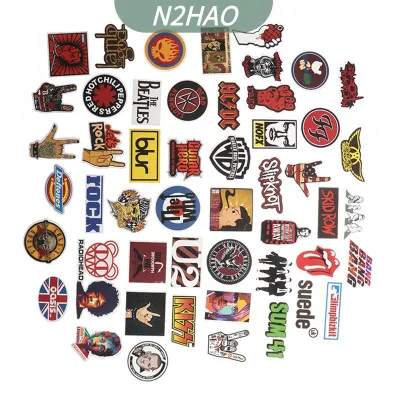
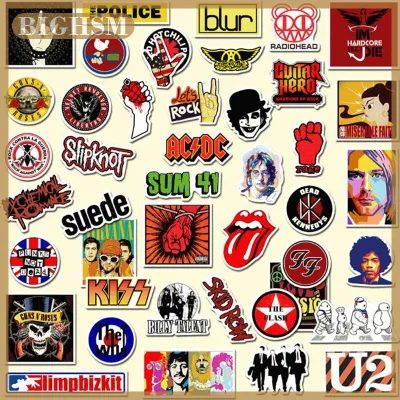
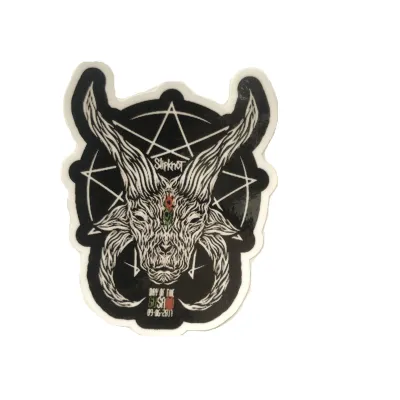

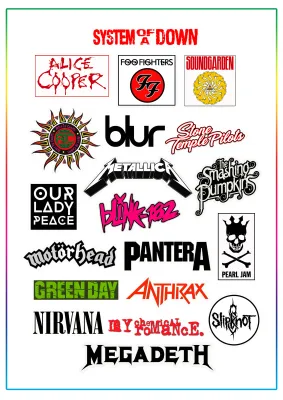

Prices are valid at publication and may change. Please refer to the product page for the latest price.
Paper-based stickers, particularly those made from washi or lightweight matte paper, are highly favored by journalers who prefer a seamless, flat finish. These stickers are thin enough to blend into the page, preventing your notebook from becoming excessively bulky as you add more layers. They are highly compatible with standard notebook papers ranging from 80 gsm to 100 gsm. Because they lack a heavy plastic coating, they accept ink easily, allowing you to write or draw over them if your layout requires overlapping elements.
Vinyl stickers, on the other hand, offer superior durability and vibrant color reproduction. They are thicker and stiffer than paper stickers, making them excellent for journal covers or heavy-duty pages, but they can cause a notebook to “alligator mouth”—or flare open—if used excessively on thin pages. If you prefer using vinyl stickers inside your journal, it is best to pair them with robust paper weights, such as 120 gsm to 160 gsm, which can support the weight and stiffness of the plastic without warping.
Adhesive strength is another critical factor to consider. Journaling often involves trial and error, making repositionable or low-tack adhesives highly desirable. High-tack, permanent vinyl adhesives can easily tear delicate paper fibers if you attempt to adjust their placement. When shopping, look for stickers labeled as removable or repositionable if you like to fine-tune your layouts. If you are working with permanent stickers, commit to your placement before letting the adhesive make full contact with the page.
Finally, perform a close visual inspection of the print quality before buying or immediately upon receiving your stickers. High-quality prints feature sharp vector lines, legible text (even in tiny copyright notices or lyric lines), and smooth color gradients without visible halftone dots or pixelation. Check the die-cut or kiss-cut edges to ensure they are centered and clean; off-center cuts can slice into the design or leave awkward white borders that disrupt your journal’s aesthetic.
Reliable Channels for Sourcing Band Stickers Locally and Online
Finding high-quality band stickers in the Philippines requires knowing where to look, as the market is filled with both official merchandise and unauthorized reproductions. To ensure you are getting durable, well-printed stickers that properly represent your favorite artists, it is best to source them through reputable physical and digital storefronts.

For physical shopping, specialty record stores and independent lifestyle boutiques in major metropolitan areas are excellent starting points. Many of these shops import licensed merchandise directly from international distributors, offering authentic sticker packs, decals, and patches alongside vinyl records and CDs. Visiting these stores allows you to physically inspect the texture, thickness, and print clarity of the stickers before making a purchase.
Online marketplaces and e-commerce platforms offer a vast selection, but they require a discerning eye. When browsing these platforms, prioritize shops that are designated as preferred sellers or official brand stores. Always read the customer reviews carefully, paying close attention to user-uploaded photos. These photos provide a realistic view of the sticker’s actual colors, size, and finish, which often differ from the polished digital mockups provided by the seller.
For guaranteed authenticity, purchasing directly from a band’s official webstore or their authorized regional distributor is the most reliable route. While international shipping to the Philippines can sometimes exceed the cost of the stickers themselves, many local fan communities organize group orders to split the shipping fees. This approach not only guarantees that you receive genuine, high-quality merchandise but also ensures that your money directly supports the artists who create the music.
Verifying Authenticity and Avoiding Unauthorized Prints
The market for band merchandise is flooded with cheap, unauthorized reprints that often disappoint in both quality and ethics. Purchasing pirated stickers usually means receiving low-resolution images printed on sub-par paper with weak adhesives that peel off your journal pages within weeks. Knowing how to spot these unauthorized products protects your journal and supports the creative industry.
One of the easiest ways to verify authenticity is by looking for official licensing indicators. Genuine band stickers almost always feature copyright text, trademark symbols, or the record label’s name printed discreetly on the backing paper or the packaging. Some high-end merchandise even includes holographic security seals or unique serial numbers. If a sticker pack features iconic album art but lacks any manufacturing or licensing information, it is highly likely an unauthorized copy.
Price is another major indicator of authenticity. Official licensed sticker sheets or die-cut packs generally range from ₱250 to ₱800, depending on the band’s popularity, import costs, and the complexity of the designs. If you encounter bulk packs offering 50 to 100 stickers for under ₱100 on online marketplaces, you can assume they are unauthorized reprints. These cheap packs are typically produced by scraping low-resolution images from the internet, resulting in blurry details and inaccurate colors.
Additionally, examine the seller’s overall credentials and product listings. Reputable sellers provide detailed descriptions of the sticker materials, dimensions, and origin. If a listing uses generic, pixelated stock photos and fails to specify the material or brand, it is best to steer clear. Investing in authentic stickers ensures you receive vibrant, long-lasting designs that will not fade or degrade inside your journal.
Organizing, Storing, and Applying Your Sticker Collection
Once you have curated a collection of quality band stickers, integrating them into your journal spreads and preserving them against the local climate are the next steps. Proper application techniques and storage habits will keep your collection looking pristine for years to come.
When designing a journal layout, balance is key. Band logos and album art are often visually bold, featuring high-contrast colors and striking typography. To prevent your pages from looking chaotic, pair these intense visual elements with neutral backdrops, such as grid washi tape, kraft paper scraps, or simple handwritten lyrics. Establish a clear focal point—such as a single large die-cut sticker—and arrange smaller decorative elements, like stars, dots, or date stamps, around it to create a cohesive theme.
The tropical climate of the Philippines presents specific challenges for stationery storage. High humidity can soften sticker adhesives, causing the edges to curl, lift from their backing sheets, or lose their stickiness entirely. To protect your collection, store your stickers in acid-free pocket binders, sticker books, or airtight plastic containers. Placing a few silica gel packets inside your storage containers will help absorb excess moisture and prevent the stickers from sticking to one another or fading due to ambient humidity.
When it comes to application, preparation ensures a permanent bond. Clean your hands to remove natural oils before handling the stickers, as these oils can weaken the adhesive. If you need to reposition a sticker, avoid using your fingernails, which can crease the sticker or tear the paper page. Instead, gently slide a thin craft spatula or a pair of fine-tipped tweezers under the edge, peeling slowly at a flat, 180-degree angle to minimize stress on the paper fibers underneath.
Frequently Asked Questions (FAQ)
Are vinyl stickers safe for all types of journal paper?
Vinyl stickers are highly durable, but their strong adhesives can pose risks to delicate journal papers. On standard or heavy-weight papers (100 gsm and above), vinyl stickers generally adhere well without causing damage. However, on very thin papers, such as Tomoe River paper or lightweight notebook pages, the aggressive adhesive of permanent vinyl can cause the paper to pucker, ghost, or even tear if you attempt to peel it off. To prevent damage, always perform a small spot test with a scrap piece of the sticker material on an inconspicuous back page of your journal before applying it to your main layout.
How can I support independent artists who make band-inspired stickers?
Supporting independent artists is a wonderful way to find unique, creative band stickers while respecting intellectual property. Many local artists in the Philippines design original fan art inspired by their favorite musicians. To support them ethically, purchase directly from their official personal websites, verified online creator portfolios, or local art conventions and zine fests. Ensure that the artist is selling their own original interpretations and illustrations rather than simply printing copyrighted album covers or official band logos without permission.

Community discussion
Share your experience or ask a question. Comments are reviewed before publication.