
Big size beads, typically ranging from 10mm to 30mm or larger, serve as excellent focal points in jewelry making and decorative crafts. Successfully incorporating these bold elements into your designs requires more than just an eye for color; it demands a practical understanding of how material weight, hole diameter, and surface durability interact. Choosing the wrong combination can lead to heavy necklaces that strain the neck, bracelets that easily crack against hard surfaces, or stringing materials that snap under tension. By analyzing the physical traits of different bead materials, you can create durable, comfortable, and visually striking pieces that withstand daily wear and environmental conditions.
Evaluating the Core Traits of Big Size Beads for Design
When designing with large-scale beads, weight is the primary factor dictating how a finished piece will drape and feel. Heavy materials like solid glass, glazed ceramic, and natural gemstones pull downward with significant force, creating a sharp V-shape drape when strung. In contrast, lightweight materials such as acrylic, resin, hollow metal, and softwood allow the stringing material to maintain a gentler, rounded curve. For wearable jewelry, balancing this weight across the entire length of the piece prevents physical discomfort and reduces localized stress on the cord.
Hole diameter is another critical dimension that determines your structural options. Large beads often feature wider holes, but this is not a universal rule. A massive bead with a narrow hole restricts you to thin wires or threads, which may not be strong enough to support the bead’s weight over time. Conversely, a bead with an exceptionally wide hole can easily swallow knots, crimps, or smaller spacer beads, causing the design to shift or collapse. You must match the inner diameter of the bead hole to a compatible cord thickness or use specialized hardware to bridge the gap.
Products mentioned in this guide
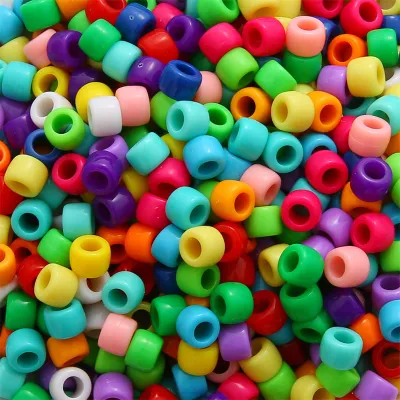
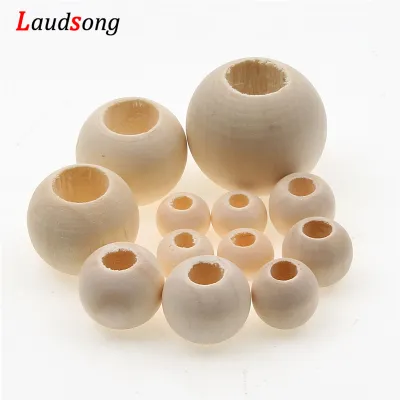
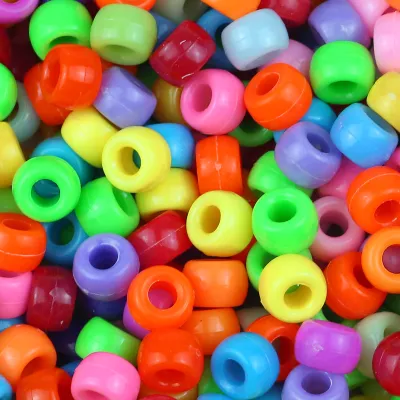
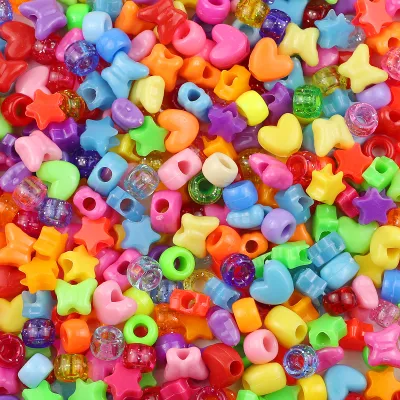
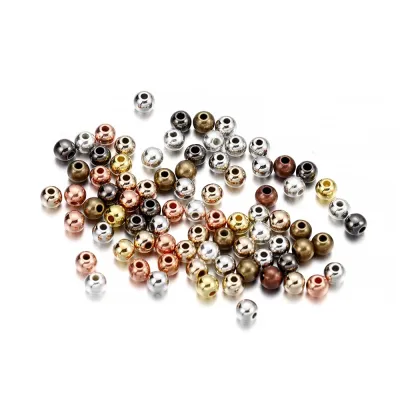
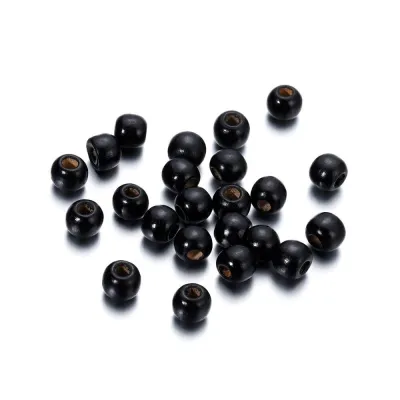
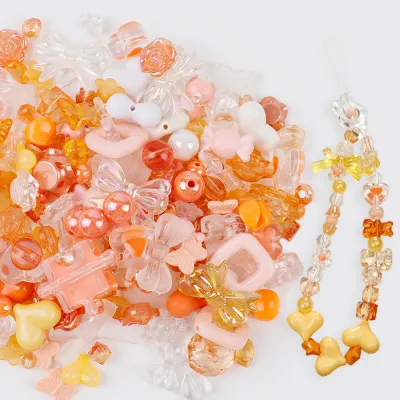
Prices are valid at publication and may change. Please refer to the product page for the latest price.
Surface finish and texture also play a vital role, especially in warm, humid climates. High humidity and skin contact from sweat can cause cheap metallic platings on plastic beads to peel or tarnish rapidly. Untreated wooden beads can absorb moisture from the air, leading to swelling, warping, or mold growth over time. For items that sit directly against the skin, prioritize non-porous, moisture-resistant finishes such as polished glass, glazed ceramic, or high-quality sealed acrylic to ensure long-lasting comfort and appearance.
Selecting Big Size Beads for Statement Necklaces
Statement necklaces rely on large beads to create a dramatic visual impact, but managing the cumulative weight is essential for wearability. If you string an entire necklace with solid 20mm gemstone or glass beads, the finished piece can weigh several hundred grams, leading to neck fatigue. To maintain comfort, use lightweight materials like hollow acrylic, molded resin, or paper mache for the majority of the necklace. You can then reserve heavier, premium glass or ceramic beads for a single central focal point, achieving a high-end look without the physical burden.

The transition from large focal beads to the back of the neck requires careful structural planning. Heavy beads put immense tension on the stringing material, particularly near the clasp where the wire or cord bends. Avoid pairing oversized beads with ultra-thin nylon threads or delicate chains. Instead, use multi-strand nylon-coated stainless steel beading wire or thick braided cords. Gradually tapering the bead sizes down as you approach the clasp also helps distribute the weight more evenly and prevents sudden structural failure.
Your choice of findings must match the scale and weight of the beads. Standard spring rings or small lobster clasps are difficult to manipulate and prone to breaking under heavy loads. Opt for robust toggle clasps, heavy-duty magnetic clasps, or thick, soldered stainless steel jump rings. Before finalizing your assembly, verify that the jump rings are completely closed and free of gaps, as heavy necklaces can easily slip through microscopic openings in poorly aligned hardware.
Choosing Durable Big Beads for Chunky Bracelets
Chunky bracelets are highly active accessories that experience constant friction, bumps, and impacts throughout the day. Fragile materials like delicate hollow glass, soft clay, or unglazed ceramic are highly susceptible to cracking or shattering when knocked against desks, doors, or countertops. For daily-wear bracelets, select highly durable materials such as dense hardwoods, solid acrylic, vulcanized rubber, or food-grade silicone. These materials absorb impacts without chipping, ensuring your handmade jewelry remains intact.
Comfort is equally important when selecting shapes for wristwear. Large, angular beads with sharp corners or rough facets can pinch the skin, press uncomfortably into the wrist when writing, or snag on delicate clothing like lace and knitwear. Rounded shapes, smooth barrels, or flattened disc-shaped beads sit flatter against the skin and slide easily over fabric. To verify smoothness before stringing, rub the bead gently along the inside of your wrist; if you feel any scratching or catching, the bead is better suited for non-wearable crafts.
Because chunky bracelets are frequently strung on elastic cord for convenience, you must ensure the bead holes can accommodate the necessary hardware. Heavy beads require thick elastic cord—typically 0.8mm to 1.2mm in diameter—to prevent the bracelet from sagging or stretching out permanently. Ensure the bead holes are wide enough to allow this thick cord to pass through smoothly. Additionally, at least one bead in your design must have a hole large enough to hide the finished knot, keeping the final piece neat and professional.
Sourcing Large Beads for Decorative Crafts and Home Accents
Non-wearable craft projects, such as suncatchers, plant hangers, curtain tiebacks, and jar fillers, often require large quantities of big beads. Buying premium jewelry-grade gemstones or handmade glass beads for these projects can quickly become expensive. Instead, look for budget-friendly bulk options like unfinished wooden beads, molded utility plastics, or lightweight foam-core beads. These materials provide the necessary visual volume and structural presence without inflating your project costs.
For home decor items, environmental exposure is a primary durability concern. Suncatchers and window hangings are subjected to intense UV rays, which can cause cheap dyed plastics to fade, yellow, or become brittle within a few months. For these applications, opt for colored glass or UV-stabilized acrylic beads that retain their clarity and color. If you are creating outdoor plant hangers or patio decorations, choose weather-resistant glazed ceramic or treated wood that can withstand high humidity and occasional rain without rotting or growing mold.
To ensure a cohesive aesthetic, match the texture and finish of your large beads to the surrounding craft materials. Matte, rustic wooden beads pair beautifully with natural fibers like jute, cotton macrame cord, or linen. On the other hand, high-shine metallic beads, polished glass, or faceted acrylics complement modern, sleek decor styles and work well with wire frames or smooth nylon cords. Aligning these textures creates a harmonious design that looks intentional and professionally made.
Verifying Stringing Compatibility and Hardware Limits
Before assembling any project with big size beads, perform a thorough pre-assembly check to ensure all components work together safely. Do not rely solely on the manufacturer’s labeled dimensions, as actual bead hole sizes can vary significantly within a single batch. Use a sliding caliper or a test wire of a known gauge to measure the inner diameter of several beads. This step prevents the frustration of discovering mid-project that your chosen cord cannot pass through a key focal bead.
The stringing material must be strong enough to support the weight of the beads while resisting internal abrasion. The inner channels of glass, stone, and ceramic beads can sometimes have sharp, rough edges left over from the drilling process. Over time, these rough edges can act like a saw, slowly fraying and cutting through nylon or cotton threads. To verify the smoothness of the inner channel, slide a scrap piece of nylon thread through the bead and pull it back and forth several times; if the thread frays, use a bead reamer to smooth the edges, or switch to a nylon-coated stainless steel wire.
Finally, match your finishing techniques to the weight of the project. Standard crimp tubes may slip under the constant tension of heavy beads. For high-weight designs, use double crimps on each end, and always incorporate wire protectors (also known as wire guards) to shield the stringing wire from friction where it connects to the clasp. If you are working with thick cords, master secure knotting techniques like the surgeon’s knot or the double overhand knot, and secure the finished knot with a tiny drop of jewelry-safe adhesive to prevent unraveling.
Frequently Asked Questions (FAQ)
How do I prevent heavy big beads from sliding on a thin cord?
To keep heavy, large-scale beads from sliding or sagging on a thin cord, you can use physical barriers on either side of the bead. Sliding smaller, tight-fitting seed beads, metal spacer beads, or silicone-lined stopper beads onto the cord will hold the larger bead firmly in place. Alternatively, you can tie secure knots directly against both sides of the large bead, or use micro-crimp beads clamped onto the cord to create hidden, immovable stoppers.
Can I mix different materials of big size beads in one project?
Yes, mixing different materials adds excellent visual texture and depth to your designs, but you must balance the physical weight. Distribute heavier beads, such as natural stone or glass, symmetrically near the center or bottom of the project to maintain balance. Use lighter materials, like wood or acrylic, near the back or sides to keep the piece comfortable to wear. Always verify that all selected materials have hole diameters compatible with your chosen stringing cord.

Community discussion
Share your experience or ask a question. Comments are reviewed before publication.