
Selecting the ideal center piece for ribbon bows requires a careful balance of physical weight, fabric texture, and visual proportion. A mismatch can cause a beautifully tied bow to droop, sag, or unravel entirely under the weight of an overly heavy ornament. By matching the texture, weight, and formality of your ribbon with complementary centerpiece materials—such as pearls, crystals, fabric flowers, or vintage brooches—you can create stunning, durable designs for gift wrapping, event decor, and personal crafts.
Whether you are preparing elegant favors for a local wedding, wrapping festive gifts, or designing hair accessories, the centerpiece serves as the focal point that anchors your entire design. Understanding how different materials interact ensures your creations remain intact and visually striking over time, even when exposed to warm, humid tropical climates.
Evaluating Ribbon Textures and Bow Structures for Centerpiece Matching
Before selecting a centerpiece, you must assess the physical properties of your ribbon. Satin is smooth, slippery, and highly flexible, offering low friction for adhesives but providing a classic, formal look. Grosgrain features a ribbed texture that offers excellent mechanical grip for glues and a sturdy structure that resists sagging. Organza is sheer and delicate, meaning any adhesive used behind it will be visible, requiring lightweight, sew-on, or carefully placed centerpieces. Burlap and jute are heavy, coarse, and highly textured, making them ideal for rustic designs and capable of supporting substantial weight.
Products mentioned in this guide
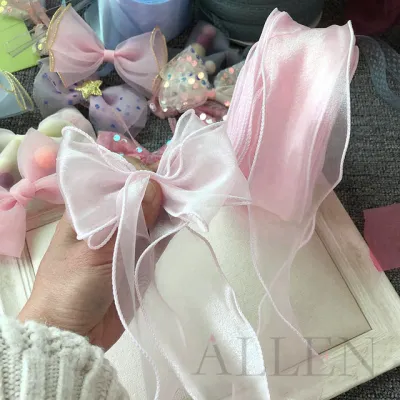
Prices are valid at publication and may change. Please refer to the product page for the latest price.
Next, check the structural capacity of the bow’s center knot or gathering point. A tightly tied knot creates a dense, hard surface that can be difficult to penetrate with pins or needles, but it provides a solid anchor for surface-applied glues. Conversely, a gathered center secured with floral wire or thread offers a flatter, wider base, which distributes the weight of a heavy centerpiece more evenly. If the knot is too loose, a heavy centerpiece will pull the fabric forward, causing the bow loops to distort and sag.
Finally, match the formality level of your centerpiece to the event theme. For formal events like weddings or milestone celebrations in the Philippines, high-sheen ribbons paired with polished pearls or sparkling crystals elevate the presentation. For casual, outdoor, or rustic gatherings, matte textures like cotton, linen, or native abaca fibers pair naturally with wooden, fabric, or dried flower centerpieces. Matching the centerpiece finish to the event’s theme ensures a cohesive aesthetic that looks intentional.
Recommended Centerpiece Types for Different Ribbon Materials
To simplify your crafting process, establishing a matching matrix based on texture contrast, weight distribution, and formality is highly effective. Texture contrast involves pairing smooth ribbons with textured centerpieces to create visual interest, or matching rustic ribbons with organic elements to reinforce a natural theme. Weight distribution ensures that the physical load of the centerpiece does not exceed the carrying capacity of the ribbon fabric, preventing structural failure.

By categorizing centerpiece materials into distinct groups—such as pearls, crystals, florals, and metals—you can quickly shortlist the best options for your specific project. This systematic approach allows you to evaluate compatibility before purchasing materials or applying permanent adhesives, saving time and reducing craft waste.
Pearl and Bead Centerpieces for Smooth and Formal Ribbons
Pearl and bead clusters are classic choices that bring a sense of elegance and refinement to smooth, formal ribbons like satin, silk, or high-sheen polyester. The soft, iridescent glow of pearls complements the reflective surface of satin without competing for attention. This combination is particularly popular for bridal wear, baptismal gifts, and formal event stationery where a clean, sophisticated look is desired.
When selecting pearls, perform a visual check for luster and dye lot consistency under natural light. Minor variations in white, cream, or ivory undertones can become highly noticeable when placed against a solid-colored ribbon. Ensure that the pearl finish is smooth and free of peeling or scratches, as these imperfections will be magnified at the center of a bow.
Consider the weight and size limits of your bead clusters relative to the bow’s knot. While individual flatback pearls are lightweight and easy to secure, larger clusters mounted on metal plates can add significant weight. If your bow is made from a narrow or highly flexible satin ribbon, limit the centerpiece to a single, delicate pearl or a lightweight acrylic bead cluster to prevent the knot from rolling forward or twisting.
Crystal and Rhinestone Centerpieces for Structured and Festive Bows
For high-sparkle designs, holiday decorations, or festive gift wrapping, crystal and rhinestone centerpieces offer unmatched brilliance. These dazzling elements pair exceptionally well with structured ribbons like grosgrain, velvet, or wired organza. The inherent stiffness of these fabrics, especially those reinforced with wire edges, allows them to support the weight of multi-faceted glass or acrylic stones without sagging or losing their shape.
When evaluating crystals, consider how they reflect light and how their facet cuts interact with your ribbon color. Clear, silver-backed rhinestones create a striking contrast against deep, rich ribbon tones like navy blue, emerald green, or royal burgundy. If you are using lighter pastel ribbons, look for crystals with an aurora borealis (AB) coating, which reflects a rainbow of soft colors that complement delicate fabric shades.
Before mounting, check the attachment base of the crystal centerpiece. Flatback rhinestones are ideal for direct gluing, providing a flush fit against the ribbon knot. Pronged settings hold stones securely but feature metal claws that can catch on delicate ribbon fibers; ensure these prongs are fully pressed down. Pre-drilled or sew-on crystal buttons offer a highly secure, glue-free alternative that can be stitched directly through the bow’s center.
Floral and Fabric Centerpieces for Textured and Rustic Ribbons
Textured, matte, or natural ribbons like burlap, cotton, linen, and jute pair beautifully with floral and fabric centerpieces. Artificial flowers, fabric rosettes, and felt shapes enhance the organic, rustic, or romantic feel of these materials. This style is highly suited for outdoor celebrations, tropical-themed decor, and eco-friendly gift packaging where a soft, natural aesthetic is preferred.
Proportion is critical when working with dimensional floral elements. A flower that is too large will visually overwhelm the bow loops, making the entire assembly look unbalanced. Perform a quick proportion check: the diameter of the floral centerpiece should generally cover the center knot completely while leaving at least two-thirds of the bow loops visible on either side.
Preparing the floral element for attachment is essential for a durable bond. Many artificial flowers come with plastic stems or bulky backings that prevent them from sitting flush against the ribbon. Use wire cutters to remove any stems as close to the base as possible, and sand down any uneven plastic parts. If the backing remains irregular, glue a small circle of matching felt to the base of the flower to create a flat, porous surface that adheres securely to the ribbon.
Brooch and Metal Centerpieces for Heavy-Duty and Statement Bows
Heavy-duty, wide, or multi-layered bows require substantial centerpieces to match their visual scale and physical presence. Vintage-style brooches, metallic charms, and heavy alloy statement pieces are excellent choices for these robust designs. They work best with wide velvet, heavy canvas, or multi-layered grosgrain ribbons that possess the structural strength to bear significant weight without collapsing.
Inspect the back of the metal centerpiece to determine the best fastening technique. Many brooches feature a pin clasp, which can be threaded directly through the center knot of the bow before being locked into place. If the piece has a bail loop (like a pendant) or a flat back, you will need to plan for wiring, sewing, or using a high-strength adhesive.
To prevent damaging your ribbon, carefully check the metal piece for sharp edges, rough clasps, or protruding prongs that could snag the fabric fibers. This is especially important when working with delicate or loosely woven ribbons. If you detect any rough spots, file them down gently or glue a protective layer of felt over the sharp areas on the back of the centerpiece before attaching it to the bow.
How to Secure and Attach Centerpieces to Ribbon Bows
Choosing the right attachment method is vital for ensuring your centerpiece remains securely bonded to the ribbon, especially when exposed to varying environmental conditions. Adhesives are the most common choice, but their performance depends heavily on material porosity and heat sensitivity. Hot glue is popular for its rapid setting time, but it can become brittle or soften in high tropical temperatures and humidity, and it may bleed through thin fabrics. Fabric glue offers a flexible, durable bond that withstands movement, though it requires a longer curing time.
Because adhesive performance, drying speed, and fabric staining depend on the exact material combination, always perform a test on a scrap piece of ribbon. Apply a small drop of your chosen glue to the scrap fabric, let it cure fully in your local environment, and check for discoloration, stiffness, or bond failure. When working with solvent-based craft glues, always work in a well-ventilated area to avoid inhaling fumes, and wear protective gloves or silicone finger caps to protect your skin from hot glue burns.
For heavier, irregular, or valuable centerpieces, mechanical fastening methods provide a highly secure and often reversible alternative to glues. Floral wire can be wrapped around the centerpiece base and threaded through the center of the bow, then twisted tightly at the back to hold the ornament in place. Hand-stitching with heavy-duty thread is another excellent option for buttons, beads, and fabric flowers, offering a clean finish without the risk of adhesive staining or heat damage.
If you are working with specialized adhesives, delicate heirloom ribbons, or valuable vintage jewelry pieces, stop and consult the manufacturer’s instructions or a professional conservator. Avoid using permanent glues on valuable items; instead, opt for temporary or non-destructive mechanical fasteners like safety pins or wire wraps that allow you to reclaim the centerpiece later without damaging either the ornament or the ribbon.
Sizing and Proportion Guidelines for Bow Centerpieces
Achieving visual harmony in your craft projects relies heavily on maintaining proper proportions between the centerpiece and the bow itself. A centerpiece that is too small will look lost and insignificant, while one that is too large will distort the shape of the bow and distract from the overall design. As a general guideline, the diameter of the centerpiece should be roughly equal to the width of the ribbon used to make the bow, or about one-third of the total bow width from loop to loop.
When designing multi-layered, cascading, or asymmetrical bows, you can adjust these proportions to accommodate the increased visual weight. Multi-layered bows can support slightly larger and more complex centerpieces because the extra layers of fabric provide a substantial visual and physical backdrop. For asymmetrical designs, place the centerpiece slightly off-center to complement the flow of the ribbon tails and maintain a balanced, artistic look.
To avoid wasting materials, always create a physical mock-up or use a paper template to verify the scale before making any permanent attachments. Cut out a shape from scrap paper that matches the exact dimensions of your chosen centerpiece, and place it over your tied bow. This simple step allows you to evaluate the scale, coverage, and overall balance from different angles, ensuring a polished and professional final result.
Frequently Asked Questions (FAQ)
Can I use a heavy metal brooch on a thin organza ribbon bow?
Using a heavy metal brooch directly on a thin, delicate organza ribbon bow is not recommended without proper reinforcement. The weight of the metal will cause the sheer fabric to sag, tear, or distort, ruining the airy aesthetic of the organza. To make this combination work, you must reinforce the bow’s center.
You can add a hidden backing, such as a small circle of stiff felt, cardboard, or a piece of heavy grosgrain ribbon, behind the organza knot. Secure the brooch through both the organza and the reinforcing backing to distribute the weight more evenly. If reinforcement is not practical, it is best to switch to a lighter acrylic alternative or use a wider, wired organza ribbon that offers more structural support.
How do I clean a ribbon bow with a glued-on crystal centerpiece?
Cleaning a mixed-material craft item requires caution to avoid damaging the ribbon fabric or dissolving the adhesive bond. Never submerge the entire bow in water or use harsh liquid cleaners, as moisture can cause water-sensitive ribbons (like silk or satin) to stain and can weaken standard craft glues.
Instead, spot-clean the ribbon by gently brushing away dust with a soft, dry brush, such as a clean makeup brush or a soft-bristled toothbrush. To clean the crystal centerpiece, lightly dampen a cotton swab with water or a mild glass cleaner, wipe the facets gently to restore their sparkle, and dry immediately with a microfiber cloth. Always check the integrity of the adhesive bond after cleaning to ensure the centerpiece remains securely attached.

Community discussion
Share your experience or ask a question. Comments are reviewed before publication.