
Walking into a local stationery shop or browsing online marketplaces reveals an overwhelming sea of journal stickers. From delicate floral washi designs to bold functional labels, the sheer variety makes it easy to overbuy, leaving you with piles of beautiful sheets that sit unused in a drawer. Finding the perfect stickers is not about buying what looks prettiest on a shelf; it is about matching the sticker’s material, size, and design to your specific journaling habits and paper type. By diagnosing your personal journaling style first, you can build a highly functional collection that enhances your pages without cluttering your workspace.
Diagnose Your Primary Journaling Style
Before purchasing any new stationery, you must identify how you actually use your journal on a daily basis. Journaling styles generally fall into three main categories, though many writers naturally blend elements of each to suit their changing needs.
If your practice centers on bullet journaling, your primary focus is likely rapid logging, habit tracking, and minimalist organization. For this style, you need functional, clean-lined stickers such as tiny index icons, minimalist habit trackers, and simple geometric shapes. These elements help you organize information quickly without distracting from your written logs.
Products mentioned in this guide
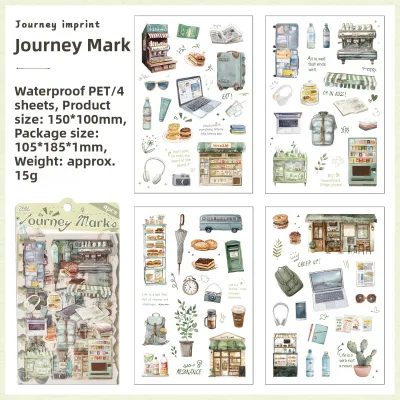
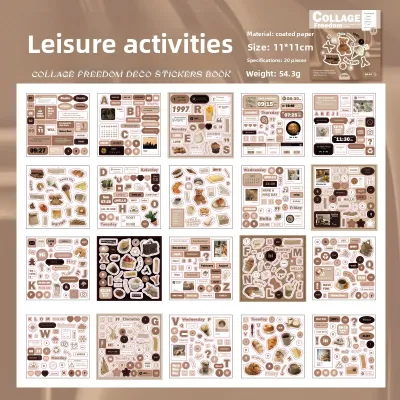
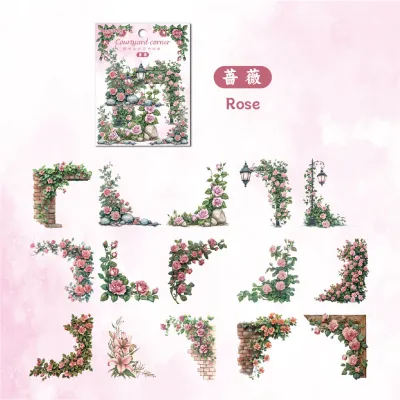
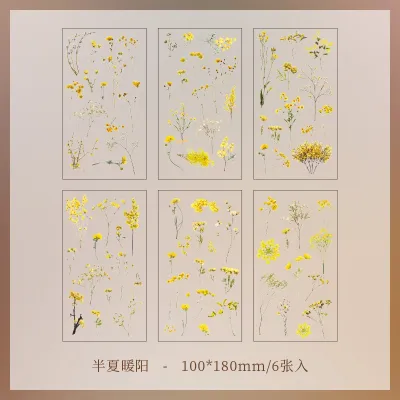
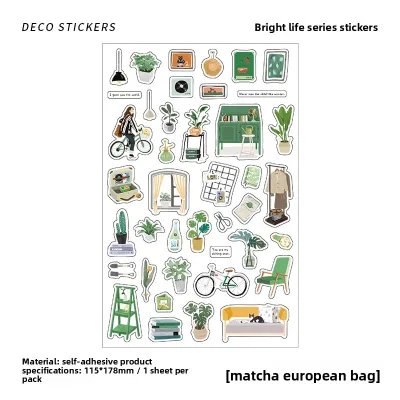
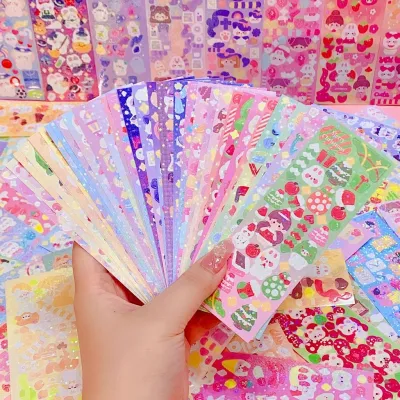

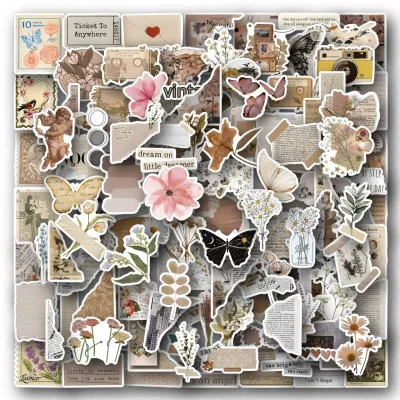
Prices are valid at publication and may change. Please refer to the product page for the latest price.
Art journaling, on the other hand, prioritizes visual self-expression, creative layering, and mixed-media experimentation. If this is your style, you will benefit most from expressive illustrations, vintage ephemera designs, and textured finishes. These stickers act as focal points or background layers rather than organizational tools.
Daily planning focuses heavily on structured routines, time-blocking, and keeping track of appointments. To support this, look for clear date covers, functional banners, checklist boxes, and color-coded labels that fit neatly within your planner’s columns.
Many journalers practice a hybrid approach, combining structured planning with creative decoration. If you fall into this category, balance your collection by choosing neutral, functional stickers alongside a few themed decorative sheets that share a cohesive color palette.
Match Sticker Materials to Your Journal Paper
The success of your layouts depends heavily on how well your sticker materials interact with your journal’s paper weight and your preferred writing instruments. Choosing the wrong material can lead to ink smudging, page bleeding, or torn sheets.

Matte paper stickers are the most versatile option for everyday writing. They feature a porous surface that easily accepts ink from gel pens, ballpoints, and fountain pens. However, because paper weights and coatings vary, you should always check the manufacturer’s specifications or test your markers on a corner of the sticker sheet to ensure the ink does not feather or bleed.
Transparent and vellum stickers are excellent for layering. Because they are semi-translucent, you can place them directly over dot grids, graph lines, or existing handwriting without completely blocking the background. This creates a seamless, printed-on-the-page look that is highly favored in creative layouts.
Vinyl and glossy stickers offer excellent durability and resistance to moisture, which is particularly useful in humid tropical climates where paper can soften over time. However, their non-porous surfaces repel standard water-based inks. If you plan to write on glossy or vinyl stickers, you will need to use permanent, oil-based markers and allow ample drying time.
Adhesive strength is another critical factor to verify. Before applying a new sticker brand to your main page, test its adhesive on a scrap piece of paper or an inconspicuous back page. This allows you to observe whether a “repositionable” sticker can actually be peeled off safely, or if it will tear thin journal pages upon removal.
Choose Sizes and Formats for Your Layouts
Stickers that are too large will crowd your writing space, while stickers that are too small can get lost on a spacious page. Selecting the right dimensions and formats ensures your layouts remain balanced and easy to read.
Functional icons and small labels are essential for micro-planning. If you use a compact A6 journal or a slim pocket planner, look for icon stickers that measure under half an inch. These tiny markers are perfect for marking appointments or tracking daily water intake without consuming valuable writing space.
Large die-cut stickers work best as visual anchors in spacious A5 or B6 art journals. You can use these substantial pieces to establish a page theme, cover up writing mistakes, or fill awkward empty spaces at the end of a daily entry.
When choosing formats, consider the difference between die-cut and kiss-cut stickers. Die-cut stickers are cut completely through both the sticker and the backing paper, making them great for sharing or collecting individually. Kiss-cut stickers are cut only through the top vinyl or paper layer, leaving the backing sheet intact. Kiss-cut sheets are generally much easier to peel and keep organized.
Your choice between sticker books and loose sheets should depend on where you journal. If you prefer to write on the go, a compact sticker book or a few flat sheets tucked into your journal’s back pocket offer excellent portability. Loose, individual die-cuts are often better suited for a dedicated desk setup where you have room to spread out your supplies.
Build a Targeted Starter Collection
It is easy to overspend when building a stationery collection. To keep your budget in check, focus on purchasing a small, highly targeted starter set that aligns directly with your diagnosed style.
Instead of buying highly specific themed sets that you might only use once, prioritize versatile, monochrome, or functional packs. Neutral color palettes, basic geometric shapes, and simple border frames can adapt to almost any layout theme throughout the year.
When comparing options on online marketplaces, do not look only at the total sheet count. Instead, evaluate the sheet density and calculate the approximate cost per usable design in ₱. A single sheet packed with fifty small, highly usable icons often provides better value than a multi-sheet pack filled with oversized designs you will rarely use.
Always test a small batch of a new material or brand before committing to a large collection. Buying a single sheet allows you to verify the print alignment, color accuracy, and adhesive quality on your specific journal paper without risking a larger financial investment.
Finally, establish a clear stopping condition for your purchases. Once your current collection successfully covers your daily functional needs and your preferred decorative themes, pause your buying. This keeps your workspace organized and ensures every sticker you own eventually finds a place on your pages.
Frequently Asked Questions (FAQ)
Can I write on all types of journal stickers?
No, your ability to write on a sticker depends entirely on its surface texture. Porous matte paper stickers accept almost all writing instruments, including gel pens and fountain pens. Non-porous surfaces like glossy paper, vinyl, and certain transparent plastics will cause water-based inks to bead up and smudge. Always check your pen manufacturer’s labels for compatibility with coated surfaces, or use a permanent, quick-drying marker for non-porous stickers.
How do I store sticker sheets to keep the adhesive fresh?
To prevent sticker adhesives from drying out, curling, or degrading, store your sheets in a cool, dry place away from direct sunlight and high humidity. Keeping your collection in protective plastic sleeves, dedicated sticker binders, or flat storage boxes protects the edges from dust accumulation and prevents the adhesive backing from peeling prematurely.

Community discussion
Share your experience or ask a question. Comments are reviewed before publication.