
Gift-giving is an art form where the presentation speaks volumes before the package is even opened. While wrapping paper provides the canvas, the ribbon acts as the defining accent that pulls the entire aesthetic together. Matching ribbon colors and textures with different gift types requires a thoughtful balance of color theory, material contrast, and structural suitability. In tropical climates like the Philippines, where high humidity can cause certain delicate paper ribbons to lose their crispness, selecting the right synthetic or woven ribbon material is essential to ensure your presentation remains flawless from the moment it is wrapped to the final unboxing.
By understanding how different ribbon textures interact with various packaging surfaces and gift categories, you can elevate a simple gesture into a memorable experience. Whether you are wrapping a box of artisanal chocolates, a delicate silk garment, or a sleek electronic gadget, the right ribbon choice establishes a sense of anticipation and care. This guide explores the foundational principles of ribbon coordination, offering practical frameworks for specific gift types, layering techniques, and common pitfalls to avoid.
Core Principles for Choosing Ribbon Colors and Textures
To create a visually striking gift presentation, you must first evaluate the physical characteristics of the packaging. The surface texture of your gift box or wrapping paper dictates the type of ribbon texture needed to create an appealing contrast. For instance, a highly glossy gift box pairs exceptionally well with a matte ribbon, such as a textured grosgrain or a soft cotton weave. This contrast prevents the package from looking overly shiny or cheap. Conversely, if you are using a matte wrapping paper, such as rustic kraft paper, a lustrous satin ribbon adds a touch of elegance and sophistication by reflecting light beautifully against the flat background.
Products mentioned in this guide
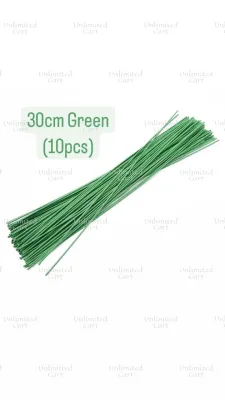
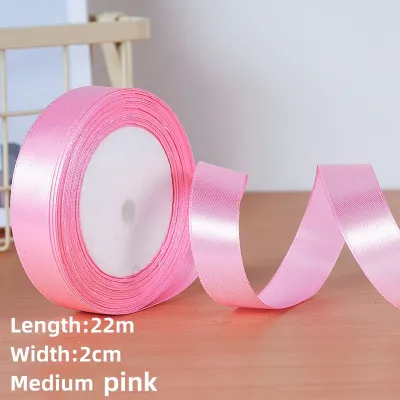
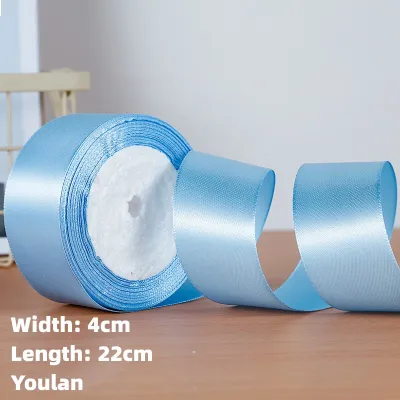
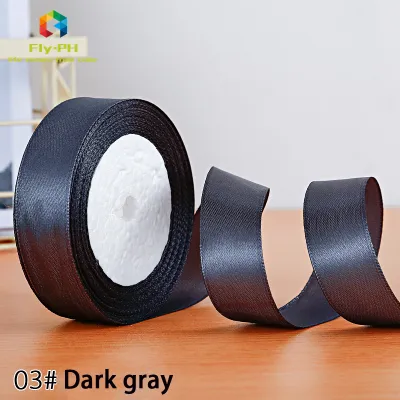
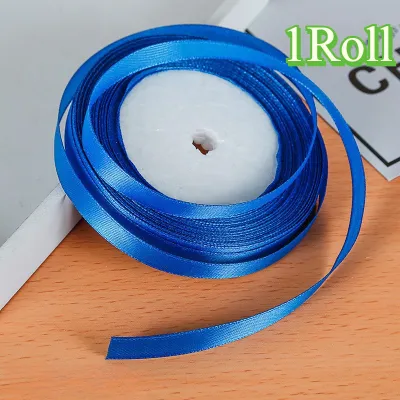
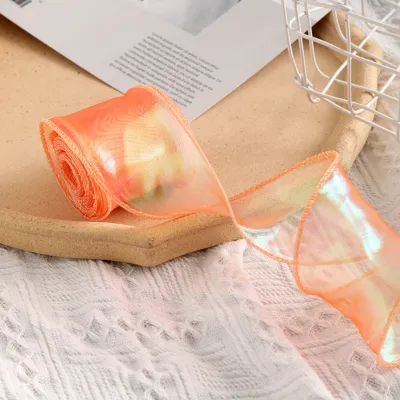
Prices are valid at publication and may change. Please refer to the product page for the latest price.
Color coordination is the next critical step in the design process. You can approach color matching through three primary strategies: monochromatic matching, complementary contrast, or neutral anchoring. Monochromatic matching involves selecting a ribbon that is a slightly lighter or darker shade of the packaging’s primary color, creating a sleek, modern, and cohesive look. Complementary contrast utilizes colors from opposite sides of the color wheel, such as pairing a deep navy blue box with a warm copper or gold ribbon, which instantly draws the eye. Neutral anchoring relies on classic tones like cream, champagne, slate gray, or kraft brown to stabilize vibrant, multi-colored, or heavily patterned wrapping papers, ensuring the final design does not look chaotic.
Finally, you must assess the physical scale and weight of both the gift and the ribbon. A large, heavy box wrapped in a thin, flimsy ribbon looks disproportionate and fails to provide the necessary structural support. For substantial gifts, choose wider ribbons (typically 1.5 inches or wider) with a heavier weight, such as thick canvas or wired satin. For small, delicate items like jewelry boxes, opt for narrow ribbons (such as 1/4-inch or 1/2-inch widths) made of delicate organza or fine satin. Matching the scale of the ribbon to the dimensions of the package ensures a balanced, professional appearance.
Pairing Ribbons with Specific Gift Categories
Tailoring your ribbon selection to the specific category of your gift enhances the overall theme and prepares the recipient for what lies inside. Different items evoke distinct sensory expectations, and your packaging should reflect these qualities through carefully chosen materials and colors.

Chocolates and Gourmet Treats
Edible gifts require a presentation that feels clean, appetizing, and luxurious. When wrapping chocolates, pastries, or gourmet gift baskets, it is best to choose tightly woven ribbon textures like grosgrain, cotton, or high-density polyester. These materials are less likely to shed loose fibers or lint, which could easily drift onto food items and ruin the presentation. Avoid highly textured, loose-weave ribbons like burlap or heavily glittered options near food, as the particles can migrate easily.
The color palette for gourmet treats should complement the rich, indulgent nature of the food. Deep, warm tones such as burgundy, forest green, espresso brown, and gold are excellent choices for dark, elegant chocolate boxes. For lighter treats, such as macarons or artisanal cookies, soft pastels, cream, and champagne-colored ribbons create a delicate, fresh aesthetic. If the ribbon will come into direct contact with unwrapped food items, such as tying a bundle of cinnamon sticks or wrapping a loaf of artisanal bread, always check the product labels to verify that the ribbon material is food-safe or non-toxic.
Clothing and Fabric Items
When wrapping apparel and textiles, the ribbon should harmonize with the drape, weight, and formality of the clothing fabric inside. For delicate, high-end garments like silk blouses, lace lingerie, or formal wear, a smooth, lustrous double-faced satin ribbon matches the luxurious feel of the item. For casual clothing, knitwear, denim, or linen items, a textured cotton ribbon, herringbone tape, or rustic twine provides a more relaxed, organic aesthetic that aligns with the garment’s casual nature.
Safety and preservation are also key considerations when wrapping fabrics. Avoid using wire-edged ribbons or ribbons with rough, abrasive textures like metallic tinsel when wrapping clothing directly. The sharp wire ends or rough fibers can easily snag, pull, or tear delicate threads during the wrapping or unwrapping process. Additionally, to prevent color transfer in humid environments, you can perform a quick colorfastness check by rubbing a damp white cloth against a small sample of the ribbon; if the color bleeds, opt for a different ribbon to protect the garment from staining. Coordinate the ribbon color with the dominant hue of the clothing, or use a solid neutral ribbon to balance heavily patterned fabrics.
Electronics and Gadgets
Modern electronic devices and gadgets are characterized by sleek lines, rigid structures, and minimalist packaging. To complement this high-tech aesthetic, your ribbon choices should lean toward structured, clean, and contemporary styles. Matte-finish ribbons, fine grosgrain, or ribbons with subtle, satin-metallic finishes align perfectly with modern technology branding and avoid looking overly traditional or dated.
Wired ribbons are particularly useful when wrapping large, rigid retail boxes for electronics. The thin wire embedded along the edges allows you to sculpt sharp, geometric bow shapes that maintain their structure during transport and do not collapse under the weight of the box. Keep the color palette simple and sophisticated; monochromatic schemes featuring slate gray, matte black, crisp white, or deep navy blue maintain a professional, high-end presentation. Avoid overly bright, neon colors or whimsical patterns, which can distract from the premium feel of a technological gift.
Layering and Tying Techniques for a Polished Finish
To elevate your gift wrapping from standard to professional, you can combine multiple ribbons to create a layered, multi-dimensional effect. A highly effective technique is to use a wide, solid-colored ribbon as a base (such as a 2-inch satin band) and layer a narrower, highly textured ribbon (such as a 1/2-inch glitter trim, lace, or patterned cotton cord) directly over the center. This layering technique adds visual depth, contrast, and sophistication without overwhelming the package with too many competing elements.
The choice of knot or bow style should always align with the physical properties and stiffness of the ribbon material. Stiff, wired ribbons are ideal for creating structured, voluminous bows with multiple loops that stand upright and hold their shape beautifully. On the other hand, soft, unwired ribbons like satin, silk, or organza are better suited for flowing, classic bows or simple, elegant flat knots that drape gracefully over the sides of the box. For a modern, minimalist look, a simple band around the box secured with a clean flat knot can be incredibly striking.
The final touch of a polished presentation lies in how you trim the ribbon ends. Always use sharp fabric shears dedicated to wrapping tasks to ensure clean cuts without fraying. You can cut the ends at a sharp 45-degree angle, or create a classic V-shaped notch by folding the ribbon end in half vertically and cutting diagonally from the fold outward. These precise cuts not only look professional but also help distribute tension across the woven threads, reducing the likelihood of the ribbon unraveling at the tips.
Common Ribbon Pairing Mistakes to Avoid
One of the most frequent mistakes in gift wrapping is overcrowding the design by mixing too many conflicting elements. Combining a highly patterned wrapping paper with a multi-colored, heavily textured ribbon can create visual chaos that distracts from the gift itself. To maintain a curated, elegant appearance, limit your design to a maximum of two dominant textures or colors, ensuring that one element always acts as a quiet, grounding neutral.
Another common error is a mismatch in scale and structural integrity, such as using a flimsy, narrow ribbon on a heavy, oversized box. Under the tension required to secure a large package, thin ribbons can easily snap, tear, or cut into the edges of the box, leading to structural failure. Visually, a tiny ribbon on a massive box looks lost and unfinished. Always scale your ribbon width and material strength to match the physical dimensions and weight of the gift container.
Lastly, ignoring the context of the occasion or the recipient’s preferences can lead to inappropriate choices. Wrapping a formal wedding gift in rustic jute twine, or using bright, playful neon ribbons for a professional corporate gift, can create an awkward mismatch in tone. Always consider the formality of the event and the recipient’s personal style when selecting your ribbon colors and textures, ensuring the presentation feels thoughtful, intentional, and respectful of the occasion.
Frequently Asked Questions (FAQ)
Can I use the same ribbon for both the gift box and the gift bag?
Yes, you can use the same ribbon style to create a cohesive look, but you should scale the application to fit each container. For a gift box, a wider ribbon is typically wrapped around the entire box to secure the lid and create a central focal point. For a gift bag, a slightly narrower version of the same ribbon can be tied into a decorative bow around the handles or woven through the bag’s eyelets. Ensure the ribbon material is durable enough to handle the friction and weight points of the bag handles without slipping.
How do I prevent wired ribbons from fraying at the edges?
While the internal wire helps maintain the ribbon’s shape along its length, the cut ends are still susceptible to fraying. To prevent this, always use sharp fabric scissors to make clean, decisive cuts at an angle or in a V-shape. For added security, especially if the gift will travel or be handled frequently, you can apply a tiny dot of clear fabric sealant or clear nail polish to the very edge of the cut wire and fabric, allowing it to dry completely to lock the threads in place.

Community discussion
Share your experience or ask a question. Comments are reviewed before publication.