
Choosing the perfect ribbon for a bouquet is the final, essential step in floral design that transforms a simple bundle of stems into a cohesive work of art. The right ribbon does not merely hold the flowers together; it acts as a visual bridge between the blooms, the recipient’s attire, and the overall theme of the occasion. To achieve a polished look, you must match the ribbon’s weight, texture, and sheen to the specific style of your bouquet. Whether you are preparing a classic bridal arrangement or a rustic tabletop centerpiece, understanding how different fabrics interact with floral elements ensures your design looks intentional and professionally finished.
Identifying Your Bouquet Style and Vibe
Before selecting your ribbon, you must clearly define the visual theme of your floral arrangement. Bouquets generally fall into distinct aesthetic categories: classic, rustic, modern, or romantic. A classic bouquet is typically symmetrical and tightly structured, whereas a romantic style features soft, cascading blooms with abundant foliage. Modern arrangements often showcase minimalist lines and unusual floral pairings, while rustic designs embrace a wild, hand-gathered look with varied textures.
The texture and sheen of your wrapping material heavily influence how the flowers themselves are perceived. High-sheen fabrics reflect light, drawing attention to the handle and elevating the formality of the arrangement. Conversely, matte or coarse textures absorb light, keeping the focus entirely on the natural beauty of the blooms and lending an organic, down-to-earth feel. To assess the dominant style of your chosen flowers, use this quick checklist:
Products mentioned in this guide
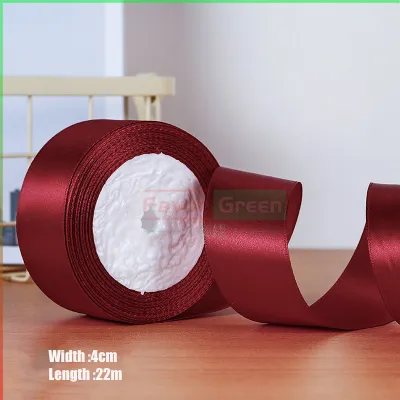
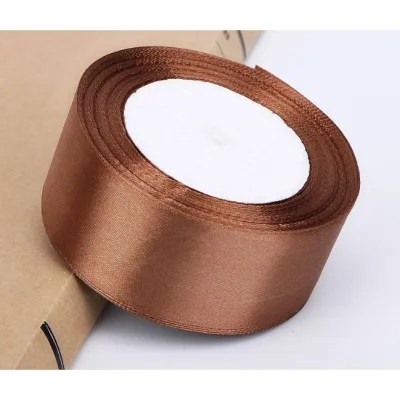
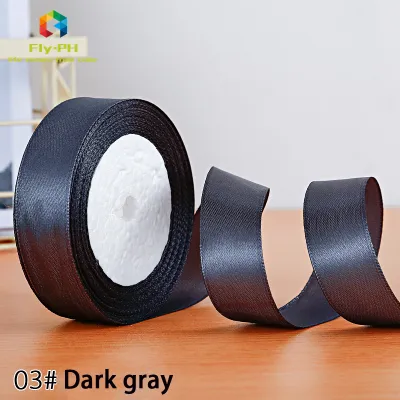
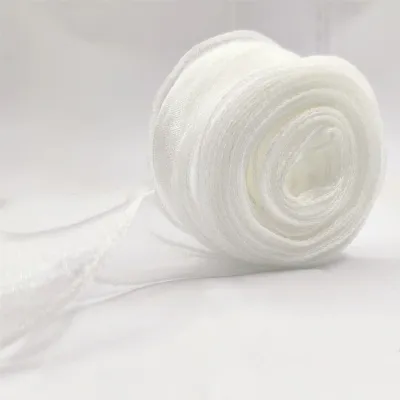
Prices are valid at publication and may change. Please refer to the product page for the latest price.
- Symmetry: Is the arrangement round and orderly, or loose and asymmetrical?
- Foliage: Are the stems clean, or is there a heavy presence of eucalyptus, ferns, or tropical leaves?
- Color Palette: Are you working with soft pastels, bold monochromatic tones, or earthy, neutral shades?
- Environment: Will the bouquet be held in a humid, outdoor tropical garden in the Philippines, or inside an air-conditioned banquet hall? High-humidity environments require materials that resist wilting and color bleeding when exposed to moisture.
Pairing Ribbon Materials with Bouquet Aesthetics
Matching ribbon materials to bouquet aesthetics requires a balance of fabric weight, opacity, and structural integrity. Heavy, opaque fabrics pair naturally with dense, substantial blooms, while sheer, lightweight textiles complement delicate or airy arrangements. By understanding the physical properties of each ribbon type, you can select a wrap that supports the stems physically while enhancing the overall design.

Satin and Velvet for Classic and Romantic Arrangements
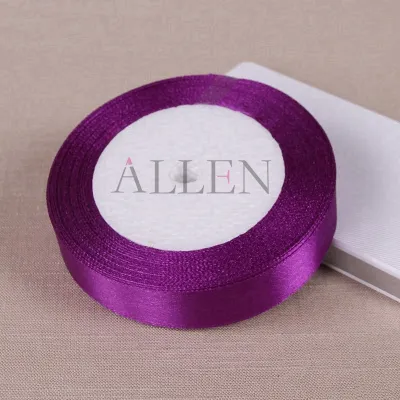
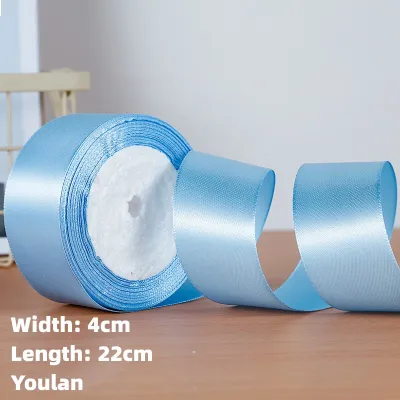
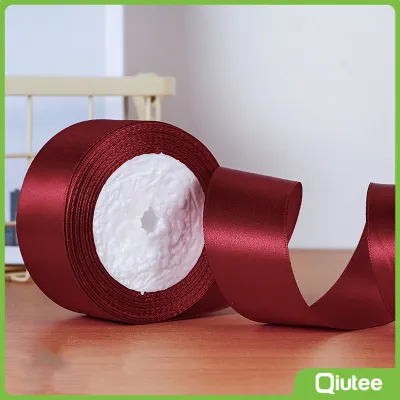
Satin and velvet are the premier choices for formal, traditional, and deeply romantic bouquets. Satin is celebrated for its smooth, lustrous surface, which catches the light beautifully and adds an instant touch of luxury. It pairs exceptionally well with classic, high-petal-count flowers such as roses, peonies, and elegant calla lilies. The clean, reflective surface of satin mirrors the formal structure of these traditional blooms, making it a staple for weddings and formal galas.
Velvet offers a rich, plush texture that provides incredible visual depth. It is highly effective in vintage-inspired or dramatic arrangements, where its matte-like pile absorbs light while its soft sheen highlights the contours of the ribbon folds. When choosing between the two, consider the season, lighting, and local climate. While velvet is traditionally associated with cooler weather, a narrow velvet ribbon can add a luxurious accent to tropical evening arrangements without feeling overly heavy. In contrast, satin remains a versatile, year-round option that performs beautifully under both bright outdoor sun and soft indoor lighting.
Organza for Modern and Ethereal Designs
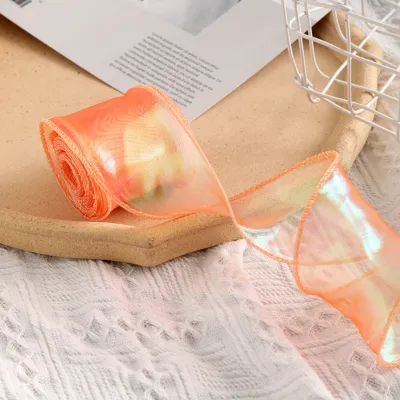
Organza is a sheer, lightweight fabric that brings a sense of whimsy, modern minimalism, and ethereal beauty to floral designs. Because of its translucent quality, organza allows the natural green of the stems to peek through slightly, creating a soft, floating effect. This material is the ideal match for delicate, airy arrangements featuring baby’s breath, orchids, or delicate lilies, where a heavy fabric would visually crush the fragile blooms.
To create visual interest with organza, try layering the material. Wrapping wide organza ribbon multiple times around the stems builds up a soft, cloud-like volume and increases color opacity without adding physical weight or bulk to the handle. However, organza does have structural limitations. Because of its delicate, fine weave, it is highly susceptible to snagging on rough foliage, woody stems, or thorns. When working with highly textured or thorny elements, ensure the stems are thoroughly prepped and smoothed before wrapping, or reserve organza strictly for clean, soft-stemmed arrangements.
Burlap for Rustic and Garden-Style Bouquets
Burlap is a coarse, woven textile made from natural jute or flax, making it the quintessential choice for rustic, farmhouse, and garden-style bouquets. Its rough, earthy texture grounds an arrangement, giving it an organic, hand-picked charm. Burlap pairs beautifully with vibrant, sturdy blooms such as sunflowers, daisies, wildflowers, and succulents, as well as dried floral elements like lavender and wheat.
The key to using burlap successfully is balancing its rough texture with the softer elements of your bouquet. The contrast between a delicate, soft petal and the coarse weave of burlap creates a compelling visual tension that defines the rustic-chic aesthetic. To keep the arrangement looking polished rather than messy, pay close attention to the edges of the ribbon. While a slightly frayed edge can enhance the rustic vibe, excessive unraveling looks untidy. You can manage this by choosing a burlap ribbon with finished, sewn edges, or by applying a very thin line of clear craft glue along the cut edges to lock the fibers in place.
Sizing, Wrapping, and Tying Techniques
Achieving a professional finish requires precise sizing and proper wrapping techniques. The width of your ribbon should correspond to the scale of the bouquet. For standard bridal bouquets, a ribbon width of 1.5 to 2 inches (approximately 3.8 to 5 centimeters) is ideal, as it covers the stems adequately without looking bulky. For smaller nosegays, bridesmaid bouquets, or boutonnieres, opt for narrower ribbons ranging from 0.5 to 1 inch. To determine the length, budget approximately 1 to 1.5 meters of ribbon if you prefer a clean, fully wrapped handle, or up to 3 meters if you want long, dramatic trailing tails that flutter in the breeze. When budgeting for your floral supplies, high-quality satin or velvet ribbons typically range from ₱150 to ₱400 per roll, depending on the width and material origin.
When wrapping the stems, start from the top of the handle (just below the blooms) and wrap downward in a tight, overlapping spiral, then wrap back up to the top to ensure complete coverage. Secure the ribbon at the top with decorative floral pins, inserting them upward at an angle directly into the stems to prevent them from slipping or poking through the other side. If you are working with delicate stems where pins might cause damage, use a high-quality, waterproof double-sided adhesive tape designed for floral use. For tying, match the knot style to the fabric’s natural drape: stiff ribbons like heavy burlap or wired satin hold structured, crisp bows beautifully, while soft, unwired satin and organza are best suited for simple, elegant knots with long, flowing tails.
Common Ribbon Pairing Mistakes to Avoid
One of the most common mistakes in bouquet design is pairing incompatible textures, such as wrapping delicate, sheer organza over rough, thorny rose stems without proper prep. This inevitably leads to snags, tears, and an untidy appearance. Another frequent error is overpowering the flowers by using a ribbon that is excessively wide or brightly colored. The ribbon should complement the blooms, not compete with them; a neon or overly dominant ribbon can distract the eye away from the natural beauty of the floral arrangement.
Additionally, failing to protect your ribbon from wet stems can ruin the entire presentation. If you wrap satin, velvet, or silk directly onto freshly cut, damp stems, the water will seep into the fabric, causing unsightly dark spots, water stains, or even color bleeding. Because water resistance and colorfastness depend on the exact material combination, always perform a quick spot-test by wetting a small scrap of your ribbon to verify it will not bleed or lose its smoothness when exposed to moisture. To prevent water damage on the day of your event, always dry the stems thoroughly with a clean towel before wrapping. For added security, apply a protective layer of green waterproof floral tape over the stems first to act as a moisture barrier, ensuring your decorative ribbon remains pristine and dry throughout the event.
Frequently Asked Questions (FAQ)
Can I mix two different ribbon materials on one bouquet?
Yes, mixing ribbon materials is an excellent way to add texture and depth to your bouquet. The key to successful layering is creating contrast in both width and texture. For example, you can wrap the handle in a wide, solid satin ribbon as a smooth base, and then tie a narrower, textured organza or lace ribbon over it. Ensure the colors are complementary—either matching tones for a subtle look or contrasting shades for a bold statement—and keep the heavier material as the base layer to maintain structural balance.
How do I prevent ribbon from fraying or unraveling?
The best method for preventing fraying depends on whether your ribbon is synthetic or natural. For synthetic materials like satin, polyester velvet, and organza, you can carefully pass the cut edge near a small flame (such as a lighter or candle) for a split second; the heat will melt and seal the plastic fibers instantly. For natural fibers like burlap, cotton, or silk, heat sealing will not work. Instead, use sharp pinking shears to cut a zig-zag edge, apply a thin bead of clear fabric glue along the cut line, or fold the edge over and secure it with a tiny strip of double-sided fabric tape.
What is the best way to attach ribbon to wet floral stems?
To secure ribbon to wet stems without causing water damage, you must create a moisture barrier. First, pat the stems completely dry with a paper towel. Next, wrap the handle area tightly with waterproof green floral tape, which seals in any residual moisture and provides a grippy surface. Once the barrier is in place, wrap your decorative ribbon over the floral tape. Secure the ribbon using rust-resistant floral pins pushed upward into the stems, or use a waterproof double-sided adhesive tape to hold the fabric firmly in place without staining.

Community discussion
Share your experience or ask a question. Comments are reviewed before publication.