
Selecting the perfect ribbon material is the most critical decision when crafting a ribbon flower bouquet. The ideal choice depends entirely on your desired aesthetic: smooth satin delivers a classic, high-shine elegance; sheer organza creates an airy, romantic volume; and ribbed grosgrain offers a structured, rustic charm. By matching the physical properties of these fabrics—such as drape, stiffness, and edge finish—to your specific floral design, you can ensure your handmade blooms retain their shape, withstand handling, and look stunning under any lighting.
Define Your Bouquet Style and Material Needs
Before purchasing your crafting supplies, you must establish the visual theme and structural requirements of your project. Ribbon flower bouquets are popular for weddings, graduations, and Mother’s Day gifts, meaning they must withstand significant handling and transport. If you are designing a bouquet for an outdoor event in a warm, humid climate, material stability is paramount. High humidity can cause certain starched or natural-fiber ribbons to lose their crispness and sag over time.
Choosing synthetic fibers like polyester or nylon helps your handmade petals maintain their structural integrity regardless of the weather. Additionally, consider the lighting of your display venue. High-gloss ribbons reflect bright event lights dramatically, which can sometimes wash out the details of your folds in photographs. Conversely, matte or textured ribbons absorb light, offering a softer, more organic look that photographs beautifully under natural sunlight.
Products mentioned in this guide
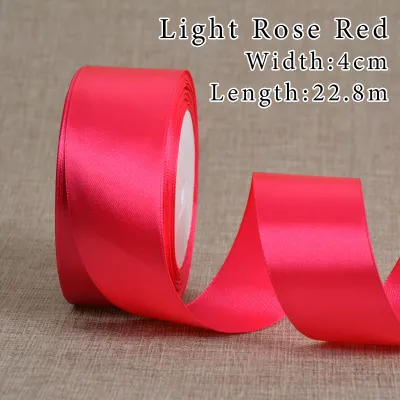
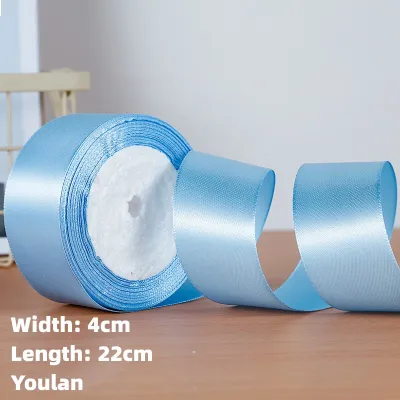
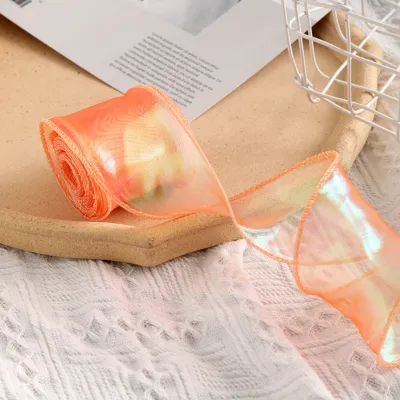
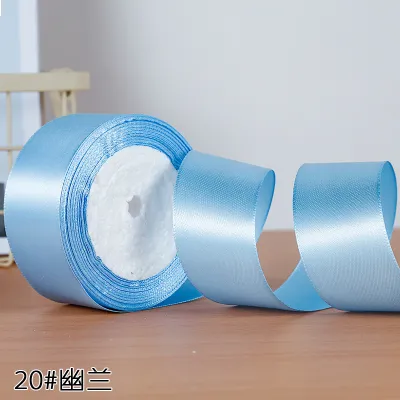
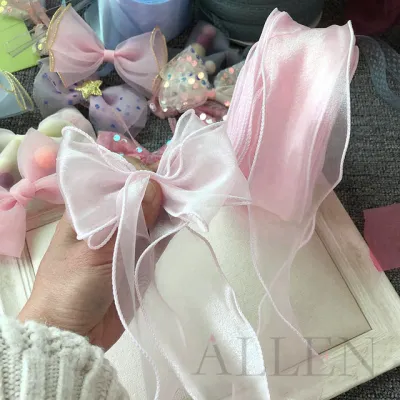
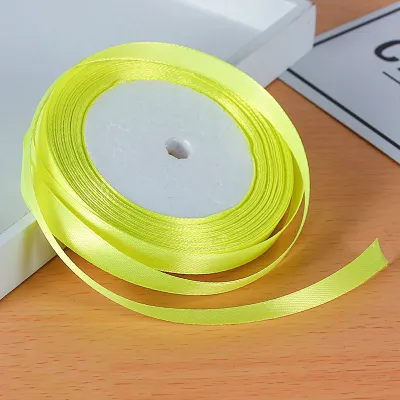
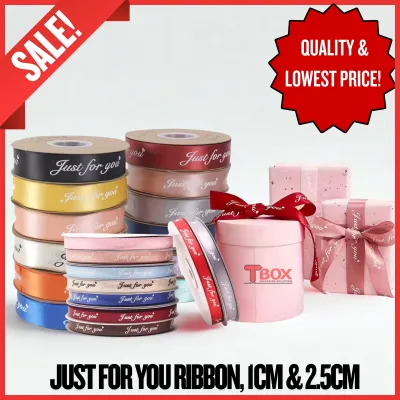
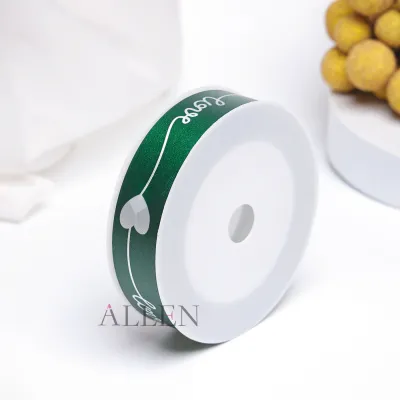
Prices are valid at publication and may change. Please refer to the product page for the latest price.
Gather Essential Tools and Crafting Materials
To construct a durable and professional-looking ribbon flower bouquet, you need a dedicated set of tools tailored to fabric crafting. While basic crafting supplies can be gathered for under ₱500, investing in high-quality tools ensures a much smoother crafting experience. Standard household scissors often chew through delicate ribbon fibers, leaving jagged, frayed edges. Investing in a pair of ultra-sharp fabric shears is essential for clean, precise cuts. A self-healing cutting mat with grid lines and a clear acrylic ruler will help you measure and cut uniform ribbon segments quickly.

Adhesives and heat tools are the primary bonding agents for ribbon flowers. A dual-temperature hot glue gun is highly versatile; use the high-temperature setting for securing structural wire and the low-temperature setting to prevent melting delicate synthetic ribbons. For safety, always work on a heat-resistant silicone mat and wear silicone finger protectors to avoid painful burns from hot adhesive. A simple lighter or a small candle is also necessary for heat-sealing the raw edges of synthetic ribbons to prevent unraveling.
Finally, assemble your structural supports. You will need green floral wire (typically 22-gauge to 26-gauge), green stem tape to wrap the wires, and a sturdy base such as a cardboard tube or a plastic bouquet holder.
Match Ribbon Materials to Your Desired Bouquet Style
Every ribbon material possesses unique physical properties that dictate how it behaves when folded, gathered, or twisted. Drape refers to how a fabric hangs, while stiffness determines its ability to hold a sharp crease. Opacity affects how light passes through the petals, which can create beautiful layered color gradients. By understanding these characteristics, you can select the perfect ribbon type to match your intended floral aesthetic.
The width of the ribbon also plays a crucial role in the scale and detail of your blooms. For instance, a 2.5 cm ribbon is ideal for creating small, delicate rosebuds or filler flowers, while a 4 cm ribbon is perfect for large, dramatic open roses or peonies. Additionally, pay attention to the edge finish of the ribbon; woven edges are clean and resist fraying, whereas wire-edged ribbons allow you to sculpt and reshape petals dynamically after the bouquet is fully assembled.
Use Satin for Elegant and Classic Bouquets
Satin ribbon is the traditional choice for classic, formal, and bridal bouquets due to its luxurious sheen and smooth texture. It is the ideal material for constructing tightly folded roses, layered camellias, and structured peonies. The high-gloss surface of satin catches the light beautifully, giving the finished bouquet a polished, high-end appearance that mimics the natural luster of fresh petals.
However, satin can be challenging to handle because of its slippery texture. To prevent your folds from shifting during assembly, maintain a firm grip and apply small, precise dabs of hot glue at key anchor points. Satin also frays easily when cut, so you must heat-seal every raw edge immediately.
Dimensional Depth Technique: Most single-faced satin ribbons feature a glossy side and a matte side. You can exploit this contrast to add realistic depth to your flowers. By folding some petals with the shiny side facing outward and others with the matte side exposed, you create subtle shadows and highlights that make the flower head look incredibly lifelike.
Choose Organza for Airy and Romantic Styles
If your goal is a whimsical, romantic bouquet, organza is the perfect material. Organza is a sheer, lightweight fabric with a slightly stiff, springy texture. This unique combination allows you to build voluminous, cloud-like blooms without adding heavy bulk. It is particularly suited for loose, gathered flowers like carnations, hydrangeas, and fantasy blossoms.
Working with organza requires a delicate touch, especially when applying heat. Because the fabric is incredibly thin, it melts rapidly under direct flame. When heat-sealing organza edges, hover the fabric near the side of a flame rather than touching it directly; this melts the edge cleanly without leaving black soot.
Layering and Support: Because organza is translucent, single layers can look sparse. To achieve a rich, full appearance, layer multiple organza petals together, or pair them with a stiffer backing material like satin. Using a satin ribbon as the inner core of a rose and surrounding it with sheer organza outer petals creates a stunning, soft-focus romantic effect.
Select Grosgrain for Structured and Rustic Looks
Grosgrain ribbon is characterized by its distinct ribbed texture and heavy, matte finish. This ribbing gives grosgrain exceptional body and stiffness, making it the premier choice for highly structured, modern, or rustic bouquet styles. If you want to craft flowers with sharp, defined geometric petals—such as sunflowers, dahlias, or stylized daisies—grosgrain provides the necessary rigidity to hold those shapes permanently.
The ribbed texture of grosgrain offers a practical advantage during the crafting process: it is highly slip-resistant. Unlike slippery satin, grosgrain holds glue exceptionally well and stays firmly in place while you fold and assemble the petals. This makes it an excellent material for beginners who are still mastering ribbon-folding techniques.
Rustic Styling: To achieve a charming, handmade, or outdoor aesthetic, pair grosgrain flowers with natural elements. Wrapping the bouquet handle in brown grosgrain, burlap, or jute twine complements the ribbon’s matte texture perfectly, creating a cohesive, rustic look that is ideal for casual celebrations or home decor.
Add Velvet and Specialty Ribbons for Luxurious Accents
To elevate your bouquet from a simple craft project to a premium work of art, incorporate velvet and other specialty ribbons as accents. Velvet ribbon features a dense, plush pile that absorbs light deeply, resulting in rich, saturated colors that add immense visual weight and luxury to your design. It is particularly effective for seasonal autumn or winter bouquets, or for creating a single, dramatic focal flower in the center of your arrangement.
Specialty ribbons—such as metallic gold trim, glitter-infused mesh, or delicate lace—should be used sparingly to avoid visual clutter. Use them to wrap the bouquet handle, create elegant hanging streamers, or form small filler loops between major flower heads.
Handling Velvet: Velvet requires careful handling to preserve its luxurious texture. Avoid applying hot glue directly to the plush side of the ribbon, as the heat and pressure will permanently crush the pile. Always apply adhesive to the smooth backing of the velvet ribbon, and handle the petals gently during assembly.
Assemble Your Ribbon Flower Bouquet Step-by-Step
Constructing a cohesive ribbon flower bouquet requires a systematic approach to ensure uniformity and structural balance. Follow these steps to prepare, shape, and assemble your handmade arrangement:
- Measure and Cut: Cut your ribbon into consistent lengths. For a standard rose, you will need about 10 to 15 segments of 4 cm wide ribbon, each cut to a length of 8 cm. Use fabric shears and a ruler to ensure every segment is identical, then heat-seal the raw edges.
- Fold and Shape: Lay a ribbon segment flat. Fold the top left and right corners down to meet the bottom edge, forming a triangle, and secure with a tiny dot of glue. Fold the bottom corners upward to meet the center top point, creating a compact petal shape, and secure the base.
- Build the Flower Core: Bend the top end of a piece of floral wire into a small loop. Glue your first folded petal tightly around this loop to form the central bud.
- Layer the Petals: Glue the remaining petals around the central bud in a spiral pattern, overlapping each new petal slightly. Place the petals progressively lower and looser as you move outward to mimic a natural bloom.
- Secure and Wrap: Wrap the base of the flower head tightly with green stem tape, continuing down the entire length of the floral wire. Repeat this process for all flowers before gathering them into a tight, balanced dome shape to form the final bouquet.
Apply Finishing Touches and Perform Quality Checks
Once your bouquet is assembled, you must perform a series of quality checks to ensure its durability and visual appeal. Gently tug on individual petals and shake the bouquet slightly to verify that all adhesive bonds and wire connections are completely secure. If any petals feel loose, apply a small drop of hot glue deep within the flower structure to reinforce the connection.
Next, use fine embroidery scissors to trim away any stray hot glue strings or loose threads that may have emerged during assembly. Take a moment to gently fluff the organza layers, adjust the angles of the wire stems, and correct any minor asymmetries in the overall dome shape of the bouquet.
Finally, wrap the gathered wire stems tightly with a wide, coordinating satin or grosgrain ribbon to create a comfortable, elegant handle, securing the end with decorative pearl-headed pins. You can also tuck faux silk foliage, pearl sprays, or delicate lace loops between the ribbon flowers to fill any small gaps and provide a professional, cohesive finish.
Frequently Asked Questions (FAQ)
Can I mix different ribbon materials in a single bouquet?
Yes, mixing different ribbon materials is an excellent way to add texture, depth, and visual interest to your bouquet. For a balanced design, pair contrasting textures like glossy satin with sheer organza or matte grosgrain. To maintain structural integrity, use stiffer ribbons like grosgrain or heavy satin for the structural base and inner petals of your flowers, and use delicate materials like organza for the outer, airy layers. Ensure your adhesive is compatible with all selected fabrics, and apply it carefully to prevent bleeding through thinner materials.
How do I prevent ribbon edges from fraying during crafting?
The most effective method to prevent fraying depends on the fiber content of your ribbon. For synthetic ribbons like polyester satin, organza, and grosgrain, heat-sealing is the quickest and cleanest method. Gently pass the raw cut edge near the flame of a lighter or candle for a fraction of a second; the heat will melt the synthetic fibers together, creating a permanent, fray-proof seal. For natural fibers or delicate blends that burn rather than melt, apply a thin, even layer of clear liquid fabric sealant along the cut edge, or use specialized pinking shears to cut a zig-zag pattern that naturally resists unraveling.
What is the best way to store a finished ribbon flower bouquet?
To preserve the vibrant colors and shape of your ribbon flower bouquet, store it in a cool, dry place away from direct sunlight, which can fade synthetic dyes over time. In humid tropical environments, keep the bouquet in a breathable cardboard storage box rather than a sealed plastic container, as trapped moisture can weaken adhesives or cause fabric to limp. Place the bouquet upright in a heavy vase or support it with tissue paper inside the box to prevent the weight of the flower heads from crushing the delicate lower petals.

Community discussion
Share your experience or ask a question. Comments are reviewed before publication.