
Elevating a gift presentation often comes down to the final details. A thoughtfully chosen gift bag with a handle provides convenience, but pairing it with the right ribbon and bow transforms it into a memorable gesture. Achieving a polished look requires balancing the visual weight of the bag, coordinating textures, and ensuring the attachment remains secure. In tropical climates where high humidity can soften paper fibers and affect adhesive grip, selecting the right combination is both an aesthetic and a practical decision. By understanding how different ribbon styles, widths, and bow types interact with various bag materials, you can create a cohesive presentation that stands up to handling and environmental conditions.
Understanding Gift Bag Materials and Handle Types
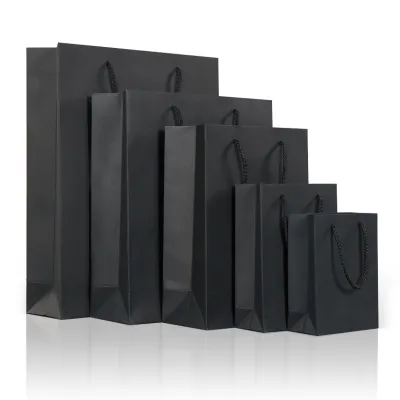
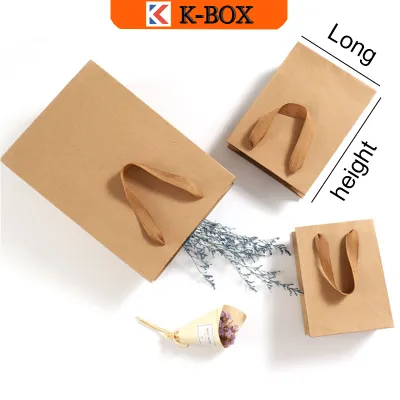
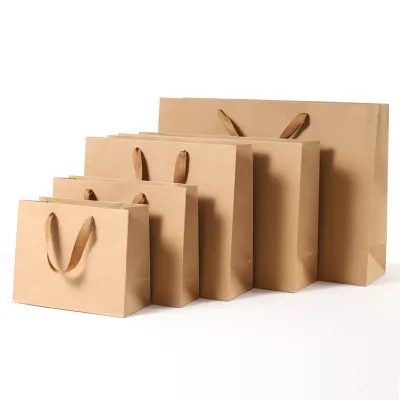
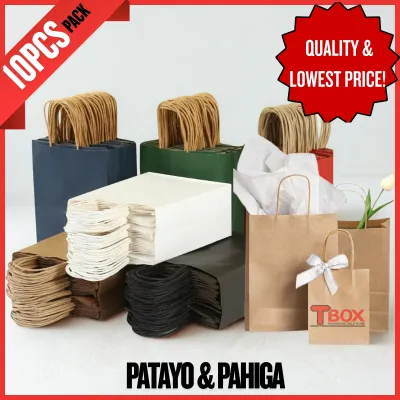
To create a balanced presentation, start by analyzing the material of your gift bag. Matte paper bags offer a clean, modern aesthetic with a medium-to-heavy visual weight, providing a stable structure that supports substantial embellishments. Glossy paper bags feature a reflective, slick finish that commands attention but can easily show fingerprints. Kraft paper bags, known for their rustic and organic texture, have a lighter visual weight and pair well with natural elements. Fabric or non-woven bags are highly flexible and reusable, presenting a soft, tactile quality that requires lightweight decorations to prevent sagging.
Next, examine the handle design, as this dictates where and how you can attach your ribbon. Common handle types include twisted twine, soft satin ribbons, die-cut handles, and flat folded paper straps. Twine handles offer excellent grip for knots but can look swallowed up by overly thick ribbons. Satin ribbon handles are smooth and elegant but prone to slipping if your decorative bow is not anchored correctly. Die-cut handles limit your attachment points, often requiring you to thread the ribbon directly through the opening, while flat paper handles are stiff and fragile at their attachment points.
Products mentioned in this guide
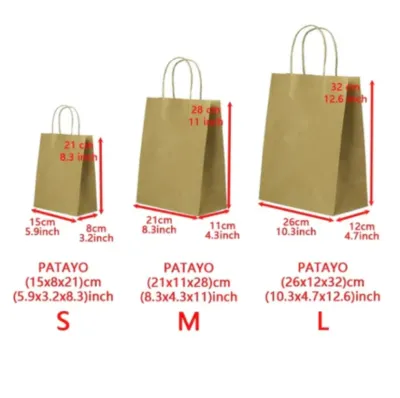
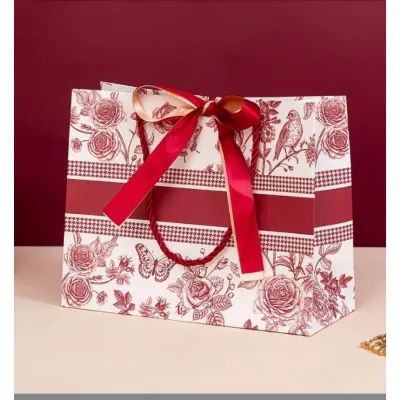
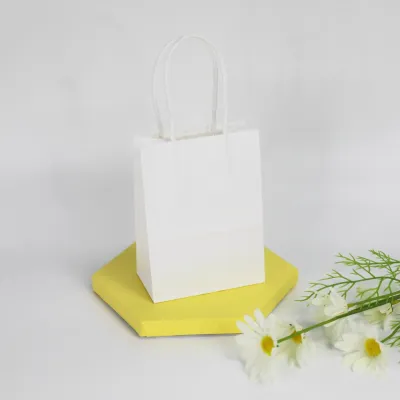
Prices are valid at publication and may change. Please refer to the product page for the latest price.
Before adding any decorations, assess the structural strength of both the bag and its handles. Check the paper weight or the thickness of the fabric. A lightweight bag can easily warp or tear if you attach a heavy, wire-edged bow to the handles. In humid environments, paper naturally absorbs moisture from the air, reducing its structural rigidity. Ensure that the weight of your ribbon and bow does not exceed what the handle glue or eyelets can safely bear during transport.
Choosing the Right Ribbon Width and Texture
Proportion is key to a professional-looking gift presentation. As a general guideline, match the width of your ribbon to the overall scale of the gift bag. For small bags under 15 centimeters in width, stick to narrow ribbons ranging from 6 millimeters to 12 millimeters. Medium-sized bags between 15 and 25 centimeters pair beautifully with standard ribbon widths of 15 millimeters to 25 millimeters. Large, spacious bags over 25 centimeters require wide, substantial ribbons of 38 millimeters to 50 millimeters to ensure the decoration is not visually lost.

Contrasting textures is an effective way to generate visual interest without cluttering the design. If you are working with a glossy paper bag, choose a matte or highly textured ribbon, such as grosgrain, cotton herringbone, or a rustic linen. This contrast tones down the high-shine surface and adds depth. Conversely, for rustic kraft paper or matte bags, opt for smooth, lustrous ribbons like single-faced satin, sheer organza, or metallic foil ribbons. The sheen of the ribbon elevates the humble, earthy texture of the paper, creating a sophisticated balance.
Always verify material compatibility before finalizing your design. Some smooth ribbons, such as satin or nylon, tend to slip when tied around slick glossy handles or smooth plastic-coated paper. Conduct a quick trial by tying a loose knot and observing if it slides under gentle tension. Additionally, check if the dye in vibrant fabric ribbons is prone to bleeding when exposed to high humidity or moisture, which can ruin light-colored paper bags. Opt for colorfast polyester ribbons to prevent color transfer during transport.
Selecting Bow Styles for Different Occasions and Bag Designs
The style of your bow should reflect the tone of the occasion and the design of the bag. For formal events like weddings, anniversaries, or corporate gatherings, a classic double-loop bow offers timeless elegance. This style is clean, symmetrical, and structured. For festive celebrations, birthdays, or family reunions, a fluffy, multi-loop pom-pom bow or a layered rosette adds a sense of excitement and abundance. If your gift bag features a highly minimalist design, a simple, elegant single-knot loop or a tailored flat bow keeps the presentation modern and uncluttered.
Coordinate the placement of your bow with the handle’s attachment points to maintain visual balance. Tying the bow directly to the base of one handle, where it meets the bag’s collar, is a reliable method that keeps the bag’s opening clear. If the bag has die-cut handles, you can thread the ribbon through the slot and tie the bow off-center to create an asymmetrical, contemporary look. Avoid centering a massive bow directly between the handles, as this can make it difficult for the recipient to carry the bag comfortably.
Be mindful of the bow’s volume and tail length in relation to the bag’s surface design. If your gift bag features a beautiful printed pattern, gold foil stamping, or a personalized gift tag, adjust the bow’s size so it does not obscure these elements. Keep the tails of the bow trimmed at a neat angle or a swallowtail cut, ensuring they drape elegantly without dragging on the table or covering up important messages printed on the front of the bag.
Step-by-Step Tying and Attachment Techniques
Securing your ribbon to different handle types requires specific techniques to prevent slipping while protecting the bag. For twisted twine or rope handles, start by tying a secure base knot, such as a square knot, around one of the handle straps. This provides a stable foundation. Once the base is secure, tie your decorative bow directly over the knot. The natural texture of the twine will grip the ribbon fibers, keeping the bow firmly in place.
When working with die-cut or flat paper handles, threading is often the most secure method. Cut a length of ribbon and thread it through the die-cut opening from the inside out. Wrap the ribbon around the top edge of the handle and tie a neat bow on the exterior face of the bag. For flat paper handles, avoid tying tight knots directly around the paper strap, as this can easily crease or tear the paper. Instead, loop the ribbon gently around the base of the handle where it is glued to the inside of the bag, distributing the tension evenly.
To hide attachment points and reinforce weaker handles, utilize discreet securing tools. Apply a small dot of double-sided tape to the underside of your ribbon knot and press it firmly against the bag’s collar or the handle base. This prevents the bow from sliding or rotating. If you are using a heavy, pre-made bow, thread a short piece of floral wire through the back of the bow, wrap it gently around the handle, and twist it secure on the inside of the bag, ensuring the sharp wire ends are bent away to prevent scratches.
Always control your tension when tying ribbons around paper handles. Pulling the ribbon too tightly can warp the paper around the handle eyelets, pull the handles out of alignment, or tear lightweight kraft paper. Keep your movements gentle and firm, allowing the ribbon to sit snugly against the bag without distorting its natural shape.
Common Matching Mistakes to Avoid
Avoiding common pairing mistakes ensures your gift presentation looks professional and remains intact. One of the most frequent errors is a proportion mismatch. Placing a massive, heavy wire-edged bow on a tiny, delicate jewelry bag looks comical and can cause the bag to tip over. Conversely, a thin, flimsy ribbon tied around a large, heavy-duty shopping bag will look cheap and unfinished. Always scale your ribbon width and bow size to match the physical dimensions of the bag.
Texture clashes can also detract from your presentation. Avoid pairing cheap, stiff plastic curling ribbon with premium fabric, linen, or heavy textured cardstock bags. The synthetic sheen of plastic ribbon cheapens the high-quality feel of the fabric. Instead, invest in woven fabric ribbons like satin, grosgrain, or cotton, which complement premium packaging materials beautifully.
Be cautious of handle overload. Adding heavy embellishments, such as large wooden ornaments, thick metal charms, or oversized multi-layered bows, can put excessive strain on the handle attachments. If the handles are only secured with light adhesive, the added weight—especially when combined with the weight of the gift inside—can cause the handles to tear away from the bag entirely. Keep decorations lightweight and structurally supported.
Finally, limit the complexity of your color palette. A busy presentation with too many competing colors looks chaotic rather than festive. Stick to a maximum of three coordinating colors across the bag, handles, ribbon, and gift tag. For example, pair a kraft paper bag with black handles, a forest green ribbon, and a simple white tag for a clean, cohesive, and sophisticated look.
Frequently Asked Questions (FAQ)
Can I reuse ribbons and bows from previous gift bags?
Yes, reusing ribbons and bows is an excellent way to reduce waste, provided they are still in good condition. Before reusing, inspect the ribbon for deep creases, fraying edges, or loss of structural shape. If a fabric ribbon is wrinkled but otherwise undamaged, you can restore its crispness by gently steaming it or running a flat iron over it on a very low heat setting. Avoid using high heat on synthetic ribbons like polyester or nylon, as they can melt easily. Discard any ribbons that are stained, heavily frayed, or have lost their elasticity.
How do I keep a bow from slipping off a smooth rope handle?
To prevent a bow from sliding down a smooth nylon or satin rope handle, apply a small piece of double-sided tape or a discreet dot of clear craft glue directly to the underside of the knot where it contacts the rope. Alternatively, you can tie a secure base knot around the handle before forming the decorative loops, which increases friction. Using a wire-edged ribbon can also help, as the internal wire allows you to mold the bow tightly around the handle shape, keeping it securely in place without slipping.

Community discussion
Share your experience or ask a question. Comments are reviewed before publication.