
Matching the right zipper for a dress requires balancing the weight, drape, and texture of your fabric with the structural properties of the zipper tape and teeth. For delicate materials like chiffon and satin, lightweight nylon coil or invisible zippers prevent puckering and maintain a fluid silhouette. For textured, handwoven Philippine textiles like piña, jusi, hablon, or inabel, the choice depends heavily on the specific weave, requiring careful physical checks to ensure the zipper tape does not distort the artisanal fibers. Selecting an incompatible zipper can ruin hours of careful sewing, making it essential to evaluate how the zipper’s weight and flexibility interact with your chosen textile.
In tropical climates where lightweight, breathable garments are preferred, a heavy or stiff zipper can feel uncomfortable against the skin and ruin the airy quality of a dress. By understanding how different zipper types behave, you can make informed decisions that preserve both the beauty and the longevity of your handmade garments.
Assessing Zipper Types and Weights for Dress Fabrics
Selecting the correct zipper begins with understanding the basic categories available and how their physical properties affect a garment’s structure. The three primary types of zippers used in dressmaking are invisible zippers, standard nylon coil zippers, and metal zippers. Each type serves a distinct functional and aesthetic purpose, and choosing among them requires a careful look at the weight of your fabric.
Products mentioned in this guide
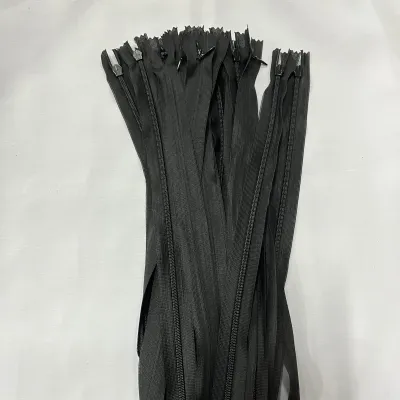
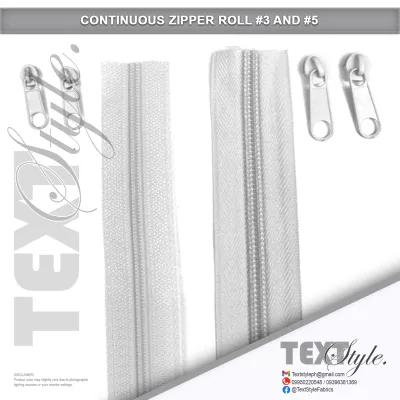
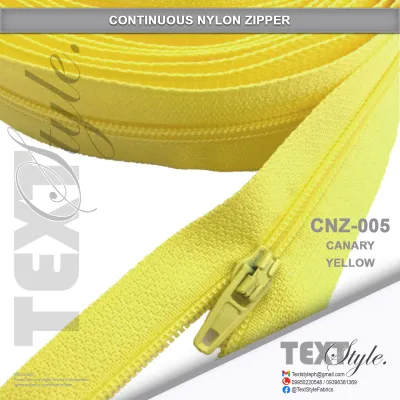
![[Ord*1pc] High Quality Nylon Coil Zipper size 8” or 18” sold per piece by SewwearStore](https://img.lazcdn.com/g/ff/kf/Sc023a58c00fc4195b3e8fda19460bedaB.jpg_400x400q80.jpg_.webp)
Prices are valid at publication and may change. Please refer to the product page for the latest price.
Invisible zippers are designed with the teeth on the reverse side of the tape, allowing them to disappear completely into the seam line once installed. This makes them the standard choice for formal wear, fitted dresses, and lightweight garments where a clean, uninterrupted finish is desired. Standard nylon coil zippers, on the other hand, have visible teeth but offer excellent flexibility and strength, making them highly suitable for casual dresses, skirts, and everyday wear. Metal zippers feature teeth made of brass, aluminum, or nickel, providing maximum durability and a distinct design element, though they add significant weight and rigidity to a seam.
The weight of the zipper tape—the fabric strip on either side of the teeth—plays a critical role in how the dress hangs on the body. A heavy polyester zipper tape sewn into a lightweight fabric will cause the seam to sag, ripple, or collapse under the weight. Conversely, a zipper tape that is too light may split or warp when sewn into heavy, structured fabrics.
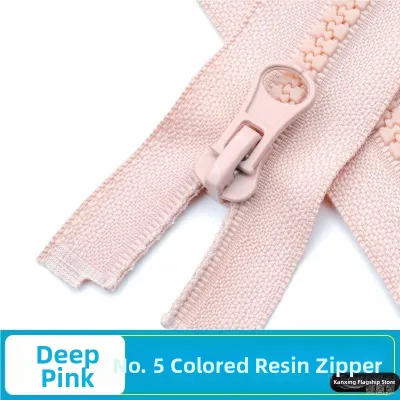
Teeth size and slider weight also contribute to the overall heft of the closure. Zipper sizes are typically designated by numbers, such as #3 or #5, which indicate the width of the teeth in millimeters. A larger number means heavier teeth and a bulkier slider, which can pull down a delicate neckline or back seam. When purchasing materials, always check the manufacturer specifications and product labels for recommended fabric weights and applications to ensure a proper match.
Choosing Zippers for Delicate Fabrics Like Chiffon and Satin
Chiffon and satin present unique challenges due to their delicate structures and smooth finishes. Chiffon is sheer, lightweight, and highly fluid, meaning any added weight along a seam will immediately distort its natural drape. Satin, while often heavier than chiffon, features a smooth, lustrous surface with long float threads that are highly susceptible to snagging, pulling, and showing even the slightest tension imbalances.

To maintain the fluid drape of chiffon and the sleek, uninterrupted surface of satin, fine nylon coil or invisible zippers are highly recommended. These zippers provide a secure closure without adding unnecessary bulk or stiffness. Because invisible zippers sit flat against the inside of the garment, they minimize the risk of the zipper teeth rubbing against the delicate face of the fabric.
Before purchasing a zipper for these delicate materials, it is crucial to verify the flexibility of the zipper tape. Stiff, heavily starched tapes will fight against the natural bias and movement of chiffon or satin, resulting in permanent puckering along the seam line. Gently roll the zipper tape between your fingers; it should feel soft, pliable, and easy to bend. If the tape feels rigid or thick, look for a lighter alternative.
Working with these slippery fabrics also requires specific preparation steps to prevent damage during the sewing process. To avoid snagging satin’s delicate surface, inspect the zipper teeth and slider for any rough edges or manufacturing burrs before pinning. When securing the zipper to chiffon or satin, avoid using standard sewing pins, which can leave permanent holes or snag the fine threads. Instead, use extra-fine silk pins, fabric clips, or temporary hand-basting stitches to hold the zipper in place. Applying a narrow strip of lightweight, fusible stay tape to the seam allowance can also stabilize the slippery edges and prevent the fabric from stretching as you sew.
Matching Zippers to the Texture and Weight of Philippine Textiles
Traditional handwoven Philippine textiles offer a rich variety of textures, weights, and structural properties. These fabrics range from the gossamer, translucent qualities of piña (woven from pineapple fibers) and jusi (traditionally made from silk or banana fibers) to the dense, highly structured weaves of hablon and inabel. Because these textiles are artisanal and often handwoven, they require a highly customized approach to zipper selection.
When working with sheer, delicate local textiles like piña and jusi, lightweight invisible zippers are essential. These fabrics have an open, delicate weave that cannot support heavy hardware without tearing or sagging. The zipper tape must be exceptionally soft and lightweight to blend seamlessly with the sheer fabric. For thicker, more structured handwoven fabrics like hablon or inabel, standard nylon coil zippers or even lightweight metal zippers can be used. These heavier fabrics have the structural integrity to support the weight of metal teeth, which can sometimes complement the rustic, textured aesthetic of the weave.
Textured, slubbed, or handwoven surfaces are highly prone to catching on rough zipper teeth or sharp slider edges. Before installing any zipper into a handwoven textile, run your fingers along the entire length of the teeth to ensure they are perfectly smooth. Any rough spots can catch the loose, artisanal threads of the weave, causing irreversible pulls or tears in the fabric.
Aesthetic integration and color matching also require extra care when working with traditional textiles. Many local fabrics are colored using natural dyes or produced in small, unique artisanal lots, meaning digital color charts are rarely accurate. To ensure a seamless look, always bring a physical swatch of your fabric to the shop to compare it directly with the zipper tape under natural light. This physical comparison is the only way to guarantee that the zipper tape matches the unique hue and undertone of your handwoven textile.
Verifying Zipper and Fabric Compatibility Before Sewing
Before making any permanent cuts or stitches in your dress fabric, performing a few simple compatibility tests can save your project from costly mistakes. A physical weight and drape test is the most effective way to evaluate how the zipper will behave in the finished garment. Pin the closed zipper to a scrap piece of your fabric along the grain line, then hold the fabric vertically. If the fabric puckers, sags, or folds awkwardly around the zipper, the zipper is too heavy or rigid for that specific material.
Next, conduct a quick snag and colorfastness check. Gently drag a scrap of your fabric across the closed zipper teeth to see if any fibers catch or pull. For hand-dyed local textiles and vibrant satins, testing the colorfastness of both the fabric and the zipper tape is critical. Dampen a small corner of a fabric scrap and press it against a white cloth or a scrap of the zipper tape to ensure no dye transfers. This step is especially important in warm, humid tropical climates where perspiration and moisture can cause unstable dyes to bleed.
If your tests reveal significant fabric distortion, persistent snagging, or dye bleeding, do not proceed with the installation. If the material is exceptionally fragile, antique, or highly valuable—such as heirloom piña embroidery—it is best to stop and consult a professional tailor or a textile specialist. They can recommend alternative closure methods, such as hand-sewn snaps, thread loops, or specialized lightweight stabilizing techniques that protect the integrity of the fabric.
Frequently Asked Questions (FAQ)
Can I use a metal zipper on a chiffon dress?
Generally, using a metal zipper on a chiffon dress is not recommended. The physical weight of metal teeth and the heavy cotton or polyester tape can easily distort the delicate, sheer drape of chiffon, causing the fabric to sag, ripple, or even tear under the tension of normal wear. If your design absolutely requires a metallic aesthetic, ensure you reinforce the seam allowance with a sturdy, lightweight interfacing to distribute the weight, or consider a lightweight nylon coil zipper with a metallic finish as a safer alternative.
How do I prevent an invisible zipper from puckering on satin?
To prevent an invisible zipper from puckering on satin, you must carefully match the weight of the zipper tape to the fabric and stabilize the seam. Satin is highly prone to shifting and stretching during sewing, which creates uneven tension. Before stitching, apply a narrow strip of lightweight, fusible interfacing along the seam allowance where the zipper will be placed. This stabilizes the satin fibers, prevents stretching, and ensures a smooth, flat finish when the zipper is closed.

Community discussion
Share your experience or ask a question. Comments are reviewed before publication.