
Ordering a personalized card with a custom name and hand-lettered calligraphy online in the Philippines is a seamless way to elevate any milestone, from weddings and birthdays to corporate achievements. By leveraging local e-commerce platforms and specialized stationery shops, you can collaborate directly with skilled calligraphers to create a keepsake that feels both premium and deeply personal. The process involves preparing your text, selecting a design, communicating your specific lettering preferences, and verifying a digital proof before the physical card is crafted and shipped.
What to Prepare Before Ordering Custom Greeting Cards
Before you begin browsing online marketplaces or messaging independent stationery designers, gathering your core details will save time and prevent miscommunication. Start by defining the exact purpose of the card and the relationship you share with the recipient. A formal wedding card requires a different tone, layout, and paper selection than a casual birthday greeting or a professional thank-you note.
Write down the exact names, titles, or short phrases you want the calligrapher to write. Double-check the spelling of honorifics, middle initials, and unique family names, as even a minor typo can ruin the final product. If you are ordering multiple cards, organize these names in a clear, numbered list within a digital document so you can easily copy and paste them later.
Products mentioned in this guide
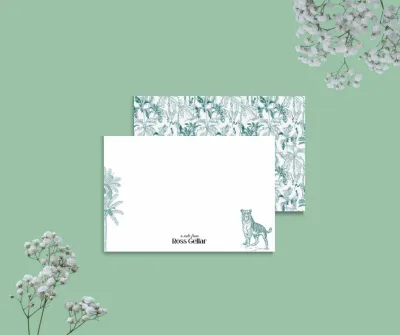
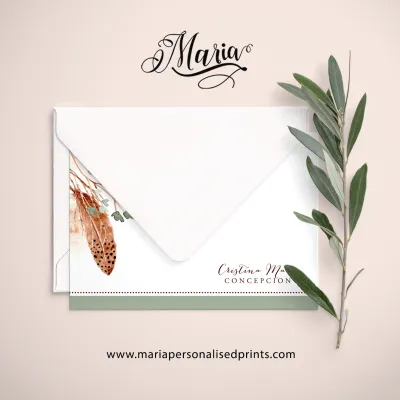
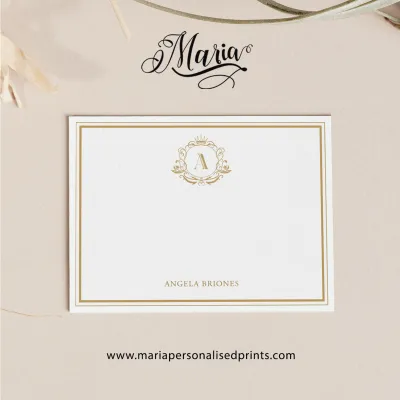

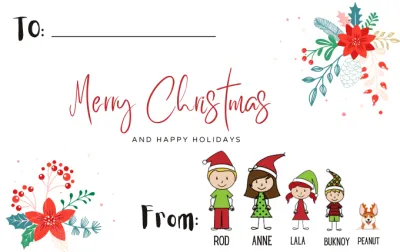
Prices are valid at publication and may change. Please refer to the product page for the latest price.
Consider your aesthetic preferences, specifically the calligraphy style and ink colors. Modern calligraphy often features playful, bouncy letterforms with varying line weights, making it ideal for casual celebrations. Traditional copperplate or Spencerian scripts offer a formal, elegant look with precise flourishes. For ink, decide whether you want classic black, deep navy, or metallic shades like gold and silver that catch the light beautifully.
Finally, establish a realistic budget in ₱ that accounts for the base card, custom calligraphy fees, and shipping costs. Because personalized items require manual labor and specialized tools, they carry a premium over mass-produced stationery. You must also establish your target delivery date, keeping in mind that custom hand-lettering cannot be rushed without compromising quality.
Step-by-Step Process for Ordering Personalized Cards Online
Navigating the online ordering process for custom stationery requires a structured approach to ensure your vision matches the final physical product. The entire journey can be broken down into three essential phases: selection, customization, and verification. By understanding these phases, you can manage your timeline effectively and maintain clear communication with the artist.

Unlike buying standard off-the-shelf items, purchasing custom calligraphy requires active collaboration. You will need to use the messaging features of your chosen e-commerce platform to discuss design limits, confirm material availability, and approve drafts. Treating the seller as a creative partner ensures that your personalized card with name is executed exactly as you envision.
Finding a Reliable Seller and Card Design
To begin, search for local stationery designers, custom print shops, or independent calligraphers on your preferred online marketplace or social commerce platform. Use specific search terms like “handwritten calligraphy card” or “personalized name card” to filter out generic printed options.
Once you find potential shops, evaluate their reliability by examining their customer reviews and portfolio images. Look closely at photos uploaded by previous buyers to assess the consistency of the lettering, the alignment of the text, and the overall neatness of the ink. Pay attention to the seller’s response rate and average reply time, as prompt communication is crucial for custom orders.
Next, select the base card design that matches your vision. Pay close attention to the card size and the paper stock weight, which is typically measured in grams per square meter (gsm). For a premium feel, look for cardstock that is at least 250 gsm or higher, as thinner paper may warp under wet calligraphy ink. Additionally, verify if the card comes with a matching envelope, and check if the envelope’s paper quality matches the card itself.
Specifying Names and Calligraphy Details
When you are ready to place your order, use the platform’s dedicated customization text box or initiate a direct message with the seller to provide your text. Type out the exact names and phrases, paying strict attention to capitalization, spacing, and punctuation. Avoid sending screenshots of text, as sellers need to copy and paste your input to avoid manual typing errors.
Clearly specify your preferred calligraphy style, font size, and placement. For instance, indicate whether you want the recipient’s name centered on the front cover, written in a large flourished script, or placed discreetly in a corner. If you want a message written on the interior of the card, clarify whether it should be hand-lettered or printed in a standard digital font.
It is vital to clarify whether the calligraphy will be hand-lettered directly on the physical card using a dip pen or brush pen, or if the artist will create a digital calligraphy design that is subsequently printed onto the paper. Physical hand-lettering offers unique texture, slight variations, and raised ink lines that feel incredibly luxurious, whereas digital printing provides perfect uniformity and is often more budget-friendly.
Reviewing Proofs and Finalizing the Purchase
Before the seller begins the final production of your card, request a digital proof or mockup. Most professional calligraphers will provide a digital draft or a quick photo of a pencil sketch to show the layout, spacing, and overall composition of the lettering.
When reviewing the proof, inspect every detail with extreme care. Check the spelling of the names letter by letter, verify that the alignment is centered or balanced as requested, and ensure the layout leaves adequate breathing room around the edges. If you notice any issues, communicate them politely but clearly to the seller immediately, as corrections cannot be made once the ink is applied to the final cardstock.
Once you are completely satisfied with the layout and spelling, send an explicit written approval to the seller. This formal confirmation serves as the green light for production. After approving the proof, complete the checkout process on the platform, ensuring your shipping address and contact details are fully updated.
How to Ensure Timely Delivery and Quality Checks
Ordering custom items in the Philippines requires careful timeline planning, especially when dealing with unpredictable weather conditions and regional shipping logistics. You must factor in both the seller’s production lead time and the courier’s transit time. Hand-lettering takes time to write, dry, and package, so expect a production window of several days to a week before shipping even begins.
When choosing a shipping option, always opt for tracked courier services rather than standard, untracked mail. This allows you to monitor the package’s journey in real-time. Because the Philippines experiences high humidity and sudden tropical downpours, explicitly request the seller to use protective packaging. A waterproof plastic sleeve or a rigid cardboard mailer is essential to prevent the delicate paper stock from absorbing moisture, warping, or getting bent during transit.
Once the package arrives, perform a thorough physical inspection before confirming receipt on the online platform. Carefully open the packaging and check the card under good lighting. Look for any ink smudges, bleeding, or feathering, which can occur if the ink reacted poorly to high humidity or if the paper was not sufficiently sized. Verify that the names are spelled correctly and that the paper has sustained no creases or water damage. If everything is perfect, you can confidently present your beautiful, custom-made card.
Common Mistakes to Avoid When Ordering Custom Cards
One of the most frequent mistakes buyers make is providing ambiguous or incomplete instructions. Simply writing “make it look nice” leaves too much room for interpretation, which can lead to a design that does not match your personal taste. Be specific about your preferences regarding script style, ink color, and layout from the very beginning.
Another common pitfall is ordering too close to your event date. Many buyers forget that hand-lettered calligraphy is a manual art form that cannot be mass-produced overnight. During peak seasons, such as graduation months, wedding seasons, or major holidays, local calligraphers often experience high volumes of orders, which can significantly extend their production timelines.
Finally, do not assume that every listing featuring “calligraphy” is hand-written with physical ink. Many budget-friendly options use pre-made digital calligraphy fonts that are printed mechanically. If you want the authentic texture, sheen, and character of physical hand-lettering, always read the product description carefully and confirm the medium directly with the seller before finalizing your purchase.
Frequently Asked Questions (FAQ)
Can I request a specific ink color for the calligraphy?
Yes, most custom sellers allow you to request specific ink colors, though the available options depend on whether they are using physical inks or digital printing. For physical hand-lettering, calligraphers typically work with a curated selection of professional-grade inks, including black, white, metallics, and custom-mixed gouache. If you have a highly specific color scheme in mind, send a clear reference image or a hex code to the seller via direct message to see if they can match it before you place your order.
What happens if the seller misspells the name on the card?
If the seller misspells a name, the resolution depends largely on who approved the final proof. If the error was present in the digital proof that you explicitly approved, you may have to pay for a reprint, as the seller followed your confirmed instructions. However, if the seller made a mistake that deviated from the approved proof or your original text submission, you are entitled to a correction. In such cases, contact the seller immediately with clear photos of the error to arrange a free reprint or a refund through the e-commerce platform’s dispute resolution process.

Community discussion
Share your experience or ask a question. Comments are reviewed before publication.