
A beautifully arranged bouquet is more than just a collection of fresh blooms; it is a cohesive work of art where the presentation elements elevate the flowers themselves. Achieving a polished, professional look depends heavily on how you pair the bouquet wrapper with complementary ribbons and bows. When these elements are coordinated thoughtfully, they frame the flowers, highlight their natural colors, and provide essential structural support. Conversely, mismatched materials can make even the most premium stems look cluttered or amateurish.
Mastering this pairing process requires an understanding of material weights, color harmony, and texture contrasts. This is especially true when working in warm, humid climates where structural integrity is a constant challenge. By selecting the right materials and applying proper wrapping techniques, you can create stunning, florist-grade arrangements that hold their shape and captivate the recipient.
Choose the Right Wrapper and Ribbon Materials
To build a stunning bouquet, you must first understand the physical properties of your wrapping sheets and ribbons. Bouquet wrappers, often referred to as wrapping paper or sheets, come in various materials, each offering different levels of stiffness, water resistance, and opacity.
Products mentioned in this guide
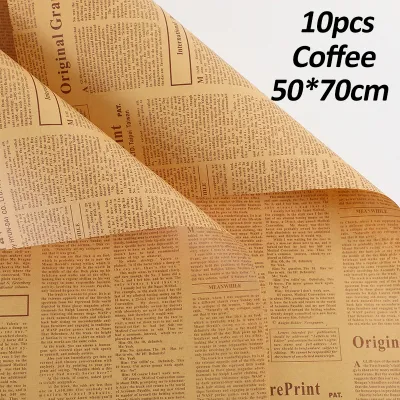

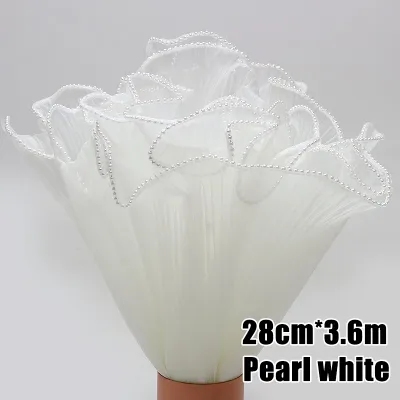
Prices are valid at publication and may change. Please refer to the product page for the latest price.
- Kraft Paper: This classic, rustic option is typically made from unbleached wood pulp. It is sturdy, biodegradable, and provides an earthy, opaque backdrop. However, standard kraft paper is highly absorbent and can weaken or tear if it comes into direct contact with wet stems or water droplets.
- Frosted Waterproof Paper: Made from polypropylene (PP) or oriented polypropylene (OPP), these sheets are completely water-resistant. They are incredibly popular among florists because they do not wilt, tear, or lose their shape when exposed to moisture. They offer a semi-translucent, matte finish that diffuses light beautifully.
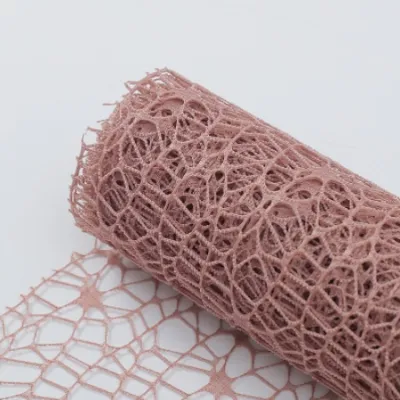
- Mesh and Sinamay: These open-weave materials add volume, texture, and structure. Sinamay, made from natural abaca fibers native to the Philippines, is stiff and holds dramatic folds exceptionally well, while synthetic floral mesh offers a softer, more flexible drape.
- Organza and Non-Woven Sheets: Organza is a sheer, delicate fabric that adds a dreamy, ethereal layer. Non-woven wrapping sheets are soft, fabric-like, and highly water-resistant, providing excellent opaque coverage without the stiffness of plastic.
On the other side of the pairing equation are your ribbons and bows, which secure the arrangement and serve as the primary visual anchor:
- Satin Ribbon: Typically double-faced to ensure a glossy, luxurious finish on both sides, satin ribbon has a smooth texture and a heavy, elegant drape.
- Burlap and Jute Twine: These rough, fibrous materials offer high friction and a stiff, structured hold, making them ideal for secure knots and rustic designs.
- Velvet Ribbon: Heavy, plush, and deeply saturated in color, velvet adds instant luxury and weight to a bouquet, though it must be kept dry to prevent staining.
- Chiffon and Organza Ribbon: Light, sheer, and airy, these ribbons create soft, flowing bows with long, delicate tails that catch the wind.
When selecting your materials, always consider the weight and opacity of the wrapper in relation to the ribbon. A heavy, stiff wrapper like kraft paper requires a robust ribbon like wide burlap, grosgrain, or thick satin to balance the visual weight. Conversely, a delicate, sheer wrapper like organza or light mesh will be crushed or distorted by a heavy velvet ribbon; it pairs far better with lightweight chiffon or thin satin.
In tropical climates like the Philippines, where high humidity and heat can cause fresh stems to transpire rapidly, moisture management is critical. Using waterproof or moisture-resistant wrappers, such as frosted OPP sheets or non-woven papers, ensures the bouquet maintains its crisp, professional structure. If you are using absorbent wrappers like kraft paper, you must dry the stems thoroughly and wrap them in a small plastic bag or floral foam wrapped in cling wrap before applying the outer paper to prevent water spots and structural sagging.
Coordinate Colors and Textures for Visual Depth
Creating visual depth is the secret to making a bouquet look three-dimensional and professionally designed. This is achieved by applying basic color theory and contrasting different material textures so that the wrapper and ribbon support, rather than compete with, the flowers.

Match Colors to the Flowers and Occasion
Color coordination should always begin with the flowers themselves, as they are the star of the arrangement. There are three primary color strategies you can employ:
- Monochromatic Pairing: This approach uses wrapper and ribbon shades that belong to the same color family as the flowers. For example, if you are wrapping light pink roses, you might use a soft blush frosted wrapper and a dusty rose satin ribbon. This creates a cohesive, modern, and highly sophisticated aesthetic that feels calm and intentional.
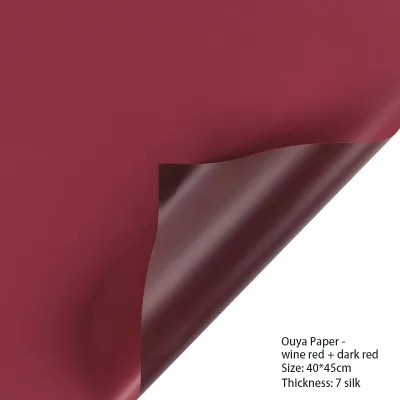
- Complementary and Contrasting Pairings: To make a vibrant statement, choose wrappers or ribbons that sit opposite the flower colors on the color wheel. A bouquet of bright yellow sunflowers stands out dramatically when wrapped in a deep royal blue or navy wrapper, tied with a mustard-yellow ribbon to pull the flower color forward. This high-contrast method is excellent for celebratory events, graduations, or festive occasions.
- Neutral Wrappers with Accent Ribbons: When working with highly colorful, multi-colored, or patterned bouquets, neutral wrappers are your best tool. Classic white, black, kraft brown, or clear frosted wrappers act as a clean canvas. You can then use a single, vibrant ribbon—such as a rich emerald green or a bold crimson—to tie the look together without overwhelming the eyes.
Contrast Textures to Add Dimension
If every material in your bouquet has the same surface finish, the entire arrangement can look flat and uninteresting. Mixing contrasting textures is an easy way to inject life and luxury into your design.
- Matte and Glossy Contrast: One of the most reliable formulas is pairing a matte wrapper with a glossy ribbon. The flat, non-reflective surface of kraft paper or frosted matte sheets makes the shiny, reflective surface of a double-faced satin ribbon pop. The contrast immediately draws the eye to the binding point of the bouquet, creating a clear focal point.
- Sheer and Heavy Balance: If you are using sheer, delicate wrapping materials like organza or open-weave mesh, balance them by adding a slightly heavier, textured ribbon. A raw-edge linen ribbon or a soft cotton herringbone tape adds a grounded, tactile quality to an otherwise airy and translucent arrangement.
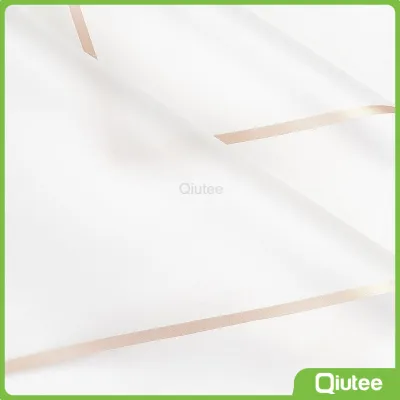
- Avoid Texture Overload: While contrast is beneficial, combining too many highly reflective, heavily patterned, or deeply textured materials will create visual chaos. If your wrapper has a gold foil pattern, stick to a solid, matte ribbon like grosgrain or cotton. If your ribbon is a complex plaid or glitter-flecked satin, keep your wrapping sheets completely solid and neutral. The goal is to guide the viewer's eye smoothly from the wrapper to the ribbon, and ultimately to the blooms.
Proven Wrapper and Ribbon Combinations for Any Style
To help you get started, here are three classic, reliable design templates that match specific wrapping styles with the perfect ribbon and bow combinations.
Rustic Charm: Kraft Paper with Burlap or Jute Twine
This combination is celebrated for its organic, earthy, and warm aesthetic. It is highly suited for casual gifting, outdoor weddings, or autumn-themed arrangements.
- The Layering Technique: Start by using a solid sheet of brown kraft paper (around 70 to 80 GSM is ideal for folding without tearing) as your structural base. To add depth, layer a slightly smaller sheet of textured abaca mesh, sinamay, or a delicate white lace fabric overlay on top of the kraft paper before folding. This creates a beautiful contrast between the smooth, solid paper and the textured, patterned overlay.
- The Ribbon Choice: Tie the arrangement securely using natural jute twine wrapped around the stems multiple times, finishing with a simple, neat bow. For a more pronounced look, use a wide, raw-edge burlap ribbon or a cotton linen ribbon in an oatmeal or cream shade.
- Best Flower Pairings: This rustic style perfectly complements hardy, natural blooms. Sunflowers, wild daisies, lavender, eucalyptus, and dried or preserved floral arrangements look exceptionally beautiful when wrapped in this manner.
Modern Elegance: Frosted Waterproof Paper with Satin Ribbons
This is the signature look of high-end boutique florists. It is sleek, clean, and highly professional, making it the perfect choice for anniversaries, Valentine’s Day, corporate gifts, or formal celebrations.
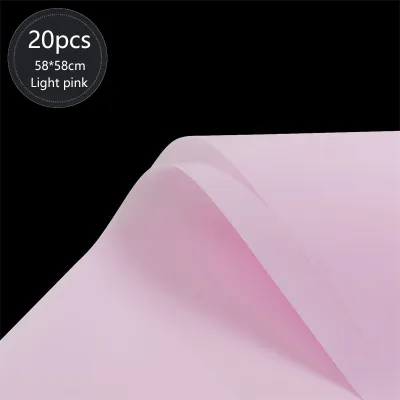
- The Wrapper Advantage: Use frosted waterproof OPP sheets (typically 58cm x 58cm). These sheets hold their shape beautifully, creating crisp, sharp pleats that do not sag even when the stems are wet. The semi-translucent quality of the plastic softens the light, giving the bouquet a glowing, premium appearance.
- The Ribbon Choice: Select a high-quality, double-faced satin ribbon that is at least 1 to 1.5 inches (2.5cm to 4cm) wide. Double-faced satin is crucial because both sides of the ribbon are equally glossy, ensuring that the loops and tails of your bow look flawless from every angle. Tie a classic, structured multi-loop bow with long, elegant tails.
- Best Flower Pairings: This style elevates classic, elegant blooms. Red or white roses, calla lilies, orchids, and tulips are ideal candidates for this clean, luxurious presentation.
Soft and Romantic: Mesh or Organza with Chiffon Bows
This lightweight, dreamy style is incredibly soft and romantic, making it a favorite for bridal bouquets, baby showers, Mother’s Day, or delicate spring arrangements.
- The Gathering Technique: Mesh and organza wrappers are highly flexible and sheer. Instead of folding them into sharp angles, gather or pleat them softly around the bouquet to create a cloud-like volume. Because these materials are highly transparent, it is essential to use a solid inner liner—such as a sheet of white non-woven wrapping paper—to hide the stems, floral tape, and mechanical bindings underneath.
- The Ribbon Choice: Pair this airy wrapper with a soft, flowing chiffon or silk ribbon. Chiffon ribbons with frayed, raw edges add a beautiful, organic touch of romance. Tie the ribbon into a loose, relaxed bow with extra-long, trailing tails that drape gracefully below the stems.
- Best Flower Pairings: This soft style is perfect for delicate, multi-petaled blooms like peonies, hydrangeas, baby's breath, ranunculus, and soft pastel carnations.
Wrap and Tie Securely for a Professional Finish
Even the most beautiful materials will look messy if they are not assembled and secured correctly. Follow this step-by-step professional workflow to ensure your bouquet is structurally sound and visually flawless.
- Preparation and Layering: Before you begin wrapping, prepare your sheets. If you are using standard 58cm x 58cm frosted sheets, cut them into halves or quarters depending on the size of your bouquet. To create a professional, graduated, fan-like backdrop, stagger your sheets. Place one sheet slightly higher than the other, offsetting the corners to form a series of clean, overlapping points. This technique adds volume and frames the flower heads beautifully without crowding them.
- Stem Securing: Never rely on your outer wrapper or decorative ribbon to hold your flowers in place. Before applying any wrapping paper, bind the flower stems tightly at their natural focal point (the narrowest part of the bundle) using green floral tape or a sturdy rubber band. This ensures that the stems cannot shift, slide, or crossover during transport, keeping your carefully designed floral shape perfectly intact.
- Ribbon Application: Once your outer wrapper is folded and pleated around the stems, it is time to apply the decorative ribbon. Take your chosen ribbon and wrap it firmly around the binding point at least twice. Make sure the ribbon completely covers all of your mechanical fasteners, such as the floral tape, wire, or rubber bands used in the previous steps. The ribbon should sit snugly against the wrapper without crushing or distorting the paper's pleats.
- Tying the Bow: For a structured, symmetrical bow, use the classic bow-tying method, ensuring the loops are equal in size and the knot is centered. If you prefer a relaxed, romantic look, tie a simple knot and let long, single-layer chiffon or silk tails trail down. Once tied, use sharp fabric scissors to trim the ribbon ends. To prevent fraying and add a professional touch, cut the ends at a clean 45-degree angle, or fold the ribbon in half vertically and cut upward at an angle to create a classic V-shape (chevron cut).
- Final Adjustments: With the bow secured, take a moment to inspect your work. Gently slide your fingers between the layers of the wrapping paper to fluff the edges and restore any lost volume. Adjust the loops of your bow so they stand up proudly, and ensure the ribbon tails hang straight. Your finished bouquet should feel balanced, secure, and ready for presentation.
Avoid Common Pairing and Proportion Mistakes
To ensure your arrangements always look their best, keep these common design pitfalls in mind:
- Proportion Errors: Using a thin, 0.5-inch ribbon on a large, heavily layered kraft paper bouquet will make the ribbon look lost and insignificant. Conversely, a massive, heavy velvet bow on a tiny bouquet of baby's breath will dwarf the flowers entirely. As a general rule, larger, bulkier bouquets require wider ribbons (1.5 inches or more), while delicate, single-stem or small hand-tied bouquets look best with narrower ties (0.5 to 1 inch).
- Material Conflicts: Avoid placing highly absorbent ribbons, such as untreated cotton, linen, or raw burlap, directly against wet stems or non-waterproof paper. The ribbon will quickly absorb moisture, leading to unsightly water stains, limp bows, and a generally soggy presentation. Always ensure the wet portion of the stems is sealed or wrapped in a waterproof barrier before applying decorative ribbons.
- Over-Accessorizing: It can be tempting to use every beautiful material at your disposal, but combining a highly patterned wrapper, a glittery ribbon, decorative pearls, plastic pins, and artificial butterflies all in one bouquet creates visual clutter. Let the natural beauty of the flowers shine by limiting yourself to one primary focal element—either a beautifully patterned wrapper paired with a simple ribbon, or a neutral wrapper paired with a show-stopping bow.
- Slipping Ribbons: Smooth, coated plastics and glossy waterproof papers have very little friction, which often causes ribbons to slide down the handle of the bouquet. To prevent this, apply a small strip of double-sided floral tape or a discreet dab of low-temperature hot glue directly onto the wrapper where the ribbon will sit. Alternatively, tie the ribbon tightly over the textured floral tape used to bind the stems underneath, securing it in place before wrapping the outer paper around it.
Frequently Asked Questions (FAQ)
How do I keep the bow from slipping on smooth wrappers?
To stop a ribbon from sliding down smooth, waterproof, or glossy plastic wrappers, apply a small strip of double-sided adhesive tape or a discreet dab of low-temperature hot glue directly onto the wrapper where the ribbon will sit. You can also bind the stems with textured floral tape first, then tie the ribbon tightly over this high-friction layer before wrapping the outer paper.
Can I use regular craft ribbon instead of floral ribbon?
Yes, you can use regular craft ribbon, but keep in mind that it may lack the water resistance or structural stiffness of dedicated floral ribbons. Unwired craft ribbons tend to go limp when exposed to moisture or humidity, making them better suited for simple, trailing ties rather than complex, upright bow shapes.

Community discussion
Share your experience or ask a question. Comments are reviewed before publication.