
Gift-giving is an art of presentation, where the final flourish of a beautifully tied bow speaks volumes before the package is even opened. To successfully pair ribbons and bow styles, you must align the physical properties of the fabric—such as its structural stiffness, weight, and sheen—with the specific tone of the event. A mismatch can result in a droopy, deflated bow or a presentation that feels either too casual or overly formal.
By understanding how different materials behave, you can create eye-catching designs that withstand handling and environmental factors like tropical humidity. Whether you are prepping for a grand milestone celebration or wrapping a delicate wedding favor, mastering the relationship between your ribbon (or ribon, as it is often spelled) selection and bow architecture ensures your gifts always stand out.
Understanding Ribbon and Ribon Textures for Gift Wrapping
Before diving into specific occasions, you must familiarize yourself with the distinct characteristics of common wrapping materials and bow structures. Each fabric behaves differently under tension and holds shapes according to its weave and weight.
Products mentioned in this guide
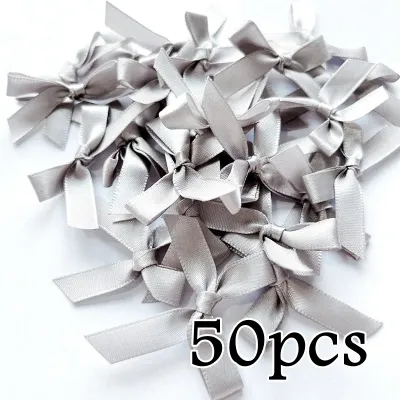
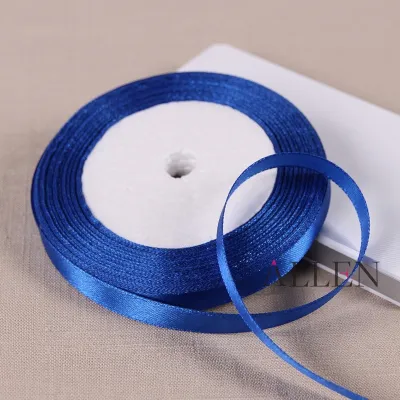
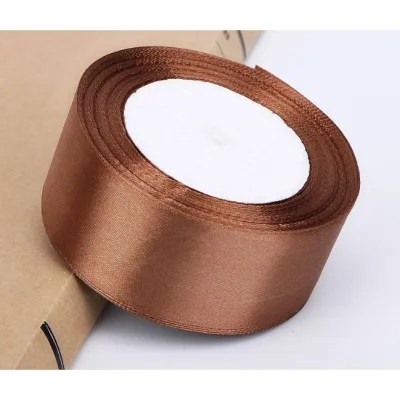
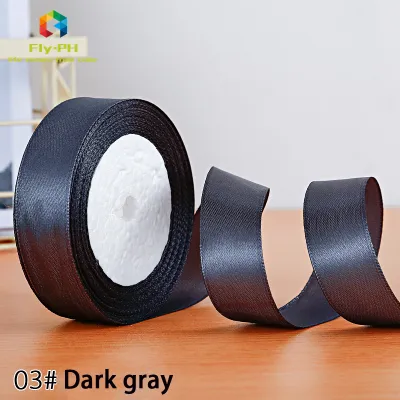
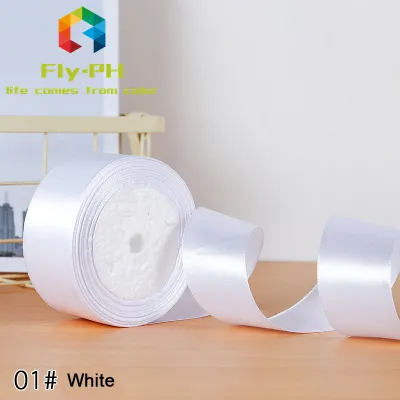
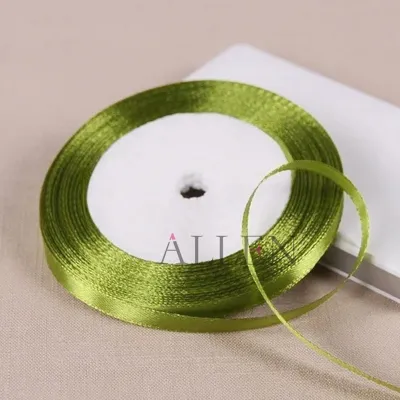
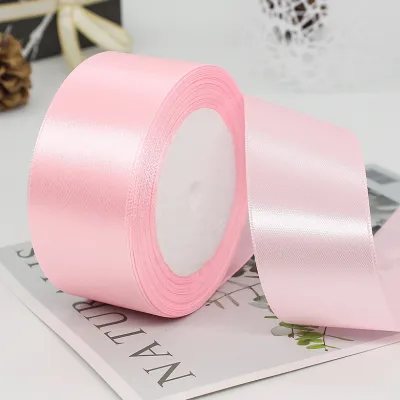
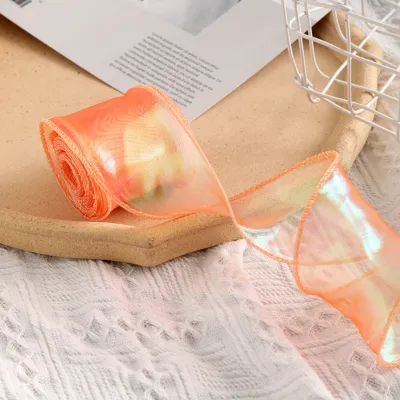
Prices are valid at publication and may change. Please refer to the product page for the latest price.
Satin Ribbons Satin is characterized by its high-shine surface and incredibly smooth, fluid drape. Because it lacks inherent stiffness, satin flows gracefully but is prone to slipping if not tied tightly. It is ideal for elegant, trailing designs rather than highly structured, upright bows.
Grosgrain Ribbons Grosgrain features a distinctive ribbed texture created by heavy cords running across the fabric. This ribbed pattern provides excellent friction, making knots secure and preventing loops from slipping. Grosgrain is highly structured and sturdy, making it the perfect choice for crisp, upright bows that need to retain their shape.
Organza Ribbons Organza is a sheer, lightweight, and semi-translucent fabric. It offers a delicate, airy aesthetic with a surprisingly springy texture. Because it is so light, organza can create voluminous bows without adding visual or physical weight to a small gift box.
Velvet Ribbons Velvet boasts a plush, dense pile on one side and a plain backing on the other. It exudes warmth, luxury, and depth, absorbing light rather than reflecting it. Velvet is heavy and thick, which requires deliberate knotting to prevent bulky, messy centers.
Classic Looped Bow This traditional bow consists of two symmetrical loops, two tails, and a central collar. It relies on the natural body of the ribbon to keep the loops open. It is highly versatile and works with almost any medium-to-stiff fabric.
Multi-Loop Pom-Pom Bow Constructed by layering multiple loops of ribbon in a circular, spherical pattern, this style resembles a carnation or pom-pom. It requires a material with high structural integrity or wire edges to prevent the inner loops from collapsing into each other.
Simple Knot with Tails Minimalist and clean, this style involves a single, secure knot with long, clean-cut tails draping down the sides of the package. It highlights the texture and quality of the ribbon itself, making it an excellent choice for thick velvet or wide satin.
Occasion-Based Pairing Strategies for Ribbons and Bows
Matching your ribbon texture and bow style to the occasion ensures your gift reflects the appropriate level of formality and emotion. Below are tailored strategies for three major gift-giving scenarios.

Birthdays and Milestones
Birthday celebrations, such as a grand 18th debut or a joyous family gathering, call for a sense of energy, fun, and personal touch. The wrapping should build anticipation and reflect the lively nature of the celebration.
To achieve this, choose sturdy, textured ribbons like grosgrain. Grosgrain’s ribbed surface holds bright, saturated colors and playful patterns—such as stripes or polka dots—with exceptional clarity. Because the material is stiff, it easily supports large, bold shapes without sagging.
Pair these structured ribbons with a multi-loop pom-pom bow or an oversized classic looped bow. The ribbed texture of grosgrain prevents the loops from slipping, ensuring your pom-pom remains perfectly spherical and energetic even after transit. This structural reliability is especially useful in warm, humid climates where softer ribbons might lose their bounce.
Weddings and Showers
Weddings, bridal showers, and baptismal celebrations demand an aesthetic of romance, elegance, and understated formality. The packaging for these events often features delicate favor boxes or highly curated gift tables where every detail is observed.
For these formal occasions, opt for smooth, light-reflective satin or sheer organza. Soft pastel tones, rich ivory, champagne, and muted neutrals work beautifully to create a sophisticated palette. The natural drape of satin and the airy translucency of organza convey a gentle, luxurious feel.
Pair these materials with elegant, flowing looped bows featuring exceptionally long, tapered tails. Allow the tails to drape softly over the sides of the box or trail elegantly across the gift table. The subtle sheen of satin catches the light beautifully, while the sheer layers of organza add depth without overpowering delicate packaging.
Holidays and Festive Seasons
Holiday gift-giving, particularly during the long and festive Christmas season in the Philippines, is centered around tradition, warmth, and generous abundance. Gift boxes are often larger, heavier, and stacked deep beneath the tree, requiring wrapping that feels substantial.
Plush velvet or wire-edged ribbons, such as wired burlap or metallic-threaded brocade, are ideal for festive packaging. Deep jewel tones like emerald green, ruby red, and sapphire blue, paired with shimmering gold or silver accents, immediately evoke a sense of holiday cheer.
For these heavy materials, construct structured, voluminous bows. Wire-edged ribbons are particularly valuable here; the thin wire running along the edges allows you to manually shape, bend, and fluff the loops to your exact liking. This ensures that even if the gifts are stacked or moved, you can quickly restore the bow’s full, dramatic volume with a simple pinch and pull.
Layering and Stacking Techniques for a Professional Finish
To elevate your gift presentation to a professional level, you can combine multiple ribbons to create depth, contrast, and visual interest. This technique, known as layering or stacking, prevents a single ribbon from looking flat or lost against a large package.
The fundamental rule of stacking is “wide base, narrow top.” Begin by selecting two ribbons of different widths. The wider ribbon will serve as the grounding base, while the narrower ribbon will sit directly on top to provide a contrasting accent.
To execute this technique cleanly, follow this order of operations:
- Secure the Base: Wrap the wider ribbon around the package first. Pull it taut and secure it flat against the box using double-sided tape or a clean knot.
- Center the Accent: Place the narrower ribbon directly over the center of the base ribbon. Ensure it is perfectly aligned before securing it.
- Tie the Bow: You can either tie both ribbons together into a single, multi-textured bow, or tie a separate bow with the narrower ribbon and attach it to the center of the secured base.
When selecting your materials, combine contrasting textures to create visual depth without clashing. For example, place a matte grosgrain ribbon as your wide base and layer a shiny, narrow satin ribbon on top. The contrast between the ribbed, light-absorbing matte surface and the smooth, reflective satin creates a sophisticated, multi-dimensional look that immediately draws the eye.
Common Pairing Mistakes and What to Avoid
Even with high-quality materials, certain combinations can result in a chaotic or structurally weak presentation. Avoiding these common pitfalls will keep your gift wrapping looking polished and professional.
First, avoid combining two highly reflective textures, such as layering a high-shine metallic ribbon directly over a glossy satin. This creates an intense visual glare that obscures the shape of the bow and looks messy under bright lights. Instead, always balance a shiny ribbon with a matte counterpart.
Second, do not use thin, unwired ribbons to build massive, multi-loop bows. Without structural support, large loops made from thin satin or cheap polyester will immediately droop and flatten, leaving your gift looking deflated. If you want a large, dramatic bow, you must use a stiff material like grosgrain or a ribbon with wired edges.
Finally, watch out for color and pattern overload. Combining a busy polka-dot ribbon with a striped ribbon in clashing colors creates visual chaos. If you want to use a bold, patterned ribbon, anchor it by pairing it with a solid, neutral base ribbon—such as a solid cream or slate gray—to give the viewer’s eyes a place to rest.
Frequently Asked Questions (FAQ)
How do I keep ribbon ends from fraying?
To prevent unsightly fraying, first examine the ribbon’s edge. If it is a synthetic material like polyester satin or organza, you can gently pass the cut edge near a brief flame to melt and seal the fibers, or apply a tiny drop of clear fabric sealant. Always test this method on a scrap piece of ribbon first to ensure it does not discolor or burn.
Can I mix wired and unwired ribbons in a single bow?
Yes, mixing wired and unwired ribbons is a highly effective styling technique. The wired ribbon serves as the structural backbone, providing outer support and shape retention for the larger loops. Meanwhile, the softer, unwired ribbon can be woven through the center to add natural, touchable volume and a softer texture to the inner loops.

Community discussion
Share your experience or ask a question. Comments are reviewed before publication.