
Elevating a simple gift bag into a stunning, memorable presentation relies heavily on how you pair it with the perfect ribbon. When you hand someone a gift, the packaging is their very first experience of your gesture, and a thoughtful combination of textures, colors, and tying styles immediately signals care. In tropical climates like the Philippines, where high humidity can cause standard adhesive tapes to peel or lose their grip, relying on a beautifully tied ribbon is not just an aesthetic choice—it is a highly practical way to secure your gift. By understanding how different bag materials interact with various ribbon types, you can create a cohesive, professional-looking package for any occasion, from casual birthdays to elegant weddings.
Assessing Your Gift Bag Material and Texture
Before reaching for any spool of ribbon, evaluate the physical characteristics of your gift bag. Gift bags generally fall into four categories: high-gloss, matte-coated, rustic kraft paper, and fabric or woven materials. Glossy bags have a highly reflective, slick surface, whereas matte bags offer a soft, non-reflective finish. Kraft paper bags present a rough, tactile surface, while fabric bags, such as canvas or linen, introduce a soft, flexible structure.
Observe how light interacts with these surfaces to decide whether your ribbon should offer contrast or harmony. A high-gloss bag paired with an equally shiny satin ribbon can look overly reflective, whereas pairing it with a matte grosgrain ribbon creates a sophisticated visual balance. Conversely, a flat matte bag is instantly elevated by the lustrous sheen of a high-quality satin ribbon, which catches the light and serves as a focal point.
Products mentioned in this guide
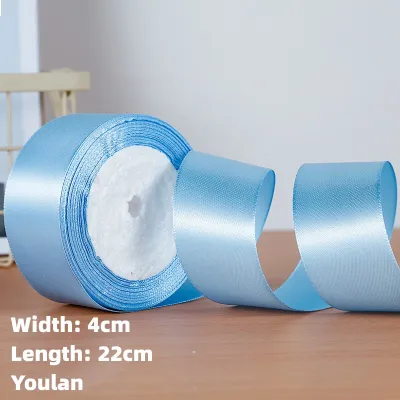
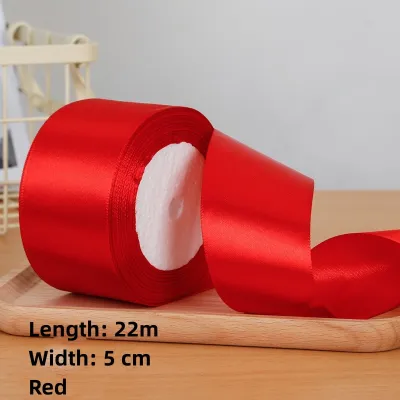
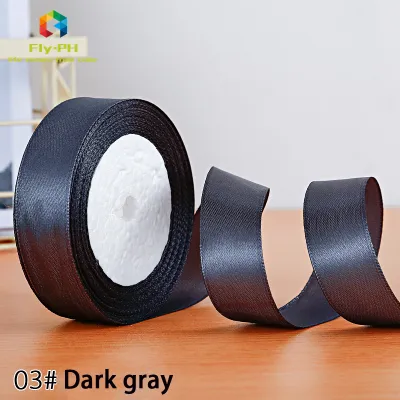
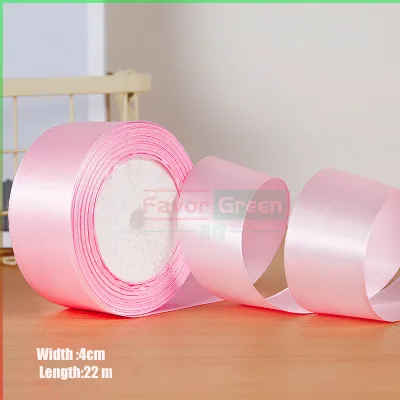
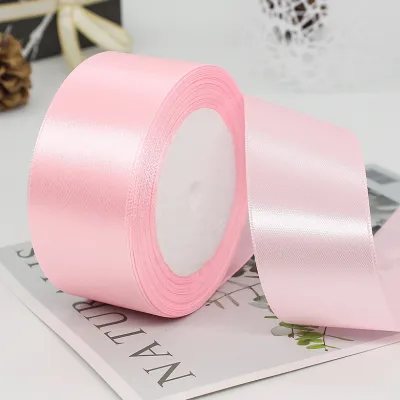
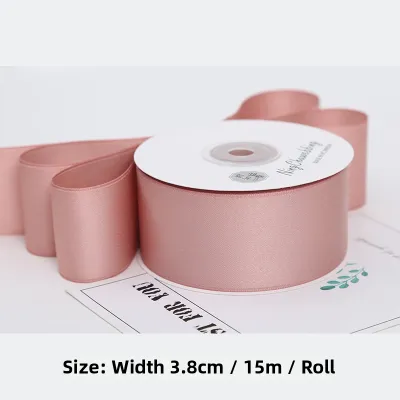
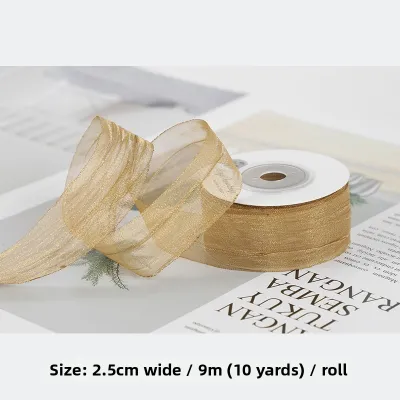
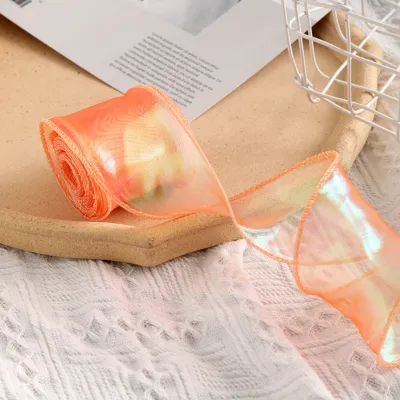
Prices are valid at publication and may change. Please refer to the product page for the latest price.
Beyond aesthetics, check the bag’s structural rigidity and handle strength. Heavy embellishments, such as wide velvet ribbons or dense multi-looped bows, require a sturdy bag with reinforced grommets or thick rope handles. If you tie a heavy, thick ribbon onto a lightweight, thin paper bag, the weight of the bow can cause the paper to sag or tear. Always match the physical weight of your ribbon to the structural integrity of the bag to ensure the presentation remains upright.
Selecting the Right Ribbon Width and Texture
Achieving a balanced look requires scaling the ribbon’s width proportionally to the overall dimensions of the gift bag. A tiny jewelry-sized gift bag paired with a wide, three-inch ribbon will look overwhelmed, burying the bag’s design under fabric. Conversely, a large tote-sized gift bag paired with a thin, string-like ribbon will look unfinished. As a general rule, small bags pair best with ribbons ranging from 1/4 inch to 1/2 inch in width. Medium bags accommodate 5/8-inch to 1-inch ribbons beautifully, while large, sturdy bags can easily handle dramatic ribbons of 1.5 inches or wider.

Texture contrast is an incredibly effective design principle that adds depth to your gift wrapping. Pairing smooth, fluid fabrics like satin or silk with rough, unbleached kraft paper creates an appealing tension between rustic simplicity and refined luxury. This combination is highly popular for artisanal gifts, local craft presents, or eco-conscious holiday wrapping. The smooth ribbon softens the ruggedness of the kraft paper, making the entire package feel intentional and curated.
On the other hand, texture harmony focuses on matching similar tactile qualities to create a unified, luxurious feel. For premium matte-finished bags or soft cloth bags, pairing them with rich velvet, heavy grosgrain, or delicate organza ribbons reinforces a sense of high-end quality. Grosgrain ribbon, with its characteristic ribbed texture, offers excellent grip and structural stability, making it perfect for holding its shape on woven fabric bags or heavy cardstock matte bags. Velvet ribbons add warmth and depth, making them ideal for formal occasions, corporate gifts, or cold-season celebrations.
Applying Color Coordination Strategies
Color is often the first thing a recipient notices, and applying simple color theory can transform a basic gift bag into a work of art. One of the most elegant and foolproof approaches is monochromatic pairing. This strategy involves selecting a ribbon that is a few shades lighter or darker than the gift bag itself. For instance, pairing a deep navy blue bag with a soft sky-blue satin ribbon, or a forest green bag with a mint-colored ribbon, creates a sophisticated, low-contrast look. This method is highly suited for corporate events, professional gifts, or minimalist aesthetics where you want to convey quiet elegance.
If you want the gift to feel vibrant, celebratory, and high-energy, opt for a complementary or high-contrast color scheme. This involves pairing colors that sit opposite each other on the color wheel, or matching a bright, saturated ribbon with a neutral bag. A simple white or cream-colored bag can be instantly energized with a vibrant coral, rich emerald, or deep plum ribbon. When using high-contrast pairings, let one element dominate; if the bag is a bright, solid color, keep the ribbon solid but contrasting, rather than introducing multiple competing bright hues.
For highly patterned, multi-colored, or heavily textured bags, neutral tones are your best tool to restore visual balance. If your gift bag features a busy tropical floral print, a metallic gold, classic black, crisp white, or deep navy ribbon will anchor the design without clashing. Metallic ribbons, such as gold, silver, or bronze, act as universal neutrals that add an instant touch of celebration and luxury to almost any bag pattern. When wrapping gifts for local festive occasions, a touch of gold or silver ribbon on a colorful bag immediately elevates the festive spirit.
Tying and Styling the Ribbon for a Clean Finish
The physical execution of tying your ribbon determines whether the final package looks professionally wrapped or hastily thrown together. Start by threading your ribbon through the bag’s handles or grommets. If the bag has pre-existing rope or ribbon handles, you can tie your decorative ribbon directly around the base of one handle, or loop it through both handles to keep the bag securely closed. When threading through metal or plastic grommets, pull the ribbon gently to avoid snagging the fabric fibers against any sharp edges.
To tie a classic, symmetrical bow, begin with a secure foundational knot. This knot should be snug but not so tight that it puckers the paper of the bag. Fold the ribbon into two even loops, cross them, and pull one loop through the center space. Take your time to adjust the loops and tails, ensuring they are proportional to each other and to the bag itself. If you prefer a more modern, minimalist look, skip the traditional bow entirely. Instead, tie a clean, tailored flat knot and let the tails drape elegantly down the front of the bag.
The final touch lies in how you finish the ribbon tails. Raw, straight-cut ribbon ends are highly prone to fraying, which quickly ruins the polished look of your gift. To prevent this, always use sharp fabric scissors to cut the tails. You can cut them at a clean 45-degree angle, which looks modern and sleek, or fold the ribbon vertically in half and cut upward at an angle to create a classic V-shaped notch. For synthetic ribbons like polyester satin or grosgrain, you can very carefully pass the cut edge near a small flame for a split second to melt and seal the fibers, ensuring they never fray.
Avoiding Common Ribbon and Bag Matching Mistakes
Even with high-quality materials, a few common styling missteps can disrupt the harmony of your gift presentation. The most frequent error is disproportionate sizing. Using an overly thick, heavy ribbon on a small, delicate bag not only looks clumsy but can physically crush the bag’s structure. Conversely, using a tiny, thin ribbon on a massive gift bag makes the ribbon look like an afterthought, failing to provide the necessary visual anchor for the package.
Another common mistake is creating visual clutter by mixing too many competing patterns. If your gift bag features an intricate pattern, pairing it with a patterned or striped ribbon creates visual chaos that tires the eyes. Keep a simple rule in mind: if the bag is busy, keep the ribbon solid and simple; if the bag is solid and neutral, feel free to experiment with patterned, textured, or multi-colored ribbons.
Finally, ensure that the perceived quality of your ribbon matches the quality of your bag. Pairing a premium, heavy-duty textured paper bag with a cheap, plastic-feeling curling ribbon creates a jarring aesthetic mismatch. Similarly, tying an expensive, double-sided silk ribbon onto a flimsy, low-grade paper bag can make the bag look even cheaper. Aligning the formality and material quality of both elements ensures a seamless, high-end presentation that shows your recipient you valued every single detail of their gift.
Frequently Asked Questions (FAQ)
Can I reuse ribbons from previous gifts for new bags?
Yes, you can absolutely reuse ribbons, provided they pass a quick quality inspection. Examine the fabric closely for deep, permanent creases, fraying edges, or any loss of its original sheen. If the ribbon has been tied tightly before, check if you can gently smooth out the fibers. For satin or grosgrain ribbons, you can run a warm flat iron or hair straightener on a very low heat setting over the fabric to remove wrinkles. Avoid using ribbons that have stubborn stains, tape residue, or structural damage, as these will detract from the polished look of your new gift.
How do I keep ribbon from slipping off smooth bag handles?
Smooth bag handles, such as those made of satin cord, polished rope, or plastic, can make it difficult for ribbons to stay in place. To secure them without causing damage, tie a firm double knot at the base of the handle before forming your bow. Alternatively, you can apply a tiny piece of double-sided fabric tape or removable glue dots directly under the knot, hidden from view. This provides excellent grip without staining, melting, or tearing the bag handles, ensuring your beautifully styled bow remains perfectly positioned throughout transit.

Community discussion
Share your experience or ask a question. Comments are reviewed before publication.