
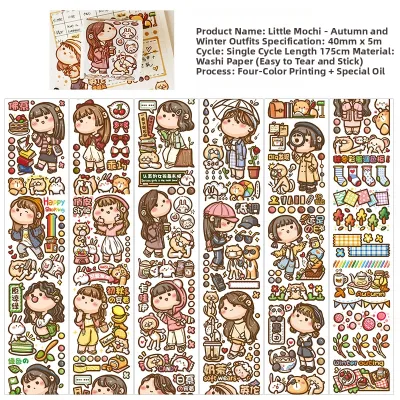
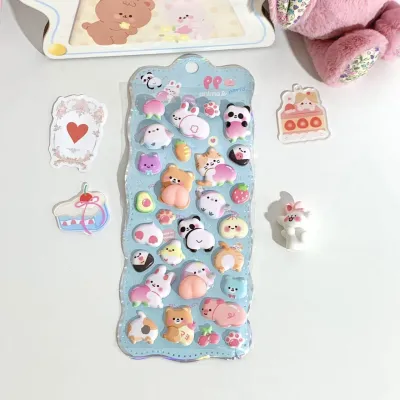
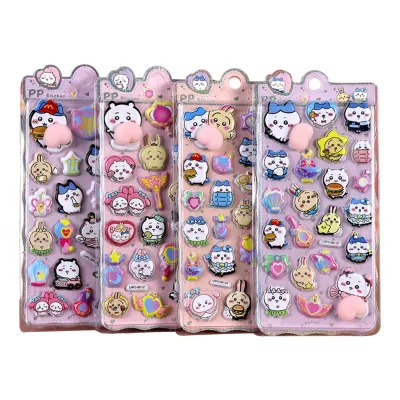
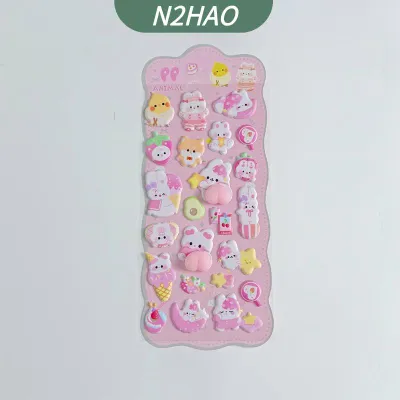
Pairing three-dimensional squishy stickers with flat washi tape is an excellent way to bring tactile depth and visual interest to your journal spreads. The secret to a successful layout lies in balancing the physical height of the raised stickers with the grounding, flat patterns of the tape. By treating the washi tape as a structural foundation and the squishy stickers as focal points, you can create a cohesive design that does not overwhelm your pages or strain your journal’s binding.
In tropical climates like the Philippines, managing this balance requires extra care. High humidity can affect how adhesives cure and how paper behaves under physical weight. Choosing the right placement and layering sequence ensures your creative spreads remain intact, flat, and beautiful over time.
Planning Your Spread: Balancing 3D Stickers and Flat Tape
Before peeling the backing off your first sticker, take a moment to plan the physical geography of your journal page. Unlike flat stickers, squishy stickers introduce significant thickness that changes how your journal closes. If you place too many bulky items near the center crease or the outer edges, the book will fan out awkwardly, putting unnecessary tension on the stitched or glued binding.
Products mentioned in this guide
![[COD] SHPYHT TOY Cute Cartoon Butt 3D Stickers Stress Puffy Squishy Decals Guitar Phone Laptop Bubble Sticker Decompression Gift](https://img.lazcdn.com/g/p/469a504aabd793d0f35768e50fb35d66.jpg_400x400q80.jpg_.webp)
Prices are valid at publication and may change. Please refer to the product page for the latest price.
To maintain a functional journal, aim to distribute the weight and thickness evenly across the entire spread. Try placing your 3D elements in the outer thirds of the pages, keeping them away from the delicate spine area. This distribution allows the pages to rest more naturally when the journal is closed, preventing the cover from warping or the binding threads from snapping under pressure.
Establishing clear focal points is another essential step in avoiding visual clutter. Because squishy stickers naturally draw the eye due to their raised profile, they should serve as the main highlights of your design. Limit yourself to one or two squishy elements per page, and use flat washi tape to build a quiet, supporting environment around them.
Washi tape works beautifully as a grounding base or a visual frame. You can lay down horizontal strips of tape at the bottom of a page to create a “floor” for your squishy characters to stand on, preventing them from looking like they are floating aimlessly in space. Alternatively, use thin, solid-colored washi tapes to frame your writing sections, keeping the decorative 3D elements safely outside the text zones to preserve readability.
Step-by-Step Layering Techniques for Depth and Balance
Achieving a professional, multi-dimensional look requires a thoughtful approach to layering. The most reliable technique is the “Tape-First” method, which establishes a flat background before any dimensional elements are introduced. Start by applying your wider, patterned washi tapes directly to the clean journal page to create a scenic backdrop, a textured block, or a shadow effect. Once the tape is firmly smoothed down, press your squishy sticker directly on top of the taped area, ensuring the sticker’s edges seal tightly against the flat surface.

If you prefer a more organic layout, you can use the “Sticker-First” method. Begin by placing your main squishy sticker on the page to anchor your composition. Once the focal point is set, use various widths of washi tape to build supporting borders, decorative banners, or connecting pathways that weave around the sticker. This approach is highly effective for creating a dynamic flow that guides the reader’s eye across the page.
To make your layers look seamless, try creating subtle depth illusions by overlapping your materials. When using the Tape-First method, you can let the flat washi tape run slightly under the very edge of the squishy sticker. This hides the seam where the sticker meets the paper, making the 3D element appear as though it is naturally emerging from the decorated background rather than just sitting on top of it.
When overlapping, always press down firmly along the borders of the squishy sticker. The transition zone where the sticker steps down from the tape to the bare paper is a common spot for dust and moisture to collect. Ensuring a tight seal along these edges will keep your layout looking clean and prevent the corners from lifting over time.
Paper Weight and Adhesive Compatibility Checks
The success of your layered journal pages depends heavily on the compatibility of your materials. Journal paper is measured in grams per square meter (GSM), and this rating dictates how much weight and adhesive stress the page can handle. For spreads featuring heavy 3D stickers, a paper weight of 120 GSM or higher is ideal. Thinner papers, such as standard 80 GSM sheets, may sag, wrinkle, or tear under the physical weight and pull of strong sticker adhesives.
Before committing to a layout, it is wise to test your washi tape’s tackiness on a scrap page or an inconspicuous corner of your journal. Washi tape is designed to be low-tack and repositionable, but different brands use different adhesive formulas. Testing ensures the tape can be lifted and adjusted without tearing the paper fibers or leaving a sticky, dirt-attracting residue behind.
You must also evaluate the built-in adhesive on your squishy stickers. Because these stickers are thicker and heavier than their flat counterparts, they require a reliable bond to stay in place. Check if the backing adhesive feels firm and tacky; if the sticker feels heavy for its size, it will need a very stable, flat surface to cling to.
In warm, humid environments, adhesives can soften or lose their grip more quickly than in dry climates. If you notice the edges of your squishy stickers starting to curl or lift away from the washi tape, it is a sign that the humidity is affecting the bond. Keeping your journal in a cool, dry place away from direct sunlight will help preserve the integrity of both the paper and the adhesives.
Common Pairing Mistakes and How to Avoid Them
One of the most frequent mistakes journal enthusiasts make is overlapping too many textured or glitter-coated washi tapes directly underneath a thick squishy sticker. Textured tapes, such as those with heavy foil, glitter, or fabric finishes, do not provide a completely flat surface. When you place a heavy, rigid squishy sticker over these uneven textures, the sticker cannot establish full contact with the adhesive, leading to lifting edges and eventual peeling.
Another common error is placing bulky squishy stickers too close to the journal’s inner spine. When the journal is closed, the pages near the binding are compressed tightly together. Placing a thick 3D element in this high-pressure zone forces the binding to bend outward, which can warp the cover and permanently damage the structure of your book. Always leave a generous margin of flat space near the center crease.
Using high-tack crafting tapes, such as heavy-duty double-sided tapes or packing tapes, as substitutes for genuine washi tape is also risky. These strong adhesives are often permanent and can bleed through the paper, ruining the reverse side of your page. Stick to authentic, low-tack paper washi tapes that allow for gentle adjustments and do not degrade the quality of your journal pages over time.
Finally, avoid overcrowding your pages with too many dimensional elements. A spread packed with multiple squishy stickers, thick epoxy shapes, and heavy layers of tape quickly becomes difficult to write on. Balance is key; treat your 3D stickers as rare gems, surrounding them with plenty of flat writing space and simple tape accents to keep your journal both beautiful and functional.
Frequently Asked Questions (FAQ)
How do I store a journal with thick squishy stickers without damaging the pages?
To protect a journal containing thick, layered elements, store the book flat on a desk or shelf rather than upright. Storing it vertically can cause the heavy pages to sag downward, putting uneven strain on the binding. You can also use a wide elastic band or a soft fabric strap around the outside of the journal to keep the covers gently closed without applying crushing pressure to the 3D stickers inside. If you are worried about stickers sticking to the opposite page, place a sheet of wax paper or parchment paper between the pages before closing the book.
Can I use liquid glue to reinforce squishy stickers on top of washi tape?
Using standard liquid craft glue is generally not recommended for reinforcing stickers in a journal. Liquid glues contain water, which can easily warp your journal paper, cause the ink on the opposite page to bleed, or dissolve the water-soluble adhesive of the underlying washi tape. If a squishy sticker requires extra reinforcement to stay secured on top of your tape, opt for low-moisture alternatives. Double-sided adhesive dots, dry glue tape runners, or thin adhesive squares provide a strong, dry bond that secures the heavy sticker without damaging the paper or ruining your layout.

Community discussion
Share your experience or ask a question. Comments are reviewed before publication.