
Combining the glossy, vibrant presence of vinyl stickers with the delicate, matte texture of washi tape creates a stunning, multi-dimensional look in your journal spreads. The secret to a beautiful layout lies in balancing the visual weight of each element, matching color palettes, and understanding how different adhesives interact with your journal’s paper. By mastering these material dynamics, you can design gorgeous pages that hold up over time without peeling or warping.
Understanding Material Differences Before You Layer
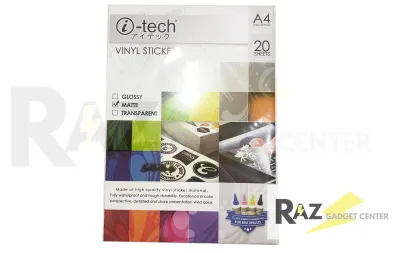
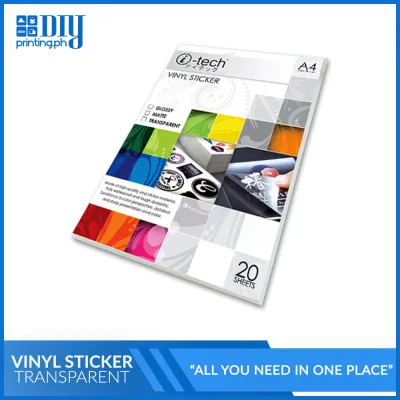
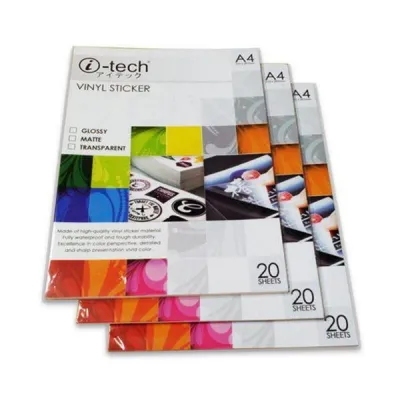
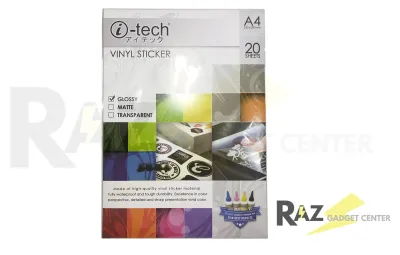
To build a visually appealing and physically durable journal spread, you must first understand how vinyl stickers and washi tape behave on paper. Vinyl stickers, such as high-quality itech vinyl stickers, are crafted from a synthetic plastic material. This gives them a distinct thickness, complete opacity, and a smooth, non-porous surface finish. Their adhesive is designed to be permanent and moisture-resistant, ensuring they stay firmly in place once applied. Because of this strong bond, vinyl stickers are highly durable but offer zero room for error; once they touch your journal page, attempting to peel them off will almost certainly rip the paper fibers, especially on standard notebook pages.
In contrast, traditional washi tape is made from natural plant fibers, such as bamboo or mulberry bark, giving it a lightweight, semi-translucent quality and a subtly textured, matte surface. Washi tape utilizes a low-tack, pressure-sensitive adhesive. This repositionable design allows you to peel, adjust, and move the tape without leaving sticky residue or tearing your pages. When you layer these two materials, you are combining a heavy, rigid, non-porous synthetic sheet with a light, flexible, porous paper strip.
Products mentioned in this guide
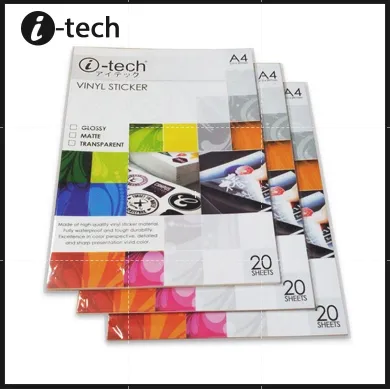
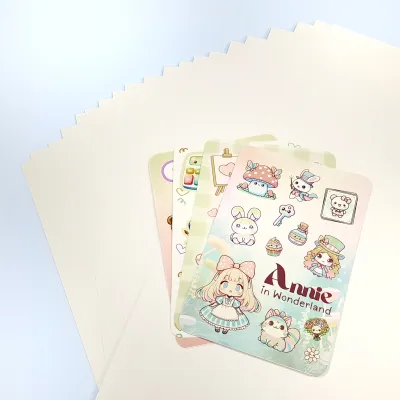
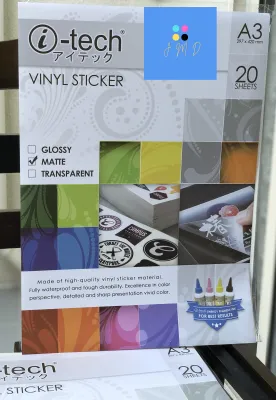
Prices are valid at publication and may change. Please refer to the product page for the latest price.
This physical contrast dictates how you must approach your layouts. Applying a thick, heavy vinyl sticker directly on top of a thin, delicate strip of washi tape can cause the tape’s low-tack adhesive to fail under the weight, leading to peeling edges. Conversely, placing washi tape over vinyl requires extra care, as the tape’s weak adhesive has a harder time gripping the ultra-smooth, slick surface of the vinyl. Furthermore, the weight of your journal paper plays a critical role. Standard paper under 100 grams per square meter (gsm) will buckle or warp easily under the tension of heavy vinyl stickers, whereas thicker paper of 120gsm to 160gsm provides the structural integrity needed to support layered designs without puckering.
Core Design Strategies for Harmonious Spreads
Creating a balanced journal layout is an art of managing contrast. Because vinyl stickers have bold, saturated colors and clean, defined edges, they can easily overpower a page if they are not anchored correctly. Washi tape acts as the perfect visual mediator, grounding the vibrant stickers and integrating them into the overall page design.

Color and Theme Coordination
A common pitfall in journaling is using too many competing colors, which results in a chaotic and distracting spread. To prevent this, use your vinyl sticker as the primary color inspiration for the entire page. If you are using a detailed itech vinyl sticker featuring a tropical floral illustration, identify the secondary and tertiary colors within that design—such as a muted olive green from the leaves or a soft pastel peach from the flower petals. Instead of matching the bright, dominant pink of the main flower, select washi tapes in those quieter secondary tones. This creates a cohesive color story that draws the eye naturally across the spread.
When it comes to patterns, simplicity is your best ally. If your vinyl sticker is highly detailed, pair it with solid-colored, minimalist grid, or simple dot-patterned washi tapes. This creates a clean frame that lets the sticker shine. If you want to use heavily patterned washi tape, such as a busy botanical print, pair it with simple, solid-cut vinyl shapes or functional vinyl labels.
Maintaining a consistent theme is equally vital for visual harmony. Group your materials by aesthetic genre:
- Vintage and Retro: Combine sepia-toned, matte vinyl stickers with distressed, tea-stained, or newspaper-print washi tapes.
- Minimalist and Modern: Pair clean, geometric vinyl shapes with monochrome grid or solid black-and-white washi tapes.
- Botanical and Nature: Use realistic floral vinyl stickers alongside soft, semi-translucent green leaf or watercolor-wash washi tapes.
Balancing Visual Weight and Focal Points
Visual weight refers to how much a design element attracts the reader’s eye. Because vinyl stickers are completely opaque and often have a glossy or satin sheen, they carry immense visual weight. Washi tape, being semi-translucent and matte, carries much less weight. To design a balanced page, you must use these properties strategically.
Use washi tape to establish the structural foundation of your spread. Think of it as the architectural framework of your journal page. You can use long strips of washi tape to create borders along the edges of the paper, divide the page into columns for different days of the week, or lay down horizontal blocks to act as background anchors.
Once the structural foundation is laid with washi tape, place your vinyl stickers at key focal points. A large, beautiful vinyl sticker should serve as the centerpiece of your layout, positioned at the outer corners or the exact center of a page section. Smaller vinyl stickers can be used functionally, such as headers for your daily logs, date covers, or decorative bullet points. By keeping the background elements light and textured (washi) and the focal elements bold and defined (vinyl), you avoid visual fatigue and ensure your handwritten journal entries remain perfectly readable.
Step-by-Step Layering and Application Order
Achieving clean lines and bubble-free applications requires a deliberate, step-by-step approach. Because the physical properties of vinyl and paper tape differ so wildly, the order in which you apply them determines the longevity of your journal spread.
The Tape-First Method
This method is ideal when you want to use washi tape as a background texture or a decorative frame behind your sticker.
- Prepare the Page: Ensure your journal page is clean, dry, and free of dust. If you are working in a highly humid environment, gently press a clean, dry microfiber cloth over the page to remove any surface moisture.
- Lay the Washi Tape: Tear or cut your desired lengths of washi tape and apply them to the paper. Press down firmly along the entire length of the tape to activate the pressure-sensitive adhesive.
- Position the Vinyl: Before peeling the backing off your itech vinyl sticker, place it over the washi tape to test the layout. Once you are satisfied, peel the backing carefully.
- Apply and Smooth: Lower the sticker onto the page, starting from one edge and rolling it down gradually to prevent air bubbles from getting trapped underneath.
The Sticker-First Method
Use this technique when you want to create overlapping transitions, anchor the corners of your stickers, or create a layered collage effect.
- Place the Sticker: Apply your vinyl sticker directly to the clean journal page first. This ensures the permanent adhesive of the vinyl makes direct contact with the paper fibers, creating an incredibly secure bond.
- Layer the Washi: Take short strips of semi-translucent washi tape and layer them over the edges of the vinyl sticker. This is excellent for creating a "taped-down photo" aesthetic or softening the sharp, thick edges of the vinyl.
- Secure the Seams: Run your fingernail or a smoothing tool firmly along the point where the washi tape steps down from the thick vinyl surface onto the flat paper to prevent dust from gathering in the gap.
Cutting and Contouring Techniques
For advanced layouts, you may want to trim your washi tape to follow the exact contours of a die-cut vinyl sticker.
- Safety First: When using sharp tools like precision craft knives or fine-tip scissors, always work on a flat, stable surface. Keep your fingers well away from the path of the blade. If children are working on this project, ensure they use age-appropriate safety scissors and are supervised at all times.
- The Trimming Process: Place a self-healing cutting mat under your journal page if you plan to use a craft knife. Apply the washi tape, lay the sticker over it, and use a very light touch with the craft blade to score the tape along the sticker's edge. Peel away the excess tape carefully. Avoid pressing too hard, as you do not want to slice through your journal page.
Burnishing Techniques
To ensure both materials stay flat and do not lift over time, burnishing is essential. Use a dedicated bone folder, a clean plastic card (like an old gift card), or a soft cloth wrapped around your thumb. Press firmly and rub the tool over the applied stickers and tapes, moving from the center outward. This action expels any trapped air and warms up the pressure-sensitive adhesives, maximizing their grip on the paper.
Common Pairing Mistakes and How to Avoid Them
Even experienced journal enthusiasts run into issues when mixing different stationery mediums. Understanding these common pitfalls will save you from wasting your favorite supplies.
Adhesion Failure on Textured Surfaces
Applying a heavy vinyl sticker directly over highly textured, glittery, or foil-embossed washi tape often results in the edges of the vinyl lifting within a few hours. The smooth, permanent adhesive of vinyl requires a flat, clean surface to bond effectively. If you must layer them, always use the sticker-first method, or ensure the underlying washi tape has a completely flat, non-textured matte finish.
Irreversible Paper Damage
Because vinyl stickers use strong, permanent adhesives, attempting to reposition them once they have touched your page will tear the paper. This is especially true for thin journal pages, such as 68gsm or 80gsm papers. To avoid ruining your hard work, always perform a dry run by keeping the sticker backing on while planning your layout. If you are unsure how your journal paper will react, test a small scrap piece of vinyl on an inconspicuous back page of your journal first.
Visual Clutter and Unreadable Spreads
Using a busy, highly detailed pattern of washi tape directly underneath a complex vinyl sticker creates visual chaos. The eye cannot find a clear focal point, and any text you write around the layout will be difficult to read. Balance a complex sticker with solid or simple grid tapes, and save your busy tapes for framing blank writing spaces.
Managing Sticky Residue in Humid Climates
In warm, humid tropical climates, such as during the rainy season in the Philippines, adhesives behave differently. High humidity can cause the low-tack adhesive of washi tape to degrade, leaving a sticky, dust-attracting residue along the edges. It can also cause the pages of your journal to stick together when closed. To prevent this, store your journals in a cool, dry place away from direct sunlight. When completing a layered spread, place a sheet of wax paper or parchment paper between the pages for a few days to let the adhesives settle without sticking to the opposite page.
Frequently Asked Questions (FAQ)
Can I put washi tape over a vinyl sticker?
Yes, you can apply washi tape over a vinyl sticker, but you must keep in mind that the bond will be weaker than a standard paper-to-paper application. Because vinyl has an incredibly smooth, non-porous surface, the low-tack adhesive of washi tape cannot grip it as tightly. To ensure it stays in place, press down firmly along the overlapping sections and avoid placing the tape over sharp curves or highly raised edges of the vinyl, as these areas are prone to catching and lifting when you flip the journal pages.
Will vinyl stickers ruin my journal pages?
Vinyl stickers will not ruin your journal pages if you use the correct paper weight and apply them with care. Because vinyl stickers feature a permanent adhesive, they are designed to stay in place indefinitely. If you attempt to peel them off thin paper (under 100gsm), they will likely tear the page. To prevent damage, use journals with thicker paper, ideally 120gsm to 160gsm, which can handle the weight and tension of vinyl. Always plan your layouts carefully before removing the sticker backing to avoid the need for repositioning.

Community discussion
Share your experience or ask a question. Comments are reviewed before publication.