
A vibrant red ribbon is a classic choice for gift wrapping, instantly drawing the eye and evoking a sense of celebration. However, because red is visually dominant, pairing it with the wrong wrapping paper can easily lead to a clashing or cluttered presentation. To elevate your gift-giving, you must balance the ribbon’s bold hue with complementary paper colors and contrasting textures. Whether you aim for a rustic, minimalist, or highly luxurious aesthetic, coordinating these elements ensures your gift looks intentional, polished, and beautifully resolved.
Core Principles for Pairing Colors and Textures with Red Ribbon
To create a visually balanced gift, start with basic color theory. Red is a powerful primary color. Its direct complement is green, creating a high-contrast, high-energy pairing deeply rooted in holiday traditions. For a more harmonious, low-contrast look, choose analogous colors like deep burgundy, plum, or soft blush pink. For a clean, modern presentation where the red ribbon remains the undisputed focal point, neutral backdrops like white, charcoal, beige, or warm kraft brown are highly effective.
Beyond color, texture contrast gives your gift depth and a professional finish. Avoid matching identical finishes; a high-shine red satin ribbon paired with highly glossy wrapping paper can look overly reflective and visually overwhelming. Instead, pair a glossy satin ribbon with flat, matte paper. Conversely, if you use a matte cotton, linen, or ribbed grosgrain red ribbon, pair it with a smooth, satin-finish, or subtly foil-stamped paper. This interplay of light prevents the package from looking flat.
Products mentioned in this guide
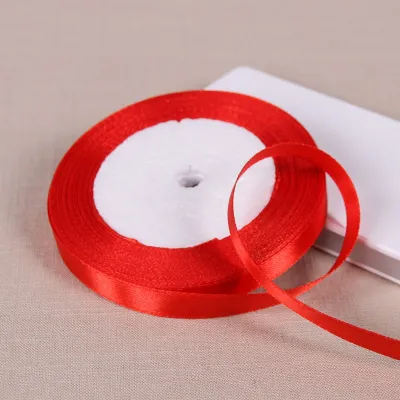
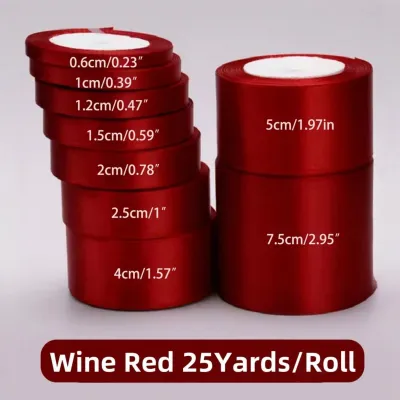
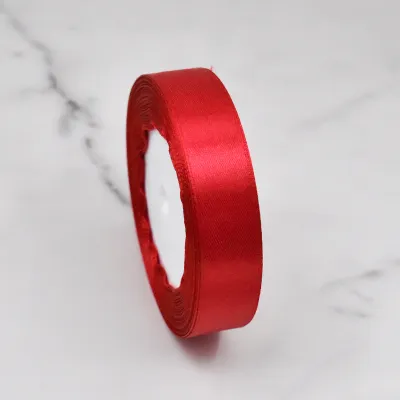
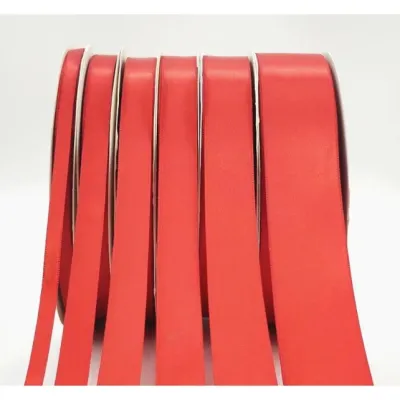
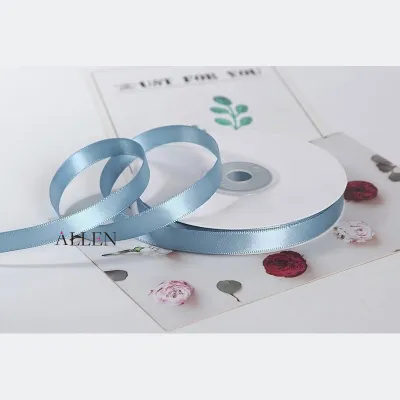
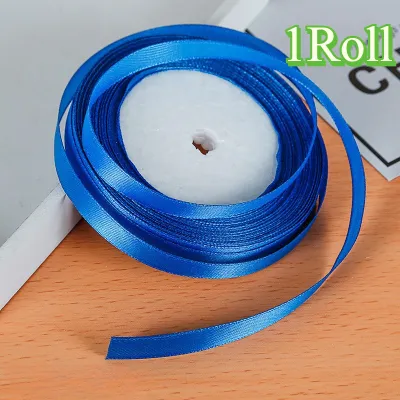
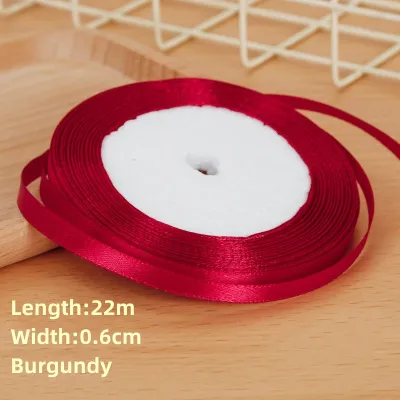
Prices are valid at publication and may change. Please refer to the product page for the latest price.
Finally, consider the visual weight of your materials. Red naturally commands attention, meaning a thick, wide red ribbon can easily overwhelm a small gift wrapped in thin paper. Ensure the ribbon’s width matches the box size and paper thickness. Heavy-weight papers, such as 120 GSM kraft or textured cardstock, support wide velvet or grosgrain ribbons, while lightweight papers pair best with narrow satin ribbons or delicate red twine.
Color Frameworks for Wrapping Paper and Red Ribbon
When selecting your wrapping paper color, establishing a clear visual mood will guide your choices. High-contrast pairings make a bold, sophisticated statement. Wrapping a gift in deep navy blue, rich charcoal, or stark black paper creates a dramatic, modern backdrop that makes a red ribbon pop with incredible intensity. For a classic, regal look, deep emerald green paper provides a traditional contrast that feels elevated and luxurious, especially when using a deep crimson ribbon.

For a softer, more romantic aesthetic, warm and analogous color frameworks work beautifully. Blush pink paper paired with a red ribbon offers a chic, trendy color-blocked look popular for weddings and anniversaries. Metallic gold, bronze, or copper papers bring out the warmth of the red, creating a glowing, festive presentation. You can also layer shades of the same color family by pairing a deep burgundy paper with a bright red ribbon, creating a sophisticated, monochromatic depth.
For a grounded, organic style, turn to neutral and earthy tones. Kraft brown paper is an exceptional partner for a red ribbon, offering a rustic, humble texture that beautifully tempers the ribbon’s vibrant energy. For a budget-friendly yet stunning option, a simple roll of kraft paper (often starting around ₱50 to ₱100 at local stationery stores) paired with a vibrant red ribbon creates an instantly classic look. Soft cream, warm beige, and light gray papers provide a clean, Scandinavian-inspired canvas that lets the red ribbon take center stage.
However, some colors should be approached with caution. Bright neon orange, electric yellow, and hot pink can clash aggressively with a classic red ribbon, causing visual fatigue. If you want a vibrant, maximalist style, ensure one of the colors is significantly muted, or choose a patterned paper where these bright colors are used only as tiny, subtle accents rather than solid blocks.
Matching Paper Textures with Red Ribbon Materials
Achieving harmony between your paper finish and ribbon material requires a thoughtful approach to texture. If you work with a classic, shiny red satin ribbon, its smooth, reflective surface pairs best with matte wrapping papers. The flat background of a matte paper absorbs light, allowing the glossy ribbon to catch the light and stand out as the primary design element. If you prefer a matte red ribbon, such as cotton, linen, or a ribbed grosgrain, pair it with a smooth, satin-finish paper or a paper featuring delicate metallic foil accents to create a balanced contrast.
For a rustic, natural aesthetic, look to textured, fibrous papers. Handmade papers, such as local abaca paper or heavy-weight recycled kraft paper, pair wonderfully with organic ribbon materials. Try wrapping these textured papers with red burlap, raw-edge cotton ribbon, or simple red jute twine. In humid tropical climates, natural fibers like abaca and high-quality kraft paper are excellent choices because they maintain their structural integrity and do not become limp or soggy when exposed to moisture in the air.
If you aim for a luxurious presentation, velvet red ribbon is unmatched in its rich, plush texture. Because velvet has a heavy visual and physical weight, it requires a substantial paper to match. Pair velvet ribbon with thick, embossed papers, heavy cardstock, or papers featuring deep, textured foil stamping. Wide grosgrain ribbon, with its characteristic horizontal ridges, also offers a structured, elegant look that pairs beautifully with smooth, high-density matte papers, giving the package clean, architectural lines.
Before wrapping, perform a quick pre-wrap check. Evaluate the drape and stiffness of your red ribbon. Stiff, wire-edged ribbons are ideal for creating large, structured bows that hold their shape, while soft, fluid ribbons are better suited for simple, elegant knots or wrapping around cylindrical boxes. Additionally, check the opacity of your wrapping paper; thin, light-colored papers may allow a dark red ribbon wrapped around the back of the box to show through, ruining the clean look of the front.
Adapting Color and Texture Pairings to Gifting Occasions
The formality, theme, and recipient of your gift should heavily influence your color and texture choices. For traditional holidays, classic pairings are always a crowd-pleaser. To keep a red-and-green or red-and-gold holiday theme looking modern rather than cliché, play with shades and textures. Try pairing a muted sage green paper with a deep wine-red velvet ribbon, or use a matte gold paper wrapped with a thin, double-strand red satin ribbon. These subtle adjustments elevate the traditional palette into something highly sophisticated.
For birthdays, baby showers, and casual celebrations, you can embrace more playful, high-energy contrasts. White paper featuring black geometric patterns, playful polka dots, or colorful illustrations pairs wonderfully with a bright red ribbon. For these relaxed occasions, keep the ribbon styling casual. A simple double knot with long, flowing tails often looks more contemporary and whimsical than a stiff, perfectly symmetrical bow.
When preparing corporate gifts or wrapping for formal, professional events, restraint is key. Stick to elegant, high-quality neutrals. A crisp white, charcoal gray, or deep navy paper paired with a narrow, high-quality red satin or grosgrain ribbon looks incredibly professional and polished. Keep the ribbon application minimalist—a single, clean band around the center of the box secured with a low-profile flat knot communicates sophistication and attention to detail without feeling overly festive.
The width of your red ribbon also plays a crucial role in matching the occasion’s tone. Wide ribbons (around two inches or more) naturally feel grand, dramatic, and formal, making them perfect for large wedding gifts or major milestones. Narrow ribbons (under half an inch) feel delicate, modern, and intimate, making them ideal for small jewelry boxes, perfume bottles, or casual everyday gifts.
Step-by-Step Layering and Execution for a Cohesive Wrap
Executing a flawless wrap requires patience and a systematic approach. Start by preparing your base layer. Measure your wrapping paper carefully so you do not have excess bulk folding over the edges. Cut the paper cleanly, fold the edges sharply, and pull the paper taut over the box. Secure the seams using high-quality double-sided tape hidden beneath the folds; visible, shiny single-sided tape can instantly cheapen the look of an otherwise beautiful package.
Once your base is secure, apply your red ribbon. To ensure you have enough material, wrap the ribbon around the box twice and add an extra 30 to 40 centimeters before cutting. If you want to add depth, try layering your ribbons. Place a wider, neutral-colored ribbon—such as a 1.5-inch cream grosgrain—flat against the paper, then layer a narrower, 0.5-inch red satin ribbon directly over the center of it. This creates a beautiful framed effect that highlights the red ribbon.
Next, integrate complementary accents to add a personalized touch. You can slide a custom gift tag, a sprig of dried eucalyptus, or a small dried flower under the ribbon’s knot before tying your final bow. In the Philippines, using local dried botanicals or pressed leaves is a wonderful way to add a unique, tropical touch that holds up beautifully in warm weather. Ensure these accents harmonize with your color scheme; green foliage or brown wooden tags pair beautifully with red ribbon on kraft paper.
Finally, apply the editing rule. It is easy to get carried away with ribbons, tags, foliage, and ornaments. Step back and look at your wrapped gift. If any element feels crowded, or if the red ribbon is no longer the clear focal point, remove the excess. A clean, intentional, and balanced design will always leave a more lasting impression than a cluttered one.
Frequently Asked Questions (FAQ)
Can I use patterned wrapping paper with a solid red ribbon?
Yes, patterned wrapping paper pairs beautifully with a solid red ribbon, provided you balance the visual scale of the design. If your paper features a busy, small-scale pattern—such as fine gold stripes, tiny stars, or delicate floral prints—pair it with a wider, solid red ribbon to ground the package and give the eye a place to rest. If the paper has a large, bold pattern, a thinner red ribbon will prevent the design from looking chaotic. To ensure harmony, make sure the red of the ribbon matches a red accent within the paper’s pattern, or choose a neutral-colored pattern (like black and white or kraft and silver) that naturally welcomes a bold red contrast.
How do I prevent the cut ends of my red ribbon from fraying?
Preventing your red ribbon from fraying is essential for a polished, professional finish. Always use sharp fabric shears rather than standard household scissors, which can crush and tear the woven fibers. Cut the ribbon ends at a clean 45-degree angle, or fold the ribbon end in half vertically and cut upward at an angle to create a classic, elegant swallowtail (V-cut). For synthetic ribbons like polyester satin or nylon grosgrain, you can carefully pass the cut edge near a small flame from a lighter or match for a fraction of a second to melt and seal the synthetic fibers; always do this carefully in a well-ventilated area. For natural fibers like cotton, linen, or silk, apply a tiny drop of clear fabric sealant or clear nail polish along the very edge of the cut to lock the threads in place.

Community discussion
Share your experience or ask a question. Comments are reviewed before publication.