
Selecting the perfect happy birthday card is more than a simple errand; it is an act of communication that sets the tone for how you celebrate someone’s milestone. While a generic, last-minute card purchased from a convenience store shelf might convey the basic message, a thoughtfully selected card demonstrates a deeper level of care and attention. The ideal card acts as a bridge, matching the physical design and written sentiment to the unique relationship you share with the recipient.
To make a successful choice, you must balance three primary decision pillars: visual style, message tone, and physical presentation. Visual style ranges from bold, humorous illustrations to elegant, minimalist typography. Message tone can vary from highly formal and respectful to deeply intimate or lightheartedly casual. Finally, the physical presentation—encompassing paper weight, texture, and handwritten elements—adds a tactile dimension that elevates the card from a temporary greeting to a cherished keepsake. By analyzing these components, you can confidently navigate the stationery aisle to find a card that resonates perfectly.
Parents: Balancing Respect, Warmth, and Deep Gratitude
When selecting a happy birthday card for a parent, the design should reflect respect, warmth, and deep gratitude. Parents often appreciate cards that acknowledge their guidance, sacrifices, and enduring support. For this reason, classic and sophisticated visual styles are highly effective. Look for cards featuring timeless botanical illustrations, delicate floral motifs, or refined, elegant typography. Avoid overly casual slang, crude humor, or generic, low-effort designs that might fail to convey the significance of the relationship.
Products mentioned in this guide
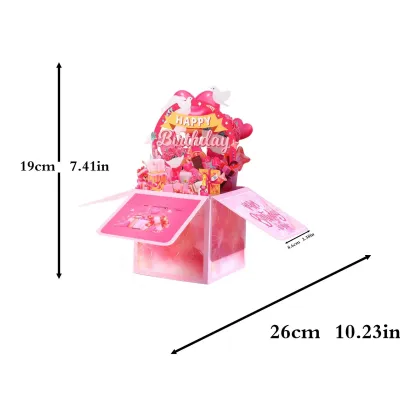
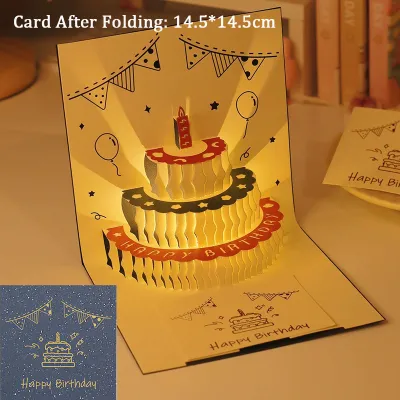
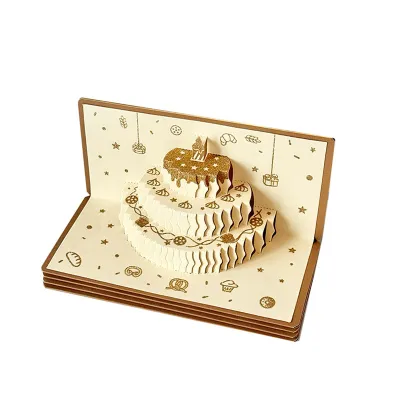
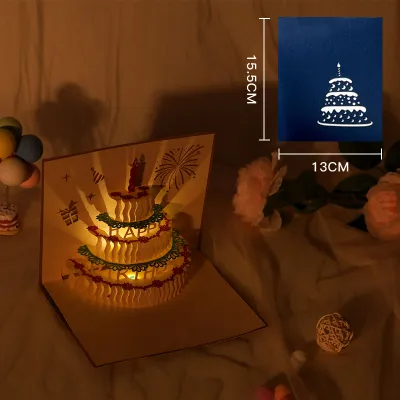
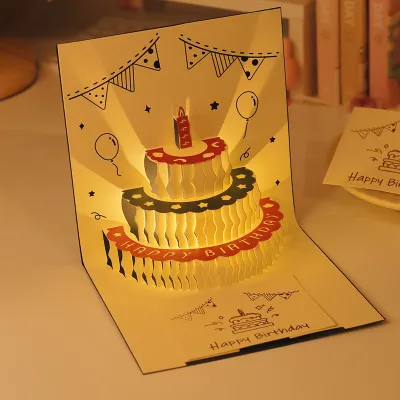
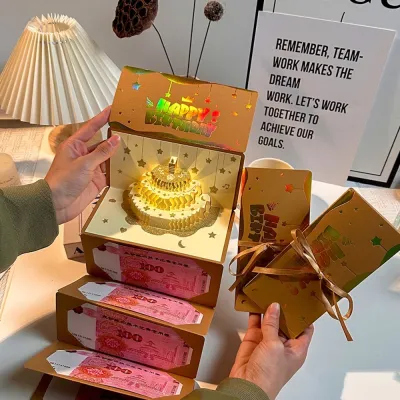
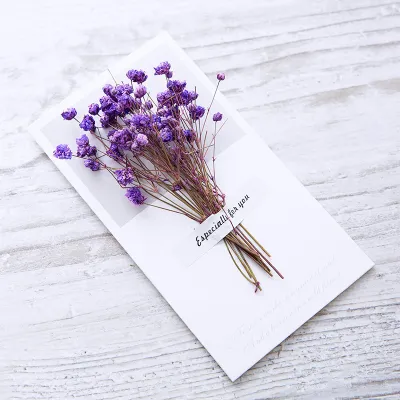
Prices are valid at publication and may change. Please refer to the product page for the latest price.
The physical material of the card plays a crucial role in expressing respect. Opt for heavy cardstock, ideally between 300gsm and 350gsm, which feels substantial and premium in the hand. Textured papers, such as linen or cotton blends, offer a tactile quality that immediately signals high value. These materials do not merely look beautiful; they also feel important, matching the emotional weight of a parental bond.
Your message strategy should focus on balancing the card’s pre-printed sentiments with your own personalized, handwritten memories. While a beautifully written printed verse can set a respectful tone, your personal additions are what truly matter. Share a specific memory from the past year, express gratitude for a lesson they taught you, or simply thank them for their consistent presence in your life.
To execute this successfully, look for cards that feature ample blank space on the inside. A card with a minimalist interior design or a completely blank left-facing page provides the necessary canvas for a longer, more meaningful handwritten letter. This extra space allows you to write without crowding your sentences, ensuring your message is easy to read and visually appealing.
Friends: Embracing Humor, Nostalgia, and Personal Inside Jokes
The rules for choosing a happy birthday card for a friend are far more relaxed, allowing you to prioritize humor, nostalgia, and personal connection. With friends, you have the freedom to step away from traditional formats and embrace designs that reflect your shared history. Visual styles can range from quirky, hand-drawn illustrations and bold, vibrant color palettes to clever pop-culture references that align with their interests.

Personalization is key when selecting a card for a close friend. Look for designs that allow you to leverage inside jokes, shared milestones, or nostalgic themes. A card that references a specific movie you both love, a memorable trip you took together, or a running joke from your college days will always stand out far more than a generic “happy birthday” message. This level of customization shows that you value the unique history of your friendship.
Format flexibility is another advantage when shopping for friends. Unconventional structures, such as intricate 3D pop-up cards, interactive pull-tab designs, or smaller novelty sizes, work exceptionally well. These playful formats add an element of surprise and entertainment, turning the card-opening experience into an interactive activity.
Inside the card, keep your message strategy casual and conversational. Write exactly how you would speak to them in person, perhaps referencing a funny mishap from the past year or expressing excitement for future adventures. Do not feel pressured to write a formal essay; instead, focus on making them laugh or smile with a warm, lighthearted note that celebrates your bond.
Colleagues: Keeping It Professional, Polite, and Inclusive
Giving a birthday card in a professional setting requires a careful balance of politeness, inclusivity, and boundaries. The goal is to acknowledge your colleague’s special day and foster workplace goodwill without crossing professional lines or making anyone feel uncomfortable. For this reason, visual styles should lean toward clean, minimalist, or subtly festive designs. Geometric patterns, simple gold foil accents, or tasteful balloon illustrations are excellent choices. Avoid overly sentimental, romantic, or edgy humor that could easily be misinterpreted.
It is important to differentiate between giving an individual card and organizing a group card for the entire office. If you are giving a card one-on-one, a standard-sized card with a polite, brief message is appropriate. However, if you are passing a single card around the office for team signatures, physical space management becomes a primary consideration.
For collaborative group cards, select larger formats, such as A5 or oversized folding cards, or designs with fold-out panels. This ensures that every team member has enough space to write a short note and sign their name without crowding others or running out of room. A cramped card with overlapping signatures can look messy and disorganized, detracting from the gesture.
Your message strategy for a colleague should remain brief, positive, and focused on professional appreciation. Wish them a wonderful year ahead, thank them for being a great teammate, or express appreciation for their contributions to a recent project. Keeping the tone warm yet professional ensures the card remains a pleasant and appropriate workplace gesture.
Partners: Highlighting Romance, Intimacy, and Keepsake Value
For romantic partners, a happy birthday card should highlight romance, deep intimacy, and keepsake value. This is an opportunity to celebrate your unique bond and create a physical artifact of your love that your partner will want to preserve for years to come. Visual designs should be artistic, romantic, or highly personalized. Consider cards featuring elegant foil stamping, delicate embossed details, or hand-painted illustrations that evoke a sense of beauty and craftsmanship.
To ensure the card serves as a lasting keepsake, prioritize premium, archival-quality materials. Heavyweight cotton paper or thick, acid-free cardstock will resist yellowing and degradation over time, making them ideal for storage in a memory box. The physical weight and texture of a premium card reinforce the depth of your feelings, showing that you spared no effort in finding something exceptional.
Customization adds another layer of meaning to a partner’s card. You might choose a custom-printed card that incorporates a personal photograph of a cherished memory on the cover. Alternatively, hiring a local calligrapher to hand-write your partner’s name or a meaningful phrase on the front of the card elevates the presentation, turning the stationery itself into a work of art.
When writing your message, move beyond generic expressions of affection to write a deeply personal letter. Focus on your shared growth over the past year, highlight specific character traits you love and admire in them, and express your excitement for your future aspirations together. This deeply personal approach transforms the card into a meaningful emotional anchor.
Stationery Upgrades: Paper Textures and Calligraphy Tips for a Personal Touch
To truly elevate your happy birthday card, pay close attention to the physical stationery elements, ensuring your choice of paper, pen, and envelope work harmoniously together. Understanding how different paper weights and textures interact with various writing instruments can dramatically improve the final presentation.
Paper weight is measured in grams per square meter (gsm). A standard printer paper is typically around 80gsm, whereas high-quality greeting cards range from 250gsm to 350gsm. A heavier cardstock feels stiffer, more durable, and significantly more premium. Beyond weight, the texture of the paper—often referred to as the finish—alters the tactile experience. Felt finishes have a soft, organic texture; laid papers feature subtle parallel lines that evoke a classic, handmade feel; and smooth vellum offers a sleek, modern surface that is exceptionally pleasant to touch.
Matching your writing instrument to the specific paper type is essential for clean, smudge-free calligraphy. For smooth, coated, or glossy cards, avoid standard ballpoint pens, which can skip, and water-based fountain pen inks, which will smear on the non-porous surface. Instead, opt for pigment-based gel pens or fine-tip pigment liners, which dry quickly and adhere well to coated finishes. Conversely, if you are writing on highly absorbent, uncoated cotton or linen papers, fountain pens or brush pens work beautifully, as the fibers readily absorb the ink, creating rich, feathered edges that enhance the hand-crafted look.
In tropical climates like the Philippines, high humidity presents unique challenges for stationery. Excess moisture in the air can cause heavy cardstock to warp or curl over time, and it significantly extends ink drying times. When preparing a card in a humid environment, check your ink labels for quick-drying or water-resistant properties. Always allow the ink to dry completely—often taking several minutes longer than usual—before closing the card or sliding it into the envelope to prevent transfer or smudging.
Finally, complete the presentation by pairing your card with a high-quality envelope. Choose an envelope that matches or complements the card’s weight and color palette. A heavy, textured envelope immediately sets a high expectation before the card is even opened. For a secure and elegant closure, consider using a traditional wax seal or a gummed envelope sealed with a damp sponge, ensuring the contents remain protected and beautifully presented.
Frequently Asked Questions (FAQ)
What is the best pen to use on glossy or coated birthday cards?
Standard ballpoint pens often skip, and water-based fountain pen inks struggle to dry on glossy coatings, leading to smudges. For glossy or coated cards, the best choices are permanent markers, fine-tip pigment liners, or specialized glossy-paper pens. To ensure a clean finish, perform a quick test with your chosen pen on a hidden corner or the back of the card first. Allow the ink extra drying time before handling the card.
How should I store unused greeting cards in a humid environment?
Excessive moisture in tropical climates can cause cardstock to warp, curl, or even develop mold over time. To preserve unused greeting cards, store them flat in a cool, dry place. Placing them inside an airtight plastic container or a sealed bin with silica gel desiccant packets will effectively absorb excess moisture. Avoid storing your stationery in damp areas or directly under air conditioning vents, where rapid temperature shifts can cause condensation.

Community discussion
Share your experience or ask a question. Comments are reviewed before publication.