
Selecting the right happy birthday cards is more than a simple errand; it is an exercise in social navigation. The card you choose acts as a physical representation of your relationship with the recipient, conveying respect, affection, or professional courtesy. To make the right choice, you must balance the card’s visual design, the tone of its printed message, and the physical quality of the stationery itself. By matching these elements to the closeness of your relationship, you ensure your gesture is received exactly as intended, avoiding the pitfalls of being overly formal with a close friend or inappropriately casual with a workplace colleague.
How to Match Card Tones to Relationship Dynamics
Before browsing the stationery aisles or online catalogs, it is essential to evaluate the social dynamics at play. The closeness of your relationship, your shared history, and the recipient’s general personality should dictate the card’s overall direction. A card that resonates with a lifelong friend might feel confusing or invasive to a new neighbor, while a highly formal card sent to a sibling might be interpreted as cold or distant. Taking a moment to assess where you stand with the recipient prevents social awkwardness and ensures your message lands with the intended warmth.
Visual style is the first thing a recipient notices, often setting the expectations for the message inside. Minimalist designs, characterized by clean lines, ample negative space, and subtle foil accents, convey elegance and a respectful distance, making them highly suitable for professional or formal relationships. Illustrative and whimsical designs, featuring hand-drawn characters or colorful patterns, communicate playfulness and creativity, which align well with close friendships. Photographic cards can evoke deep nostalgia or a classic feel, while bold typographic layouts often lean toward modern, casual, or humorous vibes. Matching these visual aesthetics to the recipient’s personal taste shows a high level of thoughtfulness.
Products mentioned in this guide
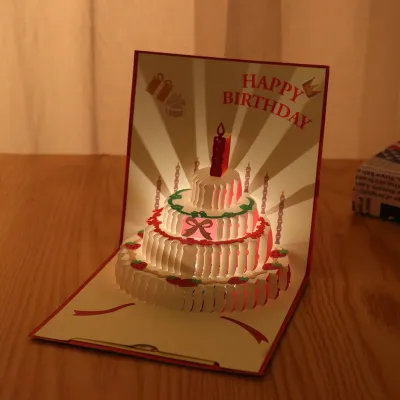
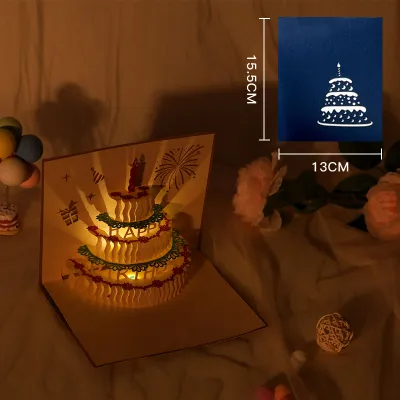
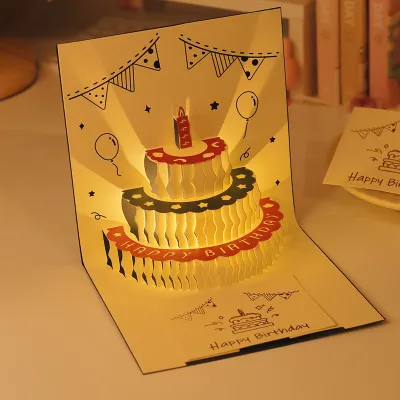
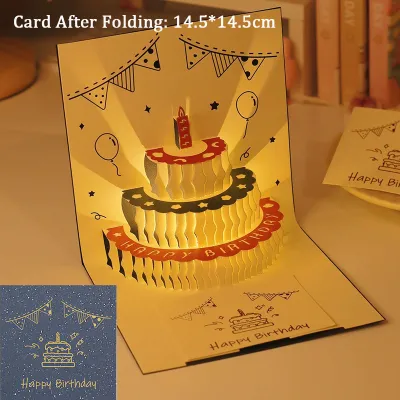
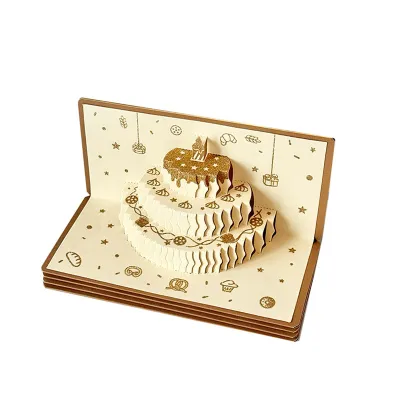
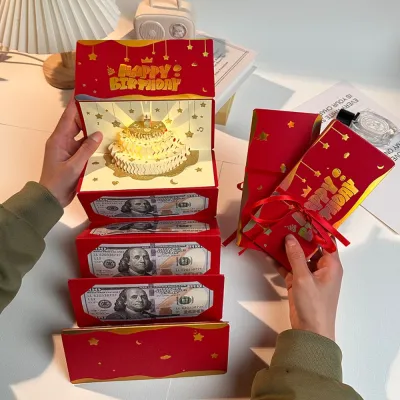
Prices are valid at publication and may change. Please refer to the product page for the latest price.
The printed message tone must also align with your relationship level, falling into categories such as sentimental, humorous, formal, or casual. A sentimental tone requires a strong foundation of shared memories and emotional safety, making it ideal for close family members and long-term partners. Humorous cards rely on a shared sense of comedy; they can strengthen bonds but carry the risk of misinterpretation if the relationship lacks an established history of playful banter. For formal or distant relationships, a polite, appreciative, and warm tone is the safest and most respectful choice, ensuring you acknowledge the milestone without overstepping boundaries.
Happy Birthday Cards for Family Members
Family relationships often carry deep emotional weight, shaped by years of shared history, milestones, and unconditional support. When selecting happy birthday cards for family members, look for designs that reflect these deep bonds. For parents and grandparents, sentimental, keepsake, or intricate pop-up styles are highly valued. These three-dimensional, laser-cut, or hand-assembled cards often serve as lasting mementos that recipients proudly display on living room shelves or bedside tables long after their birthday has passed. The physical presence of a high-quality card mirrors the enduring nature of these familial connections.

For siblings, the dynamic is often more playful and informal. While sentimental cards are occasionally appropriate, many siblings prefer humorous, nostalgic, or inside-joke designs that reflect a shared upbringing. A card that references a childhood memory, a funny family habit, or a lighthearted sibling rivalry can bring immediate joy and strengthen your unique connection. The key is to choose a design that feels authentic to your specific sibling relationship, whether that is deeply emotional or filled with friendly teasing.
Because family cards are frequently kept for years in memory boxes or scrapbooks, paying attention to physical construction is crucial. In warm, humid tropical climates like the Philippines, standard thin paper is highly susceptible to warping, yellowing, or absorbing moisture from the air over time. To ensure the card remains a lasting keepsake, verify the paper quality and cardstock thickness before purchasing. Look for cards made from heavy cardstock, ideally 300 gsm (grams per square meter) or higher, which provides excellent structural integrity. Additionally, check the envelope’s durability and ensure the adhesive seal is high-quality, as high humidity can sometimes cause low-grade envelope flaps to stick prematurely or degrade in storage.
Happy Birthday Cards for Close Friends
Close friendships are built on mutual understanding, shared adventures, and personal quirks, allowing for highly expressive and unconventional card choices. When shopping for a close friend, look for interactive, heavily illustrated, or niche-themed cards that align with their specific hobbies, favorite movies, or artistic interests. An interactive card featuring pull-tabs, scratch-off elements, or unique folding mechanisms adds an element of surprise and playfulness that matches a lively friendship. Selecting a design that directly references their passions shows that you truly know and appreciate their individuality.
This relationship category is also the perfect arena for humor, gentle sarcasm, and highly specific references. A card that incorporates an inside joke, a reference to a memorable trip, or a lighthearted poke at their age can make the greeting feel incredibly personal. Unlike professional contacts, close friends appreciate a level of vulnerability and humor that is unique to your bond. The message inside should complement this by reinforcing your appreciation for their presence in your life, balancing the humor with genuine warmth.
If you plan to send the card via postal services or a local courier, always verify the card’s physical dimensions and envelope size. Standard rectangular cards are generally straightforward to mail, but oversized, square, or unusually thick interactive cards may require additional postage or specialized packaging to prevent damage. Ensure the envelope is robust enough to protect any raised decorative elements, delicate paper cuts, or interactive tabs during transit, ensuring the card arrives in pristine condition.
Happy Birthday Cards for Colleagues and Professional Contacts
Navigating professional relationships requires a careful balance of warmth, respect, and clear boundaries. Happy birthday cards for colleagues, supervisors, clients, or business partners should remain polite, elegant, and universally appropriate. Elegant, minimalist, geometric, or nature-themed designs are excellent choices, as they convey professional courtesy without feeling overly intimate. Avoid cards that feature controversial humor, political themes, or highly casual jokes, as these can easily be misinterpreted in a workplace setting and compromise professional boundaries.
The handwritten message inside a professional card should be kept brief, warm, and focused on general well-wishes and career success. Expressing appreciation for their contributions to the team, wishing them a rewarding year ahead, and offering simple celebratory wishes is a highly effective approach. This maintains a respectful distance while still showing that you value them as a colleague and individual.
Before purchasing an individual card, it is wise to check your office’s gifting policies, team budgets, or established group-card conventions. Many workplaces prefer to circulate a single, high-quality group card signed by the entire department to ensure inclusivity and manage costs. If you are responsible for sourcing a group card, look for larger formats, such as an A5 or oversized folding card, to ensure there is ample physical space for multiple team members to write their signatures and brief notes without crowding the page. This practical consideration ensures everyone can participate comfortably.
Happy Birthday Cards for Acquaintances and Distant Relatives
When giving a card to someone you do not know intimately—such as a neighbor, a casual acquaintance, or a distant relative you see only occasionally—the goal is to show polite thoughtfulness without overstepping social boundaries. Classic, traditional, or general celebratory designs are ideal for these situations. Look for cards featuring universal motifs like balloons, birthday cakes, floral patterns, or simple, elegant typography. These designs carry a cheerful, positive energy that is universally appreciated and safe for any recipient.
In these relationships, it is best to avoid highly specific jokes, modern slang, or overly emotional messages. Such elements can feel forced or cause discomfort if the relationship does not naturally support that level of familiarity. Keeping the design and the printed message classic ensures your gesture is received with the simple, genuine goodwill you intended.
Your handwritten note inside should be warm but appropriately bounded. A simple, polite message wishing them a wonderful birthday and a happy, healthy year ahead is perfect. It acknowledges their special day with genuine kindness while maintaining a comfortable and respectful social distance. This approach ensures your greeting is both meaningful and socially appropriate.
Sourcing and Personalizing Your Happy Birthday Cards
Finding the right card involves choosing the sourcing method that best fits your needs. Browsing physical stationery shops offers a tactile experience, allowing you to evaluate the paper’s texture, weight, and the quality of finishes like embossing, debossing, or foil stamping. This hands-on evaluation is highly beneficial when selecting premium or sentimental cards where physical quality is paramount. On the other hand, online marketplaces and specialty stationery websites offer a much wider variety of unique designs, independent artist creations, and niche themes that may not be available in local physical stores, providing convenience and diverse options.
Once you have selected the card, adding personal touches can elevate the gesture. Beyond your written message, consider including small, flat inserts that do not add excessive bulk to the envelope. A beautiful bookmark, a pressed flower, or a small printed photograph of a shared memory can transform a simple card into a cherished keepsake. These small additions show an extra layer of care and effort that the recipient will appreciate.
Before writing your message, it is important to verify the card’s paper weight and surface finish to ensure compatibility with your writing instrument. Glossy or highly coated card surfaces can cause gel pens, markers, and fountain pen inks to smudge easily, especially in humid environments where drying times are naturally extended. For these coated surfaces, a reliable ballpoint pen or a specialized quick-drying pigment liner is recommended. If you prefer writing with a fountain pen or a rich gel pen, choose cards made from uncoated, high-quality matte paper with excellent bleed resistance to ensure your handwriting remains sharp, clean, and legible without feathering or bleeding through to the back of the card.
Frequently Asked Questions (FAQ)
Is it better to give a physical card or an e-card?
Physical cards carry significantly higher sentimental value and keepsake potential, making them the preferred choice for milestone birthdays, close family members, and close friends who appreciate tangible stationery. They demonstrate a level of effort, physical presence, and thoughtfulness that digital formats cannot easily replicate. However, e-cards offer unmatched convenience, instant delivery, and environmental benefits, making them highly acceptable for distant colleagues, acquaintances, or last-minute greetings where physical delivery is impractical. Consider the recipient’s digital habits, their appreciation for physical keepsakes, and the closeness of your relationship when making your decision.
How much should I spend on a birthday card?
The cost of a birthday card generally correlates with the quality of its physical materials and manufacturing techniques, such as heavy cardstock, foil stamping, or intricate laser-cut pop-up mechanisms. It is reasonable to allocate a higher budget for milestone birthdays or keepsake cards intended for close loved ones where the card itself serves as a beautiful gift. For casual acquaintances or colleagues, a simpler, high-quality standard card is perfectly appropriate. Ultimately, a thoughtful, personalized handwritten message holds far more emotional value than an expensive card design, regardless of the final price in ₱.

Community discussion
Share your experience or ask a question. Comments are reviewed before publication.