
Selecting the right folders and binders for bond paper storage requires a clear understanding of your document volume, how often you need to access the pages, and the environmental conditions of your storage space. In tropical climates like the Philippines, high relative humidity can quickly soften paper, making it prone to sagging, curling, and mold if it is not supported by the correct structural binding. By matching your specific document load—whether it is a small stack of active school reports or a massive archive of corporate tax records—with the appropriate folder material and ring mechanism, you can keep your bond paper pristine, organized, and easily accessible.
To make an informed decision, you must evaluate the physical capacity of different storage formats, understand how material composition prevents ink transfer and moisture damage, and verify that the internal dimensions of your chosen binder perfectly match the unique sizes of bond paper standard in local offices and schools.
Assessing Your Paper Volume and Capacity Needs
Before purchasing any filing system, you must determine the physical volume of the paper you need to store. Bond paper thickness is typically measured by weight, commonly referred to as grams per square meter (gsm) or substance numbers. In most local settings, you will encounter Substance 20 (70 gsm) or Substance 24 (80 gsm) bond paper. Because heavier paper is thicker, a stack of 80 gsm paper will take up more physical space than the same number of 70 gsm sheets. Miscalculating this volume leads to overstuffed folders, which inevitably results in misaligned binder rings, warped covers, and torn paper edges.
Products mentioned in this guide
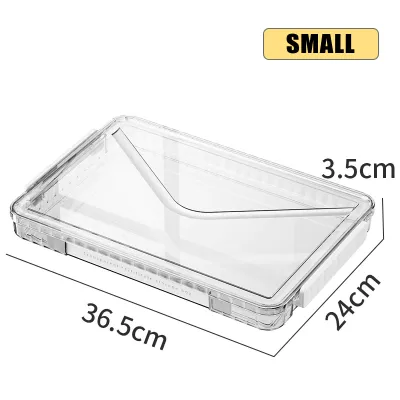
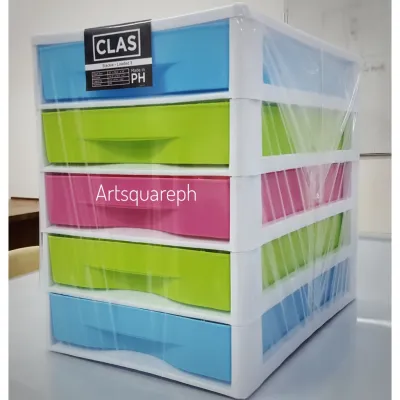
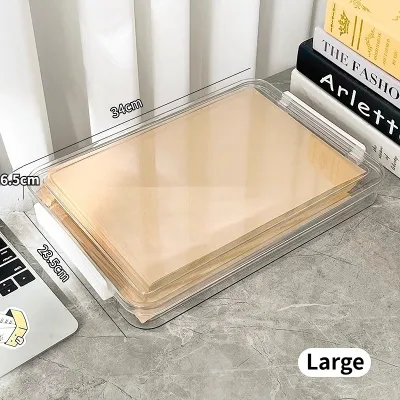
Prices are valid at publication and may change. Please refer to the product page for the latest price.
For light archival needs involving fewer than 50 sheets of bond paper, slim and flexible formats are highly efficient. Sliding bar folders, clear books with fixed plastic pockets, and standard paper folders are ideal for this tier. These options keep small projects, school reports, or single contracts neatly bound without taking up unnecessary shelf space. Attempting to force more than 50 sheets into a sliding bar folder will stretch or warp the plastic bar, causing the sheets to slip out and lose their alignment.
Medium active filing covers volumes between 50 and 200 sheets of bond paper. This is the most common range for active office projects, school subjects, and household bills. Standard 1-inch to 1.5-inch ring binders, expanding document wallets, and thick paper folders with metal fasteners are designed specifically for this capacity. A standard 1-inch ring binder comfortably holds approximately 150 to 175 sheets of standard bond paper. Utilizing these formats ensures that your documents remain highly organized and easy to flip through without putting excessive strain on the binding mechanism.
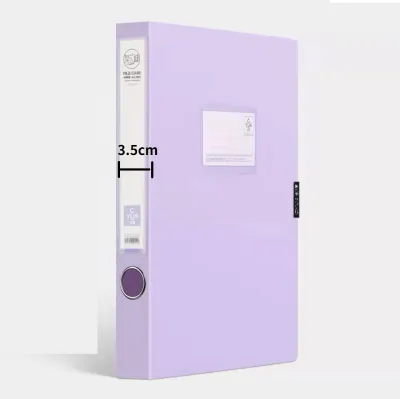
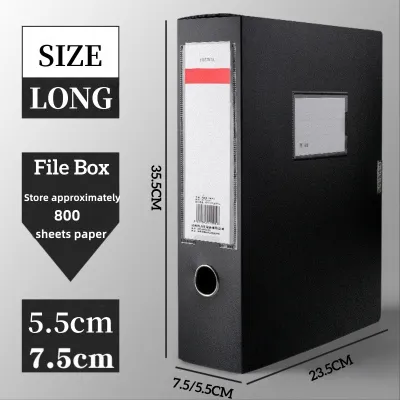
Heavy bulk storage involves managing 200 to over 500 sheets of bond paper. This volume is typical for year-end accounting records, legal case files, and comprehensive academic portfolios. For these massive stacks, you must rely on heavy-duty 2-inch to 3-inch D-ring binders, lever arch files, or rigid box files. A 3-inch lever arch file can securely hold up to 500 sheets of bond paper. When dealing with this volume, always check the spine width and the maximum sheet capacity claims on the product label before purchasing. Avoid the temptation to squeeze extra pages into a filled binder, as the excessive weight can split the folder seams and bend the metal rings, permanently ruining the storage utility.
Matching Storage Formats to Usage Frequency
How often you need to retrieve, read, or update your stored bond paper dictates the style of folder or binder you should choose. Active documents require mechanisms that allow for rapid page turning and easy insertion, while archival documents benefit from highly secure, enclosed structures that prioritize long-term protection over quick access.

For daily reference and active document management, ring binders are the most practical choice. They allow you to open the binder flat on a desk, flip through pages quickly, and insert or remove specific sheets without disturbing the order of the rest of the stack. When selecting a ring binder, consider the shape of the rings. Round rings (O-rings) are common but cause the paper to ride up on the curve, which can crimp the edges of the sheets near the spine. D-ring binders, on the other hand, allow the paper to lie completely flat against the straight side of the ring, reducing wear and tear on the punched holes and maximizing the binder’s actual storage capacity.
For semi-frequent access or long-term archiving, lever arch files and rigid box files are the industry standard. Lever arch files feature a heavy-duty metal arch mechanism controlled by a mechanical lever, making it easy to open and close large, heavy rings. These files are designed to stand upright on shelves, often featuring a metal finger hole on the spine so you can easily pull them down. Box files provide a fully enclosed environment, protecting the edges of the paper from dust and light. While these formats are excellent for high-capacity storage, they are bulkier and less convenient for quick, daily page flipping compared to standard ring binders.
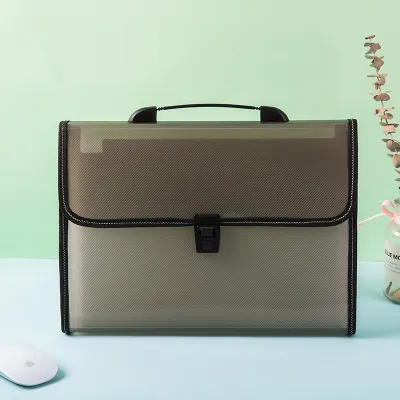
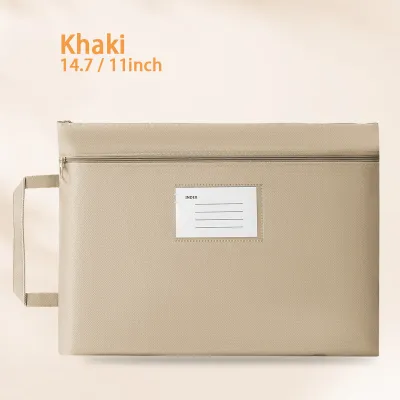
If your daily routine involves transporting bond paper between home, school, or the office, mobile transport formats are essential. Document wallets, expanding folders with dividers, and zippered portfolio binders protect your papers during transit. In regions prone to sudden tropical downpours and high humidity, a secure closure mechanism is vital. Look for folders with strong elastic bands, snap buttons, or full-zipper closures to prevent your documents from slipping out or getting exposed to moisture. Enclosed transport folders sacrifice the rapid page-turning capability of open binders, but they provide critical protection against environmental hazards during your daily commute.
Essential Features for Protecting Bond Paper
Protecting bond paper from physical damage, yellowing, and moisture requires careful attention to the materials and structural features of your storage solutions. Standard bond paper is highly susceptible to environmental degradation, especially when stored in humid conditions. Choosing the wrong materials can lead to irreversible damage to both the paper and the printed ink.
First, you must verify the internal dimensions of the folder or binder to ensure your specific paper size fits flat without folding or protruding. In local offices and schools, three primary paper sizes are used: Short (Letter size, 8.5 x 11 inches), A4 (8.27 x 11.69 inches), and Long (often referred to as Folio size, 8.5 x 13 inches). It is a common mistake to buy standard imported binders designed strictly for A4 or US Letter paper and attempt to store Long bond paper in them. This results in the bottom inch of the long paper protruding past the protective edges of the binder, leaving it exposed to bending, tearing, and dirt. Always measure your paper and cross-reference it with the binder’s internal height and width before purchasing.
Second, pay close attention to the chemical composition of the plastic components. Many budget folders and sheet protectors are made from polyvinyl chloride (PVC). Over time, especially in warm and humid environments, PVC releases plasticizers that react with printed ink—particularly toner from laser printers and photocopiers. This chemical transfer causes the ink to stick to the plastic, lifting the print off the paper and ruining the document. To prevent this, look for folders and sheet protectors explicitly labeled as acid-free, lignin-free, or PVC-free. Polypropylene (PP) is a highly stable, moisture-resistant alternative that does not react with ink, making it the safest choice for long-term document preservation.
To verify if a plastic sleeve or folder material is safe for your printed documents, you can perform a simple, observable trial. Press a sample printed page firmly against the plastic surface and leave it in a warm, humid area for 48 hours. If the ink shows any signs of sticking, softening, or transferring to the plastic when you peel it away, avoid using that material for long-term storage of important documents.
Finally, inspect the structural hardware of the binder. High humidity can cause cheap, untreated metal rings to rust, which will permanently stain your bond paper with orange residue. Look for binders with nickel-plated, powder-coated, or high-quality plastic ring mechanisms that resist corrosion. Ensure the rings align perfectly when closed; any gap or misalignment will catch the punched holes of your paper, causing them to tear when you turn the pages. Additionally, look for binders with metal edge guards along the bottom cover to prevent the cardboard core from fraying and collapsing under the weight of heavy paper stacks.
Building Your Conditional Shortlist for Purchase
To find the most effective storage solution without overspending, you should build a conditional shortlist based on your specific use case, paper size, and budget. Rather than relying on generic category names on online marketplaces or in local stationery stores, use a structured checklist to verify the exact specifications of each product.
Start by defining your primary use case. If you are a student compiling a creative portfolio, your shortlist should focus on clear books with acid-free polypropylene pockets that protect your work from smudging. If you are managing an office archive, prioritize heavy-duty lever arch files with rust-resistant metal mechanisms and finger holes for easy shelf retrieval. For legal professionals who frequently transport long bond paper to court, look for extra-long document wallets or zippered expanding files that fully enclose the 13-inch paper length.
Next, cross-reference the product specifications with your volume and frequency requirements. If you need to store 150 sheets of active A4 documents, look for a 1-inch D-ring binder made of polypropylene. If you need to archive 400 sheets of short bond paper, look for a 2-inch or 3-inch lever arch file. Always double-check the seller’s listed dimensions in centimeters or inches to confirm that the binder is tall and wide enough to cover your paper size completely.
Finally, establish a realistic budget threshold in Philippine Pesos (₱) based on the required durability and the value of the documents you are storing. Basic plastic L-folders and simple document envelopes are highly economical, typically costing between ₱10 and ₱40 each, making them excellent for temporary, light-volume storage. Standard 1-inch ring binders generally range from ₱80 to ₱180, offering a great balance of accessibility and durability for daily office or school use. Heavy-duty, rust-resistant lever arch files, rigid box files, or premium zippered portfolio binders can range from ₱200 to over ₱500. While these high-end options require a larger upfront investment, they prevent document degradation and binder failure, saving you the significant cost and effort of reprinting or restoring damaged records.
Frequently Asked Questions (FAQ)
Can I store different paper sizes in the same binder?
Storing different paper sizes, such as mixing A4, Short, and Long bond paper in a single binder, carries distinct risks. Smaller pages can easily get lost, covered, or misaligned within a larger stack, while larger pages will protrude past the edges of the smaller sheets, making them highly susceptible to bending, creasing, and tearing along the exposed margins. To organize varied document sizes safely, use clear plastic sheet protectors or divider tabs to standardize the footprint of the documents. Placing smaller sheets or odd-sized receipts inside an A4-sized sheet protector ensures they remain securely aligned with the rest of the binder without slipping out or getting damaged.
How do I prevent bond paper from tearing at the binder holes?
Bond paper frequently tears at the punched holes due to the friction of page turning, the heavy weight of the paper stack, or misaligned binder rings. To prevent this damage, apply self-adhesive hole reinforcements (small plastic or paper rings) to both sides of the punched holes on frequently accessed or heavy-weight documents. Additionally, ensure you do not overstuff the binder, as excessive paper volume forces the sheets tightly against the rings, increasing the likelihood of tearing. Always check the alignment of the binder rings before turning pages; if the rings do not meet flush, gently adjust them or replace the binder to prevent the paper from catching on the metal gaps.

Community discussion
Share your experience or ask a question. Comments are reviewed before publication.