
Selecting the ideal My Melody coloring book for a school art class requires looking beyond the cute cover art of Sanrio’s beloved rabbit character. To ensure a successful classroom activity, the best choice is a book that matches the specific coloring tools in your lesson plan, features line-art complexity suited to your students’ age, and utilizes a practical binding that fits neatly on standard school desks. Because school art classes involve diverse mediums—ranging from dry colored pencils to wet markers—the paper quality and physical format of the book will ultimately determine how well the students can express their creativity without frustration.
Core Selection Criteria for Classroom Use
When integrating a My Melody coloring book into a structured school curriculum, educators and parents must evaluate several practical factors. Unlike casual coloring at home, classroom activities are bound by strict time limits, physical space constraints, and specific learning objectives. A successful art lesson relies on materials that perform predictably under various conditions, ensuring that students spend their time coloring rather than struggling with curling pages or bleeding ink.
The baseline requirements for school use center on durability, ease of use, and tool compatibility. A book with flimsy paper or a stiff spine can quickly disrupt a lesson. For instance, if the pages tear easily under the pressure of standard crayons or if the book constantly pops shut on a small desk, students may lose focus. Therefore, selecting a book requires a systematic approach that prioritizes structural quality over mere visual appeal.
Products mentioned in this guide
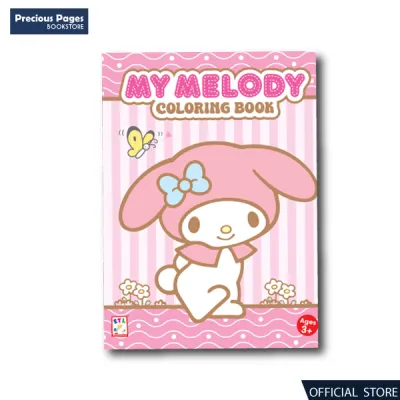
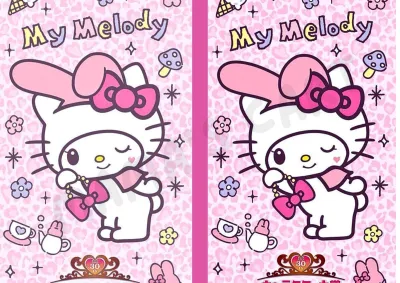
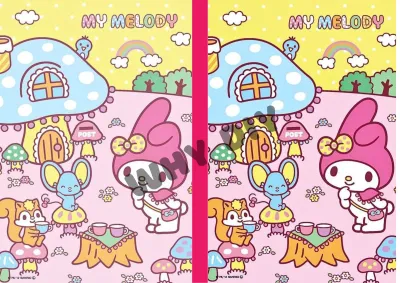
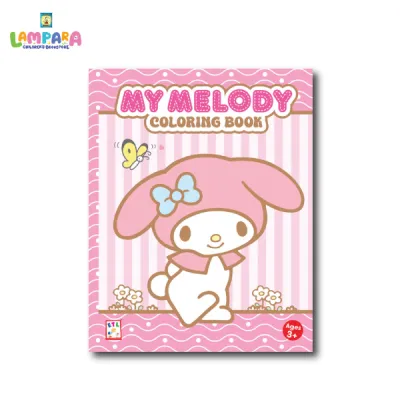
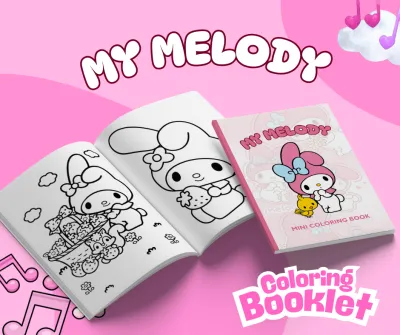
Prices are valid at publication and may change. Please refer to the product page for the latest price.
There is a significant trade-off between standard retail coloring books and specialized, art-grade editions. Standard retail editions, often found in general toy stores or supermarkets, are typically designed for quick, dry-medium coloring with crayons or colored pencils. They often feature thinner, newsprint-style paper. In contrast, art-grade or premium licensed books utilize thicker, wood-free paper that can withstand heavier pressure and light moisture.
Relying solely on cover art or character popularity can lead to poor classroom results. A cover featuring a beautifully rendered, colorful My Melody illustration does not guarantee that the interior pages are printed on high-quality paper. Educators should look past the cover design and carefully examine the manufacturer’s technical specifications, such as paper weight, page count, and binding type, to ensure the book is fit for the intended classroom activities.
Matching Paper Weight to Classroom Art Tools
The success of a coloring activity depends heavily on matching the paper’s thickness to the coloring tools specified in the art curriculum. Paper weight is typically measured in grams per square meter (GSM) or pounds (lb). While these technical ratings are not always prominently displayed on the front cover of character coloring books, they can often be found in the product’s online specifications, back cover details, or publisher descriptions. Understanding these measurements helps prevent common classroom issues like tearing and ink bleeding.

Standard coloring books often feature paper weights ranging from 60 GSM to 80 GSM. This weight is highly adequate for dry mediums such as wax crayons, colored pencils, and hard pastels. However, if your art lesson involves water-based markers, gel pens, or light watercolor washes, this thin paper will quickly saturate. The moisture causes the paper fibers to swell, leading to warping, pilling, and severe bleed-through that can ruin the illustration on the reverse side of the page.
For lessons utilizing wet mediums, look for premium My Melody coloring books that specify a paper weight of 100 GSM to 120 GSM or higher. This thicker, often wood-free or cartridge paper provides the necessary structural integrity to absorb moisture without immediate warping. In highly humid tropical environments, such as classrooms in the Philippines, paper naturally absorbs ambient moisture from the air, making thin pages even more susceptible to tearing under the friction of markers or heavy pencil strokes. Selecting a heavier paper weight helps mitigate this environmental factor.
Before purchasing a large batch of coloring books for an entire class, it is highly recommended to conduct a small-scale bleed test. If you have a sample copy, use the exact markers, brush pens, or watercolors planned for the lesson on an inconspicuous corner or a test page. Observe how quickly the ink dries, whether it feathers along the lines, and if any color shadows or bleeds through to the back. If a bulk purchase is required and testing is not possible, opting for single-sided printed pages is a safe alternative to protect each student’s work.
Aligning Design Complexity with Lesson Goals
An effective art lesson must balance the complexity of the coloring designs with the students’ developmental stage and the allocated class time. My Melody coloring books are available in a wide range of illustration styles, from bold, simple outlines of the character alone to highly intricate, detailed patterns featuring complex backgrounds, floral elements, and multiple Sanrio characters. Matching this complexity to your students’ fine motor skills is essential for keeping them engaged without causing frustration.
For younger students, such as those in kindergarten or early primary grades, simple designs with thick, bold lines are ideal. These illustrations feature large, open spaces that are easy to fill with wide crayon strokes or thick colored pencils. These simpler designs help young learners practice hand-eye coordination and spatial awareness without the pressure of coloring tiny, intricate details.
Conversely, older students or those in dedicated art electives benefit from more complex, detailed patterns. Intricate designs encourage the development of fine motor skills, patience, and color theory application, such as shading, blending, and creating gradients. These detailed pages often feature My Melody in elaborate scenes, surrounded by sweets, gardens, or seasonal themes, providing ample opportunities for creative color choices.
The density of the background elements directly impacts the time required to complete a page. A simple character portrait might take 15 to 20 minutes to color, making it ideal for a quick warm-up activity. A full-page scene with detailed backgrounds can easily require multiple class sessions. To avoid leaving students with half-finished work, educators should look for online preview pages or interior spreads in product descriptions to verify the design complexity before making a selection.
Evaluating Binding and Format for Desk Work
The physical construction and binding of a coloring book significantly affect how easily students can work on their projects within the limited space of a school desk. Standard school desks, particularly in crowded classrooms, offer minimal flat surface area once pencil cases, coloring tools, and water cups are laid out. A book that refuses to stay flat or takes up too much space can make the coloring experience awkward and uncomfortable.
Perfect-bound books, which use a glued spine similar to standard paperbacks, often resist staying open. Students must constantly apply pressure to the spine to keep the book flat, which can lead to hand fatigue or accidental page tearing. In contrast, spiral-bound or lay-flat bound My Melody coloring books allow the pages to lie completely flat on the desk surface. This design ensures that the entire illustration, including the areas near the inner margin, is easily accessible to the student.
Perforated pages are an exceptionally valuable feature for classroom environments. Books with perforated edges allow teachers or students to cleanly tear out individual pages before the activity begins. This offers several practical advantages: it eliminates the struggle with stiff bindings, allows students to work on a single flat sheet of paper, and makes it simple to display the finished artwork on classroom bulletin boards. It also prevents wet mediums from bleeding onto subsequent pages in the book.
Consider the physical footprint of the coloring book when closed and open. Large-format books may look impressive, but they can easily overwhelm a small student desk. A standard A4 or letter-sized book is generally the most practical choice, offering a balanced canvas size while leaving enough room on the desk for the student’s coloring tools and elbow movement.
Verifying Specifications and Sourcing Authentic Copies
To ensure you receive a high-quality product that meets your classroom standards, it is crucial to verify product specifications and source authentic licensed merchandise. The market contains various unauthorized reproductions and low-quality counterfeits that often use cheap, thin paper and blurry printing. These sub-standard copies can disrupt your lesson plans with poor paper performance and fragile bindings.
When browsing online marketplaces or purchasing from local stationery suppliers, create a checklist of key specifications to cross-reference. Look for explicit details regarding the page count, paper type (such as wood-free or sketch paper), dimensions, and the presence of official Sanrio licensing marks. Authentic My Melody products will feature clear copyright indicators and high-quality cover printing without pixelation or color bleeding.
To avoid counterfeits, purchase directly from authorized retailers, official brand stores, or reputable stationery distributors on your preferred ecommerce platform. While unauthorized copies may appear attractive due to lower prices—sometimes costing under ₱50 compared to the ₱150 to ₱300 range for licensed books—the compromise in paper quality and printing clarity often results in a frustrating experience for students. Investing in genuine merchandise ensures consistent paper weight and clean, crisp line art.
Finally, take advantage of community feedback by checking recent buyer reviews. Look specifically for comments mentioning paper thickness, bleed-through experiences with markers, and the durability of the binding. Reviews written by other educators or parents often provide practical insights into how the book performs in real-world scenarios, helping you make an informed decision for your school art class.
Frequently Asked Questions (FAQ)
Can I use water-based markers on standard My Melody coloring books?
Standard My Melody coloring books typically feature thin, uncoated paper designed primarily for dry mediums like crayons and colored pencils. Using water-based markers on this type of paper often leads to bleeding, feathering, and warping of the page. To mitigate this, you can place a thick sheet of scrap paper or cardstock directly underneath the active page to protect the subsequent illustrations. Alternatively, look for books specifically labeled as marker-friendly or those featuring heavy-weight paper.
How do I store partially completed coloring books in the classroom?
To protect students’ ongoing work from damage, store partially completed coloring books flat in designated plastic storage bins or individual student folders. In humid tropical climates, keeping the books stacked flat helps prevent the pages from curling or absorbing excess moisture from the air. Store the bins in a cool, dry area of the classroom away from direct sunlight, which can cause the printed lines and colored sections to fade over time.
Are there My Melody coloring books with pre-printed color guides?
While most standard My Melody coloring books feature traditional black-and-white line art to encourage creative freedom, some special editions may include small, pre-colored reference thumbnails or color-by-number guides. If your lesson plan requires structured color matching and the selected book does not include guides, you can print separate color reference sheets or display official My Melody character images on a classroom projector for students to follow.

Community discussion
Share your experience or ask a question. Comments are reviewed before publication.