
To verify if a scientific calculator is genuine, you must perform a series of physical, functional, and packaging checks. Counterfeit units often mimic the appearance of popular models but fail under close inspection of their build quality, display performance, and internal processing logic. Ensuring you purchase a genuine “carculator original” is essential for reliable performance in classrooms and exam halls across the Philippines, where high humidity and daily use demand durable school supplies. Taking the time to inspect your device before an important exam can prevent unexpected failures when you need accurate calculations the most.
Why Counterfeit Scientific Calculators Are a Risk
Using a counterfeit scientific calculator introduces significant risks to your academic and professional work. During high-stakes exams or complex engineering calculations, a fake device can produce inaccurate calculations, subtle rounding errors, or complete formula failures. These errors often stem from poorly programmed microchips that do not follow standard mathematical order of operations or fail to handle complex floating-point numbers correctly.
Power management is another major issue with counterfeit units. They frequently suffer from poor battery life, sudden shutdowns mid-calculation, and unreliable memory retention that wipes your saved formulas or variables when the screen dims. This can be incredibly disruptive during timed assessments where every second counts.
Products mentioned in this guide
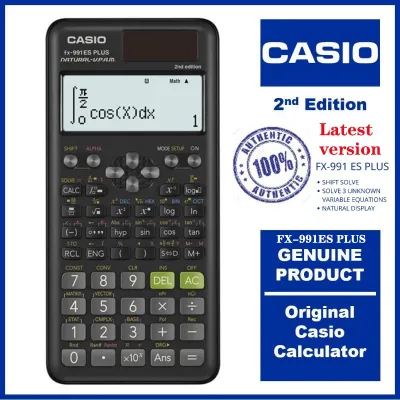
Prices are valid at publication and may change. Please refer to the product page for the latest price.
Furthermore, these imitation devices lack any manufacturer warranty or official customer support. Their cheap internal components make them highly susceptible to physical damage, meaning a minor drop inside a backpack can result in permanent screen bleeding or key failure. Investing in a genuine tool ensures long-term durability and peace of mind throughout your educational journey.
Physical and Build Quality Checks
Evaluating the physical construction of the device is one of the most immediate ways to identify a counterfeit. Genuine manufacturers maintain strict quality control standards that counterfeiters simply cannot afford to replicate.

A genuine scientific calculator is made from high-density, impact-resistant plastics designed to withstand daily school use. When held, it feels solid, balanced, and substantial. Counterfeit models often feel hollow, unusually light, or feature a cheap, glossy finish that easily scratches and attracts fingerprints.
Pay close attention to the keypad, as this is a common area where counterfeiters cut corners. Original keys feature crisp, centered printing that is molded into or securely printed onto the keycaps, preventing the labels from rubbing off quickly. The keys should offer consistent travel and a clear tactile click when pressed, without sticking, wobbling excessively, or sinking unevenly into the casing.
Examine the back panel and the seams where the front and rear casings meet. Genuine units display uniform, tight panel gaps with no rough plastic edges or molding flash. They are held together by specific, high-quality precision screws rather than generic, easily stripped fasteners that look mismatched or unevenly recessed.
Screen, Interface, and Functional Tests
Internal hardware and display technology are difficult for counterfeiters to replicate accurately, making functional tests highly reliable.
Turn on the calculator and look closely at the screen. A genuine display features sharp, high-contrast liquid crystal digits that remain legible even when viewed from an angle. Fake models often show significant ghosting, uneven contrast, dead pixels, or dark patches when viewed from slightly above or below the screen.
Run a series of complex operations to test the internal processor. You can input multi-step equations, matrix calculations, or statistical regressions to observe how quickly the device renders the result. A counterfeit unit may exhibit noticeable processing lag, freeze temporarily, or output incorrect rounding values when handling advanced calculus or trigonometric functions.
Navigate through the setup and mode menus to verify the user interface. The font style, icon rendering, and specific error messages should match the official user manual exactly. Counterfeit devices often use generic, blocky fonts and may display non-standard error codes or simplified menus that omit advanced settings.
Packaging, Labels, and Documentation
The packaging and accompanying materials often contain clear clues regarding authenticity.
Inspect the retail box for sharp, high-resolution printing. Genuine packaging features accurate brand logos, vibrant colors, and flawless spelling. Counterfeits frequently display blurry text, slight color shifts, or spelling mistakes in the product descriptions and feature lists.
Open the box to verify the included items. A genuine calculator comes with a sturdy, perfectly fitting slide-on hard case that protects the keys and screen. It also includes a professionally printed quick start guide and a clearly formatted warranty card, rather than poorly photocopied leaflets with crooked text.
Check the serial numbers and barcodes printed on the box and the back of the device. On genuine products, these labels are crisp, perfectly aligned, and free of pixelation. If the serial numbers on the box and the device do not match, or if the barcode looks smudged and poorly printed, the item is likely a counterfeit.
Where to Buy an Original Calculator Safely
To minimize the risk of purchasing a counterfeit device, select your retail channels carefully.
Prioritize authorized distributors, official brand stores, and established physical stationery or department stores. Buying in person allows you to handle the calculator and perform physical checks before completing the purchase.
When shopping on an online marketplace or ecommerce platform, exercise extra caution. Check the seller’s ratings, read recent customer reviews that specifically discuss authenticity, and look for verified buyer photos of the packaging and device.
Be highly skeptical of listings offering prices significantly below the standard market rate, such as an unusually low ₱ price for a premium model. Avoid third-party sellers shipping from unverified warehouses or those claiming to offer “factory direct” or “OEM” stock, as these are common labels used to distribute counterfeit goods.
What to Do If You Suspect a Fake
If your calculator fails any of the authenticity checks, take immediate action to protect your work and your purchase.
Stop using the suspected counterfeit device for any critical academic, professional, or exam preparation tasks. Relying on an unverified calculator risks unexpected errors that could compromise your grades or professional calculations.
Gather clear evidence of the counterfeit nature of the device. Take high-resolution photos of the packaging flaws, misaligned serial numbers, poor screen contrast, and any physical defects like uneven seams or sticking keys.
Contact the seller or the online marketplace’s customer support team immediately to initiate a dispute. Present your documented evidence to request a full refund or return, and report the seller to help prevent other buyers from receiving counterfeit stationery supplies.
Frequently Asked Questions (FAQ)
Can I verify a CASIO calculator's authenticity using a specific app or website?
Some modern scientific calculators feature a QR code function that can be generated on the screen to verify authenticity online. However, the availability of this digital verification system depends heavily on the specific model, production batch, and regional distribution standards. You should check the official regional website of the manufacturer to see if your model supports this feature, rather than downloading unverified third-party mobile applications that claim to scan and verify serial numbers.
Do fake scientific calculators have the same battery life as original ones?
No, counterfeit scientific calculators generally have much shorter battery life than genuine models. Counterfeiters typically use low-grade, unbranded batteries and inefficient internal circuit boards that drain power rapidly, even when the device is idle. Genuine models specify the exact battery type and expected operational lifespan in their official manuals, providing a reliable baseline you can use to monitor your device’s power performance.

Community discussion
Share your experience or ask a question. Comments are reviewed before publication.