
Purchasing a reliable scientific calculator is a critical step for students and professionals in the Philippines, especially when preparing for board exams or daily technical work. However, the local market has seen an influx of counterfeit devices that mimic genuine Casio models. To ensure you are using an authentic tool, you must systematically evaluate the physical construction, verify the security features on the packaging, run built-in diagnostic tests, and purchase only from verified retail channels. Taking these precautions protects your academic performance and ensures your calculations remain accurate.
Why Counterfeit Calculators Compromise Your Work
Using a counterfeit scientific calculator introduces significant risks to your academic and professional endeavors. While a fake device might look identical to an original model on the surface, its internal components are often sub-standard. These cheap microchips are prone to processing errors, which can lead to inaccurate calculations, incorrect rounding, or sudden system freezes during complex multi-step formulas. In high-stakes environments like licensure examinations, a single calculation error can have severe consequences.
Beyond computational errors, the physical durability of counterfeit calculators is notoriously poor. Substandard soldering and cheap plastic casings make these devices highly vulnerable to the tropical humidity and heat common in the Philippines. A fake calculator may stop working entirely without warning, leaving you without a vital tool in the middle of an exam. Furthermore, counterfeit products do not come with a manufacturer warranty or access to official after-sales support, meaning any malfunction results in a total loss of your investment.
Products mentioned in this guide
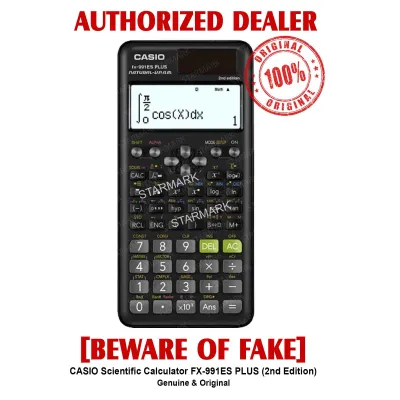
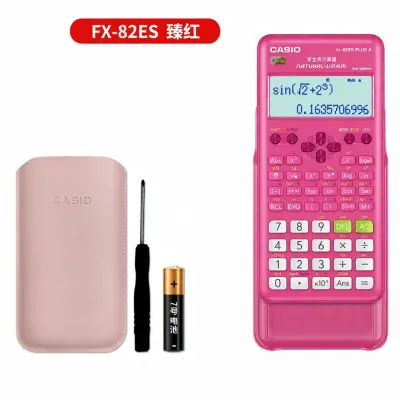
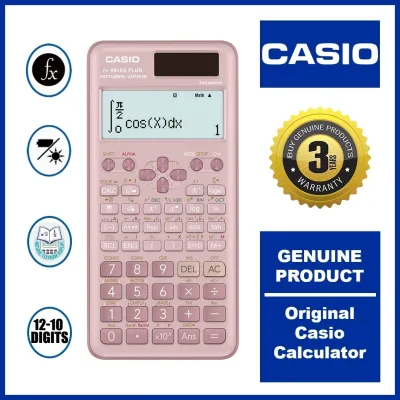
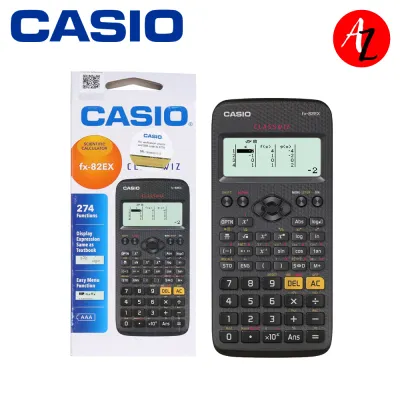
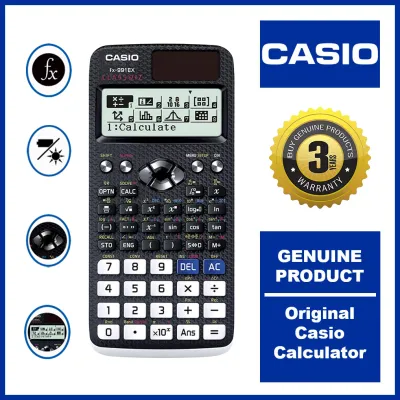
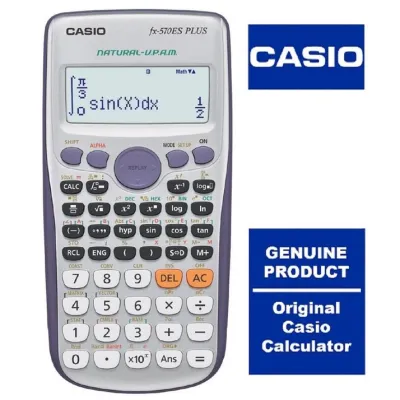
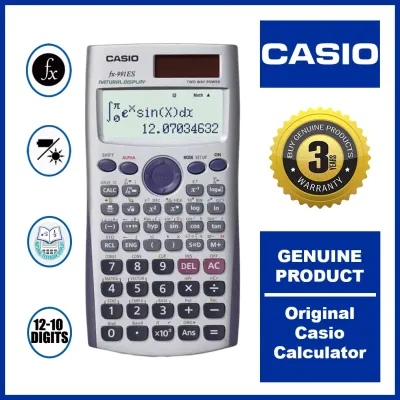
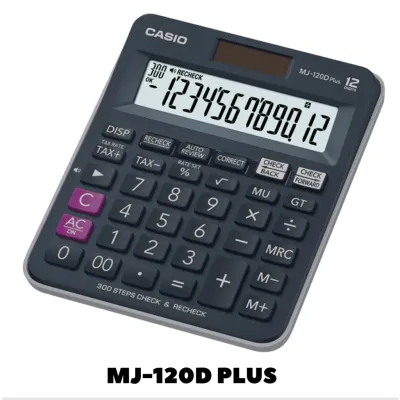
Prices are valid at publication and may change. Please refer to the product page for the latest price.
Inspecting Physical Build and Button Quality
A close physical inspection is one of the most effective ways to identify a counterfeit scientific calculator. Genuine manufacturers maintain strict quality control standards, resulting in a solid, well-balanced device. When you hold an authentic calculator, it should feel sturdy and have a balanced weight distribution. Counterfeit models often feel unusually light or hollow because they use thinner plastic and smaller, cheaper internal circuit boards.

Pay close attention to the buttons, as they are a primary indicator of manufacturing quality. On an original calculator, the keys have a consistent resistance and a distinct, tactile travel distance when pressed. The printed symbols on the keys should be sharp, perfectly centered, and resistant to scratching. In contrast, fake calculators often feature mushy keys that stick or wobble, with misaligned or blurry font printing that quickly fades with minimal use.
Examine the casing seams and the backplate of the device. Authentic calculators feature seamless plastic joints with no rough edges or excess plastic molding. The screws on the backplate should be uniform, flush with the casing, and perfectly aligned. If you notice uneven gaps along the edges, misaligned screw holes, or a battery cover that does not slide smoothly into place, you are likely holding a counterfeit product.
Verifying Packaging and Security Features
Before even opening the device, the retail packaging can provide vital clues about its authenticity. Genuine packaging features high-resolution printing, vibrant colors, and precise typography. Counterfeit boxes often exhibit slightly blurry text, washed-out colors, or subtle spelling and grammatical errors. Compare the packaging layout and font styles with official product images on the manufacturer’s website to spot discrepancies.
Most authentic scientific calculators sold in the local market feature specialized security holograms or authenticity stickers on the box. These holograms are designed to shift colors or reveal hidden patterns when tilted under a light source. Fake packaging may attempt to replicate these stickers, but they usually consist of flat, non-reflective metallic prints that do not change appearance when viewed from different angles.
Inside the box, you should find a professionally printed user manual and a warranty card. Authentic documentation is printed on high-quality paper with clear, legible text in multiple languages, including English. Counterfeit packages often contain poorly folded manuals printed on cheap, thin paper with faded ink, or they may omit the official warranty documentation entirely.
Testing Display and Performance Diagnostics
Turning on the calculator allows you to perform critical display and diagnostic checks. Authentic liquid crystal displays (LCDs) offer high contrast, sharp pixel alignment, and consistent viewing angles. When you tilt a genuine calculator, the numbers should remain legible. Counterfeit screens often suffer from poor contrast, uneven backlighting, or ghosting, where faint outlines of inactive numbers remain visible on the screen.
Most genuine scientific calculators include a built-in diagnostic mode that allows users to test the screen, keys, and internal system. You can typically access this mode by holding down specific key combinations (such as Shift, 7, and On simultaneously) while turning the device on. This diagnostic menu displays the official ROM version and allows you to test every pixel on the screen. Counterfeit calculators rarely replicate this diagnostic software correctly; they will either fail to enter the mode or display an entirely different menu structure.
Additionally, inspect the battery compartment and the included power source. Authentic dual-power models seamlessly transition between solar power and battery power. If you cover the solar panel on a genuine calculator in a well-lit room, the screen contrast should remain stable. On a fake device, covering the solar panel often causes the screen to dim significantly or turn off completely, revealing that the solar panel is merely a cosmetic plastic strip.
Choosing Reliable Purchasing Channels
Navigating the retail landscape carefully is the best way to avoid counterfeit products. In the Philippines, purchasing from established, authorized physical stationery stores and official department stores is the safest option. These retailers source their inventory directly from official distributors, ensuring that every unit sold is genuine and backed by a valid local warranty.
When shopping on online marketplaces or e-commerce platforms, you must exercise extra caution. Always look for official flagship stores or certified mall sellers, which carry verification badges indicating their authorized status. Avoid buying from unverified third-party sellers who use stock photos and offer little to no customer feedback. Reading customer reviews can also provide valuable insights, but look closely at the photos uploaded by previous buyers to verify the physical details of the product they received.
Pricing is another critical indicator of authenticity. If an online listing offers a scientific calculator at a price significantly below the standard ₱ retail price, it is highly likely to be a counterfeit. While legitimate sellers may offer occasional seasonal promotions or student discounts, they rarely slash prices by half or more. A suspiciously low price is almost always a sign of a counterfeit device made with inferior components.
What to Do If You Receive a Suspected Fake
If you suspect that you have purchased a counterfeit scientific calculator, act quickly to protect your purchase. Start by documenting the product thoroughly. Take clear, high-resolution photos and videos of the unboxing process, the physical flaws on the device, the packaging anomalies, and any performance errors or failed diagnostic tests. This visual evidence is crucial when filing a dispute.
Next, initiate a return and refund request through the e-commerce platform’s buyer protection system. Most major online marketplaces have strict policies against the sale of counterfeit goods and will freeze the seller’s payment while investigating your claim. Submit your documented evidence clearly, highlighting the specific physical and functional differences that prove the item is not genuine.
If you purchased the device from a physical store or require official confirmation, you can contact the manufacturer’s official customer service or visit an authorized service center. They can inspect the device and provide official verification, which can serve as definitive proof to support your refund claim or to report the fraudulent seller to local consumer protection authorities.
Frequently Asked Questions (FAQ)
Can I verify authenticity using the serial number alone?
No, you should not rely on the serial number alone to verify authenticity. While genuine calculators feature unique serial numbers on the backplate or inside the battery compartment, counterfeit manufacturers frequently copy and print valid serial numbers onto thousands of fake units. To ensure your device is genuine, you must cross-reference the serial number with physical build quality, packaging security features, and the built-in diagnostic test results.
Are heavily discounted scientific calculators always fake?
While not every discounted calculator is fake, extremely low prices should always be treated with suspicion. Authorized retailers in the Philippines occasionally run back-to-school promotions or holiday sales, but these discounts are typically modest. If an online listing or street vendor offers a calculator at a fraction of its standard ₱ retail price, it is almost certainly a counterfeit device constructed with cheap, unreliable components.

Community discussion
Share your experience or ask a question. Comments are reviewed before publication.