
To spot a fake acrylic marker, you must examine its physical construction, verify the print quality of its packaging, test the ink’s viscosity and odor, and evaluate the nib’s performance on paper. Counterfeit markers often fail under close inspection, showing misaligned labels, leaking caps, or watery, low-pigment ink that cracks when dry. By systematically checking these visual and physical indicators, you can protect your investment and ensure your art supplies perform reliably.
Because acrylic markers are highly popular among artists, crafters, and DIY enthusiasts, the market has seen an influx of imitation products. These counterfeits may look convincing at a glance, but they perform poorly and can ruin hours of hard work. Understanding how to distinguish genuine paint pens from cheap imitations is essential for achieving professional results on your canvases, wood crafts, or custom designs.
Why Counterfeit Acrylic Markers Matter
Using counterfeit acrylic markers introduces significant risks to your creative projects. Genuine acrylic markers are formulated with high-grade, finely milled pigments suspended in a premium acrylic polymer emulsion. This combination ensures excellent opacity, allowing you to layer light colors over dark shades seamlessly. Counterfeit markers, by contrast, often use cheap dyes or watered-down pigments. This results in a streaky, translucent application that fails to cover underlying layers, forcing you to apply multiple coats that can warp your paper or canvas.
Products mentioned in this guide
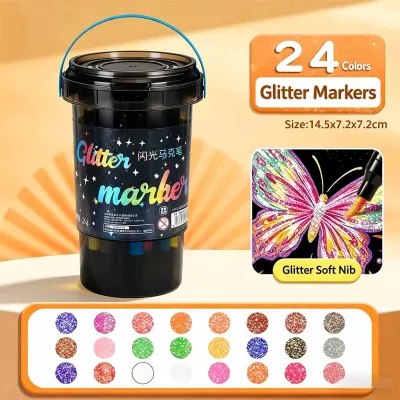
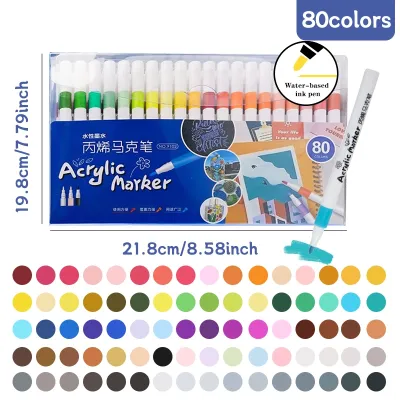
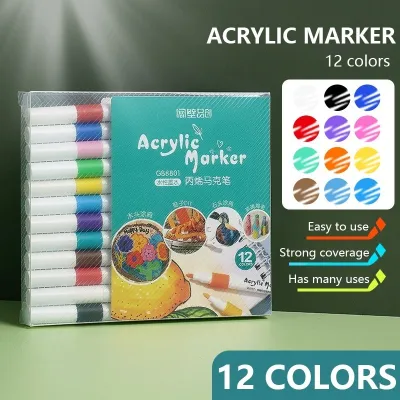
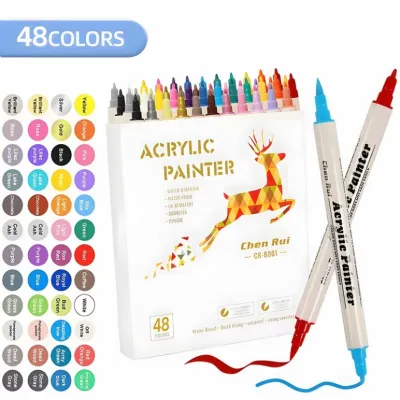
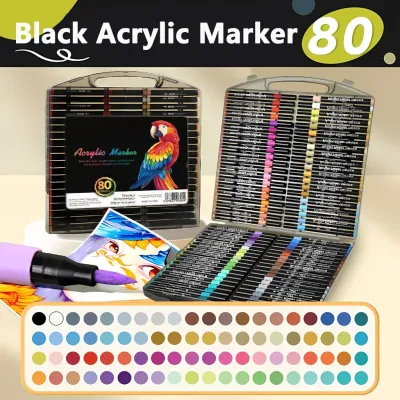
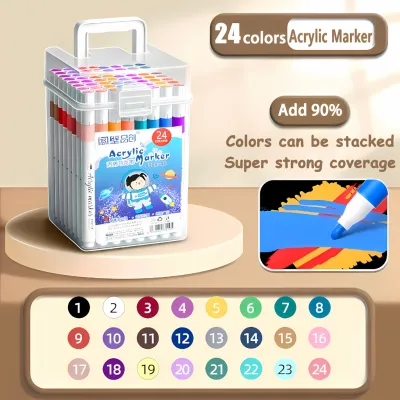
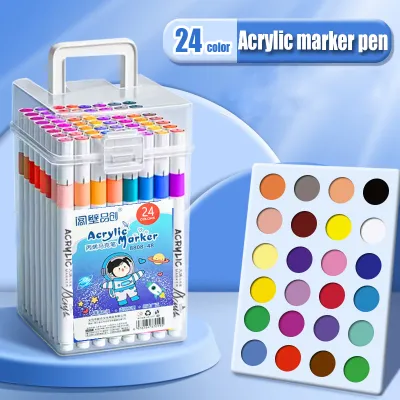
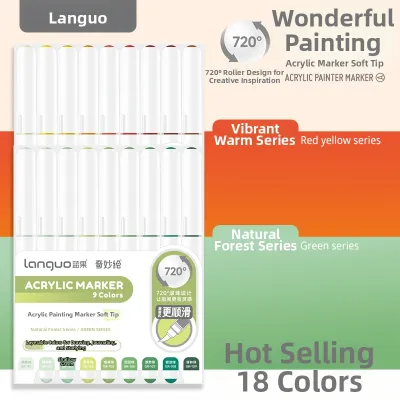
Prices are valid at publication and may change. Please refer to the product page for the latest price.
In tropical and highly humid environments, such as the Philippines, the chemical stability of your art supplies is put to the test. Unregulated counterfeit inks often lack proper binders and UV stabilizers. When exposed to heat and humidity, these low-quality inks can crack, peel, or fade rapidly, ruining finished pieces that you intended to display or sell. Furthermore, genuine brands formulate their water-based acrylic inks to be virtually odorless and non-toxic. Counterfeits may contain industrial solvents that emit strong, unpleasant chemical odors, posing potential health risks when used in enclosed or poorly ventilated workspaces.
Inspecting Packaging and Labeling Details
Before you even prime a marker, the packaging can reveal its authenticity. Genuine manufacturers invest heavily in high-precision printing equipment, resulting in crisp text, accurate color alignment, and durable labels. Examine the outer box and the marker barrel closely. Look for blurry text, pixelated logos, or misaligned color registration where the ink colors overlap incorrectly. Spelling mistakes, grammatical errors, or awkward phrasing on the instructions are immediate red flags that point to a counterfeit origin.

Next, check for manufacturing details that reputable brands always include. Original markers feature clearly printed batch codes, barcodes, and sometimes expiration or manufacturing dates. These codes are typically laser-etched or stamped cleanly onto the base of the marker or the side of the barrel. Counterfeits often omit these tracking numbers entirely or print them as static, blurry parts of the label design. Additionally, look for official safety certifications, such as the AP (Approved Product) non-toxic seal or European EN71 compliance marks. If these logos look distorted, simplified, or are missing altogether, the product is highly suspect.
Evaluating Physical Build and Ink Quality
The physical construction of a marker is a clear indicator of its quality. Genuine acrylic markers are built with robust, injection-molded plastic barrels designed to withstand the pressure of priming. The caps are engineered to fit tightly, creating an airtight seal with a distinct click. This seal is crucial for preventing the water-based ink from drying out prematurely. Counterfeit markers often feature cheap, thin plastic barrels that flex under pressure, and their caps may feel loose, rough around the seams, or fail to seal securely.
To evaluate the ink quality without ruining a project, shake the marker and observe its behavior. Most valve-action acrylic markers contain a mixing ball to help blend the heavy pigments. Shake the marker near your ear; a genuine marker will have a clear, solid metallic or plastic rattle. If the rattle sounds muffled, hollow, or is entirely absent, the pigment may have permanently settled and hardened, or the manufacturer may have skipped this component. Furthermore, check the color indicator on the cap or barrel. Original brands calibrate their plastic components to match the dried paint color closely. If there is a drastic mismatch between the cap color and the actual ink, you are likely dealing with an imitation.
Testing the Nib and Ink Flow Performance
Conducting a controlled trial on scrap paper is the most reliable way to verify performance. Smoothness, bleed resistance, drying speed, and water resistance depend heavily on the exact combination of your marker’s ink and the paper surface you choose. For this test, use a sheet of heavyweight, mixed-media paper or a small piece of primed canvas.
First, inspect the nib itself. Genuine markers use high-density synthetic fibers, such as polyester or acrylic, which are cut precisely to maintain their shape (whether bullet, chisel, or brush tip). Press the nib down firmly on your test paper to prime the valve. An original nib will compress smoothly and spring back into its original shape without fraying or splitting. Counterfeit nibs are often made of low-grade felt that quickly becomes mushy, frays at the edges, or clogs after minimal use.
Once primed, observe the ink flow. A genuine marker regulates the paint delivery, allowing you to draw smooth, continuous lines without skipping or flooding. If the ink pools instantly into a watery mess, or if you have to press repeatedly to get any pigment at all, the valve system is defective or counterfeit. Let the test stroke dry completely. Genuine acrylic ink dries to a uniform, slightly flexible, matte or satin finish within a few minutes and becomes highly water-resistant. If the dried ink remains tacky, bleeds excessively through the paper fibers, or rubs off as a dry, chalky powder when touched, the ink formulation is substandard.
Choosing Reliable Purchasing Channels
Where you buy your art supplies is just as important as how you inspect them. To minimize the risk of purchasing counterfeits, prioritize official brand flagship stores or authorized physical stationery retailers. Many reputable brands maintain verified storefronts on major e-commerce platforms, which often feature a verification badge or certificate of authorization.
Be highly skeptical of third-party listings on online marketplaces that offer deals that seem too good to be true. For example, if a set of premium acrylic markers typically retails for around ₱1,500, a listing offering the identical set for ₱150 is almost certainly selling counterfeits. Avoid listings that rely solely on generic, low-resolution stock photos instead of actual product photography. Always read the customer reviews, specifically filtering for one-star and two-star ratings. Look for recurring complaints regarding watery ink, dried-out markers, damaged packaging, or explicit mentions of receiving fake products.
Steps to Take If You Receive a Suspected Fake
If you suspect you have received a counterfeit marker set, act quickly to secure a refund and alert the community. Start by documenting the unboxing process and the physical flaws. Take clear, well-lit photos of any blurry printing, misaligned labels, damaged nibs, or leaking caps. If you happen to own an original marker of the same brand, place it side-by-side with the suspect item to highlight the differences in size, color, and print quality.
Contact the seller immediately through the e-commerce platform’s messaging system to report the issue and request a return. State clearly that the product does not match the description of an original item and provide your photographic evidence. If the seller refuses to cooperate or ignores your request, escalate the issue to the platform’s customer support team to initiate a formal dispute. Finally, consider sending an email to the official brand’s customer service department with photos of the batch codes; many manufacturers appreciate these reports as it helps them track down unauthorized distributors and protect their brand integrity.
Frequently Asked Questions (FAQ)
Can I mix original and fake acrylic markers in the same artwork?
Mixing original and counterfeit acrylic markers in the same piece of art is not recommended. Because counterfeit inks use unregulated, low-quality chemical binders and solvents, they may react poorly when layered over or mixed with genuine acrylic paint. This chemical incompatibility can cause the paint layers to lift, bubble, or dry at uneven rates, leading to cracking. Additionally, the fake ink will likely fade much faster than the genuine ink, resulting in patchy, inconsistent colors over time.
Do all genuine acrylic markers have a rattling mixing ball inside?
No, the presence of a rattling mixing ball is not a universal indicator of authenticity. While most valve-action paint pens require a mixing ball to blend the heavy pigments before use, some genuine acrylic markers use alternative ink delivery systems. For example, certain free-flow, brush-tip, or filter-type acrylic markers do not use a valve mechanism and therefore do not require a mixing ball. Always research the specific model and design standards of the brand you are buying rather than relying on a single physical feature.

Community discussion
Share your experience or ask a question. Comments are reviewed before publication.