
Shopping for creative toys on Philippine ecommerce platforms offers unmatched convenience, but it also exposes buyers to the risk of counterfeit products. The popularity of modeling clay sets like Play-Doh Blooms has made them a prime target for unauthorized manufacturers who produce low-quality imitations. Distinguishing a genuine set from a fake copy requires a careful, multi-step approach. Rather than relying on a single feature, successful verification depends on cross-checking the packaging details, evaluating the physical quality of the compound and plastic accessories, and thoroughly vetting the seller’s credentials before making a purchase.
In the local online marketplace, listings can look incredibly convincing, often using official marketing images to mask the actual product being shipped. This makes it easy for unsuspecting parents and gift-buyers to fall into price traps. By understanding the specific differences in packaging, material quality, and seller behavior, you can protect your budget and ensure that the toys entering your home are safe and enjoyable for children.
Why Authenticity Matters for Modeling Clay Sets
When purchasing modeling clay for children, safety and material quality must be the primary concerns. Genuine Hasbro products are manufactured to meet strict, regulated, non-toxic standards, ensuring they are safe for prolonged skin contact and accidental ingestion risks. Counterfeit modeling compounds, on the other hand, often bypass these regulatory checks, leaving buyers with unknown chemical compositions that may contain harmful industrial chemicals, heavy metals, or unlisted allergens.
Products mentioned in this guide
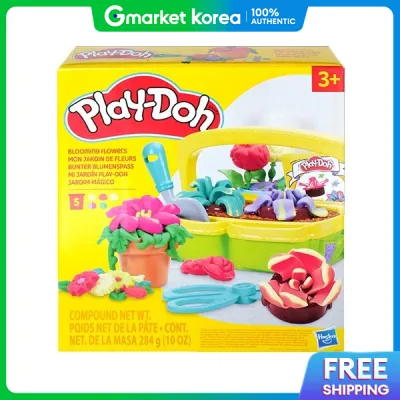
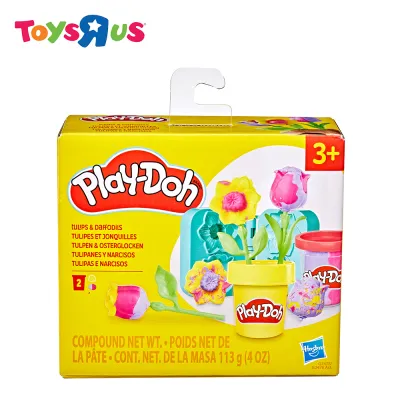
Prices are valid at publication and may change. Please refer to the product page for the latest price.
The tropical climate of the Philippines, characterized by high heat and humidity, can exacerbate the risks associated with counterfeit compounds. Low-quality clays often degrade rapidly under these conditions, becoming breeding grounds for mold and bacteria due to a lack of proper preservatives. Furthermore, the chemical stabilizers used in fake formulas may break down in the heat, causing the compound to emit toxic fumes or become excessively sticky and difficult to wash off.
Beyond chemical safety, the physical components of counterfeit sets frequently fall short of basic quality standards. Fake molds, extruders, and flower-shaping tools often feature sharp plastic edges, poor durability, or misaligned parts that do not fit together properly. These manufacturing defects can frustrate young users and pose minor physical hazards, such as scratches from sharp plastic burrs or pinching from poorly constructed joints.
Furthermore, the modeling compound must behave predictably to deliver the intended play experience. Authentic Play-Doh is formulated to retain its moisture during play, allowing for smooth extrusion and clean color mixing without crumbling. Counterfeit compounds often dry out rapidly, stick excessively to hands and plastic molds, or fail to hold their shape, ruining the flower-building activities central to the Blooms theme.
Inspecting Packaging and Labeling Details
A close inspection of the product packaging is often the first line of defense against counterfeit toys. Genuine sets feature high-quality, crisp printing with vibrant colors and sharp text on sturdy cardboard. When examining a listing or a received box, look closely at the official Hasbro and Play-Doh logos. Counterfeiters often use slightly altered fonts, incorrect color shades, or omit the registered trademark symbols that are always present on authentic packaging.

Legitimate packaging destined for the local market will feature mandatory safety warnings, age grading, and manufacturer details printed clearly in English. If the text on the box is blurry, contains obvious spelling mistakes, or displays poorly translated instructions, the product is highly likely to be a fake. Additionally, check for the presence of local distributor stickers or import labels, which are common on authorized stock in the Philippines.
Inspect the physical condition of the box for signs of tampering or low-quality materials. Authentic boxes are made from sturdy cardboard designed to withstand shipping and handling, whereas counterfeit boxes often feel flimsy, lack protective inner trays, or arrive with missing security seals. If the packaging appears taped shut with non-standard adhesive tape, it may indicate that the contents have been altered or replaced.
Finally, compare the listed box contents on the exterior packaging with the actual items inside. Authentic sets clearly state the number of compound cans, their weights, and the specific plastic tools included. If you notice a discrepancy—such as fewer cans, missing extruder parts, or tools that do not match the illustrations—the set is likely an imitation or a returned product that has been tampered with.
Evaluating the Compound Texture and Accessories
Once the box is open, the physical properties of the modeling compound provide immediate clues about its authenticity. Genuine Play-Doh has a highly distinct, mild, salty-sweet scent that is recognizable to many parents and educators. Counterfeit compounds, by contrast, often emit a strong, unpleasant odor of chemicals, industrial solvents, or heavy artificial fragrances used to mask low-quality ingredients.
The texture of the clay is another reliable indicator of quality. Authentic compound feels smooth, pliable, and moist without leaving a greasy residue on your hands. If the clay crumbles easily, feels excessively sticky, or shows signs of oil separation inside the can, it does not meet the manufacturer’s quality standards. These texture issues make it difficult to mold detailed flower petals or push the compound through the extruder tools.
In humid tropical environments, counterfeit clays are particularly prone to “sweating,” where moisture or oily chemical binders separate from the solid material and pool at the bottom of the container. This separation not only ruins the usability of the clay but also indicates a highly unstable chemical formula. Genuine Play-Doh remains stable and cohesive under normal indoor storage conditions.
Next, examine the plastic flower molds, extruders, and other accessories included in the Blooms set. Genuine tools are made from thick, durable plastic with smooth, rounded edges and precise fittings. Counterfeit accessories often feel lightweight and flimsy, showing visible mold lines, excess plastic trim, or sharp burrs that can scratch small hands. The moving parts of fake extruders may also jam or bend under normal pressure.
Color performance is also a key differentiator. Authentic Play-Doh colors are bright, consistent, and formulated not to bleed into hands or stain surfaces permanently during normal play. Counterfeit clays often use cheap pigments that transfer color to skin, clothing, or play mats, and the colors may bleed into one another in an unnatural, muddy fashion even before they are mixed.
Navigating Prices and Seller Credentials Online
Evaluating online listings before clicking the purchase button can save you from the hassle of dealing with a counterfeit product. Price is often the most immediate red flag on Philippine ecommerce platforms. If a listing offers a Play-Doh Blooms set at a price significantly below the standard retail range in ₱, you should proceed with extreme caution. While legitimate discounts exist, prices that seem too good to be true usually indicate a counterfeit item.
To minimize risk, prioritize buying from official brand stores, authorized mall sellers, or online merchants that carry platform-verified authenticity guarantees. These sellers are vetted by the platforms and are subject to strict penalties if they are found selling counterfeit goods. Look for official store badges and check the seller’s overall rating, aiming for merchants with high positive feedback scores and a long history of operation.
User reviews are an invaluable resource when assessing a listing’s legitimacy. Do not just look at the star rating; scroll down to read individual comments and look for uploaded photos of the actual product received by other buyers in the Philippines. Pay close attention to reviews that mention a strange chemical smell, poor clay texture, damaged packaging, or missing parts, as these are common complaints for counterfeit sets.
Be highly cautious of listings that rely solely on generic stock photos copied from official websites. Legitimate sellers often include original photos of the actual box, showing the local import stickers or the physical condition of the stock in their warehouse. If a seller refuses to provide real photos of the product upon request, or if their store profile contains a large number of unrelated, randomly named items, it is safer to look for another source.
Steps to Take If You Receive a Fake Set
If you suspect that the Play-Doh Blooms set you received is counterfeit, the first step is to document the evidence immediately. Take clear, high-resolution photos and videos of the unboxing process, focusing on the packaging, blurry labels, missing logos, and any physical defects in the tools or compound. This visual evidence will be crucial when filing a dispute with the ecommerce platform.
For safety reasons, do not allow children to play with the compound if you suspect it is fake. If the clay has a strong chemical odor, leaves an oily residue, or causes any skin redness or irritation, seal it back in its containers and store it out of reach. It is better to err on the side of caution than to risk exposure to unknown chemical ingredients.
Next, initiate a formal return or refund request through the dispute resolution center of the ecommerce platform where you made the purchase. Select the appropriate reason code, such as “item is counterfeit” or “not as described,” and upload the photos and videos you gathered. Avoid completing the order or leaving a rating until the platform has resolved the dispute, as this can complicate the refund process.
Finally, report the specific listing and the seller to the platform’s customer support team. Providing detailed feedback about counterfeit sellers helps the platform identify and remove fraudulent listings, protecting other shoppers in the local community from falling into the same trap.
Frequently Asked Questions (FAQ)
Can I use an official app to scan and verify Play-Doh Blooms?
The manufacturer does not currently offer a dedicated mobile application or a universal QR code verification system specifically designed to authenticate Play-Doh Blooms sets in the Philippine market. While some packaging may feature barcodes or QR codes for promotional content or instructions, these are not reliable security features. If a QR code on the box redirects you to a suspicious, broken, or unrelated website, it is a strong sign of a counterfeit product. Physical inspection of the packaging, logos, and compound remains a highly reliable method of verification.
Are heavily discounted sets during online sales always fake?
Heavily discounted sets are not always counterfeit, but they require extra scrutiny. During major platform-wide double-day sales or holiday promotions, authorized mall sellers and official brand stores often offer legitimate discounts, vouchers, and bundle deals. To distinguish these from counterfeit traps, verify the seller’s historical pricing and check for official platform badges. If a massive discount is offered by an unverified, third-party seller with a newly created account and no customer reviews, the listing is highly likely to be a counterfeit.

Community discussion
Share your experience or ask a question. Comments are reviewed before publication.