
Spotting a genuine Casio scientific calculator involves checking the physical build quality, verifying the packaging details, testing the internal diagnostic software, and using official digital authentication tools. Counterfeit units often fail under the humid conditions of tropical classrooms, showing faded key prints, unresponsive buttons, or sudden battery failures. By systematically inspecting the exterior casing, key feedback, display contrast, and security labels, you can ensure your device is authentic before relying on it for critical school or professional examinations.
Inspecting the Packaging and Included Accessories
The packaging is your first line of defense when identifying a counterfeit scientific calculator. Genuine Casio boxes feature high-resolution printing with crisp, clear brand logos, accurate color gradients, and professional typography. Counterfeit packaging often displays blurry text, slight spelling mistakes in the descriptions, or misaligned logos that indicate low-quality reproduction.
Inside the box, a genuine calculator always comes with a neatly folded, professionally printed user manual and a regional warranty card. Check the print quality of these documents; fake manuals often have faded ink, crooked pages, or grammatical errors in English. The paper quality of genuine manuals is typically thin but durable, whereas counterfeits may use thick, rough paper that tears easily.
Products mentioned in this guide
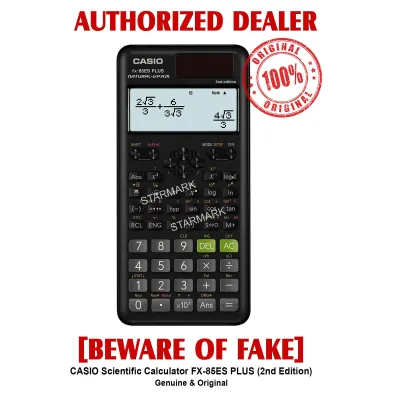
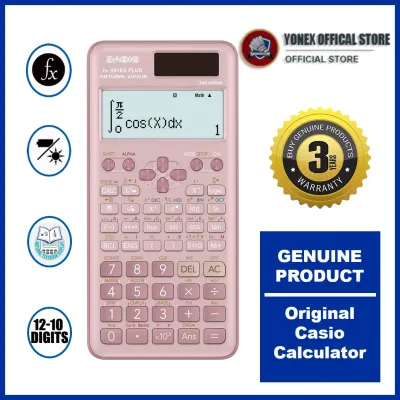

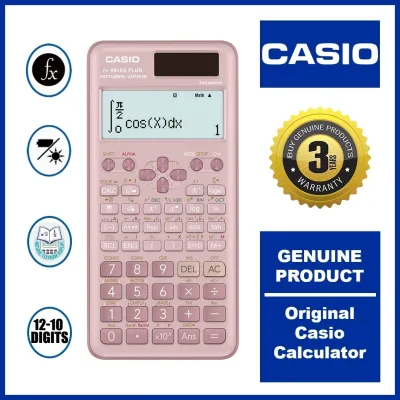
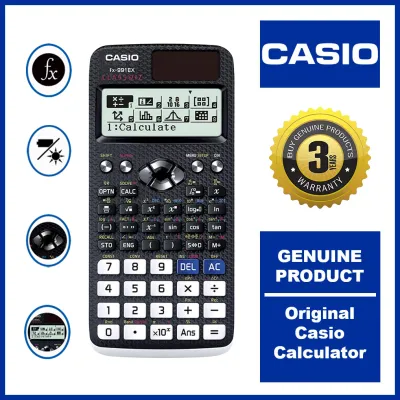
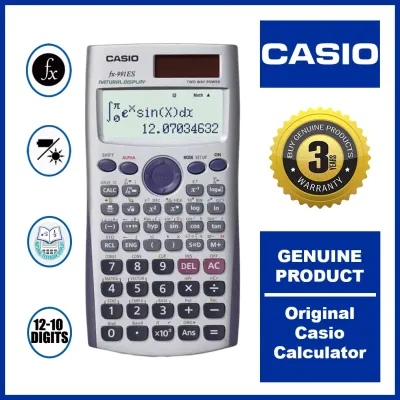
Prices are valid at publication and may change. Please refer to the product page for the latest price.
Before discarding the packaging, cross-reference the exact model number, barcode, and listed specifications on the box with the details printed on the back of the calculator. Any discrepancy in the model suffix or the barcode layout suggests that a generic counterfeit device has been placed inside a replicated box. Ensure that the listed battery type and power specifications on the box match the physical battery compartment of the device.
Evaluating Physical Build and Print Quality
A genuine scientific calculator is built to withstand daily use in warm, humid environments without warping or losing its structural integrity. Inspect the plastic casing closely for smooth, tightly sealed seams and uniform gaps around the edges. Counterfeit units frequently exhibit rough plastic edges, uneven gaps where the front and back shells meet, or a cheap, glossy discoloration that feels brittle to the touch.

The keycaps on an original device are engineered for precise alignment and consistent spacing. Each key should have crisp, centered printing that does not scratch off easily under fingernail pressure or heavy daily typing. When pressed, genuine keys offer a distinct, springy tactile feedback, whereas fake keys often feel mushy, stick when pressed at an angle, or sit unevenly in their sockets.
Turn the calculator over to examine the back panel. Genuine models feature deeply and cleanly engraved text, including the brand name, model number, and manufacturing origin. Counterfeiters often use shallow laser etching or simple printed ink that rubs off quickly, and they may use mismatched screw types instead of the uniform, high-quality screws found on authentic units. Additionally, check the rubber feet on the base; genuine calculators have securely glued, slip-resistant rubber pads, while fakes often use cheap plastic bumps or poorly aligned foam pads that slide easily on school desks.
Testing the Display, Keys, and Internal Functions
The display and internal processing capabilities of a scientific calculator are difficult for counterfeiters to replicate accurately. Turn on the device and observe the LCD screen from various viewing angles. A genuine screen displays dark, sharp characters with uniform contrast, while a counterfeit screen often shows ghosting, uneven contrast, or dead pixels when viewed from the side.
You can verify the internal software by performing standard mathematical operations or running the built-in diagnostic test. Many genuine models allow you to enter a diagnostic mode by holding down specific key combinations, such as pressing the Shift, 7, and On keys simultaneously. Consult the official user manual for your specific model to find the correct diagnostic sequence, which tests the LCD segments, keypad matrix, and internal ROM.
For models equipped with dual power sources, testing the solar panel is a highly reliable verification step. Cover the solar panel completely with a thick piece of paper or your hand while using the calculator under normal indoor lighting. If the screen contrast immediately dims significantly or the device shuts down completely, it likely lacks a functioning solar cell and relies solely on a cheap internal battery. Authentic dual-power models transition seamlessly between solar and battery power without any interruption to your calculations.
Utilizing Official Verification and Authentication Tools
Modern scientific calculators often incorporate advanced security features directly on the packaging or the device itself. Look for official holographic stickers or tamper-evident security labels on the box. Genuine holograms shift colors and reveal hidden patterns or brand logos when tilted under a light source, whereas fake stickers are usually flat, non-reflective, or poorly printed.
Many newer models feature a dynamic QR code function that can be generated directly on the calculator’s screen. By pressing the appropriate key sequence, such as the QR code generation key on the keypad, you can display a code to scan with your smartphone. This code should direct you to an official verification website that confirms the authenticity of your specific serial number and displays a matching digital certificate.
If your model does not support QR code generation, or if the online verification results are inconclusive, do not hesitate to contact official customer support. You can bring the device to an authorized service center to have a technician verify the internal components and serial number registry. Keeping your purchase receipt is essential for this process, as it helps trace the supply chain of the suspected counterfeit unit.
Selecting Reliable Purchasing Channels
The most effective way to avoid counterfeit scientific calculators is to purchase them from reputable sources. Prioritize authorized dealers, official brand stores, and established physical stationery retailers located in major shopping malls. These businesses source their inventory directly from official distributors, ensuring that your purchase is genuine and covered by a valid manufacturer warranty.
When shopping on online marketplaces or e-commerce platforms, exercise extreme caution with third-party sellers. Be highly skeptical of listings offering prices significantly lower than the standard market rate in ₱, as exceptionally cheap calculators are almost always counterfeit. Look for verified store badges or official mall designations on the platform to ensure you are buying from an authorized seller.
Before finalizing an online purchase, thoroughly review the seller’s profile, customer feedback, and return policies. Look for detailed reviews with actual photos of the received product, paying close attention to any complaints regarding key quality or packaging discrepancies. Ensure the seller offers a clear return policy so you can return the device if it fails your initial authenticity checks.
Frequently Asked Questions (FAQ)
Can I rely solely on a low price to identify a fake Casio calculator?
While an unusually low price in ₱ is a strong indicator of a counterfeit product, you cannot rely on price alone. Some counterfeiters price their fake calculators close to the standard retail rate of genuine models to deceive buyers into thinking they are purchasing an original item. Therefore, you must always perform physical, functional, and digital verification checks regardless of how much you paid for the device.
What steps should I take if I suspect my calculator is counterfeit?
If you suspect your scientific calculator is counterfeit, stop using it immediately to avoid calculation errors during your studies or exams. Gather your proof of purchase, the original packaging, and take clear photos of the physical discrepancies you identified. Contact the seller immediately to request a full refund, and report the fraudulent listing to the e-commerce platform to protect other consumers from purchasing fake supplies.

Community discussion
Share your experience or ask a question. Comments are reviewed before publication.