
Finding the right modeling clay for your child involves more than just picking bright colors. With countless options filling store shelves and online marketplaces, ensuring that a clay dough set is genuinely non-toxic requires a systematic approach. Children naturally explore through touch and occasional taste. Because modeling materials come into direct, prolonged contact with young skin, parents must look beyond generic marketing claims. Verifying safety involves decoding international certification symbols, analyzing material compositions, performing simple sensory checks, and understanding how environmental factors affect product stability.
Decoding Safety Labels and Certifications on Packaging
When evaluating a clay dough set, the packaging is your first line of defense. Reliable manufacturers subject their products to rigorous laboratory testing to comply with international toy safety standards. The most common certification to look for is the ASTM D-4236 designation. This standard, established by the American Society for Testing and Materials, indicates that a toxicologist has evaluated the product’s formulation and determined that it does not pose a chronic health hazard. Another critical mark is the EN 71 certification, which is the European standard for toy safety. Specifically, EN 71-3 regulates the migration of certain chemical elements, ensuring that heavy metals like lead, barium, and cadmium do not leach into a child’s system during play.
In addition to these chemical standards, look for the CE (Conformité Européenne) mark or local regulatory approval seals. However, be aware that some low-cost, unbranded sets sold on online marketplaces may feature counterfeit safety symbols. To verify authenticity, check if the packaging lists the manufacturer’s registered name, physical address, and contact information. A complete lack of importer details or customer service contacts is a major red flag.
Products mentioned in this guide
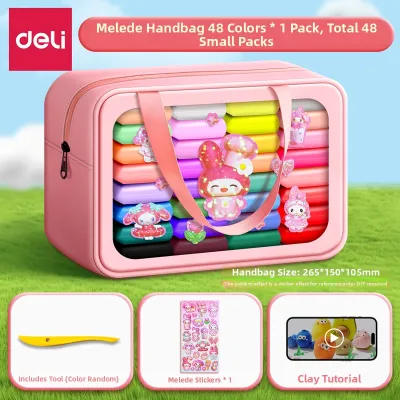
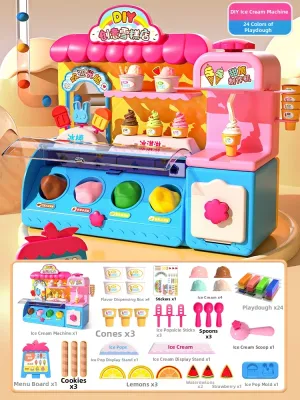
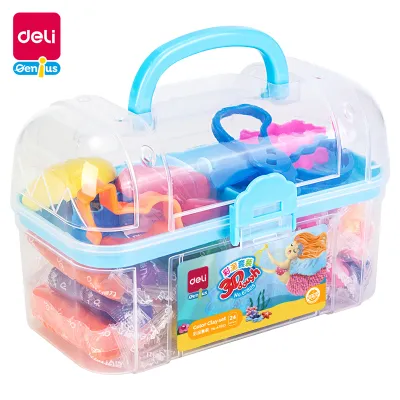
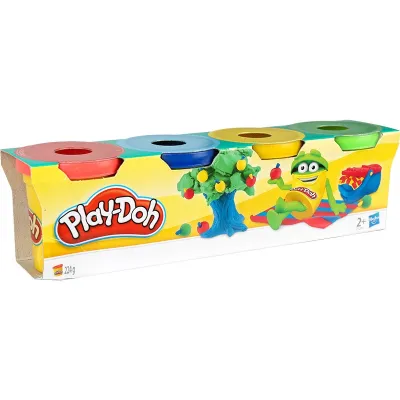
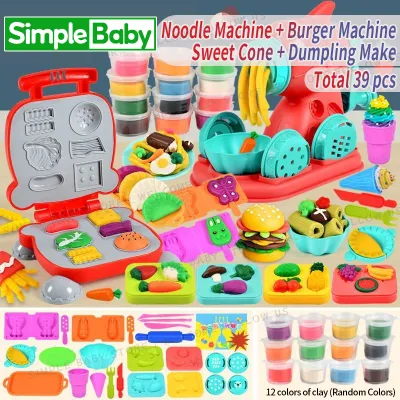
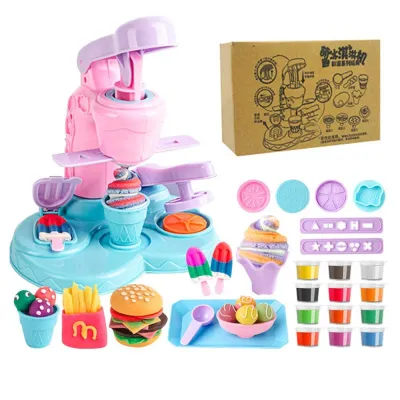
Prices are valid at publication and may change. Please refer to the product page for the latest price.
Age grading labels are equally vital but serve a dual purpose. A label stating “Not suitable for children under 36 months” or featuring a “0-3” warning icon often points to physical choking hazards rather than chemical toxicity. Younger children are prone to putting small pieces of clay in their mouths, which can block airways. Always cross-reference the age warning with the non-toxic certification to ensure the product is safe both chemically and physically for your child’s developmental stage.
Checking Ingredients and Material Composition
Understanding what goes into modeling clay helps you manage chemical exposure and potential allergic reactions. Commercial modeling materials generally fall into three categories: water-based doughs, oil-based clays, and synthetic polymer clays. Water-based doughs are typically made from flour, water, salt, and binders. These are highly popular for toddlers because they are soft and easy to manipulate, but they frequently contain wheat gluten. If your child has celiac disease or a severe wheat allergy, you must search for explicitly labeled gluten-free alternatives, as accidental ingestion or skin contact can trigger adverse reactions.

Oil-based clays, often referred to as plastilina, use wax and mineral oils to prevent the material from drying out. While these are excellent for older children working on detailed sculptures, they can sometimes contain petroleum-derived ingredients. Ensure the packaging specifies that the oils used are USP-grade (United States Pharmacopeia) or food-grade, which guarantees a higher level of purity. Synthetic polymer clays, which require baking to harden, are generally not recommended for very young children. They often contain plasticizers to keep them pliable, and while modern formulations must be phthalate-free to receive non-toxic certification, they still require adult supervision and a dedicated baking oven to prevent the release of irritating fumes.
Always scan the ingredient list for preservatives and colorants. Safe clay sets use organic pigments or food-grade dyes. Avoid products that list vague ingredients like “chemical binders” or “industrial colorants” without further clarification. If a manufacturer refuses to disclose basic material groups or allergen warnings, it is best to choose a different brand that prioritizes transparency.
Physical and Sensory Checks Before and After Purchase
Even if a product features correct labeling, performing a few hands-on checks once you open the package provides an extra layer of security. Start with a simple smell test. High-quality, non-toxic clay dough should have a mild, neutral, or slightly sweet scent, often resembling vanilla or bakery ingredients. If you open a container and are met with a sharp, pungent, or chemical odor resembling gasoline, paint thinner, or strong industrial solvents, do not let your child play with it. These fumes indicate the presence of volatile organic compounds that can cause headaches, dizziness, or respiratory irritation, especially in enclosed play areas.
Next, conduct a quick skin sensitivity check. Before allowing your child to engage in an extended play session, apply a small piece of the clay to their inner forearm for a few minutes. Monitor the area for any signs of redness, itching, swelling, or hives. This step is particularly important in warm, tropical climates where sweat and open pores can make a child’s skin more sensitive to artificial dyes or preservatives.
Finally, observe the physical behavior of the clay during use. Safe modeling dough should leave minimal residue on hands and play surfaces. If the clay leaves a heavy, greasy film that is difficult to wash off with standard soap and water, or if the bright dyes stain your child’s hands permanently after a few minutes of handling, the product likely contains low-grade industrial colorants or poor-quality oils. High-quality non-toxic sets are formulated to wash away easily from skin and washable fabrics.
Safe Usage Boundaries and When to Discard the Clay
Even the safest, most certified non-toxic clay requires proper handling to remain hygienic and hazard-free. Establish clear play boundaries, starting with active adult supervision. Ensure children wash their hands thoroughly both before and after playing with clay. This prevents dirt, food crumbs, and bacteria from transferring into the dough, while also ensuring no clay residue is carried to the mouth or eyes afterward. Set up a clean, dedicated play surface, such as a silicone mat or a plastic tray, to keep the clay isolated from household dust, pet hair, and floor contaminants.
In humid tropical environments, water-based doughs are highly susceptible to spoilage. Because these products contain organic materials like flour and water, they can easily become breeding grounds for mold, yeast, and bacteria. Inspect the clay regularly before play. If you notice black, green, or white fuzzy spots, a slimy texture, or a sour, fermented odor, discard the entire batch immediately. Playing with moldy clay can trigger allergic reactions, skin infections, or respiratory issues.
To maximize the lifespan of your clay and prevent premature spoilage, implement a strict storage routine. Always pack the clay back into its original airtight containers or high-quality resealable plastic bags immediately after play. Squeeze out excess air before sealing. Store the containers in a cool, dry cupboard away from direct sunlight. Exposure to heat can cause oil-based clays to melt and separate, while water-based doughs will dry out, crack, and lose their pliability.
Frequently Asked Questions (FAQ)
Is homemade playdough safer than commercial clay sets?
Homemade playdough offers complete control over ingredients, allowing parents to use kitchen staples like flour, salt, water, cream of tartar, and food coloring. This eliminates any worry about industrial chemicals or synthetic dyes. However, homemade dough lacks the standardized, food-grade preservatives found in commercial sets. Consequently, homemade versions spoil and develop mold much faster, especially in warm, humid climates. While DIY dough is an excellent, low-cost option, it must be inspected closely before every use and discarded at the first sign of drying, crystallization, or sour odor.
What immediate steps should I take if my child ingests modeling clay?
If your child swallows a small amount of certified non-toxic modeling clay, remain calm. Most certified doughs are designed to pass through the digestive system without causing harm. Gently wipe any remaining clay from your child’s mouth and offer them a few sips of water to help clear their throat. Do not attempt to induce vomiting. Monitor your child for the next few hours. If they exhibit symptoms such as persistent coughing, difficulty breathing, vomiting, or abdominal pain, or if they have ingested a large quantity of clay or an uncertified product with unknown ingredients, seek professional medical assistance or contact a local poison control center immediately.

Community discussion
Share your experience or ask a question. Comments are reviewed before publication.