
Finding a safe clay set for kids requires looking past bright packaging and bold “non-toxic” claims. While modeling clay is a staple of childhood creativity, not all products on the market are subject to the same rigorous safety standards. To ensure a clay set is truly safe for your child, you must learn to decode certification symbols, evaluate the base materials, inspect physical accessories for hazards, and recognize common marketing red flags. Taking these steps protects your child from chemical exposure and physical hazards while ensuring a fun, worry-free creative experience.
Decoding Safety Certifications and "Non-Toxic" Labels
When browsing the shelves of a stationery store or scrolling through online marketplaces, the words “non-toxic” appear on almost every colorful box of modeling clay. However, this phrase is often used as a generic marketing term rather than a verified safety guarantee. To truly understand if a clay set is safe, you must look for standardized safety certifications that require independent laboratory testing. These certifications prove that the manufacturer has submitted their products to rigorous chemical analysis to ensure they do not contain harmful levels of toxic substances.
The most widely recognized standard for art materials is ASTM D-4236, a designation from the American Society for Testing and Materials. When you see “Conforms to ASTM D-4236” on a package, it means a licensed toxicologist has evaluated the product’s formulation for chronic health hazards. For toys and materials sold internationally, look for the European standard EN71, specifically EN71-3, which restricts the migration of certain heavy metals like lead, cadmium, and barium. In the local market, reputable products often carry compliance marks indicating they meet national quality and safety regulations.
Products mentioned in this guide
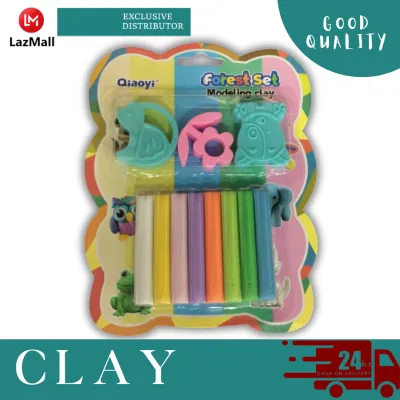
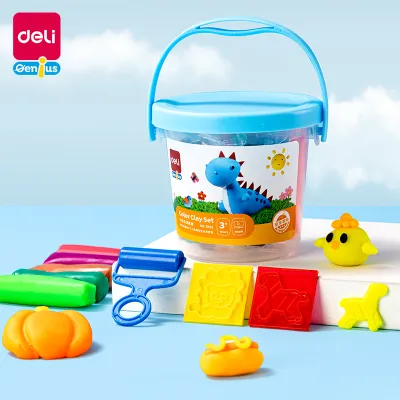
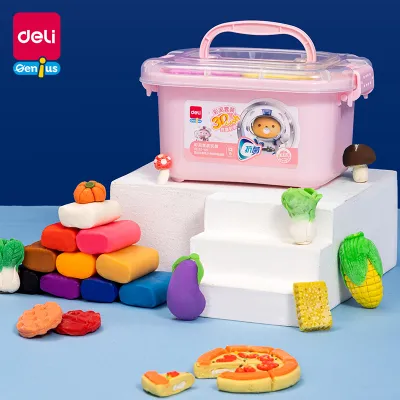
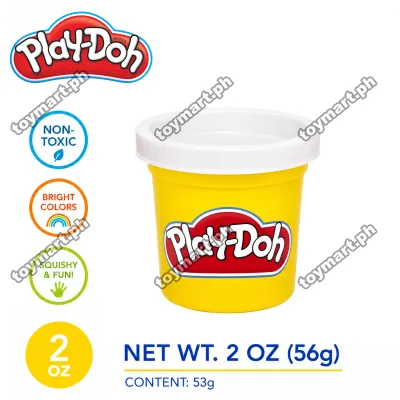
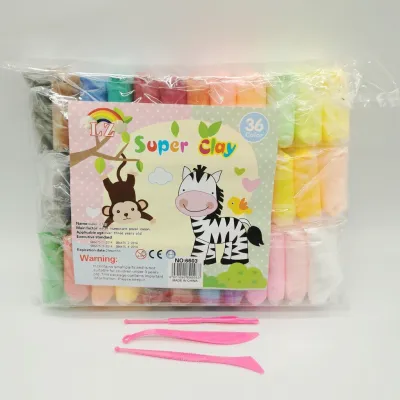
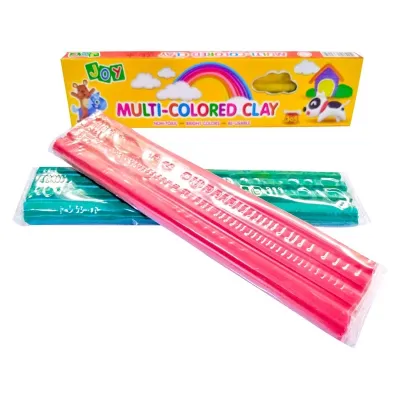
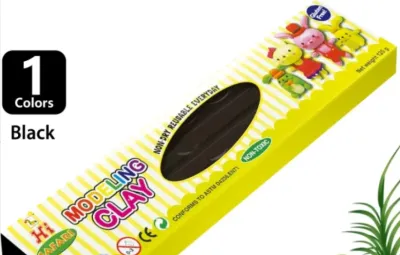
Prices are valid at publication and may change. Please refer to the product page for the latest price.
These certification logos are typically located on the back or bottom of the physical packaging, often near the manufacturer’s address and barcode. When shopping online, reputable sellers will include clear, high-resolution photos of these safety seals in their product image galleries. If a listing only uses text claims without showing the physical certification marks on the packaging, treat the product with caution.
It is also crucial to understand the limitations of a “non-toxic” label. A certified non-toxic label generally means the material is not acutely poisonous if a child accidentally ingests a tiny amount during play. It does not mean the clay is edible, food-grade, or safe for consumption. Furthermore, “non-toxic” does not guarantee that the clay is hypoallergenic or safe for prolonged skin contact without proper hygiene, as some children may still experience mild skin irritation or localized allergic reactions to specific colorants or preservatives.
Checking Ingredient Disclosures and Material Types
Evaluating the base materials of a clay set is essential for matching the product to your child’s age, developmental stage, and specific sensitivities. Modeling materials generally fall into a few distinct categories, each with its own safety profile and physical characteristics. Understanding these differences allows you to make an informed choice before bringing a new set into your home.

Flour-based doughs, often referred to as play doughs, are typically made from water, salt, and wheat flour. These have an excellent safety profile for younger children because the ingredients are food-based, though they are still not meant to be eaten. The primary drawback is their high allergy risk for children with gluten sensitivities. Additionally, because they are organic, flour-based doughs are highly susceptible to mold and bacterial growth, especially in warm, humid tropical climates.
Oil-based modeling clays, often called plastilina, contain wax, clay minerals, and oils. They never dry out, making them highly reusable, but they can leave a greasy residue on hands and play surfaces. While generally low in toxicity, some cheaper varieties may use low-grade mineral oils or synthetic dyes that can cause mild skin irritation. Polymer clays, on the other hand, are PVC-based materials that require baking to harden. They often contain plasticizers to make them pliable, and while modern certified polymer clays are formulated to be safe, they are not suitable for young children due to the chemical fumes released if they are accidentally overheated or burned during the baking process.
Air-dry clays are lightweight, water-based materials that dry to a hard finish without baking. They often contain paper pulp, resin, or nylon fibers. While convenient, some air-dry formulations contain strong preservatives to prevent mold growth while sealed in the package. To verify what goes into these products, look for clear ingredient disclosures on the packaging. Reliable manufacturers will provide transparent ingredient policies and make their Safety Data Sheets (SDS) easily accessible online, allowing you to check for specific chemical additives or potential allergens before purchasing.
Assessing Physical Safety and Age Warnings
Chemical safety is only one part of the equation; physical hazards must also be carefully evaluated. Every reputable clay set carries an age recommendation, such as “3+” or “Not suitable for children under 36 months.” These warnings are not arbitrary suggestions based on skill level; they are legally required indicators of physical safety hazards, most notably choking risks.
Younger children, particularly toddlers, naturally explore their environment by putting objects in their mouths. Modeling clay itself can pose a choking hazard if a child molds it into small, firm balls and attempts to swallow them. Furthermore, many clay sets come packaged with plastic accessories, such as extruders, rollers, molds, and cutting tools. These small parts can easily lodge in a child’s airway if swallowed. For children under the age of three, active adult supervision is absolutely necessary during any sensory play involving modeling materials, regardless of what the safety label claims.
When evaluating a clay set, inspect the physical quality of the included accessories. Cheaply manufactured plastic tools often have sharp, unfinished edges or thin, brittle components that can easily snap under pressure, creating sharp shards or small choking hazards. Run your fingers along the edges of the plastic molds and cutters to check for rough spots or sharp burrs. Choose sets with sturdy, thick plastic tools that feature rounded edges and robust construction to ensure they can withstand enthusiastic play without breaking.
Red Flags and Misleading Marketing Claims
As online marketplaces grow, parents are faced with an overwhelming number of unbranded, ultra-cheap toy options. While saving money is appealing, spending ₱300 on a certified set is far safer than buying an unbranded alternative that may bypass standard regulatory channels, presenting significant safety risks. Recognizing common red flags can help you spot deceptive packaging and avoid potentially hazardous products.
One of the most immediate red flags is a complete lack of manufacturer contact information. If a box of clay does not list a physical address, customer service website, or importer details, there is no accountability if the product causes an adverse reaction. Similarly, packaging that features poor translation, blurry printing, or missing age recommendations should be avoided. Upon opening a new clay set, trust your senses: a strong, pungent chemical odor, a gasoline-like smell, or an excessively sticky residue that is difficult to wash off are clear indicators of low-quality chemical formulations.
Be skeptical of misleading marketing buzzwords like “100% natural,” “organic,” or “edible.” These terms are frequently used to bypass formal safety testing and appeal to eco-conscious buyers. A product labeled “100% natural” can still contain natural allergens, irritating plant extracts, or organic matter that quickly spoils and breeds harmful bacteria. Furthermore, labeling any modeling material as “edible” is highly problematic, as it encourages young children to ingest non-food items, increasing the risk of choking or intestinal blockages. True safety is proven through standardized laboratory testing, not clever copywriting.
Safe Usage and Storage Guidelines for Parents
Once you have verified and purchased a safe clay set, establishing proper usage and storage habits is the final step in maintaining a secure play environment. Teaching your children basic hygiene practices before they begin playing will prevent accidental ingestion of clay particles and minimize the spread of germs.
Make handwashing a mandatory rule both before and after every clay session. Washing hands beforehand prevents dirt, food crumbs, and oils from contaminating the clay, while washing afterward removes any chemical residues, colorants, or sticky binders from your child’s skin. Establish a strict “no face touching” rule during play to prevent children from rubbing clay into their eyes or putting clay-covered fingers near their mouths. If your child has sensitive skin, you can perform a quick trial by having them handle a small piece of clay for a few minutes, then checking their hands for any immediate redness or itching before letting them engage in extended play.
Proper storage is particularly critical in tropical climates like the Philippines, where high humidity and warm temperatures create the perfect breeding ground for mold and bacteria. Flour-based doughs and water-based air-dry clays should always be stored in airtight containers immediately after use. To prevent mold growth, store the containers in a cool, dry place away from direct sunlight. If you notice a sour smell, visible black or white spots, or an unusually slimy texture on the clay, discard it immediately, as these are clear signs of microbial contamination.
In the event of accidental ingestion, do not panic. If your child swallows a small, pea-sized amount of certified non-toxic clay, rinse their mouth with clean water and offer them a few sips of water to drink. Do not attempt to induce vomiting. Monitor them for any unusual symptoms, such as stomach discomfort or coughing. If a larger amount is ingested, or if clay gets lodged in their eyes and causes persistent irritation, flush the area gently with lukewarm water and contact your pediatrician or a local poison control center for professional guidance, keeping the product packaging nearby so you can read the ingredients to the medical professional.
Frequently Asked Questions (FAQ)
Is air-dry clay safe for young children?
Many air-dry clays are formulated to be non-toxic and are safe for older children, but they are generally not recommended for toddlers. Because air-dry clay dries to a hard, durable finish, it often contains synthetic binders, microfibers, or preservatives to prevent spoilage while wet. These ingredients are safe for intact skin but can cause mild dryness or irritation, making thorough handwashing essential after play. Additionally, because air-dry clay does not dissolve easily in water once it begins to dry, it poses a significant choking hazard if swallowed, meaning younger children require close supervision.
Can I bake polymer clay in the same oven used for food?
It is highly recommended to avoid baking polymer clay in the same oven you use for preparing daily meals. When polymer clay is heated, it releases mild plasticizer fumes that can leave a thin, chemical residue on the interior walls of your oven, which can later contaminate food. If you must use your household oven, bake the clay inside a sealed commercial baking bag to trap the fumes, or thoroughly clean the oven interior afterward. For regular crafting, using a dedicated toaster oven in a well-ventilated area, such as a balcony or near an open window, is a much safer alternative.

Community discussion
Share your experience or ask a question. Comments are reviewed before publication.