
To verify if a fountain pen is original, you must perform a systematic inspection of its physical construction, packaging, and documentation, while purchasing only through authorized channels. Counterfeiters often replicate the external look of popular writing instruments, but they struggle to match the precise engineering of a genuine nib, the exact weight distribution of high-quality materials, and the security features of official packaging. By examining the fine details of the engraving, testing the ink flow, and cross-referencing serial numbers, you can confidently distinguish an authentic pen from a cheap imitation.
In tropical climates like the Philippines, where high humidity can affect ink behavior and material stability, choosing a genuine, well-engineered fountain pen is especially important. Authentic pens are designed to withstand environmental changes without leaking or corroding, whereas counterfeit models often fail under daily use. Taking the time to authenticate your purchase protects your investment and ensures a reliable, smooth writing experience.
Understanding the Risks of Counterfeit Fountain Pens
The market for specialty writing instruments has seen a rise in counterfeit products, targeting both entry-level everyday carries and high-end collector pieces. Because fountain pens have transitioned from basic utility tools to status symbols and hobbyist collectibles, counterfeiters find great incentive in replicating popular designs. These imitations are often sold online under the guise of authorized overstock or flash sales, tricking unsuspecting buyers who are looking for a good deal.
Products mentioned in this guide
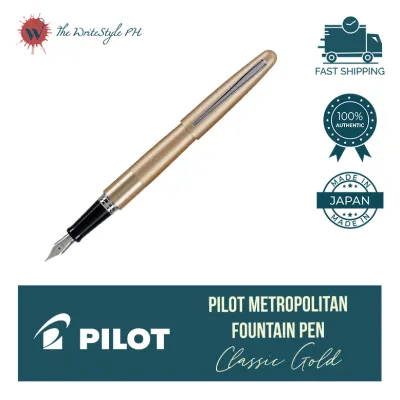
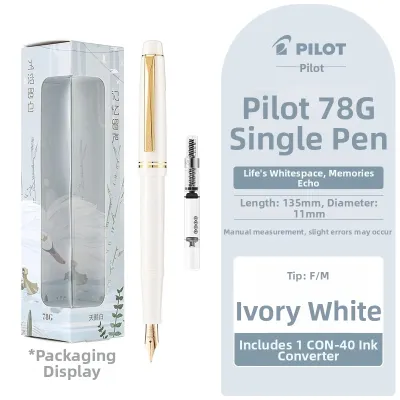
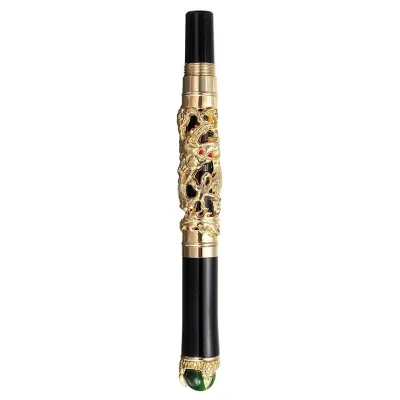
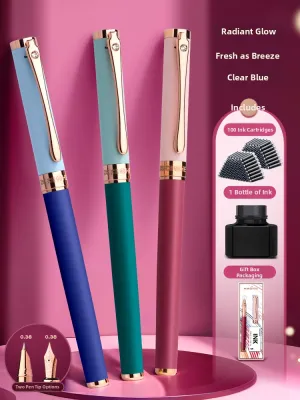
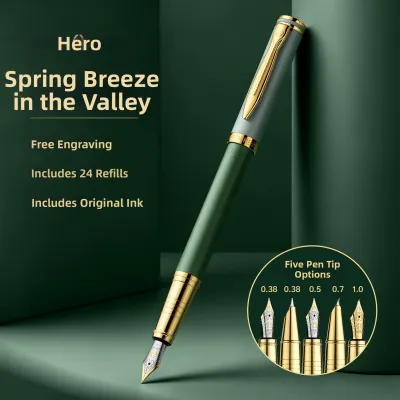
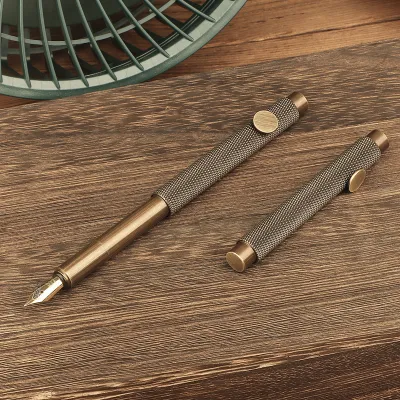
Prices are valid at publication and may change. Please refer to the product page for the latest price.
Purchasing a counterfeit pen carries several practical risks that go beyond aesthetics. A fake pen typically suffers from poor nib alignment, leading to scratchy writing, skipping, and inconsistent ink flow that can ruin your paper. The materials used in counterfeits are often cheap plastics or low-grade metals that degrade quickly, especially when exposed to humid air or acidic inks. Furthermore, counterfeit products carry no manufacturer warranty, leaving you with no recourse or access to official replacement parts when the pen inevitably fails.
Key Physical Features to Inspect for Authenticity
The nib is the heart of any fountain pen and the hardest part for counterfeiters to replicate accurately. On an original pen, the nib engravings—such as the brand logo, nib size, and gold purity markings—are crisp, deep, and perfectly centered. Counterfeit nibs often feature shallow, blurry, or misaligned laser etching instead of clean stamping. Additionally, inspect the tipping material at the very point of the nib; genuine pens have a perfectly smooth, symmetrical dollop of hard metal alloy, whereas fakes often have uneven tipping that causes scratchy writing.

The feed beneath the nib is another critical component to examine. Genuine feeds are designed with precise fins to regulate ink flow and prevent leaking, often made of high-quality molded plastic or ebonite. Counterfeit feeds often have rough edges, flashing from cheap molds, or misaligned ink channels that cause the pen to dry out or leak. The alignment between the nib and the feed should be perfectly centered; any noticeable twist or gap is a strong indicator of poor quality control common in fakes.
The barrel and cap construction provides immediate tactile clues about a pen’s authenticity. Genuine manufacturers use high-quality materials like precious resin, celluloid, or lacquered brass, which give the pen a balanced, substantial weight in the hand. Counterfeits often feel unusually light, plasticky, or poorly balanced because they use cheap injection-molded plastics or thin aluminum. Pay close attention to the seams, threads, and metal trim; original pens feature seamless joints, smooth threads that screw together effortlessly, and tightly fitted clips that do not wiggle.
Logos, branding, and serial numbers require close examination under a magnifying glass or loupe if possible. Authentic brands maintain strict quality control, ensuring that fonts are perfectly spaced, spelled correctly, and aligned with the pen’s axis. Many premium pens feature a unique serial number engraved on the clip ring or cap band. On a genuine pen, this engraving is sharp, uniform in depth, and perfectly legible, whereas counterfeit serial numbers are often crudely etched, crooked, or use a font that differs from the manufacturer’s official typeface.
Evaluating Packaging and Documentation
The unboxing experience is often the first line of defense against counterfeit goods. Authentic fountain pens, especially luxury or specialty models, arrive in high-quality presentation boxes made of sturdy, premium materials with precise stitching or seamless alignment. Counterfeit packaging often feels flimsy, uses cheap cardboard, and exhibits poor print quality, such as blurry logos, faded colors, or spelling mistakes on the outer sleeve. If the box looks cheap or smells strongly of industrial adhesive, the pen inside deserves extra scrutiny.
Documentation included with the pen should be thorough and professionally printed. Genuine pens come with high-quality user manuals, warranty booklets, and sometimes a dedicated certificate of authenticity. Check the paper quality of these booklets; authentic documentation uses thick, matte, or textured paper with crisp, high-resolution printing. Counterfeit documentation often uses thin, glossy paper with low-resolution images, misaligned text, or grammatical errors that would never pass an official quality control check.
Cross-referencing the serial numbers is a critical step in the authentication process. The unique serial number engraved on the pen must match the serial number printed on the warranty card or outer box label exactly. If the numbers do not match, or if the warranty card is left completely blank without a dealer stamp or purchase date on a supposedly new pen, it is highly likely that the item is not authentic. Keep in mind that some entry-level pens do not have serial numbers, so research your specific model’s standard packaging beforehand.
Additionally, inspect any included accessories such as ink converters or cartridges. Genuine converters often feature branded engravings, metal reinforcement rings, and a smooth piston action. Counterfeit converters are typically made of thin, flexible plastic that cracks easily, lacks any brand markings, and may not fit securely into the pen’s section, leading to internal ink leaks.
Official Verification Methods and Tools
Many modern pen manufacturers offer digital verification systems to help buyers confirm authenticity. If your pen features a unique serial number, you can often check it directly on the manufacturer’s official website or by contacting their customer service department. While this does not guarantee authenticity on its own—as counterfeiters can copy real serial numbers—it is an excellent way to flag invalid numbers that do not exist in the manufacturer’s database.
Some brands have introduced official mobile applications or secure QR codes on their packaging to streamline the verification process. When scanning these codes, always look closely at the URL of the landing page to ensure it directs you to the official, secure domain of the brand. Counterfeiters sometimes print fake QR codes that lead to sophisticated, lookalike websites designed to display a false “verified” message. Always navigate to the brand’s official website manually rather than relying solely on a scanned link.
For high-value, vintage, or limited-edition fountain pens, consulting an authorized dealer or a professional appraiser is the safest route. Authorized retailers have direct experience handling genuine stock and can quickly spot subtle discrepancies in weight, material, and writing performance. If you are purchasing a pre-owned luxury pen, asking the seller to meet you at an authorized boutique for verification, or using a reputable third-party escrow and authentication service, can prevent costly mistakes.
Choosing Safe Purchasing Channels
The most reliable way to ensure you are buying an original fountain pen is to purchase directly from official brand boutiques or authorized physical retailers. These sellers receive their inventory directly from the manufacturer, guaranteeing authenticity and ensuring your purchase is covered by the official global warranty. While you might pay the standard retail price, the peace of mind and customer support are worth the investment, especially for premium writing instruments.
When navigating online marketplaces or e-commerce platforms, extra caution is required to avoid counterfeit listings. Always check the seller’s overall rating, read customer reviews specifically looking for mentions of authenticity, and verify how long the storefront has been active. Legitimate sellers are usually transparent and willing to provide high-resolution photos of the actual pen, including close-ups of the nib and serial number, as well as proof of purchase from an authorized distributor upon request.
Be highly skeptical of listings with prices that seem too good to be true. If a premium fountain pen is listed on an online marketplace at a price significantly below the standard ₱ retail price, it is almost certainly a counterfeit. Genuine luxury pens maintain their value well, and authorized dealers are bound by pricing policies that prevent extreme discounting. A massive discount is a major red flag that should prompt you to walk away from the transaction.
What to Do If You Suspect a Fake
If you have purchased a fountain pen and suspect it is counterfeit, document everything immediately. Before using the pen or filling it with ink, take clear, high-resolution photos and videos of the unboxing process, the packaging, the documentation, and close-ups of the physical discrepancies you noticed. Having clear visual evidence of the differences between your item and a genuine model is crucial for building a strong case for a return.
Contact the seller or the customer support team of the e-commerce platform right away to initiate a return and refund. Most reputable online marketplaces have buyer protection policies that cover counterfeit goods, provided you report the issue within their specified return window. Present your documented evidence clearly and objectively, focusing on the physical differences, incorrect serial numbers, or poor packaging quality to support your claim.
To help protect the wider stationery community, report the suspicious listing and the seller’s storefront to the platform administrators. Counterfeit sellers often operate multiple accounts, and reporting them helps platforms flag and remove fraudulent listings more quickly. Sharing your experience in local fountain pen communities or online forums can also warn other buyers in the Philippines about active counterfeiters and help keep the hobby safe for everyone.
Frequently Asked Questions (FAQ)
Can a fake fountain pen have a real serial number?
Yes, counterfeiters frequently copy valid serial numbers from genuine fountain pens and engrave them onto multiple fake models. This means that a serial number that registers as valid on a manufacturer’s website is not absolute proof of authenticity. You must combine serial number checks with a thorough physical inspection of the pen’s materials, weight, and nib engraving to ensure the pen itself is genuine.
Are vintage fountain pens harder to authenticate than modern ones?
Vintage fountain pens are generally harder to authenticate because they lack modern digital tracking, serial numbers, and standardized packaging. Over decades of use, vintage pens may also have undergone repairs using non-original or aftermarket parts, such as a replaced nib, feed, or cap. Authenticating a vintage pen requires researching historical catalog specifications, understanding the specific filling mechanisms of the era, and often consulting experienced collectors or specialized appraisers.

Community discussion
Share your experience or ask a question. Comments are reviewed before publication.