
Wrapping pulvoron requires a careful balance between protecting the fragile, crumbly milk candy and presenting it beautifully. Because pulvoron is highly sensitive to moisture and physical pressure, using the right plastic wrappers and securing them with ribbons ensures the candy stays intact, fresh, and visually appealing. This guide walks you through the complete process of wrapping individual pieces and adding ribbon accents for a neat, gift-ready finish.
In tropical climates, high humidity can quickly turn a perfectly molded, crumbly milk candy into a soft, sticky mess if it is not sealed properly. Wrapping each piece individually in a high-quality plastic wrapper and accenting it with a neatly tied ribbon not only preserves its delicate texture but also transforms a simple homemade treat into an elegant gift or party favor. Whether you are preparing these treats for a family gathering, a school bazaar, or a festive giveaway, mastering the art of wrapping is just as important as perfecting the recipe itself.
Materials and Tools You Need to Wrap Pulvoron
To achieve a professional and polished look, you must start with the right materials. The primary wrapping material should always be a food-grade plastic wrapper. Cellophane and biaxially-oriented polypropylene (BOPP) are the two most popular choices for wrapping individual candies. True cellophane is highly crinkly and traditional, while polypropylene offers exceptional clarity, stiffness, and superior moisture resistance, making it ideal for protecting milk-based sweets from humid air. Always check the packaging of your wrappers to verify they are certified food-safe for direct contact with food.
Products mentioned in this guide
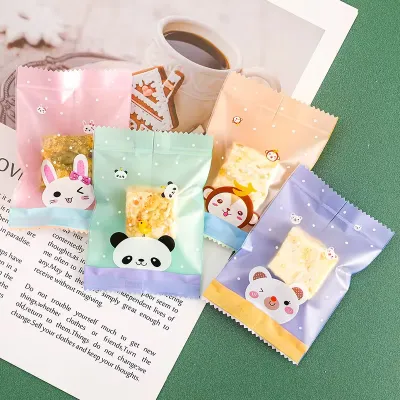
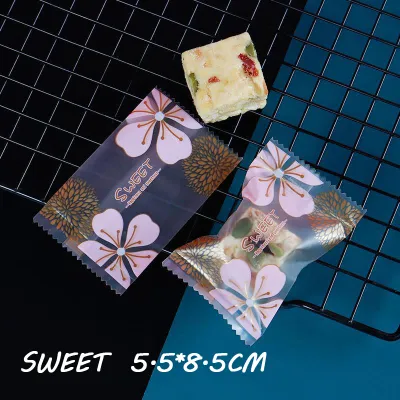
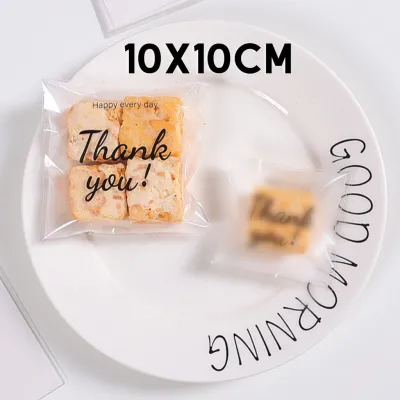
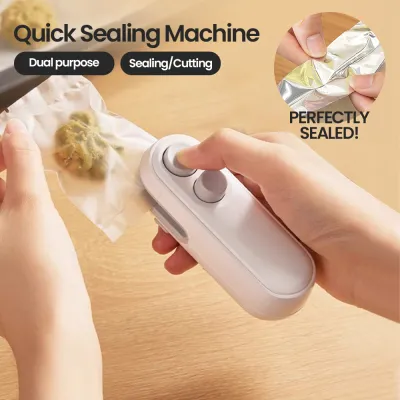
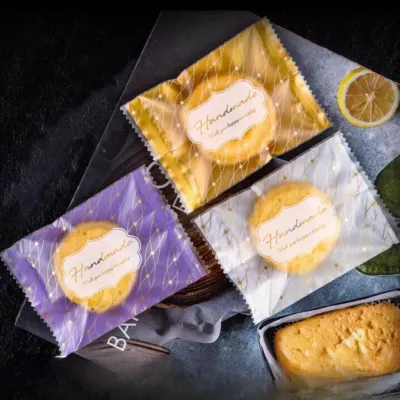
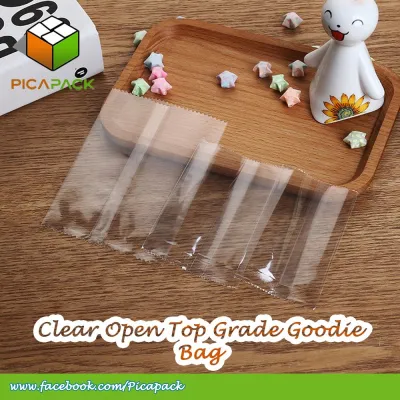
Prices are valid at publication and may change. Please refer to the product page for the latest price.
The choice of ribbon depends on the aesthetic you want to achieve and the scale of your candy. For individual pulvoron pieces, narrow ribbons measuring 1/8 inch to 1/4 inch (3mm to 6mm) in width are highly recommended. Standard satin ribbons provide a smooth, glossy finish that looks classic and elegant, while organza ribbons offer a sheer, lightweight texture that adds a delicate touch. If you are preparing favors for a lively celebration, curling ribbon is an excellent, budget-friendly option starting at just a few ₱ per roll, allowing you to create festive spirals with ease.
Having the correct tools on hand will make the wrapping process much faster and more consistent. You will need a pair of very sharp craft scissors to cut the plastic and ribbons cleanly without leaving frayed edges. A standard ruler is essential for measuring your wrapper squares and ribbon lengths to ensure uniformity across all your pieces. For high-volume wrapping, a self-healing cutting mat and a rotary cutter can save significant time, allowing you to slice through multiple layers of plastic wrapper sheets with perfect precision.
Before you begin cutting, you must verify your wrapper dimensions against the size of your pulvoron mold. Standard pulvoron molds are typically oval or round, measuring about 1.5 to 2 inches (3.8 to 5 cm) in length. To wrap these pieces securely using a classic double-twist candy style, you will need rectangular plastic sheets measuring approximately 3×5 inches (7.5×12.5 cm). If you prefer a flat, envelope-style fold, square wrappers measuring 4×4 inches (10×10 cm) or 5×5 inches (12.5×12.5 cm) will provide adequate overlap without creating excessive, bulky layers that obscure the shape of the candy.
How to Wrap Individual Pulvoron Pieces in Plastic
Executing the wrapping process with care is vital to prevent the fragile milk candy from crumbling before it reaches your recipients. Start by preparing a clean, completely dry workspace. Wash and dry your hands thoroughly, as any residual moisture on your fingers can cause the sugar and milk powder in the pulvoron to dissolve or stick to the wrapper during handling. Lay out your pre-cut plastic wrappers in neat stacks within easy reach of your molded candies.

Gently unmold a piece of pulvoron and place it directly in the center of your plastic wrapper sheet. Because pulvoron is held together primarily by compacted milk powder and melted butter, it has no structural binding agent and can easily fracture under pressure. Avoid pressing down on the top of the candy or squeezing its sides when transferring it to the wrapper. Using a small, flat spatula or a butter knife can help you lift and position the fragile pieces without touching them directly.
To wrap the candy using the classic double-twist method, roll the plastic wrapper tightly around the body of the pulvoron, forming a neat cylinder. Ensure the seam of the plastic is positioned on the flat bottom of the candy so it remains hidden from view. Gently pinch the excess plastic extending past one end of the candy, holding it right at the edge of the pulvoron’s body. Slowly and carefully give the pinched plastic a half-turn twist to close the end, taking care not to twist too tightly, which can tear thin plastic or crush the delicate edge of the candy.
Repeat the pinching and twisting process on the opposite end of the wrapper, twisting in the same direction to maintain a balanced, symmetrical look. If you prefer a flat, envelope-style presentation, fold the long sides of a square wrapper over the top of the pulvoron, overlapping them tightly. Fold the remaining open ends inward toward the bottom of the candy, creating clean, triangular flaps similar to a wrapped gift box. Secure these flaps flat against the bottom of the candy using a tiny piece of clear adhesive tape or a quick, low-heat touch from a hand-held heat sealer.
Throughout the entire wrapping sequence, handle each piece with a light, delicate touch. If you are working in a warm environment, the butter or margarine within the pulvoron can begin to soften rapidly, making the candy even more susceptible to breaking or losing its molded shape. If you notice the candies becoming too soft to handle, place them on a baking sheet lined with parchment paper and chill them in the refrigerator for ten to fifteen minutes to firm them up before continuing to wrap.
Tying Ribbons and Bows for a Polished Finish
Once your pulvoron is securely enclosed in its plastic wrapper, adding ribbon accents elevates the presentation from a simple homemade treat to a polished, gift-ready confection. For the classic double-twist wrapper style, cut two pieces of ribbon, each measuring approximately 5 to 6 inches (12 to 15 cm) in length. Cutting the ribbon ends at a sharp 45-degree angle or in a neat chevron V-shape not only prevents the woven edges from fraying but also adds a professional, tailored look to the finished product.
To attach the ribbon, wrap one piece around the twisted neck of the plastic wrapper, right where the twist meets the body of the candy. Tie a simple, single knot and pull it snug. The key to success is applying tension only to the twisted plastic wrapper, not to the pulvoron itself. Hold the twisted plastic firmly with the thumb and forefinger of one hand while tightening the ribbon knot with your other hand; this ensures a secure closure that blocks out air without putting physical pressure on the fragile candy.
Secure the first knot with a second knot to prevent the ribbon from slipping or unraveling over time. If you are using satin or organza ribbon, you can leave the short tails hanging elegantly, or you can tie a tiny, delicate bow. To tie a neat bow on such a small scale, keep the loops small and proportional to the size of the pulvoron. If the ribbon tails are too long after tying the bow, trim them carefully with your sharp scissors, always maintaining the clean, angled cut.
If you are using curling ribbon, you can create a festive, voluminous look with a simple scissor technique. After tying a secure double knot around the twisted end of the plastic, hold one ribbon tail firmly near the knot. Place the dull, flat edge of your scissor blade against the underside of the ribbon, press your thumb gently against the top of the ribbon, and pull the scissors quickly and smoothly outward along the length of the strand. The friction and tension will cause the ribbon to curl into tight, bouncy spirals that add a playful touch to your packaging.
Coordinating your ribbon colors and textures with the occasion or your overall packaging theme makes a significant visual impact. For traditional celebrations, weddings, or corporate gifts, matching the ribbon color to your brand or event theme creates a cohesive look. You can also mix and match textures, such as pairing a solid satin ribbon with a sheer organza ribbon on a single piece of pulvoron, to create depth and visual interest that delights your recipients.
Tips to Keep Pulvoron Intact and Neatly Presented
When working with thin plastic wrappers, tearing at the twist points is a common frustration. To prevent this, avoid pulling the plastic outward while you twist; instead, focus on gathering the plastic together and twisting it in place. If you find that your wrappers continue to split or tear easily, consider upgrading to a slightly thicker gauge of polypropylene plastic, which offers better tensile strength and can withstand the twisting motion without tearing.
Managing environmental humidity is absolutely critical when wrapping pulvoron, especially in tropical regions. High humidity can cause the sugar in the candy to attract moisture from the air, leading to a sticky surface that adheres to the plastic wrapper and ruins the clean presentation. To combat this, work in a cool, air-conditioned room if possible, or wrap your candies during the cooler, drier hours of the early morning. Keep your molded pulvorons covered in a container until the exact moment you are ready to wrap them to minimize their exposure to open air.
Proper storage after wrapping is essential to maintain the texture, freshness, and appearance of your finished pulvorons. Store the wrapped and tied candies in airtight plastic containers or glass jars with tight-fitting lids. Keep the containers in a cool, dry pantry away from direct sunlight, stoves, or other heat sources that could melt the butter inside the candy. If you must store them in the refrigerator due to extreme summer heat, ensure the container is completely airtight to prevent condensation from forming on the wrappers when you bring them back to room temperature.
Finally, the way you arrange your finished pieces can greatly enhance their visual appeal. When placing the wrapped pulvorons into gift boxes, tins, or baskets, avoid stacking them too high, as the weight of the top layers can crush the delicate candies underneath. Use small paper baking cups or cupcake liners as individual bases for each wrapped piece to keep them from rolling around and colliding during transport. Arranging them in neat, single-layer rows inside a sturdy box lined with greaseproof paper creates a stunning, professional presentation that is sure to impress.
Frequently Asked Questions (FAQ)
How long does wrapped pulvoron last at room temperature?
When wrapped tightly in food-grade plastic wrappers and secured with ribbons, pulvoron can easily last for two to three weeks at room temperature, provided it is stored in a cool, dry place. The plastic wrapper acts as an effective barrier against moisture and air, preventing the toasted flour and milk powder from absorbing ambient humidity and becoming stale or soggy. For the best shelf life, keep the wrapped candies in an airtight container away from direct sunlight and heat sources.
Can I use regular craft plastic instead of food-grade wrappers?
No, you should always use plastic wrappers specifically labeled as food-grade or food-safe for wrapping pulvoron. Regular craft plastics, gift wraps, or industrial shrink wraps may contain chemical additives, plasticizers, or colorants that are not safe for direct contact with food. Since pulvoron has a high fat content from butter or margarine, it can easily absorb chemicals, plastic tastes, or off-odors from non-food-safe materials, which compromises both safety and flavor.

Community discussion
Share your experience or ask a question. Comments are reviewed before publication.