
A 13-layer file organizer is an excellent middle-ground solution for individuals who need to categorize documents systematically without committing to a massive filing cabinet. It is particularly suited for monthly tracking or managing up to a dozen distinct projects. However, whether it is the right fit for your desk depends heavily on your weekly paper volume, the thickness of your documents, and how you handle environmental factors like tropical humidity, which can cause loose papers to sag or warp if left unsupported.
Assess Your Current Paper Flow and Volume
To determine if 13 tiers will serve you well, start by tracking your paper accumulation over a typical week. Count the number of loose utility bills, government forms, receipts, and printed reports that land on your desk. If you find yourself handling fewer than 50 new sheets a week, a 13-layer system offers more than enough room to breathe.
It is also crucial to separate your active, daily-use documents from long-term archives. Active documents—such as ongoing project briefs, invoices awaiting payment, or school worksheets—need quick, visible access. Archival papers like tax records or property deeds are better off in sealed, moisture-resistant storage boxes rather than taking up premium space on a desktop organizer.
Products mentioned in this guide
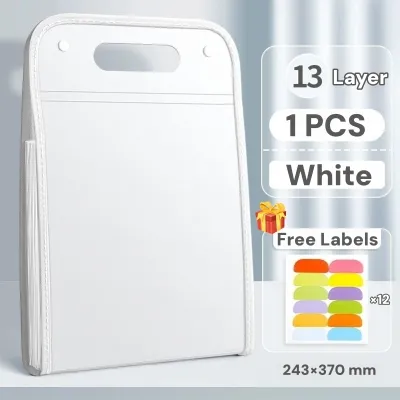
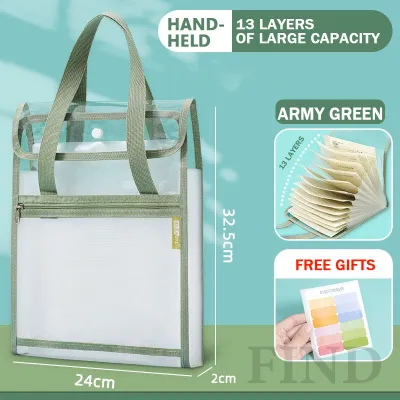
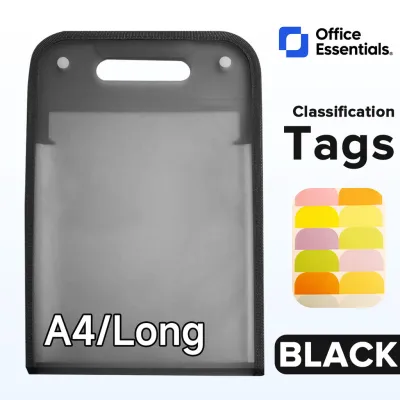
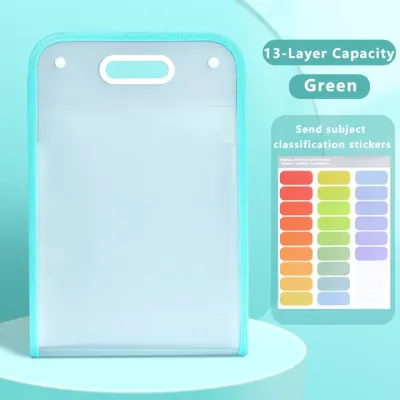
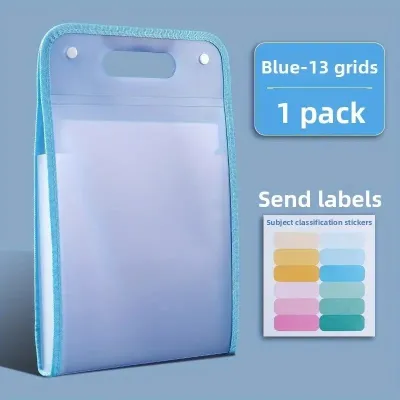
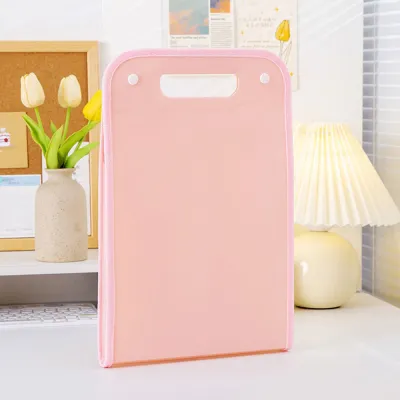
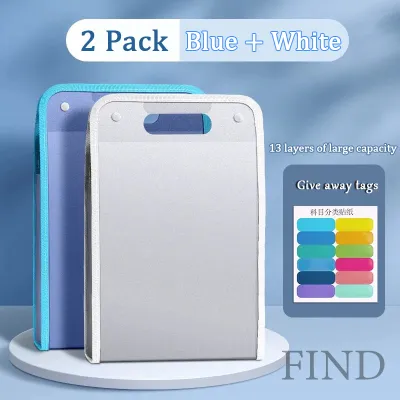
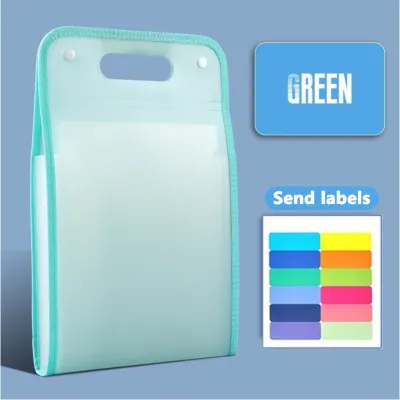
Prices are valid at publication and may change. Please refer to the product page for the latest price.
Consider the physical thickness of your typical paperwork. In humid tropical climates like the Philippines, paper naturally absorbs moisture from the air, making sheets slightly heavier and more prone to curling over time. A stack of 100 damp sheets takes up noticeably more vertical space than a crisp, dry stack. If your daily workflow involves thick, stapled reports or laminated sheets rather than single bond papers, those 13 slots will fill up much faster than you might expect.
When a 13-Layer Capacity Fits Your Workflow
The most common and efficient use of a 13-layer organizer is chronological sorting. By dedicating 12 slots to the months of the year and reserving the final slot for immediate action items or incoming mail, you create a highly intuitive annual filing system. This setup is perfect for tracking monthly utility bills, sales receipts, or monthly progress reports.

For students and educators, a 13-tier system easily accommodates multi-subject organization. You can assign specific slots to different subjects, lecture notes, and administrative forms, leaving extra slots for blank paper and exam reviews. Similarly, freelance professionals managing multiple clients can dedicate one slot per client, keeping active project files separated and visible.
This capacity shines brightest when your documents are relatively uniform in size. Standard letter, A4, or legal-sized bond papers sit neatly within the trays. If your paperwork consists primarily of flat, un-bound sheets, a 13-layer unit keeps everything organized in a compact vertical footprint, preventing the dreaded “desk avalanche.”
Signs You Need a Different Filing System
While a 13-layer organizer is highly versatile, certain signs indicate it might not be the right match for your habits. If you regularly find papers spilling over the edges of the trays or if the slots feel too shallow to hold standard manila folders, your volume has likely outgrown this format. Forcing too many sheets into a single slot makes retrieval difficult and damages the edges of your documents.
Format mismatches are another clear indicator that you need a different system. If your daily work requires quick access to thick ring binders, heavy textbooks, catalog envelopes, or bulky reference manuals, a multi-layer tray system will fail. These items require open shelving, heavy-duty bookends, or deep drawer files rather than thin, horizontal slots.
Conversely, you might find that a 13-layer system over-complicates your life. If you only have three or four main categories of paper to sort—such as “To Read,” “To File,” and “To Trash”—having 13 separate tiers is unnecessary. An excess of empty slots often leads to lazy filing, where random items are tossed into empty trays without a clear system, defeating the purpose of the organizer.
What to Verify Before Buying a 13-Layer Unit
Before finalizing your purchase on any online marketplace, you must verify several physical specifications to ensure the unit fits your workspace. Start by measuring your available desk space. Compare these measurements against the organizer’s footprint and overall height, keeping in mind that a tall unit can block natural light or interfere with low-hanging shelves.
Next, check the manufacturer’s specifications for the exact slot dimensions. Pay close attention to the width and depth of the trays to ensure they can accommodate the specific paper sizes you use, such as standard legal or long bond paper, which is slightly longer than standard A4. Additionally, look for details on the maximum weight capacity per slot to ensure the trays will not sag under heavy paper loads.
Finally, inspect the base design and material construction. Whether you are investing ₱500 or ₱2,000 in a premium organizer, checking the base design is essential. Multi-layer organizers made of thin plastic or lightweight wire mesh can become top-heavy and unstable when fully loaded with paper. Look for units with a wide, reinforced base or those made of sturdier materials like thick acrylic, wood, or heavy-duty steel mesh to prevent the unit from wobbling or tipping over during daily use.
Frequently Asked Questions (FAQ)
Can I use a 13-layer organizer for thick binders and folders?
Standard 13-layer organizers are designed primarily for loose sheets, thin folders, and lightweight documents. The vertical clearance between each slot is typically quite narrow to keep the overall unit compact. Attempting to force thick ring binders or stuffed expanding folders into these slots can damage both the organizer and your documents. Before purchasing, check the exact slot height in the product specifications. If you need to store bulky binders, consider alternative solutions like vertical magazine files, open desktop risers, or deep drawer filing cabinets.
How do I prevent a fully loaded multi-layer organizer from tipping over?
To ensure your multi-layer organizer remains stable, start by checking the empty unit’s base width and overall weight; a heavier, wider base naturally resists tipping. When setting up the unit, place it against a wall, desk partition, or in a corner to provide physical support on at least one side. Most importantly, distribute the weight strategically by placing your heaviest files, thickest cardstocks, or oldest archives in the bottom slots. Keeping the lower slots heavier maintains a low center of gravity, preventing the unit from becoming top-heavy and wobbly.

Community discussion
Share your experience or ask a question. Comments are reviewed before publication.