
Chonggo fabric, characterized by its unique textured, slightly raised weave that resembles a puckered or crepe-like surface, can indeed be used for upholstery projects under the right conditions. However, because the term is often used colloquially in local textile hubs to describe a variety of textured polyester, cotton, or blended weaves, its performance on furniture is not universal. To determine if a specific roll of chonggo fabric will withstand the demands of your sofa, dining chairs, or headboard, you must evaluate its weight, backing, and fiber blend.
Understanding Chonggo Fabric: Texture, Weight, and Composition
When sourcing chonggo fabric for your home, the first step is to look past the visual appeal and examine the manufacturer’s composition label. This label provides critical information regarding the fiber blend and material origins. Most modern chonggo fabrics are woven from synthetic fibers like polyester, or a blend of polyester and cotton. Polyester blends are highly advantageous in tropical climates because they resist moisture absorption, reducing the risk of mold and mildew during the humid rainy season. If a label is missing, ask the supplier for a specification sheet to verify whether the fabric contains natural fibers, which may require different handling and care.
The physical hand feel and drape of the fabric offer immediate clues about its quality and suitability for furniture. To assess this, run your fingers firmly across the surface of a physical sample. Chonggo fabric is celebrated for its dimensional, puckered texture, which adds warmth and character to any room. However, you must observe whether the textured loops are tight and secure or loose and easily displaced. A loose weave is highly susceptible to snagging on clothing fasteners, pet claws, or jewelry. Next, lift a yard of the fabric and let it hang over your arm; upholstery-grade textiles should feel heavy and structured, resisting the fluid, limp drape typical of apparel-grade materials.
Products mentioned in this guide
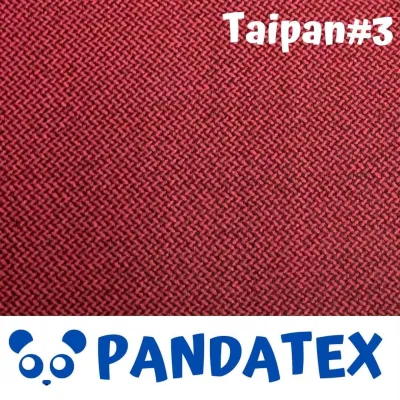
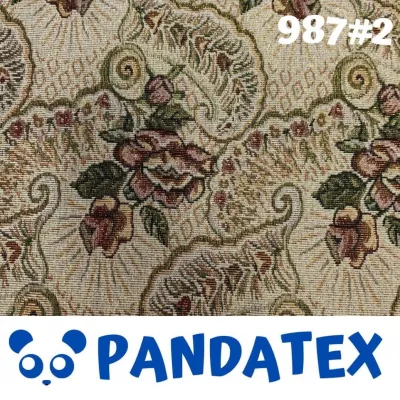
Prices are valid at publication and may change. Please refer to the product page for the latest price.
Verifying the fabric’s weight and standard width is essential to avoid structural failure during the upholstery process. Upholstery fabrics are generally classified by weight, often measured in grams per square meter (GSM). For light-use furniture, a weight of at least 300 GSM is recommended, while heavy-use family seating requires a denser fabric of 400 GSM or higher. Additionally, check the standard roll width, which typically measures 54 inches or 60 inches in local markets. Knowing the exact width allows you to plan your cuts efficiently, ensuring that you have enough continuous fabric to cover large cushions without unsightly seams.
Evaluating Chonggo for Furniture and Upholstery Applications
Before committing to a purchase, you must look for specific upholstery indicators on the fabric’s label or backing. True upholstery-grade chonggo fabric is rarely a single layer of woven thread; it usually features a bonded backing layer, such as a knit scrim or a thin acrylic coating. This backing is crucial because it stabilizes the textured weave, preventing the fabric from stretching out of shape when sat upon. Additionally, inquire about the fabric’s abrasion rating, such as the Martindale or Wyzenbeek rub count. For residential furniture, a rating of 15,000 to 20,000 double rubs is standard, while heavy-duty commercial applications require 30,000 rubs or more.

Understanding where to apply chonggo fabric—and where to avoid it—will save you from premature wear and disappointment. This fabric is exceptionally well-suited for low-traffic decorative pieces. Accent chairs, upholstered headboards, decorative wall panels, and throw pillows benefit from the rich texture of chonggo without undergoing constant friction. Conversely, avoid using standard chonggo fabric on high-use daily seating, such as the main family sofa or dining room chairs. The constant sliding and shifting of weight on these pieces can flatten the puckered texture over time, leading to bald spots and uneven wear.
Structural stability under tension is another critical factor to evaluate before starting your project. Pull a sample of the fabric firmly in both horizontal and vertical directions. If the weave distorts easily or the threads separate, the fabric is highly vulnerable to seam slippage. When wrapped tightly around a wooden furniture frame and secured with heavy-duty staples, a weak fabric will tear at the staple line or sag within a few weeks of use. Ensure the fabric maintains its structural integrity under tension, providing a smooth, firm surface that holds its shape over the furniture’s foam and batting.
How to Select and Verify Chonggo Fabric for Your Project
To guarantee a successful upholstery project, always request a physical swatch to perform a series of simple, observable trials. First, test the fabric’s colorfastness by rubbing a damp white cotton cloth firmly across the surface ten times. If any dye transfers to the white cloth, the fabric is prone to bleeding, which can ruin clothing in hot, humid weather where sweat accelerates dye transfer. Next, place a few drops of water on the swatch to observe its absorption and drying speed. In tropical environments, a fabric that dries slowly can trap moisture, leading to musty odors and internal mold growth within the furniture cushions.
Calculating the required yardage for your project requires careful planning and a bit of math. Measure the length, width, and depth of every section of your furniture, including the frame, cushions, and armrests. Always add a safety margin of 10% to 15% to account for seam allowances, stapling margins, and potential cutting errors. If your chosen chonggo fabric has a distinct directional texture or pattern, you must calculate extra yardage to ensure the texture runs consistently in the same direction across all panels. When budgeting, expect quality upholstery-grade fabrics to range from ₱250 to ₱800 per yard in local specialty shops.
When cutting your fabric, always use sharp, dedicated fabric shears to prevent fraying along the raw edges. Because textured fabrics can unravel easily when cut, maintaining clean edges is vital for strong seams. If you plan to use spray adhesives to bond the fabric to foam padding, or solvent-based fabric protectors to prevent stains, always work in a well-ventilated outdoor area or a room with open windows to avoid inhaling harmful fumes. Finally, verify the seller’s return policy before making your purchase. Most local textile retailers and online marketplaces will not accept returns or exchanges once the fabric has been cut from the main roll.
Care, Maintenance, and Limitations of Chonggo Upholstery
Proper care and maintenance are vital to preserving the appearance and longevity of your chonggo-upholstered furniture. Always check the manufacturer’s cleaning codes before applying any liquid or chemical treatment. These codes—typically W for water-based cleaners, S for solvent-based cleaners, or WS for both—are designed to protect the specific fiber blend of your fabric. Relying on general cleaning assumptions can lead to permanent discoloration, shrinkage, or damage to the fabric’s textured surface. Keep a record of these codes in a safe place for future reference.
A regular, low-risk maintenance routine will keep your furniture looking fresh and clean. Use a vacuum cleaner equipped with a soft upholstery brush attachment at least once a week to gently remove dust, pet hair, and loose debris from the crevices of the textured weave. In dusty or humid environments, airborne particles can settle deep into the puckered texture, acting as an abrasive that wears down the fibers over time. If a spill occurs, act quickly by blotting the area with a clean, dry microfiber cloth. Never rub or scrub the spill, as this will push the liquid deeper into the cushion and distort the delicate textured fibers.
Understanding the limitations of chonggo fabric will help you avoid costly mistakes during cleaning. Avoid using harsh chemical detergents, bleach, or aggressive scrubbing brushes, which can weaken the fibers and cause the textured loops to pill or fray. Excessive moisture must also be avoided; soaking the fabric can cause it to shrink unevenly or damage the underlying backing and foam, creating a breeding ground for mold. If a stain persists, consult a professional upholstery cleaning service rather than risking damage to the fabric through aggressive DIY treatments.
Frequently Asked Questions (FAQ)
Can I use chonggo fabric for outdoor furniture?
Standard chonggo fabric is generally not suitable for outdoor use. Most varieties lack the specialized UV inhibitors and water-repellent treatments required to withstand direct sunlight and heavy tropical rain. Without these protective features, the fabric will quickly fade, weaken, and develop mold. Always check the manufacturer’s specifications for an explicit outdoor or marine-grade rating before using any fabric on patios or balconies.
Does chonggo fabric require a special lining or backing for upholstery?
If the chonggo fabric you select does not have a built-in backing, it will likely require an additional lining or stabilizer. A separate cotton muslin lining or polyester batting layer helps distribute tension evenly across the furniture frame, reducing stress on the seams and preventing the fabric from stretching out of shape. Consult a professional upholsterer to evaluate your fabric’s stability and determine if a backing layer is necessary for your specific piece.
Is chonggo fabric resistant to pet scratches and stains?
Resistance to pet damage depends entirely on the tightness of the weave and the fiber composition. The textured, puckered surface of chonggo fabric can easily catch pet claws, leading to snags and pulled threads. Additionally, unless the fabric has been treated with a stain-resistant finish, spills and pet accidents may penetrate the textured fibers quickly. For pet-friendly homes, look for tightly woven fabrics with explicit stain-resistant labels.

Community discussion
Share your experience or ask a question. Comments are reviewed before publication.