
Choosing your very first fountain pen is an exciting step into the world of analog writing, but it can also be overwhelming given the sheer variety of options available. The Jinhao 159 fountain pen is a highly popular, ultra-budget entry point that frequently appears in online recommendations, yet whether it is the right tool for a beginner in the Philippines depends on several distinct physical and environmental factors.
While this pen offers an incredibly affordable way to experience a heavy, oversized writing instrument, it is not a universal crowd-pleaser. Its success as a starter pen relies heavily on your hand size, your willingness to invest in fountain-pen-friendly paper, and how you manage ink behavior in a warm, humid climate. If you prefer lightweight, slim pens for rapid note-taking on standard school or office paper, this model may quickly become more of a chore than a pleasure to use.
Quick Verdict: Is the Jinhao 159 the Right First Pen for You?
The Jinhao 159 is a robust, budget-friendly option for beginners who want to experience a large, substantial pen with a smooth, generous ink flow without making a major financial commitment. It provides a sense of luxury and presence that is rare for instruments in its price class, making it highly appealing if you want to try the hobby without spending thousands of pesos.
Products mentioned in this guide

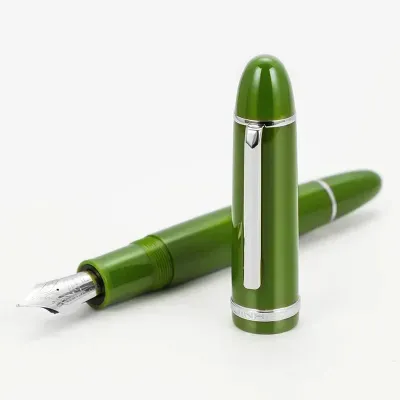

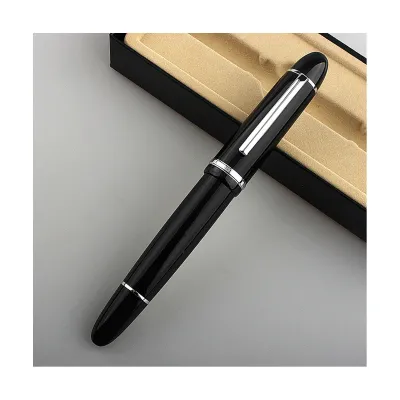
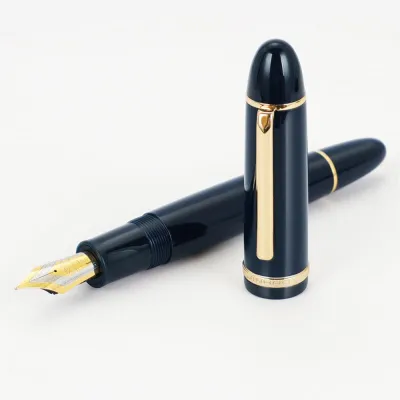
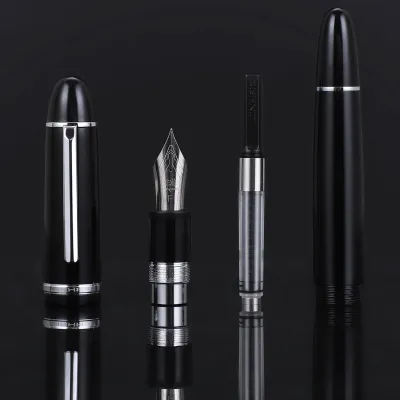
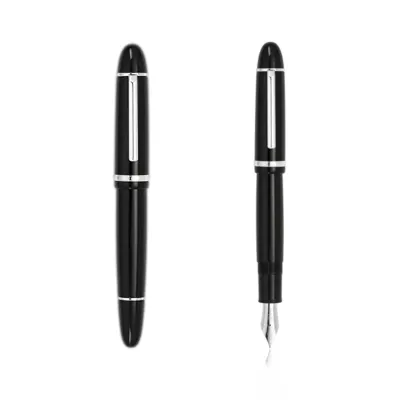
Prices are valid at publication and may change. Please refer to the product page for the latest price.
However, this pen is best suited for writers with medium-to-large hands who plan to use fountain-pen-friendly paper. If you are accustomed to slim, lightweight plastic ballpoints, the sheer heft of this lacquered metal pen can cause hand fatigue during long writing sessions.
Additionally, the pen is known for its wet ink delivery. In the humid tropical climate of the Philippines, this generous ink flow can lead to slow drying times, frequent smudging, and significant bleed-through on thin, highly absorbent paper commonly found in local classrooms and offices.
The Physical Profile: Navigating Size, Weight, and Ergonomics
The defining characteristic of the Jinhao 159 is its oversized, cigar-shaped silhouette. Constructed with a heavy brass core finished in high-gloss lacquer, it is designed to mimic the aesthetic and physical presence of classic luxury flagship pens. This choice of materials gives the pen a substantial weight, typically tipping the scales at around 50 grams when capped, which is nearly five times the weight of a standard disposable plastic ballpoint.

Before purchasing, it is crucial to evaluate your personal writing ergonomics. A thick grip section—measuring approximately 12mm to 15mm in diameter—requires your hand to open wider than it would for a standard pencil or gel pen. For writers with smaller hands or those who tend to grip their pens tightly, this wide diameter can quickly lead to cramping and muscle strain in the thumb and index finger during extended writing sessions.
To simulate this grip experience before you buy, try holding a thick permanent marker or a tightly rolled-up fabric pen case. Pay attention to how your hand muscles feel after a few minutes of writing motion; this simple test will give you a realistic preview of whether an oversized pen body fits your natural grip style.
Weight distribution also plays a critical role in your writing comfort. Writing with the heavy metal cap “posted” (pushed onto the back of the barrel) shifts the center of gravity far to the rear, making the pen feel unbalanced and tip-heavy. Most users find it much more comfortable to write “unposted,” leaving the cap on the desk so that the remaining 30-gram barrel balances naturally in the web of the hand.
Nib Performance and Ink Flow in a Tropical Climate
The Jinhao 159 is equipped with a large #6 size stainless steel nib, which is highly regarded for its smooth, consistent feel on paper. However, this nib is also tuned to be a “wet” writer, meaning it allows a generous volume of ink to flow from the feed to the paper. While this wetness results in a highly lubricated, scratch-free writing experience, it presents unique challenges when paired with local environmental conditions.
The high relative humidity across the Philippines directly impacts how water-based fountain pen inks behave on the page. Because the air is already saturated with moisture, the water content in the ink evaporates much slower than it would in a dry climate. A wet-flowing nib compounded by high humidity means your written lines will remain wet on the page for a prolonged period, dramatically increasing the risk of accidental smudges—a particular pain point for left-handed writers or students taking rapid notes in class.
Paper quality further complicates this issue. Standard school notebooks, cheap spiral pads, and low-cost office copy paper typically use thin, highly absorbent fibers (often 50 to 70 GSM). When a wet pen like the Jinhao 159 meets this type of paper, the ink is quickly sucked deep into the fibers, causing “feathering” (where the edges of your letters look fuzzy and spread out) and “bleed-through” (where the ink leaks completely through to the back of the page, rendering it unusable).
To mitigate these climate and paper challenges, you can adopt a few simple strategies:
- Upgrade your paper: Look for notebooks featuring thicker paper (80 GSM or higher) or those explicitly labeled as fountain-pen-friendly.
- Select dry inks: Pair the pen with inks known for dry flow characteristics or fast-drying formulas to combat the local humidity.
- Use a blotting sheet: Keep a small piece of heavy watercolor paper or specialized blotting paper under your hand to absorb excess moisture and protect your work.
Filling Systems and Beginner-Friendly Maintenance
For a beginner, ease of maintenance is just as important as how the pen writes. The Jinhao 159 utilizes a standard international cartridge and converter system, which is widely considered the most user-friendly and versatile filling mechanism for those new to the hobby.
If you prefer a clean, plug-and-play experience, you can easily insert standard international ink cartridges. These small, pre-filled plastic tubes are perfect for students or office workers who need to swap out empty ink quickly without carrying bottles or risking accidental spills on their desks.
For those who want to explore the vast world of colorful bottled inks, the pen typically comes equipped with a removable piston converter. To fill the pen, you simply submerge the entire nib into an ink bottle and twist the end of the converter to draw ink up into the chamber. Because the Jinhao 159 features a spacious inner barrel, it easily accommodates most standard-sized converters, allowing you to carry a generous supply of ink for long writing sessions.
Regular maintenance will keep your pen writing smoothly and prevent ink from drying out inside the feed. Every few weeks, or whenever you change ink colors, you should flush the pen by drawing room-temperature tap water up through the nib using the converter, repeating the process until the water runs completely clear.
Always use cool or room-temperature water for cleaning. Never use hot water, as high temperatures can permanently warp the delicate plastic feed or damage the internal seals of the converter, leading to persistent leaks and poor ink flow.
Value Proposition and Sourcing in the Philippines
One of the most compelling reasons to consider the Jinhao 159 is its incredible value proposition. Positioned firmly in the ultra-budget category, this pen typically retails for around ₱150 to ₱400 on major online marketplaces and specialized local stationery webstores. This low price point makes it an exceptionally low-risk investment for anyone curious about trying a heavy, oversized fountain pen without spending thousands of pesos on premium European or Japanese brands.
When sourcing your pen, look for reputable sellers on local e-commerce platforms or seek recommendations within local online fountain pen enthusiast groups. Engaging with the local community is an excellent way to find trusted vendors who inspect their stock before shipping.
To ensure a smooth purchasing experience, use this quick seller verification checklist:
- Check the store rating: Aim for sellers with high positive feedback ratings and a history of selling stationery products.
- Read recent buyer reviews: Look for reviews that include actual physical photos of the pen's nib to confirm it arrives straight and undamaged.
- Verify the listing details: Ensure the description explicitly states that a converter is included with the purchase, as some bare-bones listings may omit it to lower the price further.
Keep in mind that at this ultra-budget price point, minor cosmetic imperfections may occasionally occur. You might encounter a slightly stiff pocket clip, a tiny bubble in the lacquer finish, or minor alignment variances. Weighing these small quality-control details against the massive cost savings is a trade-off that most budget-conscious beginners are happy to accept.
Final Diagnosis: Who Should (and Shouldn't) Start with the Jinhao 159
To help you make your final decision, review these quick checklists to see if your writing style and daily environment align with what this pen offers.
Choose It If:
- You want to experience a heavy, substantial pen with a premium feel on a very strict budget.
- You have medium-to-large hands or prefer a thick grip that prevents you from pinching too tightly.
- You already own or plan to purchase thicker, fountain-pen-friendly paper (80 GSM or higher).
- You want a smooth, wet writing experience and enjoy seeing vibrant ink shading on the page.
Skip It If:
- You have small hands or easily experience hand fatigue from heavy writing instruments.
- You need a lightweight, agile pen for rapid, long-form note-taking during lectures or meetings.
- You primarily write on cheap, thin, standard office copy paper or low-cost school notebooks.
- You are left-handed and struggle with slow-drying ink smudging across the page.
If you decide that the size and weight of this model are dealbreakers, do not let that discourage you from entering the hobby. You can easily find lighter, standard-sized budget fountain pens from similar entry-level brands—such as the Jinhao 992 or the Pilot Kakuno—which offer a much more agile and forgiving writing experience for daily use in any environment.
Frequently Asked Questions (FAQ)
Does the Jinhao 159 come with a converter?
Yes, the Jinhao 159 typically includes a standard international piston converter right out of the box, allowing you to use bottled ink immediately. However, because packaging can vary slightly depending on the specific importer or online seller, it is always wise to double-check the product description or message the seller to confirm its inclusion before finalizing your purchase.
What ink works best for the Jinhao 159 in humid weather?
To combat the slow drying times caused by high humidity in the Philippines, pair this wet-writing pen with drier, well-behaved inks. Brands like Pelikan (specifically the 4001 series) or standard Lamy inks are excellent choices because they flow less aggressively, helping control the wetness of the #6 nib and reducing the likelihood of feathering and smudging on standard paper.
Can I replace the nib on the Jinhao 159?
Yes, the Jinhao 159 uses a standard #6 size nib, which can be pulled out along with the feed for replacement or customization. While this allows you to upgrade to premium aftermarket steel or gold nibs later on, beginners should proceed with caution; budget pen specifications can occasionally vary slightly between production batches, meaning some aftermarket nibs may require minor adjustments to fit snugly.

Community discussion
Share your experience or ask a question. Comments are reviewed before publication.