
When you are looking to decorate your gear with the iconic imagery of Wolverine, ensuring your stickers can withstand the elements is a top priority. A sticker that curls, fades, or peels at the first sign of moisture quickly ruins the aesthetic of your favorite water bottle, laptop, or outdoor gear. True water resistance is not a matter of luck; it is the result of specific material choices, ink formulations, and adhesive technologies.
In tropical climates like the Philippines, where high humidity, sudden downpours, and intense sunlight are part of daily life, standard paper stickers simply will not hold up. To find a decal that truly lasts, you must look beyond generic marketing claims and understand the physical components that make a sticker genuinely waterproof. By evaluating the base material, the protective topcoat, and the adhesive type before you buy, you can ensure your collection remains vibrant and intact.
Decoding Sticker Materials and Water Resistance Labels
Understanding the distinction between water-resistant and fully waterproof products is the first step in making a smart purchase. A water-resistant sticker is designed to handle light moisture, such as high humidity or an accidental splash, but it will eventually degrade if submerged or exposed to heavy rain. A fully waterproof sticker, on the other hand, is engineered to maintain its structural integrity, color, and adhesion even when subjected to prolonged wet conditions.
Products mentioned in this guide
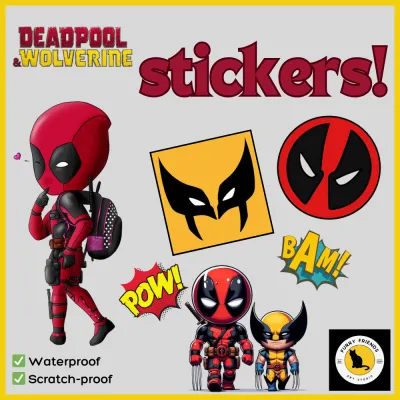
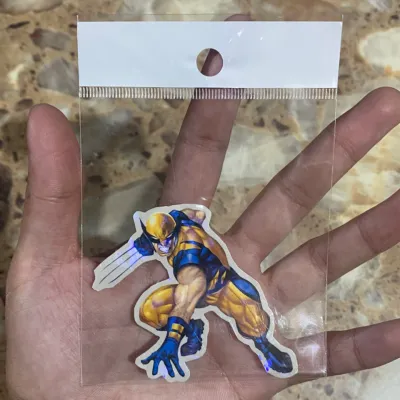
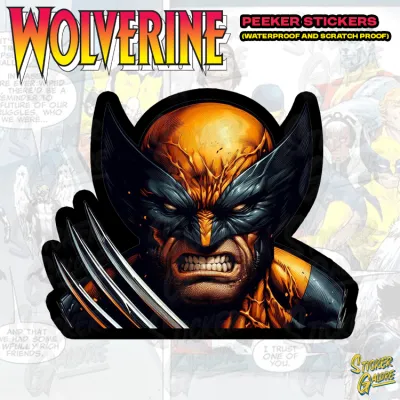
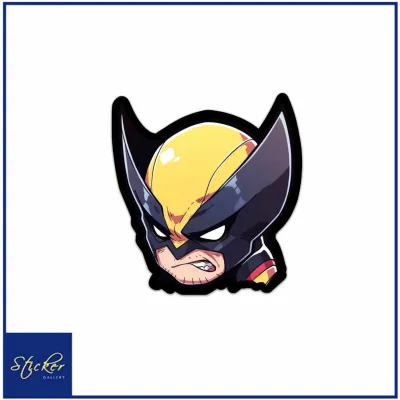
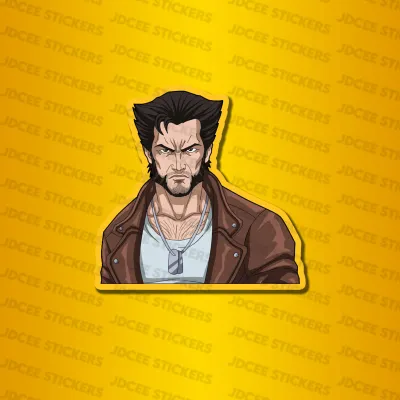


Prices are valid at publication and may change. Please refer to the product page for the latest price.
To ensure you are getting a product that can survive the elements, always check the product description for specific material identifiers rather than relying on vague buzzwords. Paper-based stickers, even those with a glossy finish, are inherently vulnerable to water because moisture can easily seep through the edges and dissolve the paper fibers. For reliable water protection, look for synthetic base materials such as vinyl (polyvinyl chloride or PVC) or polyester (PET), which do not absorb water and resist tearing.
However, a synthetic base material is only one part of a durable sticker. The ink used to print the design must also be water-stable; standard water-based inks will bleed or run when exposed to moisture. High-quality waterproof stickers typically utilize solvent, latex, or UV-curable inks that bond chemically with the vinyl base. Finally, the adhesive must be water-insoluble, as water-based acrylic adhesives can break down and lose their grip when wet, whereas solvent-based acrylic adhesives remain secure.
Quality Markers to Evaluate in Product Listings
When browsing online marketplaces or stationery shops, you can identify high-quality stickers by looking for specific manufacturing details in the product listings. One of the most important indicators of durability is the mention of a protective topcoat or laminate. A laminate is a thin, clear plastic layer applied over the printed design that acts as a physical barrier against water, friction, oil from your hands, and UV rays. Listings that specify a “matte laminate” or “glossy laminate” offer significantly better protection than unlaminated alternatives.

Another critical factor to verify is the adhesive type and its specified performance limits under humid or wet conditions. Look for listings that describe the adhesive as “permanent,” “weatherproof,” or “outdoor-grade.” In warm, humid environments, standard craft adhesives can soften and cause the edges of the sticker to lift. Outdoor-grade adhesives are specifically formulated to resist temperature fluctuations and moisture, ensuring the sticker stays flat on curved or textured surfaces.
Whether you are spending ₱50 on a single custom decal or purchasing a larger collector set, look for explicit usage guidelines provided by the manufacturer. Reputable sellers will often state whether their stickers are dishwasher-safe, UV-resistant, or suitable for outdoor vehicles. If a listing lacks these details and only uses generic terms like “super durable,” it is wise to contact the seller to confirm the material composition before making your purchase.
Safe Ways to Test Water Resistance Upon Delivery
Once your stickers arrive, you can perform a few simple, low-risk tests to verify their water resistance before applying them to your valued possessions. To avoid ruining your favorite design, select a single sticker from your pack—or a small piece of excess border material—to serve as a test subject. Place a single drop of water on an inconspicuous edge of the sticker and let it sit for several minutes.
Observe the reaction of the material and the ink closely during this test. If the water beads up cleanly on the surface without soaking into the edges, the protective laminate is functioning correctly. If you notice the paper backing warping, the colors bleeding, or the edges softening, the sticker is not fully waterproof and should be kept away from wet environments.
Next, check the integrity of the adhesive by peeling a small corner of the backing paper and exposing it to a tiny amount of moisture. A high-quality waterproof adhesive will remain tacky and will not turn milky, slippery, or lose its grip when wet. If the adhesive dissolves or slides off easily, the sticker is best suited for dry indoor applications, such as planners, journals, or scrapbooks.
Always establish clear stopping conditions during your testing process. If you observe immediate color transfer onto your fingers, severe paper curling, or complete adhesive failure, stop the test immediately. Do not attempt to apply the remaining stickers to items like water bottles or vehicles. Instead, document the results with a quick photo and contact the seller to address the product’s failure to meet its waterproof claims.
Application and Care for Maximum Durability
Even the highest-quality waterproof vinyl sticker can fail prematurely if the target surface is not prepared correctly. Before application, clean the surface thoroughly to remove dirt, grease, fingerprints, and dust. In tropical climates, a thin layer of humidity or dust can quickly accumulate on surfaces, preventing the adhesive from forming a complete bond. Wipe the area with a lint-free cloth and a mild cleaning agent, and ensure it is entirely dry before peeling the sticker.
Once the surface is clean, carefully apply the sticker from the center outward, pressing down firmly to smooth out any air bubbles. Allowing the adhesive time to cure is essential for achieving maximum water resistance. Let the applied sticker sit in a dry, room-temperature environment for at least 24 to 48 hours before exposing it to water, condensation, or outdoor elements. This curing period allows the adhesive to form a strong, permanent bond with the substrate.
When cleaning items decorated with your stickers, avoid using harsh chemicals, solvents, or abrasive scrubbing pads. Strong detergents and alcohol-based cleaners can dissolve the protective laminate and degrade the adhesive edges over time. Instead, gently hand-wash the stickered area using a soft cloth, mild dish soap, and cool water to preserve the vibrant colors and sharp details of your design.
Frequently Asked Questions (FAQ)
Can I use a waterproof Wolverine sticker on a water bottle?
Yes, but you should check the manufacturer’s specific guidelines regarding dishwasher safety. Even highly durable waterproof stickers can peel or fade under the high heat and intense water pressure of a dishwasher cycle. Hand-washing your water bottle with cool water and a soft sponge is the safest way to preserve both the protective topcoat and the adhesive bond over time.
What should I do if my sticker starts peeling after getting wet?
If you notice the edges of your sticker lifting, gently pat the area dry with a clean towel and avoid further water exposure. Do not rub or scrape the sticker, as this can stretch the vinyl material or smear the softened adhesive. If the product was explicitly advertised as waterproof and failed during normal use, take a photo of the damage and contact the seller to request a replacement or refund.

Community discussion
Share your experience or ask a question. Comments are reviewed before publication.