
Selecting the right modeling clay can make or break a creative project, whether you are helping a child assemble a last-minute science diorama for school or sculpting an intricate figurine for a personal hobby. In the Philippines, Joy modeling clay is a highly accessible and familiar staple found in school supply aisles and local bookstores. However, because this brand offers different formulations designed for distinct purposes, grabbing the first pack you see on the shelf can lead to frustration. Choosing the ideal variant requires matching the clay’s physical properties—such as drying time, texture, and flexibility—to the specific demands of your project.
To achieve the best results, you must evaluate whether your project requires a temporary, reusable medium or a permanent, paintable finish. School assignments generally benefit from soft, non-toxic, and reusable clays that allow for easy correction and mess-free cleanup. In contrast, detailed crafts demand a clay that cures reliably, holds sharp edges, and tolerates post-drying modifications like sanding and painting. Understanding these differences ensures you spend your budget wisely and avoid structural failures during the crafting process.
Identifying Joy Modeling Clay Variants by Label and Texture
To make an informed choice, start by examining the product packaging for key indicators of the clay’s formulation. Joy offers variants that fall into distinct categories, primarily non-hardening (often oil-based or plastilina) and air-dry types. Non-hardening clays are formulated to remain soft and pliable indefinitely, making them ideal for repeated use. In contrast, air-dry variants are designed to lose moisture when exposed to the air, eventually curing into a solid, permanent state. Reading the front label carefully will tell you exactly which type you are holding before you open the package.
Products mentioned in this guide
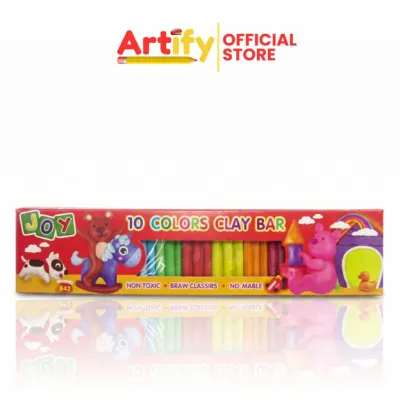
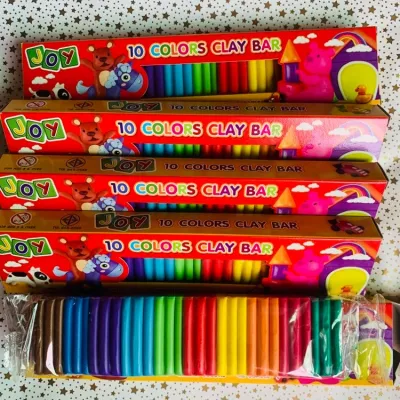
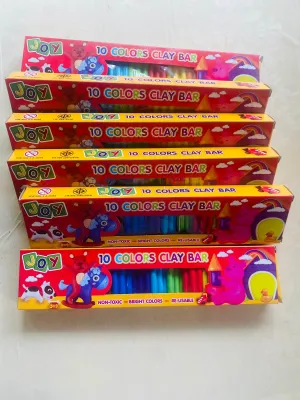
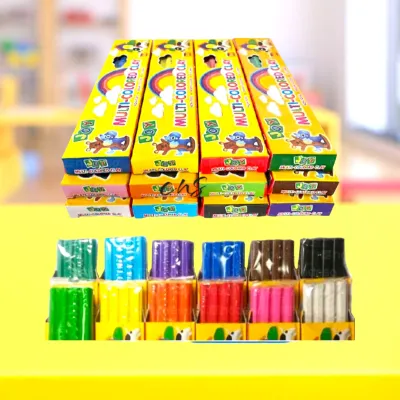
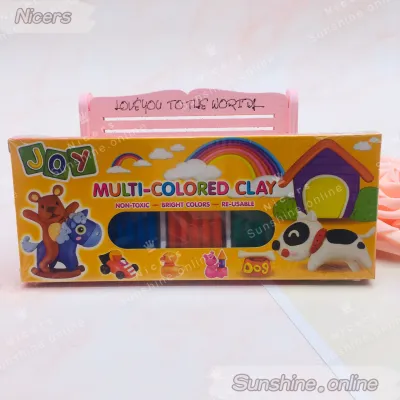
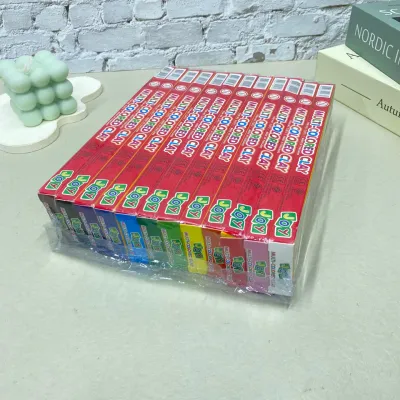
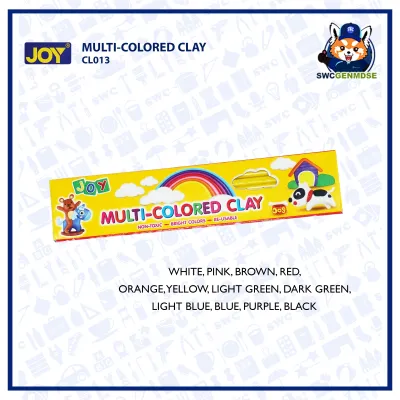
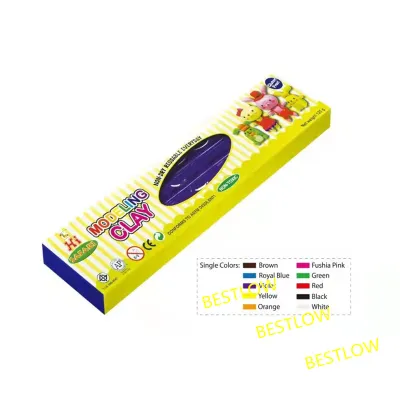
Prices are valid at publication and may change. Please refer to the product page for the latest price.
Physical texture is another critical differentiator that you can observe during a quick trial. Non-hardening clay typically feels slightly oily or waxy to the touch and requires the warmth of your hands to become fully pliable. It holds its shape well for basic structures but may slump if exposed to high tropical temperatures. Air-dry clay, on the other hand, often has a smoother, slightly damp, and lightweight texture when fresh. This water-based composition allows it to be stretched and smoothed with water, making it highly responsive to fine details and delicate molding.
Safety and age-appropriateness should always be verified on the packaging, especially when purchasing for younger users. Look for explicit non-toxic labels and age recommendations, which are standard indicators of safety for classroom environments. These certifications ensure that the ingredients are safe for skin contact during prolonged crafting sessions. Additionally, checking the packaging for warnings regarding small parts is essential if the clay is intended for toddlers or early elementary students who might accidentally ingest the material.
Matching Clay Properties to School Project Requirements
School projects, such as solar system models, geographical maps, or simple animal figures, demand materials that are forgiving, easy to clean, and safe for children. For these classroom assignments, non-toxic and non-staining properties are paramount. Parents and teachers prefer formulations that do not leave stubborn pigment stains on school uniforms, wooden desks, or plastic tables. A quick test on a small, inconspicuous surface can help you verify how easily a specific clay variant washes off hands and surfaces with simple soap and water.

The choice between a reusable, non-hardening clay and a permanent, air-dry clay depends entirely on the assignment’s ultimate goal. If a student needs to practice sculpting shapes repeatedly or if the model is temporary, a non-hardening multi-color clay bar set is the most practical and economical choice. These bars can be squished back into balls and stored for the next project, saving money. However, if the school project must be submitted, graded, and displayed in an exhibition for several weeks, an air-dry variant is superior because it hardens into a durable model that will not lose its shape or collect dust on a school shelf.
Another factor to consider for school-aged children is how easily the clay can be manipulated without specialized sculpting tools. Young students typically rely on their fingers, plastic rulers, or simple plastic butter knives to shape their creations. The ideal school clay should be soft enough to blend colors smoothly—such as mixing blue and yellow to create green—without requiring intense hand strength. If the clay is too stiff, children may lose interest or struggle to complete their homework independently, making a soft, highly malleable formulation the preferred option for academic tasks.
Selecting Clay for Detailed and Intricate Crafts
Hobbyists and detailed crafters have vastly different requirements, prioritizing precision, structural integrity, and post-drying finish over simple ease of use. For intricate crafts like miniature figurines, jewelry, or detailed relief sculptures, you need a clay variant with a fine, dense texture. This allows the material to hold sharp edges, fine lines, and intricate mold impressions without slumping, cracking, or losing definition. The clay must resist sagging under its own weight, especially when building delicate appendages or thin petals.
When working on detailed crafts, drying shrinkage is a critical factor that can ruin hours of meticulous work. Air-dry clays naturally shrink as their water content evaporates, which can cause cracking around rigid internal armatures like wire or foil. To prevent this, check the manufacturer’s instructions or product specifications for shrinkage rates, or perform a small test cure beforehand. High-quality detailed clays minimize this shrinkage, ensuring that fine details remain intact and proportions do not warp during the drying process.
Post-drying compatibility is the final touchstone for advanced crafting. Once the clay has fully cured, the sculpture often requires further refinement to achieve a professional look. A suitable crafting clay must be compatible with gentle sanding to smooth out fingerprints and seams. It should also provide a receptive surface for acrylic paints, water-based inks, and protective clear sealants. Before committing to a large project, verify that your chosen paints adhere well to the cured clay surface without peeling, bubbling, or reacting chemically with the clay’s ingredients.
Evaluating Cross-Scenario Compatibility and Trade-offs
While it is tempting to look for a single, universal clay variant that can handle both school dioramas and professional-grade miniatures, such a compromise often comes with significant trade-offs. Highly detailed clays, particularly those designed for advanced modeling, are often too stiff for young children to knead comfortably. They may also require precise curing methods, such as controlled drying environments or specific baking temperatures, which are impractical for a busy classroom setting or a quick homework session. Furthermore, these specialized clays tend to be more expensive, making them less economical for large-scale school projects.
Conversely, using soft, reusable school clays for detailed crafts will likely result in disappointment. These formulations lack the structural strength required to support delicate, self-standing structures, and their oily base prevents them from ever hardening. This means your detailed sculptures will remain vulnerable to dents, dust accumulation, and melting under warm tropical conditions. They also cannot be sanded, painted, or sealed, severely limiting your finishing options.
Ultimately, the decision to buy separate specialized variants or a single middle-ground option depends on your project’s scope. For a household with both school-aged children and an active crafter, keeping a stock of both cheap, colorful non-hardening clay and a premium block of air-dry clay is usually the most efficient approach. If you must choose a single versatile option, a user-friendly, lightweight air-dry clay can bridge the gap, provided that younger children are supervised to prevent the clay from drying out prematurely during play.
Pre-Purchase Checklist for Clay Selection
Before heading to the checkout counter or finalizing your online cart on an ecommerce platform, run through a quick checklist to ensure a successful project. First, check the net weight listed on the packaging and estimate how much material you actually need. School projects often require larger volumes for landscapes or bases, so purchasing a larger block or a multi-pack is more cost-effective than buying individual small bars.
Second, verify the storage requirements and packaging design. If you are buying air-dry clay, look for resealable foil packaging or prepare airtight plastic containers at home to preserve the remaining clay. Check the label for any shelf-life indicators, as opened air-dry clay can degrade over time if exposed to air.
Finally, check if the product bundle includes any basic accessories. Some Joy clay sets come packaged with simple plastic sculpting tools, rollers, or molds. While advanced crafters will prefer their own professional metal or wooden tools, these included accessories are incredibly convenient for school projects, saving you the extra expense of buying tools separately.
Frequently Asked Questions (FAQ)
How to prevent unused modeling clay from drying out?
To keep your unused clay in optimal condition, always store it in an airtight container or a heavy-duty resealable plastic bag immediately after use. For air-dry clay, wrapping the unused portion in a damp paper towel before sealing it inside the container can help maintain its moisture level. Store the container in a cool, dry place away from direct sunlight, as tropical heat can accelerate drying and degrade the clay’s texture.
Can dried air-dry clay be softened and reused?
Once air-dry clay has fully cured and hardened, the chemical and physical binding process is irreversible, meaning it cannot be restored to its original pliable state. If the clay is only slightly stiff or has just begun to dry during a crafting session, you can often revive it by kneading in a few drops of water. However, if a piece has completely dried and cracked, it must be discarded, highlighting the importance of keeping your working clay covered with a damp cloth while you sculpt.

Community discussion
Share your experience or ask a question. Comments are reviewed before publication.