
Managing daily paperwork can quickly become overwhelming without a dedicated system to keep documents secure, organized, and portable. An envelopes organizer with handle serves as a practical hybrid between a traditional expanding file folder and a lightweight briefcase, offering a convenient way to transport contracts, schoolwork, receipts, and personal records. Unlike static filing cabinets, a portable organizer must withstand the physical demands of daily travel while keeping its contents pristine and easily accessible. Selecting the right organizer requires a close look at how its construction materials, internal compartment layout, closure mechanisms, and handle ergonomics fit into your daily routine.
To find a model that truly supports your workflow, you must evaluate several physical and structural features. A poorly constructed organizer can lead to torn document edges, broken zippers, or handles that snap under the weight of heavy paper. By focusing on durability, capacity, security, and portability, you can select a reliable tool that protects your important documents from wear, moisture, and disorganization.
Essential Material and Durability Checks
The outer material of your document organizer is your first line of defense against physical wear and environmental hazards. In tropical climates where high humidity and sudden rain showers are common, material selection is particularly critical. The most common materials used for these organizers include polypropylene (PP) plastic, Oxford cloth, canvas, and polyurethane (PU) leather, each offering distinct advantages and trade-offs.
Products mentioned in this guide
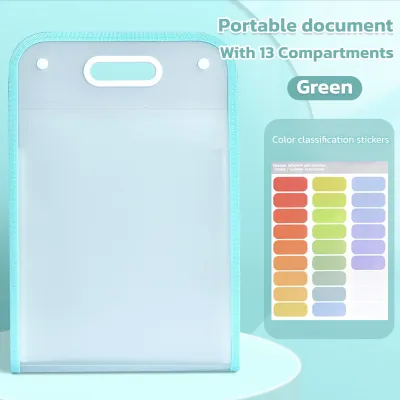
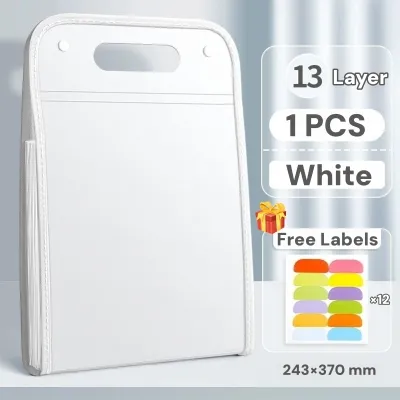
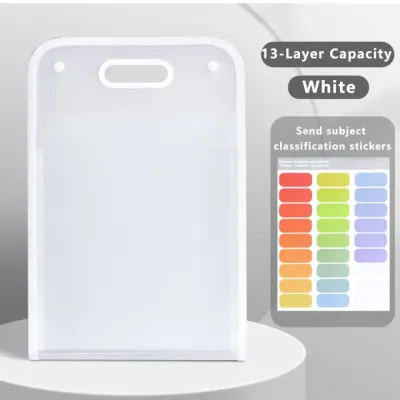
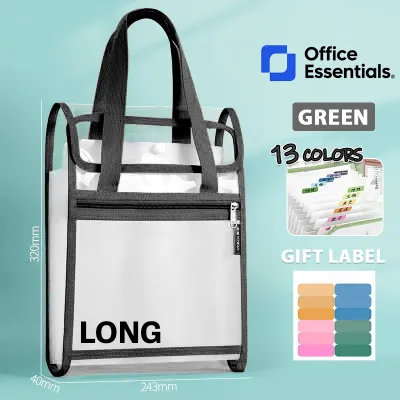
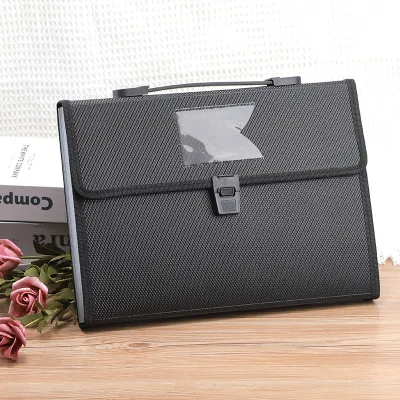
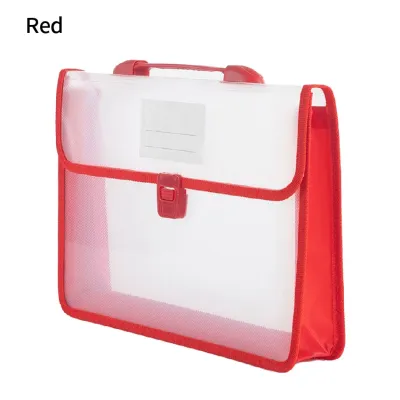
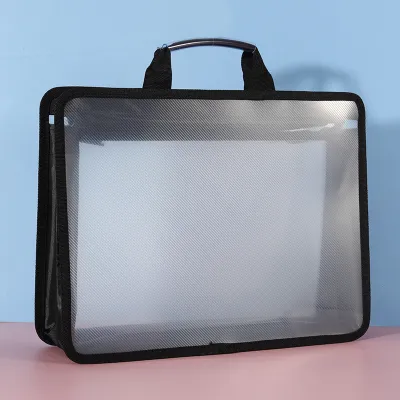
Prices are valid at publication and may change. Please refer to the product page for the latest price.
Polypropylene (PP) plastic is highly favored for its lightweight nature and excellent water resistance. If you frequently commute during the rainy season, a thick PP plastic shell will prevent water from seeping in and ruining your papers. When evaluating plastic organizers, check the thickness and flexibility of the outer shell; thin, brittle plastic can crack easily under pressure or warp when exposed to heat, such as inside a parked vehicle. Look for flexible, high-density polypropylene that bends slightly without creasing or cracking.
Fabric options like Oxford cloth and canvas offer superior tear resistance and a more flexible structure. Oxford cloth, particularly when rated at 600D (Denier) or higher, is incredibly durable and resistant to abrasions from being slid into backpacks or placed on rough surfaces. Many high-quality fabric organizers feature an inner water-resistant coating, such as a PVC or polyurethane backing, which protects documents from light spills. Canvas provides a classic, tactile aesthetic but is naturally more porous; if you choose canvas, ensure it has been treated with a water-repellent finish, as untreated canvas can absorb atmospheric moisture and encourage mold growth in humid environments.
Polyurethane (PU) leather offers a sleek, professional appearance suitable for corporate settings. While it resists water splashes well and wipes clean easily, the longevity of PU leather depends heavily on its quality. In hot, humid conditions, low-grade PU leather can undergo hydrolysis, causing the surface to peel, crack, or become sticky over time. If you prefer a leather-like aesthetic, look for high-grade, breathable synthetic leather with reinforced backing.
Beyond the primary material, inspect the structural reinforcements of the organizer. Examine the edge binding; organizers with fabric-bound edges stitched with heavy-duty nylon thread are far more durable than those with simple heat-sealed plastic edges, which tend to split open when the organizer is filled to capacity. Check the stitching tension along the seams to ensure there are no loose loops or fraying threads, and verify that metal rivets or hardware attachment points are securely anchored through multiple layers of material rather than a single thin sheet.
Compartment Layout and Document Capacity
An organizer is only as useful as its internal structure. Before purchasing, you must match the compartment layout to your specific sorting habits and the physical dimensions of the documents you handle daily. A mismatch here can result in crumpled papers or an organizer that is either half-empty or bulging awkwardly.

First, consider the compartment count and how it aligns with your filing system. For basic daily transit, a 5-pocket or 7-pocket organizer is usually sufficient to separate active projects, incoming mail, and blank forms. If you plan to use the organizer for comprehensive archiving—such as sorting monthly utility bills, tax documents, or academic subjects—a 12-pocket or 24-pocket accordion-style design is more appropriate. Keep in mind that as the pocket count increases, the overall depth and weight of the organizer will expand significantly when fully loaded.
Next, verify the physical dimensions of the internal compartments. In the Philippines, standard document sizes vary widely, ranging from A4 (8.27 x 11.69 inches) and Letter (8.5 x 11 inches) to Legal or “long bond paper” (8.5 x 13 inches). Many imported organizers are designed strictly for A4 or Letter sizes; attempting to store local legal-sized documents in these models will cause the top edges of the paper to bend, crumple, or interfere with the closure mechanism. Always check the internal width and height specifications to ensure your most common paper standard fits comfortably with room to spare.
Pay close attention to the expansion design of the compartments. Some organizers feature a flat bottom that only expands at the top, creating a V-shape when open. While compact, this design can make it difficult to retrieve documents stored in the bottom corners. An accordion-style bottom that expands uniformly from top to bottom allows the organizer to stand upright on a desk, providing easier access to all compartments and preventing papers from getting wedged at the base.
Finally, look for additional storage features that enhance daily utility. External zippered pockets or front mesh slots are incredibly useful for storing small, loose items like pens, sticky notes, flash drives, business cards, or receipts. Internal tab dividers should be sturdy and come with customizable, write-on labels or color-coded inserts, allowing you to identify the contents of each section at a glance without flipping through every page.
Closure Mechanisms and Document Security
Keeping your documents securely inside the organizer during transit is paramount. If a closure fails, sensitive papers can slip out, get lost, or become exposed to wind and rain. The most common closure systems include zippers, snap buttons, elastic bands, and hook-and-loop fasteners, each offering different levels of security and convenience.
Zippers provide the highest level of security, especially fully enclosed three-sided zipper systems. A zipped closure ensures that even small items, like receipts or flash drives, cannot slide out of the sides of the organizer. When evaluating a zippered model, look for nylon coil zippers, which are highly flexible, self-healing, and less prone to jamming than rigid plastic tooth zippers. Dual-zipper pulls are highly recommended, as they allow you to open the organizer from either side and provide a backup if one pull tab fails.
Snap buttons offer quick, one-handed access and are commonly found on envelope-style flaps. While convenient, snap closures have limited flexibility; if you overstuff the organizer, the tension may prevent the button from snapping shut, or cause the button to pull completely out of the plastic or fabric over time. If you opt for a snap closure, look for models with adjustable snap positions or those reinforced with a metal backing plate behind the button.
Elastic band closures are highly flexible and automatically adjust to the thickness of the organizer, making them excellent for variable document volumes. However, elastic cords are highly susceptible to environmental degradation. In warm, humid climates, the rubber strands inside elastic bands can dry out, lose their elasticity, or snap after prolonged exposure to tension and heat. If you choose an elastic band model, ensure the cord is thick and easily replaceable if it wears out.
Hook-and-loop (Velcro) fasteners provide a strong, adjustable hold but come with practical drawbacks. The tearing sound can be disruptive in quiet office or classroom environments, and the hook side of the fastener can snag delicate clothing, knitwear, or fabric bag linings. Over time, the loop side can also accumulate lint and dust, reducing its gripping power. For professional or quiet settings, a zipper or a high-quality magnetic snap is often a more polished choice.
Handle Design and Portability Factors
The handle is the primary interface between you and your organizer, making its design crucial for comfort and long-term durability. Carrying a fully loaded document organizer can put significant strain on your hand and wrist, especially during long commutes.
Inspect the handle material and shape. Flat, thin plastic handles with sharp edges can dig painfully into your fingers when the organizer is heavy. Look for ergonomically molded plastic handles, padded fabric grips, or soft PU leather wraps that distribute the weight evenly across your palm. The handle should have enough clearance from the main body of the organizer to accommodate your hand comfortably, even when wearing rings or light gloves.
Equally important is how the handle connects to the organizer body. Handles that are simply heat-sealed onto a plastic flap are prone to tearing away under load. Look for handles that are secured with metal rivets, heavy-duty cross-stitching (often in an “X” pattern), or those integrated directly into a reinforced spine. A reinforced spine distributes the pulling force across the entire width of the organizer, preventing the outer cover from warping or tearing at the attachment points.
Consider the overall weight and dimensions of the organizer when empty. A heavy empty weight, often caused by thick cardboard internal stiffeners or heavy metal frames, will quickly become burdensome when filled with hundreds of sheets of paper. For those who walk or use public transit frequently, some organizers feature detachable, adjustable shoulder straps. This option allows you to carry the organizer hands-free, leaving your hands free for umbrellas, transit cards, or handrails.
Matching Features to Your Specific Use Case
To make the final purchasing decision, synthesize these features against your primary daily environment. Different lifestyles demand different priorities in an organizer’s design.
For students navigating a busy campus, a lightweight, high-capacity organizer is ideal. Prioritize a durable PP plastic or Oxford cloth exterior that can survive being shoved into a crowded backpack. A 5-pocket to 12-pocket layout is perfect for separating different subjects or semesters. Since students often move quickly between classrooms, a secure zipper closure is highly recommended to prevent loose notes and pens from falling out during transit.
For professional commuters traveling to client meetings or corporate offices, professional aesthetics and document protection are paramount. A sleek, neutral-colored Oxford cloth or high-grade PU leather organizer with a comfortable, professional handle is a great fit. Ensure the organizer is wide enough to accommodate legal-sized contracts without folding. A fully enclosed zipper system is essential to protect confidential client documents from prying eyes and sudden weather changes.
For home bill management and archiving, portability is secondary to capacity and ease of storage. Look for a high-capacity, 13-pocket to 24-pocket accordion organizer with a sturdy, expanding flat bottom that allows it to stand independently on a shelf or inside a deep drawer. A simple elastic band or snap closure is sufficient for home use, as the organizer will rarely experience the physical jostling of a daily commute. Focus on models with clear, large tab dividers that make it easy to file and retrieve documents quickly.
Before finalizing your purchase, use this quick pre-purchase checklist to verify that the organizer meets your core requirements:
- Size Compatibility: Does the internal compartment width accommodate your largest standard document (e.g., A4, Letter, or Legal/long bond paper) without bending the edges?
- Material Durability: Is the outer shell water-resistant and tear-resistant enough for your daily commute?
- Handle Strength: Is the handle secured with rivets or reinforced stitching rather than simple heat sealing?
- Closure Security: Does the closure mechanism fully seal the edges to prevent small receipts or notes from slipping out?
- Capacity and Expansion: Does the bottom expand sufficiently to allow the organizer to stand upright when full?
Frequently Asked Questions (FAQ)
Can an envelope organizer with handle fit in a standard backpack?
Whether an envelope organizer with a handle fits inside a standard backpack depends on its external dimensions and how much it is filled. Most standard backpacks are designed to hold A4 or Letter-sized laptops and binders, meaning a standard-sized organizer will physically fit into the main compartment. However, organizers designed for legal-sized documents (long bond paper) are significantly wider and may stick out of the top or stretch the zippers of smaller daypacks.
Before purchasing, measure the internal width and depth of your backpack’s main compartment and compare them to the external dimensions of the organizer. Keep in mind that as you fill the organizer with papers, it will expand in thickness, which can make your backpack feel bulky and rigid. If you plan to carry the organizer inside a backpack regularly, look for a model with a low-profile, collapsible handle that folds flat against the body of the organizer to save space.
How do I clean and maintain a fabric envelope organizer?
To extend the lifespan of a fabric envelope organizer, regular maintenance and proper cleaning are essential. Always check the manufacturer’s product label or care instructions first, as some materials have specific limitations. For general cleaning of Oxford cloth or canvas organizers, start by emptying all documents and shaking out any loose dust, paper clippings, or dirt from the internal compartments.
Use a soft-bristled brush or a damp microfiber cloth with a small amount of mild, diluted laundry detergent to spot-clean stains on the exterior fabric. Avoid using harsh chemical solvents, bleach, or abrasive scrubbing pads, as these can degrade the water-resistant inner coating or fade the fabric’s color. Never submerge the organizer fully in water or put it in a washing machine, as this can warp the internal plastic dividers or cardboard stiffeners. Allow the organizer to air-dry completely in a shaded, well-ventilated area before refilling it with documents, ensuring no moisture remains trapped inside to cause mold.

Community discussion
Share your experience or ask a question. Comments are reviewed before publication.