
Choosing the right paper for bouquet wrapping is not about finding a single, universally superior material, but rather about matching your specific floral design with the right balance of aesthetic appeal, moisture resistance, and structural support. In a warm and humid tropical climate like the Philippines, where fresh flowers can wilt quickly and moisture management is critical, your choice of wrapping material directly affects how long the arrangement stays fresh and presentable. The three most popular options—classic Kraft paper, transparent cellophane, and modern Korean wrapping paper—each offer distinct advantages depending on whether you are assembling a rustic wildflower bunch, a highly polished modern arrangement, or a soft, voluminous pastel bouquet. By understanding how these materials interact with water, handle physical stress, and shape the overall presentation, you can select the ideal wrap that keeps your flowers secure from the florist’s table to the recipient’s hands.
To make an informed decision, you must evaluate how each material behaves under real-world conditions. Factors such as the weight of the stems, the presence of water sources like wet cotton or water tubes, and the ambient humidity of your workspace all play a role. A wrapping paper that looks beautiful in an air-conditioned studio might sag or tear when exposed to outdoor heat and humidity during transport. By analyzing the physical properties of each material, you can avoid common wrapping pitfalls and ensure your floral presentations remain pristine.
Understanding the Core Materials for Bouquet Wrapping
To select the right wrapping material, you must first understand the physical, tactile, and visual characteristics of the three primary options available on the market. Each material is manufactured differently, resulting in unique strengths and handling requirements that suit different floral design philosophies.
Products mentioned in this guide
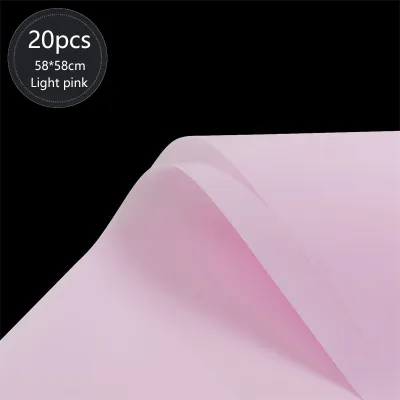
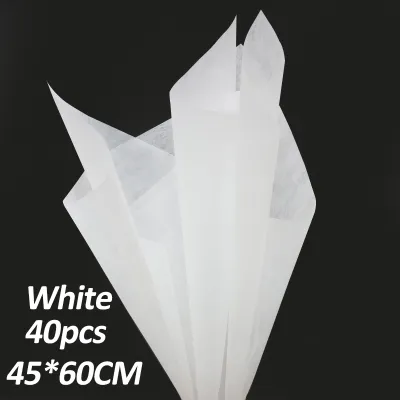
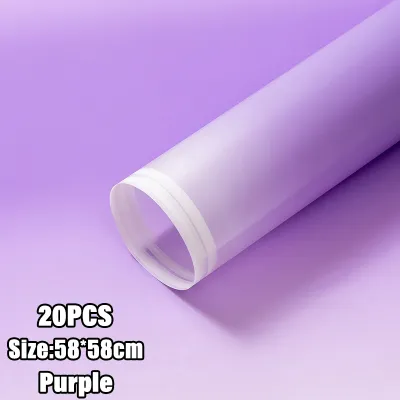
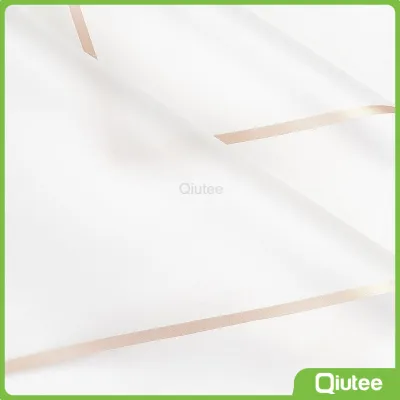
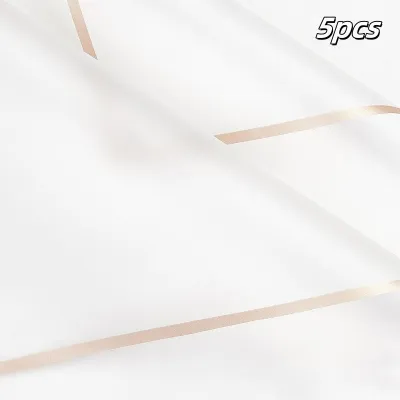
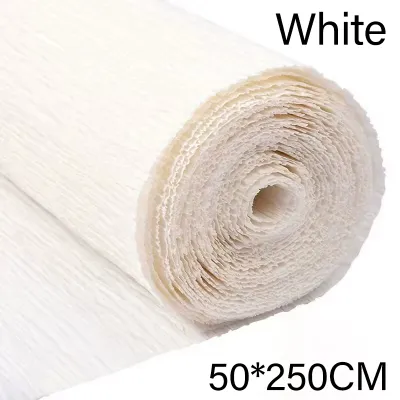
Prices are valid at publication and may change. Please refer to the product page for the latest price.
Kraft paper is an unbleached, textured material known for its natural brown color, though it is also available in bleached white and dyed shades. Made using the chemical kraft process, it preserves wood fiber strength to create a highly durable, structurally rigid paper. This rigidity allows Kraft paper to stand upright easily, providing a sturdy frame for your flowers. Its organic, slightly rough texture offers a tactile quality that feels traditional, artisanal, and grounded.
Cellophane is a thin, transparent, or tinted sheet made from regenerated cellulose or plastic polymers like polypropylene. It is completely non-porous, highly reflective, and produces a distinct crinkling sound when handled. Because it is transparent, cellophane allows the natural beauty of the flower stems and foliage to remain fully visible while providing a protective barrier. Its glossy surface catches the light, adding a bright, celebratory shine to any arrangement it surrounds.
Korean wrapping paper, which has gained immense popularity in contemporary floral design, is typically made from synthetic materials like biaxially oriented polypropylene (BOPP) or specialized non-woven fabrics. It features an ultra-smooth, matte finish that feels soft to the touch, almost like delicate fabric. Unlike traditional paper, Korean wrapping paper is highly water-resistant and designed to hold soft, voluminous folds without creasing sharply. It is available in a vast array of pastel tones, muted earth colors, and dual-sided contrasting shades, making it highly versatile for modern styling.
Comparing Durability and Protection Levels
When transporting fresh flowers through warm streets or delivering them to an outdoor venue, durability and protection are paramount. The way a wrapping material handles moisture, resists tearing, and supports the weight of the arrangement determines whether your bouquet arrives looking fresh or disheveled.

Moisture management is the most critical factor in tropical environments. Cellophane excels here because it is entirely waterproof, trapping water effectively around the stems when used as an inner lining to prevent leaks. Kraft paper, being a natural wood fiber product, is highly absorbent. While it handles minor splashes, prolonged exposure to wet stems or high humidity causes it to soften, sag, and lose its structural integrity. Korean wrapping paper offers an excellent middle ground; its synthetic composition or water-resistant coating prevents water from soaking through, allowing the bouquet to maintain its crisp shape even when in contact with damp stems.
Tear resistance at the binding point is another essential consideration. When you bundle a bouquet, you must tie it tightly with twine, wire, or tape to keep the stems secure. Kraft paper has high tensile strength but can tear if it is creased repeatedly or if sharp stems puncture the fibers under tension. Cellophane is highly resistant to tearing but can split quickly once a small puncture is made. Korean wrapping paper is exceptionally pliable and resistant to tearing, allowing you to pull, pleat, and tie the material tightly around the stems without worrying about accidental rips.
Structural support is vital for heavy, top-heavy, or long-stemmed floral arrangements. Kraft paper provides excellent natural stiffness, acting as a supportive collar that keeps heavy blooms from bending outward. Cellophane is flexible and offers minimal structural support on its own, meaning it must be layered or paired with a sturdier backing. Korean wrapping paper provides moderate structural support; while soft and pliable, layering multiple sheets creates a cushioned, voluminous structure that holds its shape well without collapsing under the weight of the flowers.
Matching Paper Types to Bouquet Styles and Aesthetics
The visual language of your bouquet is heavily influenced by the wrapping material you choose. The texture, color, and reflectivity of the wrap should complement the flowers, the occasion, and the recipient’s personal style.
Rustic, wildflower, or casual arrangements are well-suited for the natural, unpretentious texture of Kraft paper. The earthy brown tone of unbleached Kraft creates a beautiful contrast with vibrant green foliage and colorful field flowers like daisies, sunflowers, and lavender. This combination evokes a hand-picked, garden-fresh aesthetic that feels warm, personal, and eco-friendly. It is an excellent choice for casual gifts, farmers’ market bunches, or rustic-themed events where a highly polished look would feel out of place.
High-gloss, modern, or moisture-heavy bouquets benefit greatly from the brilliant shine of cellophane. Cellophane is ideal for showcasing the entire flower from bloom to stem, making it a popular choice for single-stem presentations or clean, minimalist arrangements where the stems themselves are part of the design. Tinted or patterned cellophane can add a playful, festive element to children’s bouquets or graduation flowers. Additionally, because it is completely waterproof, cellophane is the standard choice for presentation bouquets that must sit in water or wet wrapping during long ceremonies.
Minimalist, pastel, or premium elegant designs find their ideal match in the soft, matte finish of Korean wrapping paper. The muted, sophisticated color palette of this material enhances the delicate beauty of premium blooms like peonies, tulips, and imported roses. Because the paper does not crease sharply, it allows you to create soft, rounded layers that add incredible volume and a luxurious, cloud-like frame around the flowers. This style is highly favored for anniversaries, Valentine’s Day, and upscale corporate gifts where a refined, modern, and artistic presentation is desired.
Practical Handling and Wrapping Techniques
Working with different wrapping materials requires distinct techniques and a bit of practice. Understanding how to manipulate each material will help you achieve professional results while minimizing waste and frustration.
To achieve the signature volume of Korean-style wrapping, you must master the art of pleating and layering. Instead of wrapping a single large sheet around the bouquet, you should cut the Korean paper into smaller, rectangular sheets. Fold these sheets slightly off-center to create overlapping layers, then pleat them gently at the base before securing them to the binding point with waterproof tape. This technique creates depth and prevents the paper from looking flat or compressed against the flowers.
When working with cellophane, the primary challenge is securing the material neatly without leaving unsightly tape marks or trapping excessive condensation. To keep the presentation clean, use clear double-sided tape hidden within the folds, or secure the wrap externally with a wide, high-quality ribbon. If you are wrapping wet stems, ensure there is adequate ventilation at the top of the wrap to prevent moisture from fogging up the transparent sheets, which can obscure the view of the flowers and encourage mold growth in warm weather.
Securing Kraft paper requires a gentle touch to avoid tearing the natural fibers. Because Kraft paper is stiff, folding it too tightly can create harsh, permanent creases that detract from the organic look. Instead of using heavy tape, which can peel off the paper’s textured surface, secure Kraft paper using natural jute twine, raffia, or high-tack paper stickers. Wrapping the twine around the binding point multiple times not only secures the paper firmly but also enhances the rustic, handcrafted aesthetic of the bouquet.
Decision Framework: Which Paper Should You Choose?
To select the best wrapping material for your next floral project, consider this practical decision framework based on your specific priorities, the flower types, and the environmental conditions.
Choose Kraft paper if you want to achieve an organic, rustic, or vintage aesthetic. It is an excellent choice if you are looking for a cost-effective, biodegradable option that provides strong structural support for sturdy, dry-stemmed flowers. Kraft paper is highly customizable, allowing you to stamp logos, write handwritten notes, or draw custom designs directly onto the surface.
Choose cellophane if your primary concern is water resistance and protecting the surrounding area from moisture. It is the ideal choice for bouquets that will be transported over long distances with wet stem wraps, or for showcasing the natural beauty of the stems and foliage. Cellophane is also highly effective as a protective inner layer paired with other decorative papers.
Choose Korean wrapping paper if you are aiming for a premium, modern, and highly styled presentation with soft, layered volume. Its water-resistant properties make it durable and reliable in humid conditions, while its matte finish and elegant color options provide a luxurious frame for delicate, high-end blooms.
Before finalizing your choice, always verify the physical characteristics of your flowers. If you are working with roses that have sharp thorns, or heavy woody stems, check if the material is thick enough to resist punctures. For top-heavy flowers, ensure your chosen wrap provides enough structural stiffness to prevent the arrangement from bending or collapsing during transport.
Frequently Asked Questions (FAQ)
Can I combine different wrapping papers for one bouquet?
Yes, combining different wrapping materials is a highly effective way to leverage the unique benefits of each. A common professional technique is to use a sheet of clear cellophane as a waterproof inner layer directly around the wet stems to prevent leaks, and then wrap the exterior with decorative Kraft or Korean wrapping paper. This hybrid approach protects the outer paper from water damage while allowing you to achieve a beautiful, dry, and textured aesthetic on the outside. You can also layer contrasting colors of Korean paper or mix Kraft paper with a delicate inner layer of tissue paper to add depth, texture, and visual interest to your arrangement.
How do I prevent wrapping paper from tearing at the stems?
To prevent your wrapping paper from tearing at the binding point or being punctured by sharp stems, you can implement a few simple reinforcement techniques. First, ensure that all sharp thorns, lower leaves, and woody protrusions are cleanly stripped from the stems before wrapping. Next, you can wrap a layer of waterproof floral tape or a small strip of thick cardstock around the binding point of the stems to act as a protective collar. When securing the outer wrapping paper, avoid pulling the twine or ribbon too tightly in a single concentrated line; instead, distribute the pressure by wrapping the binding material in a wider band around the stems to minimize stress on the paper fibers.

Community discussion
Share your experience or ask a question. Comments are reviewed before publication.