
Choosing between a kraft folder and a plastic folder depends on your specific storage environment, handling frequency, and environmental priorities. Kraft folders offer an eco-friendly, highly writable, and rigid structure ideal for dry archiving and professional presentations, while plastic folders provide superior moisture resistance and long-term durability against daily wear and tear. Selecting the wrong material can lead to damaged documents, smudged ink, or premature folder replacement, making it essential to understand how each option performs under different conditions.
To make an informed decision, you must evaluate how these materials handle physical stress, environmental exposure, and organizational workflows. Whether you are organizing school handouts, managing office archives, or protecting vital household records, matching the folder material to your daily routine ensures your documents remain secure and accessible. By examining the physical properties, protective capabilities, and cost-efficiency of both options, you can establish an organized filing system that stands up to your specific demands.
Understanding Material Basics and Structure
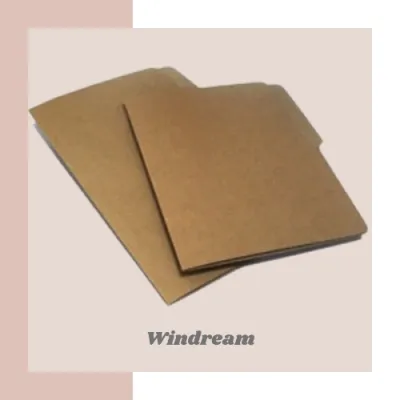
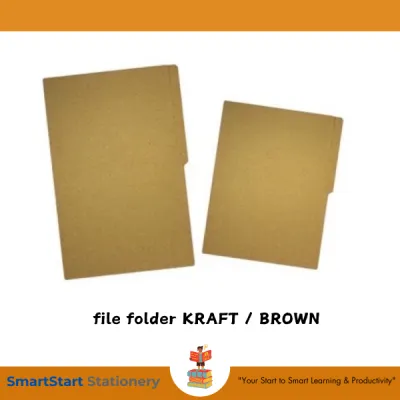
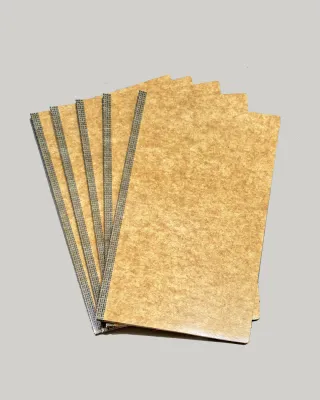
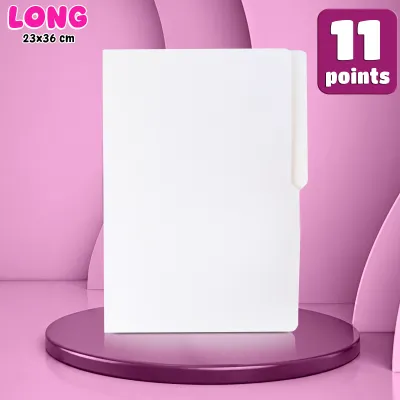
Kraft folders are manufactured from unbleached wood pulp using the kraft chemical process, which retains the natural strength of the wood fibers. This composition results in a thick, rigid, and slightly textured paperboard, typically measured in grams per square meter (GSM) or points of thickness. The natural brown color of kraft paper provides a classic, organic aesthetic, though bleached white and colored varieties are also available. Because the surface is fibrous and porous, it readily absorbs ink, making it exceptionally easy to write on directly with ballpoint pens, gel pens, pencils, and permanent markers without risk of smudging.
Products mentioned in this guide
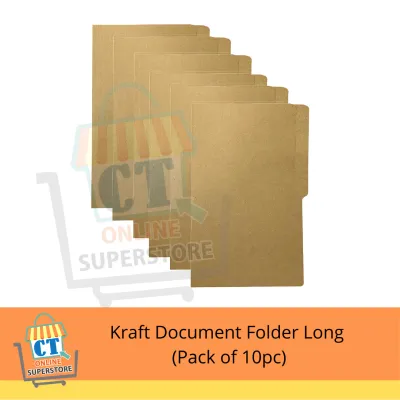
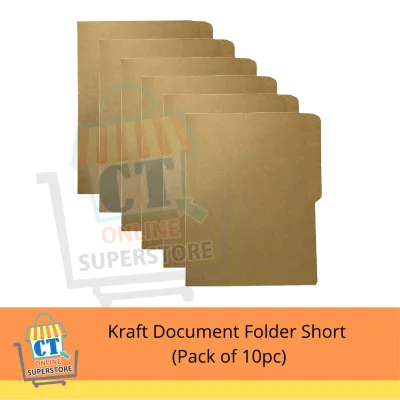
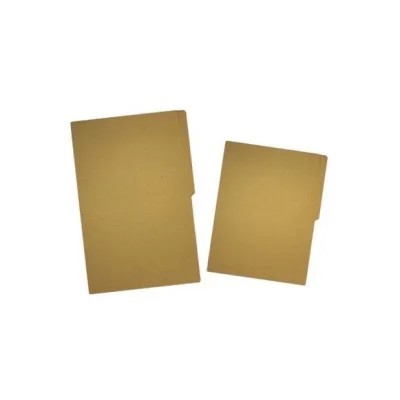
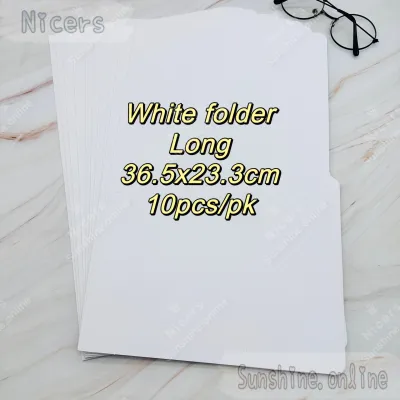
Prices are valid at publication and may change. Please refer to the product page for the latest price.
Plastic folders are primarily constructed from synthetic polymers, with polypropylene (PP) and polyvinyl chloride (PVC) being the most common. Polypropylene is highly flexible, lightweight, and resistant to chemical solvents, while PVC is heavier and more rigid but less environmentally friendly. The surface of a plastic folder is smooth and non-porous, which prevents standard water-based inks from drying quickly. Writing directly on plastic usually requires specialized permanent markers, or the application of adhesive paper labels that can grip the slick surface.
Both materials are available in a wide range of structural designs to accommodate different document capacities and binding preferences. Common configurations include folders with metal prong fasteners to secure punched papers, internal slip-in pockets for loose sheets, elastic band clasps to keep the folder closed, and expanding gussets for high-volume storage. When selecting either material, always verify the physical dimensions to ensure they match your paper standard, such as A4, Letter, or Legal size, preventing document edges from protruding and becoming damaged.
Evaluating Durability and Document Protection
Durability is a primary differentiator when comparing these two materials under active daily use. Plastic folders excel in tear resistance and edge wear; they do not fray at the corners, split along the seams, or crease permanently when stuffed into a crowded bag. This resilience makes them highly suitable for documents that must be retrieved and handled multiple times a day. Kraft folders, while sturdy compared to standard paper, are susceptible to dog-eared corners, surface creasing, and eventual tearing along fold lines or fastener insertion points under heavy loads.

In tropical climates characterized by high relative humidity and sudden rain showers, moisture protection is a critical consideration for document preservation. Plastic folders act as an impermeable barrier, shielding paper contents from water spills, wet hands, and ambient moisture. Kraft paper, conversely, is highly hygroscopic, meaning it naturally absorbs moisture from the surrounding air. In humid environments, untreated kraft folders can soften, warp, and lose their structural integrity, which can lead to mold or mildew growth that permanently ruins the enclosed documents.
For long-term preservation, you must verify the archival safety of the folder material by checking product specifications rather than assuming safety based on material type. Acidic environments accelerate the degradation of paper, causing it to turn yellow and brittle over time. Untreated kraft paper may contain residual acids unless it is explicitly labeled as “acid-free” or “archival-safe.” Similarly, certain plastic folders, particularly those made of PVC, can release volatile plasticizers or cling to printed ink, causing text to transfer onto the plastic. To protect important documents, look for polypropylene folders labeled as “copy-safe,” “acid-free,” or “PVC-free.”
Weighing Cost, Reusability, and Environmental Impact
When managing a budget for school or office supplies, balancing the initial purchase price against the expected lifespan of the folder is essential. Kraft folders generally offer a lower initial unit price, making them highly cost-effective for bulk purchasing when setting up large filing systems or archiving inactive records. Plastic folders typically carry a higher price point in ₱ per unit, but their extended lifespan often makes them more economical over several years of continuous reuse. To determine the best value, check current local prices in ₱ for bulk packages versus individual units based on your specific volume requirements.
Reusability depends heavily on the physical signs of wear that indicate a folder has reached the end of its functional life. A plastic folder can be wiped clean with a damp cloth, sanitized, and reused across multiple semesters or fiscal years. It only requires replacement when the plastic cracks along the spine, the elastic bands lose their elasticity, or the surface becomes heavily scratched and cloudy. A kraft folder must be replaced once the paper fibers soften, the corners fray excessively, or the metal fasteners tear through the backing material, as it cannot be easily cleaned or repaired.
From an environmental perspective, the two materials present contrasting lifecycles. Untreated kraft paper is highly biodegradable, compostable, and easily recyclable within standard municipal paper recycling streams, making it an excellent choice for reducing plastic waste. Plastic folders present greater disposal challenges; while polypropylene is technically recyclable, many local recycling programs do not accept rigid plastic stationery items, leading them to accumulate in landfills. If sustainability is a primary organizational goal, prioritizing recycled-content kraft folders is a highly effective strategy.
Matching Folders to Your Specific Storage Scenarios
In school and student environments, folders must withstand rigorous daily transit and rough handling. Students frequently slide folders in and out of backpacks alongside heavy textbooks, water bottles, and lunchboxes. Plastic folders are highly advantageous in this scenario because they resist tearing when crammed into tight spaces and protect homework, syllabus sheets, and drawings from accidental liquid spills or rain. The flexibility of plastic also prevents the folder from creasing permanently when bent inside a bag.
For office and professional environments, the choice depends on the filing workflow and presentation needs. Kraft folders provide a clean, professional, and minimalist aesthetic that is highly suited for client presentations, project proposals, and active desk filing. Their rigid structure allows them to stand upright in vertical filing cabinets or desktop organizers without sagging. They are also easy to label clearly with a standard pen, facilitating quick identification. Plastic folders are highly useful in offices that employ color-coded filing systems, as they are available in vibrant, translucent colors that allow for rapid visual sorting.
For long-term archiving and home storage of vital records, environmental control is the most critical factor. If you are storing documents in a home office, attic, or storage unit in a humid tropical climate, plastic folders offer a protective shield against moisture and dust. However, if you store plastic folders in areas exposed to direct sunlight or high heat, the plastic can degrade and become brittle. When using kraft folders for long-term archiving, place them inside sealed plastic storage bins with silica gel packets to absorb ambient moisture, ensuring the paper fibers remain dry and mold-free over the years.
Final Decision Framework: Which Folder Should You Choose?
To finalize your selection, align your choice with your primary storage conditions, handling frequency, and environmental goals. Rather than searching for a single superior material, select the folder that matches the specific demands of your documents.
Choose Kraft Folders if:
- You prioritize sustainability: You want an easily recyclable, biodegradable option that minimizes plastic waste.
- You need easy labeling: You prefer writing directly on the folder surface with standard pens or pencils without ink smudging.
- You are archiving in dry environments: Your documents will be stored in climate-controlled offices, filing cabinets, or sealed storage boxes.
- You require bulk cost-efficiency: You need to purchase a large volume of folders for short-term sorting or archival projects at a lower initial cost.
Choose Plastic Folders if:
- You face moisture and spill risks: You transport documents outdoors, work in areas where drinks are present, or store files in humid, non-climate-controlled spaces.
- You need high durability: Your folders will undergo frequent daily handling, constant retrieval, and transit in crowded bags.
- You want long-term reusability: You prefer a folder that can be wiped clean, sanitized, and reused over multiple years.
- You use color-coded systems: You rely on color-coded organization or translucent covers to identify contents at a glance.
Verify First if:
- You are preserving historical documents: Always check the manufacturer's product specifications to confirm the folder is certified acid-free and lignin-free to prevent chemical yellowing.
- You are storing printed photos or laser-printed text: Ensure plastic folders are labeled "copy-safe" or "PVC-free" to prevent the ink or toner from bonding to the plastic surface over time.

Community discussion
Share your experience or ask a question. Comments are reviewed before publication.